
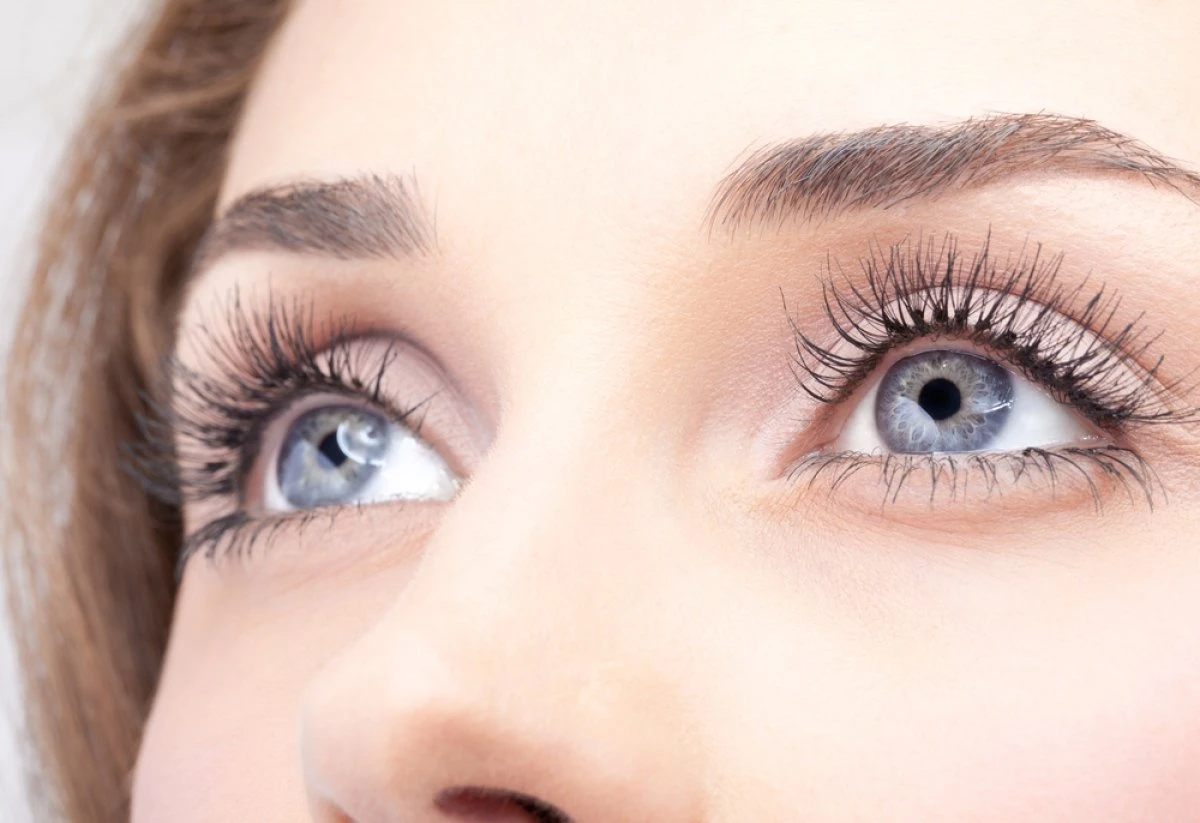

If you’re waking up with crusty eyes, it could be due to reduced tear production during sleep, allowing normal mucus and debris to accumulate on your eyelids. While this is often harmless, conditions such as allergies, infections like conjunctivitis, dry eye syndrome, blepharitis, or inadequate contact lens care can exacerbate overnight eye discharge. In cases where you experience redness, pain, or changes in vision, a medical evaluation might be necessary.
TheraLife offers a unique approach to managing these eye issues by providing oral treatment options, which set them apart as the sole provider of such care. TheraLife’s products, including their Eye Enhanced formula, are designed to address the underlying causes of eye discomfort and promote natural tear production for improved eye health. By understanding the root cause of your symptoms and determining the right time to seek professional care, you can more effectively manage this common eye concern with TheraLife’s specialized solutions.
Get Rid Of Crusty Eyes – Treat Your Dry Eyes With TheraLife
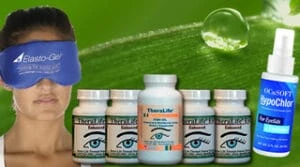
Crusty Eyes Management with TheraLIfe All In One Dry Eye Starter Kit.
Add To Cart
Key Takeaways
- Normal tear film debris and reduced blinking at night commonly cause mild morning eye crust.
- Allergies to pollen, dust mites, or pet dander can increase overnight eye mucus production.
- Bacterial or viral infections produce copious, colored discharge and may require medical attention.
- Poor eyelid hygiene or improper contact lens care can promote microbial growth and eye discharge.
- Dry eye syndrome or environmental irritants may lead to increased eye crustiness upon waking.
Is It Normal to Wake Up With Crusty Eyes?
Curiously, you might wonder if waking up with crusty eyes is a common occurrence. From a clinical perspective, the presence of mild eye discharge upon waking is generally considered physiologically normal.
During sleep, tear production decreases, and the eyes naturally accumulate debris, including shed epithelial cells and meibomian gland secretions. The eyelids, when closed, limit tear drainage and facilitate the formation of this residue. Proper eye hygiene can mitigate the buildup of debris and reduce any associated irritation.
Adhering to proper sleep hygiene and routine eyelid care can minimize excessive build-up, but a small amount is expected as part of ocular surface homeostasis. Evidence indicates that normal morning eye crust is typically clear or slightly yellow and easily removed without discomfort.
As long as discharge remains minimal and symptoms like redness or pain are absent, this finding isn’t pathologic.
When Should You Worry About Morning Eye Discharge?
You should recognize persistent redness, pain, vision changes, or copious yellow-green discharge as potential indicators of serious ocular infection. Clinical guidelines recommend seeking prompt evaluation by an ophthalmologist if these symptoms accompany your morning eye discharge. Early intervention reduces the risk of complications and preserves visual function. If you experience stringy white mucus, it may indicate an allergic reaction or dermatitis, and consulting an eye care professional is advised.
Signs of Serious Infection
Occasionally, morning eye discharge can signal a more serious underlying infection rather than a benign cause like dry eyes or allergies. Accurate symptom identification is essential for infection prevention and timely intervention. If you notice persistent redness, increased pain, or a green/yellow purulent discharge, these may indicate bacterial or viral conjunctivitis. Swelling, photophobia (light sensitivity), or vision changes further suggest a severe infection, such as keratitis or orbital cellulitis. Evaluating the pattern and severity of these symptoms helps differentiate uncomplicated cases from those needing urgent care. Early detection and appropriate treatment can prevent complications, especially in cases like chlamydial conjunctivitis, which can affect both the eyes and reproductive health.
| Symptom | Typical Benign Discharge | Serious Infection Indicator |
|---|---|---|
| Discharge Color | White/clear | Green/yellow |
| Eye Redness | Mild | Moderate to severe |
| Vision Changes | None | Blurring, loss of vision |
| Pain | Mild/discomfort | Significant or worsening |
When to See Specialist
If morning eye discharge persists beyond a few days, intensifies in volume or color, or coincides with symptoms such as significant pain, photophobia, or visual disturbances, prompt evaluation by an ophthalmologist is warranted. These presentations may indicate underlying pathology, such as bacterial conjunctivitis, keratitis, or uveitis, which require targeted treatment to prevent complications. Eye specialists can perform a detailed slit-lamp examination and initiate appropriate diagnostic tests to differentiate between benign and sight-threatening etiologies. Don’t ignore vision concerns, including blurred vision, decreased acuity, or persistent redness, as these could signal corneal involvement or intraocular inflammation. Early intervention is critical for preserving ocular function. If over-the-counter remedies fail or symptoms recur, schedule a consultation with an eye care professional for thorough assessment and evidence-based management. Additionally, inflammatory mechanisms, such as T helper cytokines, play a significant role in the underlying processes of dry eye disease and other ocular conditions, highlighting the importance of addressing inflammation in treatment plans.
What Causes Crusty Eyes While Sleeping?
You might notice crusty eyes in the morning due to common causes like increased tear film debris, allergic conjunctivitis, or nighttime exposure to irritants. Allergic reactions and eyelid inflammation can stimulate excess mucus production during sleep. Infections such as bacterial conjunctivitis also compromise ocular surface health and lead to pronounced discharge. Dry eye syndrome can also contribute to crustiness by leading to insufficient tear production overnight.
Common Eye Discharge Causes
Several underlying mechanisms can lead to the formation of eye discharge, or rheum, during sleep. Your eyes naturally produce mucus, oil, and exfoliated epithelial cells as part of the tear film’s maintenance and cleansing process.
When you’re awake, blinking helps clear away this material. However, during sleep, reduced blinking allows these secretions to accumulate, resulting in crusty deposits at the eyelid margins.
Conjunctival inflammation, meibomian gland dysfunction, and mild bacterial colonization can also elevate the amount of discharge. Environmental factors, such as low humidity or exposure to irritants, may exacerbate the accumulation.
Blocked Tear Ducts can also contribute to constant watery eyes and increase the likelihood of crusty buildup overnight.
Addressing these causes often involves targeted lifestyle changes—like optimizing bedroom humidity—and considering natural remedies, such as warm compresses, to support eyelid hygiene and tear film balance.
Seek clinical evaluation if symptoms persist.
Allergies and Nighttime Irritation
While physiological tear film maintenance accounts for some morning eye crust, allergic reactions and nocturnal irritants frequently amplify discharge production during sleep.
If you’re exposed to pollen or other environmental irritants, your conjunctival tissue triggers an immunological response. This hypersensitivity increases mucous secretion and inflammatory exudate overnight, leading to more prominent crusting at the eyelid margins.
Pollen exposure, in particular, can induce mast cell degranulation, releasing histamines that promote itching, redness, and increased lacrimal gland activity.
Additionally, household dust mites, pet dander, or airborne particulates present in your bedroom can exacerbate these allergic processes. You may notice more discharge during allergy seasons or after contact with known irritants.
Addressing nocturnal exposure to allergens is essential for minimizing morning eye crust and maintaining ocular surface integrity. Regular sleep patterns support the eyes’ natural cleaning processes and can help reduce crustiness.
Infections and Eye Health
Although allergic reactions contribute to morning eye crust, infectious processes often play a more significant role in abnormal discharge during sleep. Bacterial conjunctivitis, for instance, leads to purulent secretions and adherent eyelid crusting, especially upon waking. Viral conjunctivitis can also trigger watery discharge mixed with mucus, increasing the risk of transmission. Inadequate eye hygiene—such as not removing makeup or touching your eyes with unwashed hands—facilitates microbial colonization and infection. Common pathogens like Staphylococcus aureus or adenovirus exploit these lapses, resulting in inflammatory responses and increased exudate production. Persistent or severe symptoms of eyelid swelling, such as redness and pain, should prompt immediate medical evaluation to prevent complications. Focusing on infection prevention is essential: cleanse your eyelids daily, avoid sharing towels, and replace contact lenses as directed. If you notice persistent redness, pain, or vision changes, promptly consult an eye care professional.
How Allergies Lead to Crusty Eyes
When your immune system overreacts to airborne allergens like pollen, dust mites, or pet dander, it triggers an inflammatory response in the conjunctiva—the thin membrane covering the white part of your eyes and the inside of your eyelids.
This immune response is a primary pathway for allergy symptoms, particularly ocular manifestations. As a result, your eyes may produce excess mucus and tears, which, when dried overnight, form the crusty residue you notice upon waking.
In some cases, eyelash mite infestations can exacerbate symptoms due to their presence in the eyelash follicles, leading to further irritation and discomfort.
Recognizing allergy-induced crusty eyes is essential for targeted eye care and symptom management.
Here’s how allergies contribute to morning eye crust:
- Allergen exposure stimulates histamine release, causing conjunctival inflammation.
- Increased tear and mucus production attempts to flush out allergens.
- Overnight, these secretions dry and accumulate at the eyelid margins.
Effective allergy management improves both comfort and ocular health.
Can Dry Eyes Cause Morning Crusty Eyes?
Despite the common misconception, dry eye syndrome doesn’t directly cause the crusty residue you may notice on your eyelids in the morning. Clinically, dry eyes result from insufficient or poor-quality tear film, leading to symptoms like irritation, burning, and foreign body sensation. However, the presence of morning crust is more often related to other etiologies, such as increased tear production in response to irritation or secondary inflammation. Maintaining rigorous eye hygiene and adhering to prescribed dry eye treatments can help reduce overall discomfort but won’t specifically address crust formation. Chalazion and dry eye are part of the Meibomian gland dysfunction spectrum, which may contribute to various eye symptoms.
Do Eye Infections Give You Crusty Eyes?
How do eye infections contribute to crusty eyes? When pathogens like bacteria or viruses invade the ocular surface, your immune system responds by increasing mucus and cellular debris production. This discharge dries overnight, resulting in the classic “crusty” appearance upon waking.
Maintaining proper eye hygiene is crucial to prevent infection and manage symptoms.
Here’s what you should know:
- Bacterial conjunctivitis: This infection commonly produces yellow or green purulent discharge, leading to significant eyelid crusting.
- Viral conjunctivitis: While usually less severe than bacterial types, viral infections can still cause watery discharge and mild crusting.
- Infection prevention: Regularly washing your hands, avoiding eye rubbing, and not sharing towels are essential strategies for reducing your risk of developing infectious eye conditions and subsequent crusting.
Prioritize eye hygiene for ideal ocular health.
Can Blepharitis Cause Crusty Eyes?
In addition to infections, blepharitis frequently results in eyelid crusting due to chronic inflammation of the eyelid margins. When you experience blepharitis, the glands at the base of your eyelashes become obstructed, leading to accumulation of debris and discharge. Common blepharitis symptoms include redness, irritation, burning sensation, and noticeable crusting upon waking. Clinical studies have shown that inadequate eyelid hygiene exacerbates these symptoms, making daily cleansing essential for managing this condition.
Here’s a quick reference comparing key aspects of blepharitis and crust formation:
| Blepharitis Symptoms | Clinical Features |
|---|---|
| Red, swollen eyelids | Chronic eyelid margin inflammation |
| Itching or burning | Gland dysfunction |
| Crusting at lash line | Accumulation of debris |
| Watery eyes | Tear film instability |
| Grittiness | Recurrent irritation |
Maintaining strict eyelid hygiene helps reduce crusting and discomfort.
Are Contact Lenses Making Your Crusty Eyes Worse?
If you wear contact lenses, improper lens hygiene greatly increases your risk of bacterial colonization and discharge accumulation.
You might also experience ocular surface irritation or allergic reactions to lens materials or solutions, which can exacerbate eyelid crusting.
Extended wear of contact lenses is associated with higher rates of inflammation and tear film disruption, further contributing to morning eye crust.
Improper Lens Hygiene Risks
Although contact lenses provide convenience and clear vision, poor lens hygiene can introduce pathogens and debris to the ocular surface.
Inadequate lens cleaning and suboptimal hygiene practices elevate your risk for microbial contamination, which often leads to ocular surface inflammation and excessive eye discharge.
If you’re waking up with crusty eyes, consider how your contact lens habits might be contributing to the problem.
Proper lens cleaning and adherence to hygiene practices are essential because:
- Bacterial Colonization: Insufficient disinfection allows bacteria to proliferate on lenses, increasing the likelihood of conjunctivitis and mucopurulent discharge.
- Protein and Lipid Deposits: Incomplete removal of deposits leads to lens irritation and stimulates excessive tear film production, resulting in crust formation.
- Transfer of Debris: Touching lenses with unwashed hands directly transfers environmental contaminants, exacerbating ocular irritation and discharge.
Allergic Reactions To Lenses
Beyond hygiene-related complications, contact lenses can also trigger ocular surface inflammation through hypersensitivity reactions. If you’re waking up with crusty eyes, consider whether your lens care regimen or material might be contributing. Allergic responses often stem from preservatives in lens solutions or from protein deposits accumulating on the lens surface, increasing eye sensitivity and mucous production. These immune-mediated events can lead to papillary conjunctivitis and exacerbate morning discharge.
| Allergen Source | Clinical Manifestation | Mitigation Strategy |
|---|---|---|
| Solution Preservatives | Redness, itching, crusting | Switch to preservative-free |
| Protein Deposits | Increased discharge, irritation | Use enzymatic cleaners |
| Lens Material | Chronic discomfort, papillae | Consider hypoallergenic lenses |
| Poor Lens Care | Exacerbated symptoms | Optimize lens hygiene |
| Environmental Allergens | Seasonal symptom fluctuation | Limit exposure, use filters |
Optimizing lens care and minimizing exposure to allergens can help reduce eye sensitivity and crust formation.
Extended Wear Complications
While extended wear contact lenses offer convenience, they greatly increase the risk of ocular surface complications, including morning eye crust. Prolonged lens wear impedes oxygen transmission to the cornea and can disrupt the tear film, creating an environment conducive to microbial growth and inflammation.
Compromised eye hygiene further exacerbates these risks.
Here are three key complications linked to extended wear lenses and poor eye hygiene:
- Microbial Keratitis: Overnight wear increases bacterial colonization, leading to infection and excessive eye discharge.
- Giant Papillary Conjunctivitis: Mechanical irritation from lenses triggers an immune response, resulting in mucus production and crust formation.
- Blepharitis: Debris accumulation at the lid margin fosters inflammation, causing crusty eyelids upon waking.
Strict adherence to lens care and limited extended wear duration can mitigate these complications.
Home Remedies for Morning Crusty Eyes
Several clinically supported home remedies can help manage mild morning eye crust, particularly when it’s due to common causes like dry eyes or minor irritants.
You can start by using a sterile saline solution to gently irrigate your eyes, removing debris and reducing the risk of infection. Warm compresses applied to closed eyelids for several minutes will help loosen hardened secretions and promote meibomian gland function.
Lid hygiene is crucial; clean your eyelid margins with diluted baby shampoo or specialized eyelid cleansers to decrease bacterial load. Artificial tears, a natural solution, can increase tear film stability and alleviate dryness.
Always wash your hands thoroughly before touching your eyes. If symptoms persist, or you notice increased redness or discharge, consult an ophthalmologist to rule out more serious conditions.
Tips to Prevent Crusty Eyes in the Morning
How can you reduce the likelihood of waking up with crusty eyes? Implementing evidence-based strategies can minimize ocular discharge and improve morning comfort. Adhering to ideal sleep hygiene and eyelid care reduces the risk of meibomian gland dysfunction and bacterial accumulation, which are common culprits for overnight eye crusting.
Consider the following clinical recommendations:
- Prioritize sleep hygiene: Guarantee a consistent sleep schedule, minimize screen time before bed, and control allergens in your sleeping environment to decrease ocular irritation.
- Implement eyelid care routines: Cleanse your eyelids nightly with a sterile, ophthalmologist-approved cleanser to remove debris, bacteria, and excess oils.
- Address underlying conditions: If you have allergic conjunctivitis or blepharitis, follow prescribed treatment protocols and consult your eye care provider for chronic symptoms.
Consistent application of these measures promotes ocular health and reduces morning discomfort.
Get Rid Of Crusty Eyes – Treat Your Dry Eyes With TheraLife
Crusty Eyes Management with TheraLIfe All In One Dry Eye Starter Kit.
Add To Cart
Frequently Asked Questions For Crusty Eyes
Can Diet or Hydration Affect Morning Eye Crust?
Yes, your diet and hydration levels can influence ocular surface health and tear film stability.
If you have dietary deficiencies—especially in vitamin A or omega-3 fatty acids—your tear production may decrease, increasing debris accumulation.
Inadequate hydration also reduces tear secretion, leading to dryness and increased morning eye crust.
Evidence suggests maintaining ideal nutrition and fluid intake supports meibomian gland function and reduces abnormal crusting, offering a simple, modifiable approach to ocular surface management.
Are Pets a Source of Eye Crust Issues?
Let’s cut to the chase—yes, pets can be a source of eye crust issues.
Pet allergens like dander trigger allergic conjunctivitis, causing your eyes to produce excess discharge overnight. If you’ve got furry friends, you’ll want to pay close attention to eye hygiene, washing your hands after petting them and avoiding touching your eyes.
Clinical studies highlight that minimizing allergen exposure and maintaining daily lid hygiene reduce these symptoms substantially.
Does Screen Time Before Bed Cause Crusty Eyes?
Screen time before bed doesn’t directly cause crusty eyes, but it exposes you to blue light, which disrupts your circadian rhythm and reduces sleep quality.
Poor sleep can impair tear film function, leading to ocular surface dryness, which may indirectly increase eye crust formation.
Additionally, prolonged device use can exacerbate evaporative dry eye by reducing blink rate, further contributing to debris accumulation along the eyelid margins when you wake up.
Can Certain Medications Worsen Eye Discharge?
You might think only infections cause eye discharge, but medication side effects can also disrupt your eye health.
When you take certain medications—like antihistamines, antidepressants, or acne treatments—they can reduce tear production or alter tear composition. This imbalance can lead to increased eye discharge overnight.
Clinically, medications that dry mucous membranes or suppress immune responses are most likely to exacerbate discharge, so always review your prescriptions if you notice these symptoms.
Is Crusty Eyes Linked to Autoimmune Conditions?
Yes, you can experience eye crust as a result of autoimmune disorders.
Conditions like Sjögren’s syndrome or rheumatoid arthritis can lead to eye inflammation, which increases mucus and debris on the eyelids.
When your immune system attacks your tear-producing glands or ocular tissues, you’ll often notice symptoms such as dryness, redness, and discharge.
If you suspect an autoimmune cause, consult your healthcare provider for targeted diagnostic tests and management strategies.
Get Rid Of Crusty Eyes – Treat Your Dry Eyes With TheraLife
Crusty Eyes Management with TheraLIfe All In One Dry Eye Starter Kit.
Add To Cart
Conclusion For Crusty Eyes
If you’re waking up with crusty eyes, it could be due to conditions like allergic conjunctivitis, blepharitis, or dry eyes. TheraLife offers unique oral eye treatment solutions that target these issues from within, unlike any other company. Their products are designed to address underlying causes, promoting clearer and more comfortable mornings. By choosing TheraLife, you invest in a comprehensive approach to eye care, emphasizing clinical vigilance and evidence-based habits. Don’t let persistent eye discomfort go unchecked—consider TheraLife’s innovative solutions for healthier vision. Isn’t your eye health worth that careful attention?
References
- 1.
- Shekhawat NS, Shtein RM, Blachley TS, Stein JD. Antibiotic Prescription Fills for Acute Conjunctivitis among Enrollees in a Large United States Managed Care Network. Ophthalmology. 2017 Aug;124(8):1099-1107. [PMC free article] [PubMed]
- 2.
- Smith AF, Waycaster C. Estimate of the direct and indirect annual cost of bacterial conjunctivitis in the United States. BMC Ophthalmol. 2009 Nov 25;9:13. [PMC free article] [PubMed]
- 3.
- 4.
- de Laet C, Dionisi-Vici C, Leonard JV, McKiernan P, Mitchell G, Monti L, de Baulny HO, Pintos-Morell G, Spiekerkötter U. Recommendations for the management of tyrosinaemia type 1. Orphanet J Rare Dis. 2013 Jan 11;8:8. [PMC free article] [PubMed]
- 5.
- Sati A, Sangwan VS, Basu S. Porphyria: varied ocular manifestations and management. BMJ Case Rep. 2013 May 22;2013 [PMC free article] [PubMed]
- 6.
- Azari AA, Barney NP. Conjunctivitis: a systematic review of diagnosis and treatment. JAMA. 2013 Oct 23;310(16):1721-9. [PMC free article] [PubMed]
- 7.
- 8.
- Shields T, Sloane PD. A comparison of eye problems in primary care and ophthalmology practices. Fam Med. 1991 Sep-Oct;23(7):544-6. [PubMed]
- 9.
- 10.
- Turaka K, Penne RB, Rapuano CJ, Ayres BD, Abazari A, Eagle RC, Hammersmith KM. Giant fornix syndrome: a case series. Ophthalmic Plast Reconstr Surg. 2012 Jan-Feb;28(1):4-6. [PubMed]
- 11.
- Satpathy G, Behera HS, Ahmed NH. Chlamydial eye infections: Current perspectives. Indian J Ophthalmol. 2017 Feb;65(2):97-102. [PMC free article] [PubMed]
- 12.
- Bhosai SJ, Bailey RL, Gaynor BD, Lietman TM. Trachoma: an update on prevention, diagnosis, and treatment. Curr Opin Ophthalmol. 2012 Jul;23(4):288-95. [PMC free article] [PubMed]
- 13.
- 14.
- Makker K, Nassar GN, Kaufman EJ. StatPearls [Internet]. StatPearls Publishing; Treasure Island (FL): Jul 17, 2023. Neonatal Conjunctivitis. [PubMed]
- 15.
- Hoffman J. Adenovirus: ocular manifestations. Community Eye Health. 2020;33(108):73-75. [PMC free article] [PubMed]
- 16.
- Giladi N, Herman J. Pharyngoconjunctival fever. Arch Dis Child. 1984 Dec;59(12):1182-3. [PMC free article] [PubMed]
- 17.
- Meyer-Rüsenberg B, Loderstädt U, Richard G, Kaulfers PM, Gesser C. Epidemic keratoconjunctivitis: the current situation and recommendations for prevention and treatment. Dtsch Arztebl Int. 2011 Jul;108(27):475-80. [PMC free article] [PubMed]
- 18.
- Wright PW, Strauss GH, Langford MP. Acute hemorrhagic conjunctivitis. Am Fam Physician. 1992 Jan;45(1):173-8. [PubMed]
- 19.
- Saleh D, Yarrarapu SNS, Sharma S. StatPearls [Internet]. StatPearls Publishing; Treasure Island (FL): Aug 28, 2023. Herpes Simplex Type 1. [PubMed]
- 20.
- Yoser SL, Forster DJ, Rao NA. Systemic viral infections and their retinal and choroidal manifestations. Surv Ophthalmol. 1993 Mar-Apr;37(5):313-52. [PubMed]