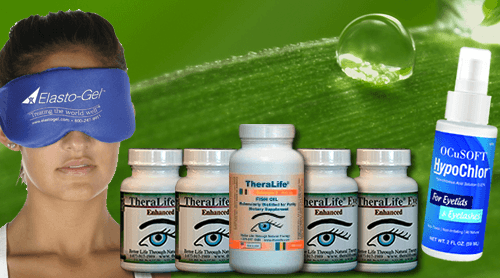
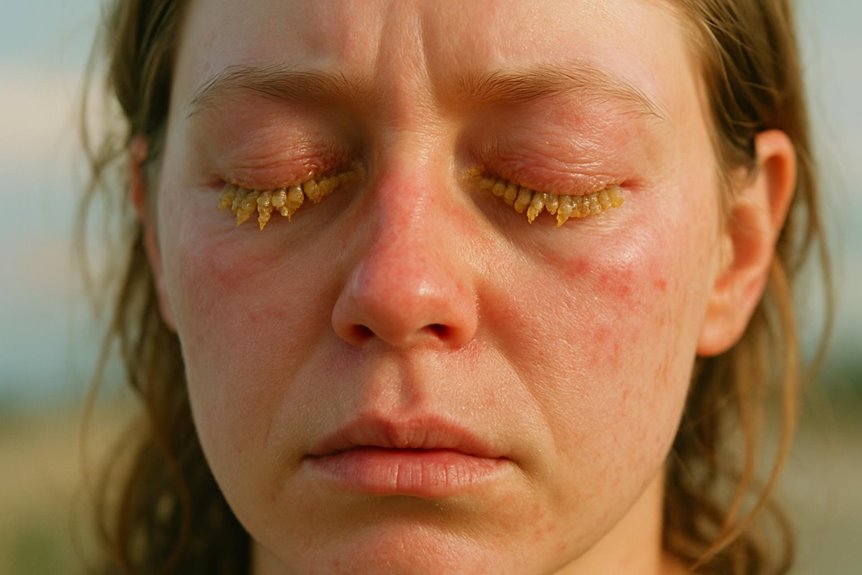
If you find your eyes waking up with crusty eyes, it is often due to tear film disruption, inflamed eyelid margins, and excess mucus, commonly caused by conditions like blepharitis, meibomian gland dysfunction, or environmental irritants. These symptoms indicate dysfunctional glands and ongoing inflammation. However, Theralife offers a unique solution with its oral eye treatment care products, which are designed to address these issues from the inside out. As the only company providing oral eye treatment care, Theralife’s products can help you achieve clear and comfortable vision by restoring gland function and reducing inflammation.
Theralife’s comprehensive approach includes good eyelid hygiene practices, warm compresses, and preservative-free lubricating drops, all essential in breaking the chronic cycle and preventing infections or chronic discomfort. By staying on top of daily eye care and using Theralife’s innovative products, customers can effectively manage and alleviate their symptoms, ensuring long-term eye health and comfort.
Get Rid Of Crusty Eyes – Treat Your Dry Eyes With TheraLife
Crusty Eyes Management with TheraLIfe All In One Dry Eye Starter Kit.
Add To Cart
Key Takeaways for Crusty Eyes
- Maintain daily eyelid hygiene with warm compresses and gentle cleansing to remove debris and prevent buildup.
- Use preservative-free lubricating eye drops to stabilize the tear film and reduce dryness-related crusting.
- Identify and manage underlying causes such as blepharitis, allergies, or meibomian gland dysfunction for lasting relief.
- Replace eye makeup every three months and avoid sharing cosmetics to minimize bacterial contamination.
- Seek medical attention for persistent redness, pain, swelling, or vision changes to address potential infection or serious conditions.
Why Do I get crusty eyes in the Morning?
Have you ever wondered why your eyelids sometimes stick together with a gritty crust when you wake up?
During sleep, your eyes continue to produce tears and mucus as part of their natural defense and cleaning mechanisms. The tear film—composed of water, oils, and mucus—protects the ocular surface and removes debris.
At night, you blink less, so this material can accumulate at the eyelid margins. As the water content evaporates, the remaining components dry and form a crust. This process is a normal aspect of eye health, helping clear out dead cells and particles.
Sleep quality also influences this; interrupted or poor sleep may disrupt tear production or drainage, leading to more pronounced crusting in the morning. Additionally, conditions like dry eye syndrome can exacerbate crusting by causing insufficient tear production, leading to irritation and mucus buildup.
What Causes Chronic Crusty Eyes?
You may experience chronic eye crusting due to underlying conditions such as blepharitis, meibomian gland dysfunction, or chronic conjunctivitis, all of which disrupt normal tear film composition. Environmental irritants like dust, smoke, or allergens can further inflame your eyelid margins and conjunctiva, increasing discharge. Understanding these factors helps you target the root causes and improve ocular surface health. It is important to note that persistent symptoms warrant consultation with an eye doctor to rule out any underlying health issues and receive appropriate treatment.
Common Underlying Conditions
Although chronic eye crusting may seem like a minor nuisance, it often signals an underlying ophthalmic condition that requires attention.
You may be experiencing persistent crusting due to chronic conditions such as blepharitis, which involves inflammation of the eyelid margins and dysfunction of the Meibomian glands. This leads to abnormal lipid secretions and a buildup of debris along the lash line.
Additionally, chronic eye infections, such as recurrent bacterial conjunctivitis, can cause continual exudate production, resulting in eyelid matting and crusting upon waking.
Other common culprits include meibomian gland dysfunction and chronic dacryocystitis, where the tear drainage system becomes repeatedly infected or obstructed.
Identifying and addressing these underlying conditions is essential for breaking the cycle of crusting and preventing long-term ocular surface damage. Good hygiene practices can significantly reduce the occurrence of blepharitis and related symptoms.
Environmental Irritants Impact
Beyond underlying medical conditions, frequent exposure to environmental irritants plays a significant role in chronic eye crusting. When you’re in environments with poor air quality or elevated environmental pollutants, your ocular surface is constantly challenged. Airborne particulates, chemical vapors, and allergens interact with the tear film and conjunctival epithelium, triggering inflammatory responses. This, in turn, stimulates meibomian and lacrimal glands, increasing mucus and lipid secretions that crust over your eyelids. It’s crucial to understand that meibomian gland dysfunction is a prevalent condition contributing to dry eye symptoms and chronic eye crusting. Regular exposure to such irritants perpetuates the cycle of eye discomfort and crusting, emphasizing the importance of managing your environment and monitoring air quality.
| Irritant Type | Ocular Impact |
|---|---|
| Dust, Smoke | Disrupt tear film, provoke conjunctival inflammation |
| Chemical Pollutants | Increase epithelial cell turnover, mucus secretion |
| Allergens | Induce histamine release, worsen lid edema |
Is It Pink Eye or Something Else?
When redness, discharge, and irritation affect the eye, it’s common to suspect pink eye (conjunctivitis), but chronic symptoms often signal other underlying conditions.
Pink eye symptoms—such as conjunctival redness, watery or mucopurulent discharge, and gritty sensation—usually arise from viral or bacterial eye infection causes.
However, if you experience persistent or recurring symptoms, consider alternatives like blepharitis, meibomian gland dysfunction, or chronic allergic conjunctivitis.
Blepharitis involves inflammation at the eyelid margin, causing thick crusts and chronic irritation.
Meibomian gland dysfunction disrupts tear film stability, leading to persistent redness and discharge.
Allergic conjunctivitis often presents with intense itching and seasonal variation.
To distinguish these conditions, pay close attention to symptom duration, discharge quality, and associated eyelid changes.
Effective treatments for blepharitis, such as hot compresses and antibiotic ointments, can help alleviate symptoms and prevent recurrence.
Accurate diagnosis is critical for effective management.
Easy Home Remedies for Morning Eye Crust
If you often wake up with crusty debris at the eyelid margins, it’s important to understand practical ways to manage this common symptom at home.
Start with a gentle eyelid hygiene routine: use a clean cloth soaked in warm water to compress your closed eyelids for several minutes. This helps soften dried secretions and loosens crusts formed by meibomian gland secretions and desquamated epithelial cells.
Carefully wipe away debris, moving from the inner to outer canthus. For natural eye treatments, you can use diluted baby shampoo or a sterile saline rinse.
Soothing herbal remedies, such as cooled chamomile tea bags, may offer additional anti-inflammatory effects.
Avoid rubbing or scratching the delicate eyelid skin, as this may exacerbate irritation or introduce secondary infection.
For an effective solution, consider using an all-natural eye wash that contains pure hypochlorous acid, which keeps lids and lashes clean from debris and microorganisms.
Top Over-the-Counter Products for Eye Discharge
When you’re managing persistent eye discharge, select lubricating eye drops that stabilize the tear film and reduce mucous buildup along the conjunctiva.
Use gentle eyelid cleansers formulated to preserve the integrity of the meibomian glands and minimize irritation of the periocular skin.
These over-the-counter options target both excessive secretions and debris at the lid margins, helping you maintain ocular surface health.
It’s important to address any underlying medical conditions that may contribute to dry eye symptoms, as these can exacerbate issues like eye discharge.
Best Lubricating Eye Drops
Although persistent eye discharge can stem from several causes, selecting the right over-the-counter lubricating eye drops can greatly reduce irritation and promote ocular surface stability. When you’re choosing eye drops, focus on hydration importance and drop selection tailored to your symptoms. Artificial tears containing carboxymethylcellulose or hyaluronic acid mimic natural tear film, restoring corneal and conjunctival moisture. Preservative-free drops are recommended for frequent use, minimizing risk of epithelial toxicity. Avoid drops with vasoconstrictors, which may worsen dryness over time. Assess your symptoms—thicker gel formulations benefit severe dryness, while lighter drops are suitable for mild cases. Dry eye is the most common eye ailment globally and the leading reason for eye doctor visits. Here’s a quick comparison of common formulations:
| Type | Primary Ingredient | Best For |
|---|---|---|
| Standard Drops | Carboxymethylcellulose | Mild dryness |
| Gel Drops | Hydroxypropyl guar | Severe symptoms |
| Preservative-Free | Hyaluronic acid | Frequent use, sensitivity |
Gentle Eyelid Cleansers
Several over-the-counter eyelid cleansers, formulated specifically for sensitive periocular skin, effectively manage persistent eye discharge by targeting debris, oil, and microbial accumulation along the lid margins and lash line.
When you use gentle cleansers as part of your eyelid care routine, you reduce the risk of inflammation and chronic irritation.
Anatomically, the meibomian glands within your eyelids are prone to blockage, so removing crusts and biofilm with these products helps maintain gland function and ocular surface health.
Regular use of these cleansers can also support meibomian gland function and contribute to healthier tear film production, thereby alleviating symptoms of blepharitis.
Here are three top gentle cleansers you can find over the counter:
- Ocusoft Lid Scrub – Hypoallergenic pads that remove oil and debris.
- Avenova Spray – Contains pure hypochlorous acid for antimicrobial action.
- Systane Lid Wipes – Pre-moistened, non-irritating wipes for daily eyelid care.
When Should I See a Doctor About Crusty Eyes?
How do you know if crusted eyes signal something more serious? You should recognize when to seek prompt medical attention by watching for specific signs of infection or worsening symptoms.
If your eyelid crusting is accompanied by persistent redness, swelling, pain, or yellow-green discharge, these are clear signs of infection that require a doctor’s evaluation. Blurred vision, light sensitivity, or difficulty opening your eyes in the morning also suggest a more serious underlying issue, such as bacterial conjunctivitis or blepharitis.
In babies, blocked tear ducts are a common cause of eye discharge and can lead to infection if not resolved naturally. If you experience fever, facial swelling, or worsening symptoms despite regular eyelid hygiene, don’t delay seeking professional care. Early intervention prevents complications and preserves ocular health.
What Happens If I Ignore Morning Crusty Eyes?
Ignoring morning eye crusting may seem harmless, but it can allow underlying conditions like blepharitis or chronic conjunctivitis to progress unchecked.
When you overlook this symptom, you risk more than temporary discomfort. The eyelid margin and meibomian glands can become chronically inflamed, leading to changes in tear film composition and persistent irritation.
Without addressing possible remedies—such as eyelid hygiene or prescribed topical treatments—you may expose your eyes to damaging long term effects.
Here’s what can happen if you ignore morning crusting:
- Chronic Inflammation: Persistent redness, swelling, and thickening of eyelids.
- Visual Disturbances: Recurring blurred vision due to disrupted tear film and corneal involvement.
- Infection Risk: Accumulated debris can foster bacterial overgrowth, increasing conjunctival or corneal infection risk.
Prompt attention can break this chronic cycle.
Everyday Habits That Make Crusty Eyes Worse
Even subtle daily routines can exacerbate morning eye crusting, especially when they disrupt the delicate balance of the eyelid margin and tear film.
Rubbing your eyes frequently introduces bacteria and disrupts the meibomian glands, leading to increased debris accumulation.
Poor hydration habits result in a thinner tear film, reducing its ability to flush away cellular debris and inflammatory proteins.
Neglecting stress management impacts hormonal regulation, increasing systemic inflammation that can worsen eyelid gland dysfunction.
Sleeping with makeup on or using harsh facial cleansers also blocks meibomian glands and irritates the conjunctiva.
Excessive screen time reduces blink rate, impairing tear distribution and allowing crusts to build up overnight.
Each of these habits, though seemingly minor, can greatly intensify the chronic cycle of eye crusting.
How Can I Prevent Crusty Eyes in the Future?
To reduce the risk of future eye crusting, you should practice meticulous eyelid hygiene, including gentle cleansing of the lid margins to remove debris and bacteria.
Addressing underlying allergic triggers with targeted therapies can minimize inflammatory discharge from the conjunctiva.
Replace eye makeup every three months to prevent microbial contamination that can exacerbate eyelid inflammation.
Maintain Proper Eye Hygiene
A consistent eye hygiene routine greatly reduces your risk of developing crusted eyes by minimizing the accumulation of debris, bacteria, and oils along the eyelid margins and lashes.
Practicing meticulous eye care guarantees the delicate anatomical structures—like the meibomian glands and lash follicles—remain clear and healthy. Evidence shows that proper eyelid hygiene decreases both microbial load and the risk of chronic inflammation.
Here’s how you can maintain ideal eyelid health:
- Clean your eyelids daily: Use a sterile, preservative-free eyelid cleanser or diluted baby shampoo, gently massaging along the lash line.
- Remove eye makeup thoroughly: Never sleep with makeup on, as residue can clog follicles and harbor pathogens.
- Wash your hands before touching your eyes: This reduces the transfer of bacteria and environmental allergens, supporting overall eye care.
Manage Allergies Effectively
Alongside diligent eyelid hygiene, controlling allergic triggers plays a significant role in preventing crusted eyes. Allergens such as pollen, pet dander, and dust mites can provoke the conjunctiva and eyelid margins, leading to inflammation, excessive tearing, and mucus accumulation that crusts overnight.
Effective allergy management involves identifying and minimizing exposure to known allergens. You can use high-efficiency particulate air (HEPA) filters, wash bedding frequently, and avoid rubbing your eyes, which exacerbates irritation.
Pharmacologic options—such as topical antihistamines, mast cell stabilizers, or corticosteroid eye drops—can provide targeted symptom relief by reducing conjunctival hyperemia, pruritus, and discharge.
Regular follow-up with an eye care professional guarantees your treatment remains ideal and anatomical changes, like conjunctival edema or chronic blepharitis, are promptly addressed.
Replace Eye Makeup Regularly
Because eye cosmetics can harbor bacteria and contribute to chronic eyelid inflammation, you should replace mascara, eyeliner, and eyeshadow every three months.
Old makeup products become a reservoir for pathogens, increasing your risk for conditions like blepharitis and conjunctivitis, which often present as crusted eyes. Implementing strict makeup replacement and hygiene practices protects the delicate structures of the eyelid margin, meibomian glands, and conjunctiva.
To optimize ocular health, follow these steps:
- Replace all eye makeup products every 90 days to prevent bacterial growth.
- Avoid sharing cosmetics to minimize cross-contamination.
- Clean applicators weekly with an appropriate antimicrobial solution.
These evidence-based hygiene practices reduce microbial load and chronic eyelid inflammation, helping you break the cycle of recurrent, crusted eyes.
Consistent vigilance with makeup replacement safeguards your ocular surface.
Tips for Waking Up With Clear, Comfortable Eyes
If you frequently wake up with dry, irritated, or blurry eyes, optimizing your evening and morning routines can greatly improve ocular surface health.
Start by cleansing your eyelids with a sterile, preservative-free lid wipe before bed. This removes debris and bacteria that contribute to crusting along the lash line and meibomian gland dysfunction.
Maintain proper eyelid hygiene to prevent chronic blepharitis, a key factor in morning discomfort. Use a humidifier overnight to preserve tear film integrity and counteract environmental dryness.
On waking, apply a warm compress for five minutes to loosen residual secretions and stimulate lipid release from the meibomian glands. Avoid rubbing your eyes, as this can disrupt the epithelial barrier.
These steps support a stable tear film and promote clear, comfortable vision each morning.
Get Rid Of Crusty Eyes – Treat Your Dry Eyes With TheraLife
Crusty Eyes Management with TheraLIfe All In One Dry Eye Starter Kit.
Add To Cart
Frequently Asked Questions For Crusty Eyes
Can Allergies to Pets Cause Severe Eye Crusting?
Yes, you can experience severe eye crusting from pet allergy symptoms.
When your immune system reacts to pet dander, it triggers inflammation of the conjunctiva, leading to allergic conjunctivitis. This process increases tear production and mucus secretion, which can dry and form crusts along your eyelids.
For eye discharge treatment, use preservative-free artificial tears, apply cool compresses, and consider antihistamine eye drops after consulting a healthcare professional for precise diagnosis and management.
Are Children More Prone to Chronic Eye Crusting Than Adults?
Yes, children are more prone to chronic eye crusting than adults.
Due to heightened childhood sensitivities and developing immune systems, pediatric eye health is more susceptible to irritants, infections, and allergic responses. Their meibomian and lacrimal glands may not function efficiently, leading to increased tear film instability and debris accumulation.
You’ll notice that children often rub their eyes, introducing bacteria and exacerbating symptoms, so prompt evaluation and tailored treatment are essential.
Do Contact Lenses Increase the Risk of Eye Crusting?
Yes, wearing contact lenses can increase your risk of eye crusting—studies show up to 40% of contact lens wearers experience some form of eye discharge.
Poor contact lens hygiene allows bacteria to colonize the conjunctiva and eyelid margins, increasing the risk of eye infections like conjunctivitis and blepharitis.
These infections cause inflammation, increased mucus, and debris accumulation, which leads to noticeable crusting around your eyelids, especially upon waking.
Can Diet or Hydration Affect Morning Eye Discharge?
Yes, your diet and hydration levels can influence morning eye discharge.
If you’re dehydrated, your tear film may become less stable, leading to thicker, stickier secretions that crust overnight.
Dietary changes, such as increasing omega-3 fatty acids, can improve meibomian gland function, stabilizing tear composition and reducing abnormal discharge.
Deficiencies in vitamin A may also impair conjunctival health, increasing mucous production.
Stay hydrated and consider balanced nutrition for ideal ocular surface health.
Is Eye Crusting Linked to Autoimmune Disorders?
Imagine you’re a detective in a 1980s cop show—yes, eye crusting can be linked to autoimmune conditions.
When your immune system targets your own tissues, like in Sjögren’s syndrome or rheumatoid arthritis, you often experience eye symptoms. These disorders can reduce tear production and disrupt the lacrimal glands or conjunctiva, which leads to dry eyes, irritation, and increased discharge.
If you notice persistent crusting, consult your doctor for thorough evaluation.
Get Rid Of Crusty Eyes – Treat Your Dry Eyes With TheraLife
Crusty Eyes Management with TheraLIfe All In One Dry Eye Starter Kit.
Add To Cart
Conclusion
TheraLife’s innovative approach to eye care focuses on providing customers with effective solutions for chronic eye conditions. As the only company offering oral treatment for eye care, TheraLife stands out by addressing the root causes of issues like eyelid crusting, blepharitis, and dry eyes with their unique supplements.
By understanding the intricate balance of your tear film, meibomian glands, and ocular surface, TheraLife products help you reclaim mornings free from gritty discomfort. Their oral treatments are designed to improve tear production and maintain eye health from the inside out, offering a more comprehensive approach compared to topical solutions.
Prioritize TheraLife’s clinically-supported remedies and evidence-based habits to trade crusted lids for clarity. Don’t let neglected symptoms snowball—address them early with TheraLife’s products, and greet each day with eyes as clear as a sunrise horizon.
References
- 1.
- Putnam CM. Diagnosis and management of blepharitis: an optometrist’s perspective. Clin Optom (Auckl). 2016;8:71-78. [PMC free article] [PubMed]
- 2.
- Huggins AB, Carrasco JR, Eagle RC. MEN 2B masquerading as chronic blepharitis and euryblepharon. Orbit. 2019 Dec;38(6):514-518. [PubMed]
- 3.
- Dietrich-Ntoukas T. [Chronic Blepharitis]. Klin Monbl Augenheilkd. 2022 Nov;239(11):1381-1393. [PubMed]
- 4.
- Rodriguez-Garcia A, Loya-Garcia D, Hernandez-Quintela E, Navas A. Risk factors for ocular surface damage in Mexican patients with dry eye disease: a population-based study. Clin Ophthalmol. 2019;13:53-62. [PMC free article] [PubMed]
- 5.
- Choi FD, Juhasz MLW, Atanaskova Mesinkovska N. Topical ketoconazole: a systematic review of current dermatological applications and future developments. J Dermatolog Treat. 2019 Dec;30(8):760-771. [PubMed]
- 6.
- Tavassoli S, Wong N, Chan E. Ocular manifestations of rosacea: A clinical review. Clin Exp Ophthalmol. 2021 Mar;49(2):104-117. [PubMed]
- 7.
- Lin A, Ahmad S, Amescua G, Cheung AY, Choi DS, Jhanji V, Mian SI, Rhee MK, Viriya ET, Mah FS, Varu DM., American Academy of Ophthalmology Preferred Practice Pattern Cornea/External Disease Panel. Blepharitis Preferred Practice Pattern®. Ophthalmology. 2024 Apr;131(4):P50-P86. [PubMed]
- 8.
- Ozkan J, Willcox MD. The Ocular Microbiome: Molecular Characterisation of a Unique and Low Microbial Environment. Curr Eye Res. 2019 Jul;44(7):685-694. [PubMed]
- 9.
- Khoo P, Ooi KG, Watson S. Effectiveness of pharmaceutical interventions for meibomian gland dysfunction: An evidence-based review of clinical trials. Clin Exp Ophthalmol. 2019 Jul;47(5):658-668. [PubMed]
- 10.
- Soh Qin R, Tong Hak Tien L. Healthcare delivery in meibomian gland dysfunction and blepharitis. Ocul Surf. 2019 Apr;17(2):176-178. [PubMed]
- 11.
- Fromstein SR, Harthan JS, Patel J, Opitz DL. Demodex blepharitis: clinical perspectives. Clin Optom (Auckl). 2018;10:57-63. [PMC free article] [PubMed]
- 12.
- Romanowski JE, Nayyar SV, Romanowski EG, Jhanji V, Shanks RMQ, Kowalski RP. Speciation and Antibiotic Susceptibilities of Coagulase Negative Staphylococci Isolated from Ocular Infections. Antibiotics (Basel). 2021 Jun 16;10(6) [PMC free article] [PubMed]
- 13.
- Wolf R, Orion E, Tüzün Y. Periorbital (eyelid) dermatides. Clin Dermatol. 2014 Jan-Feb;32(1):131-40. [PubMed]
- 14.
- Chioveanu FG, Niculet E, Torlac C, Busila C, Tatu AL. Beyond the Surface: Understanding Demodex and Its Link to Blepharitis and Facial Dermatoses. Clin Ophthalmol. 2024;18:1801-1810. [PMC free article] [PubMed]
- 15.
- Sandford EC, Muntz A, Craig JP. Therapeutic potential of castor oil in managing blepharitis, meibomian gland dysfunction and dry eye. Clin Exp Optom. 2021 Apr;104(3):315-322. [PubMed]