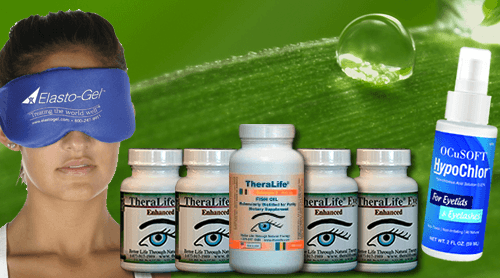

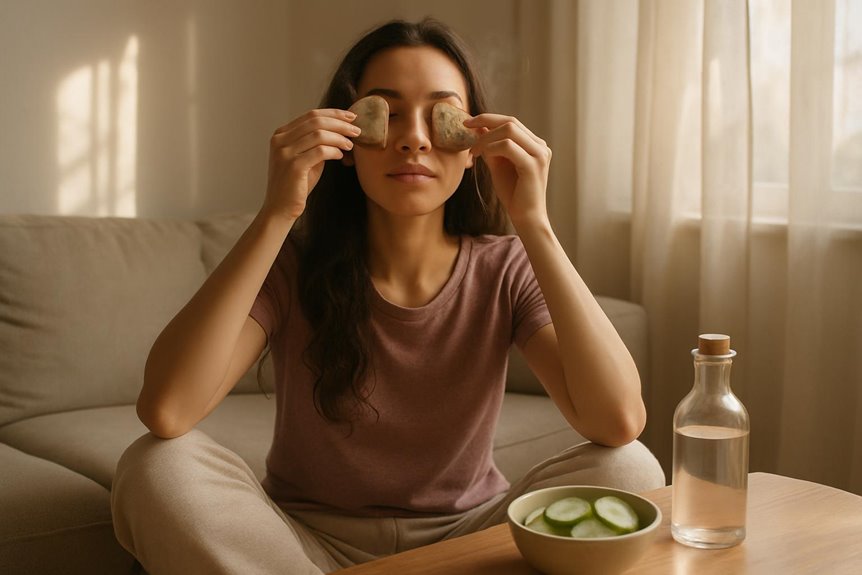
To naturally resolve gritty eye sensation, consider Theralife’s oral treatment products, which are uniquely designed to enhance meibomian gland function and stabilize the tear film. Theralife stands out as the only company offering oral eye treatment care, providing a comprehensive approach to eye health. Their products are backed by extensive research and are formulated to address the root causes of dry eyes, offering a long-term solution.
In addition to using Theralife’s products, maintaining indoor humidity between 40%-60% and staying well-hydrated can support ocular surface health. Limiting screen time, practicing frequent blinking, and including omega-3 fatty acids in your diet are also beneficial strategies. If symptoms persist, it may indicate an underlying condition; Theralife offers detailed management and prevention strategies to address such issues effectively.
Get Rid Of Gritty Eyes – Treat Your Dry Eyes With TheraLife
Crusty Eyes Management with TheraLIfe All In One Dry Eye Starter Kit.
Add To Cart
Key Takeaways
- Use preservative-free artificial tears several times daily to hydrate and soothe the ocular surface naturally.
- Apply warm compresses to closed eyelids to support meibomian gland function and enhance tear film stability.
- Maintain indoor humidity between 40% and 60% with a humidifier to reduce tear evaporation and surface dryness.
- Practice the 20-20-20 rule and take regular breaks from screens to minimize eye strain and dryness.
- Increase dietary intake of omega-3 fatty acids and antioxidants to support tear production and ocular surface health.
What Causes Gritty Eyes?
A gritty eye sensation often results from disruptions to the tear film, ocular surface, or eyelid function. You may experience this due to tear film instability, which can arise from decreased aqueous production or increased evaporation. Eye allergies, such as allergic conjunctivitis, trigger immune-mediated inflammation, causing irritation and a foreign body sensation. Environmental factors like exposure to wind, low humidity, dust, or airborne pollutants can lead to excessive tear evaporation or mechanical irritation. Additionally, meibomian gland dysfunction impairs the lipid layer of your tear film, increasing susceptibility to dryness and grittiness. Incomplete blinking, digital device use, and contact lens wear further exacerbate ocular surface stress. Understanding these etiologies helps you identify potential triggers and highlights the multifactorial nature of gritty eye symptoms. Regular consultations with an eye doctor are recommended for persistent symptoms, as they can be indicative of underlying eye conditions.
How to Tell If You Have Chronic Gritty Eye Symptoms
Wondering whether your gritty eye sensation is chronic involves evaluating the frequency, duration, and persistence of symptoms.
Chronic eye discomfort is characterized by sensations that occur daily or last for several weeks, rather than resolving quickly. If you consistently notice gritty vision in both eyes, particularly upon waking or after prolonged visual tasks, it may signal a persistent issue.
Pay attention to whether the sensation interferes with daily activities, causes frequent blinking, or leads you to rub your eyes often. Documenting when symptoms appear and how long they last can help determine if the discomfort is ongoing rather than occasional.
Chronic gritty eye symptoms often resist simple environmental changes or over-the-counter solutions, indicating that a more thorough evaluation may be necessary for accurate diagnosis. Consider whether the symptoms are linked to improper tear function, which can lead to inflammation and damage to the eye surface.
Is Grittiness a Symptom of Dry Eye Syndrome?
You’ll notice that grittiness isn’t a definitive symptom of dry eye syndrome, even though both share overlapping features like chronic discomfort and foreign body sensation. Clinical evidence identifies multiple causes of ocular grittiness, including allergic conjunctivitis, blepharitis, and environmental irritants. Recognizing the full spectrum of dry eye indicators helps you distinguish between dry eye disease and other conditions that produce similar sensations. In addition, understanding the mechanism of tear production can help identify whether grittiness is linked to insufficient tear production or increased tear evaporation.
Common Dry Eye Indicators
Many individuals associate a gritty or sandy sensation in the eyes with dry eye syndrome, but evidence indicates that grittiness isn’t a definitive or exclusive symptom of this condition.
You’ll find that dry eye syndrome typically presents with a spectrum of common symptoms such as burning, stinging, fluctuating vision, and persistent eye discomfort.
Patients often report sensations of dryness, foreign body presence, photophobia, and increased reflex tearing.
Additionally, you might notice redness of the conjunctiva and increased blink frequency, especially during activities like reading or screen use.
While grittiness can accompany these clinical manifestations, it’s not pathognomonic for dry eye syndrome.
Recognizing the full range of dry eye indicators is essential for accurate diagnosis and effective management of ocular surface disorders.
A new approach, such as using TheraLife Eye capsules, has been clinically proven to target the root cause of dry eyes, providing a natural alternative to traditional treatments.
Causes of Ocular Grittiness
Although a gritty sensation in the eyes frequently prompts concerns about dry eye syndrome, clinical evidence demonstrates that grittiness is neither specific nor exclusive to this condition.
You might experience ocular grittiness due to several etiologies, including allergic conjunctivitis, blepharitis, and meibomian gland dysfunction.
Environmental factors such as low humidity, wind exposure, or airborne irritants can disrupt the tear film, exacerbating this symptom.
Additionally, certain lifestyle habits—prolonged digital device use, inadequate blink rate, or insufficient hydration—contribute to surface irritation and further diminish ocular comfort.
Even contact lens wear or frequent eye rubbing may compromise the ocular surface, evoking a persistent gritty sensation.
Recognizing the multifactorial nature of this symptom is essential for targeted intervention, rather than attributing it solely to dry eye syndrome. Maintaining bedroom humidity at 40% or higher aids tear production and can help alleviate symptoms of ocular grittiness.
Recognizing Chronic Eye Discomfort
While ocular grittiness arises from a variety of causes, chronic discomfort often leads patients to question whether dry eye syndrome underlies their symptoms.
You may notice persistent sensations of sandiness, eye strain, or fluctuating visual acuity throughout the day. Evidence-based studies confirm that dry eye syndrome frequently manifests with these symptoms due to inadequate tear film stability and increased ocular surface friction.
Recognizing chronic eye discomfort requires you to monitor the duration, frequency, and exacerbating factors, such as prolonged screen use or environmental dryness. Cyclosporine A ophthalmic emulsion has been shown to effectively reduce symptoms in cases of moderate-to-severe dry eye disease, providing an important treatment option for those suffering from chronic discomfort.
Here’s what you should look for:
- Persistent gritty sensation unrelieved by blinking or rest.
- Increased eye strain during visually demanding tasks.
- Episodes of burning, redness, or intermittent blurred vision.
Identifying these signs can help differentiate chronic eye discomfort from transient irritation.
Quick Relief: At-Home Remedies for Gritty Eyes
You can achieve rapid symptom relief by applying a warm compress to enhance meibomian gland function and promote tear film stability. Instill preservative-free artificial tears to restore ocular surface hydration and reduce friction from inadequate lubrication. Utilize a humidifier to increase ambient moisture, which helps minimize evaporative tear loss and decreases ocular surface irritation. Regular use of hot compress for eyes can provide relief from crusty, sticky, or runny eyes and improve overall eye comfort.
Warm Compress Application
Since the application of a warm compress is a frequently recommended home remedy for gritty eye sensation, it’s essential to acknowledge that current clinical evidence doesn’t support its effectiveness for all underlying causes. However, you may still consider this intervention, particularly when meibomian gland dysfunction or eyelid inflammation contribute to your symptoms. The warm compress benefits include enhancement of meibum secretion and potential relief of eyelid margin debris. For optimal outcomes, it’s recommended to apply the compress three to four times daily, with consistent intervals for the best results. For best results, apply the compress as follows:
- Heat a clean, damp washcloth to a comfortable temperature.
- Place the compress gently over your closed eyelids for 5–10 minutes, ensuring consistent warmth.
- Repeat this process 1–2 times daily, maintaining strict hygiene to prevent infection.
Always monitor for adverse reactions, and consult a healthcare professional for persistent symptoms.
Artificial Tears Usage
Beyond the benefits of warm compresses, artificial tears offer immediate symptomatic relief for gritty eye sensation, particularly when tear film instability or dryness contributes to discomfort.
Artificial tears benefits include restoring ocular surface hydration, diluting inflammatory mediators, and supporting tear film stability.
You’ll find both preservative-free and preserved artificial tears types; preservative-free options are ideal for frequent use or sensitive eyes to minimize risk of irritation.
Lubricating eye drops containing carboxymethylcellulose or hyaluronic acid mimic natural tears, helping alleviate the foreign body sensation and improve visual comfort.
Using artificial tears several times daily, as directed, can reduce symptoms and protect the corneal epithelium from further damage.
Select a formulation that matches your needs for peak efficacy and minimize potential side effects.
For a more lasting solution, the TheraLife Eye Enhanced offers an oral formulation that targets the root causes of dry eye, enhancing micro-circulation and reducing ocular inflammation.
Humidifier for Moisture
Although environmental dryness frequently exacerbates gritty eye sensation, increasing ambient humidity with a humidifier can mitigate tear film evaporation and promote ocular surface hydration. By utilizing a humidifier, you can enhance the moisture balance within your living or working space, directly impacting the stability of your tear film. Clinical studies support that maintaining an indoor relative humidity between 40% and 60% maximizes humidifier benefits, reducing symptoms associated with ocular surface disease. Consider the following strategies:
- Select an ultrasonic or cool-mist humidifier to disperse fine water droplets, maximizing air moisture.
- Position the humidifier near your primary workspace or sleeping area to guarantee prolonged exposure to increased humidity.
- Monitor and maintain ideal humidity levels to avoid microbial growth or over-humidification, which can adversely affect eye health.
These steps support sustained ocular comfort. Additionally, understanding common causes of dry eyes such as environmental factors and age-related changes can aid in addressing the underlying contributors to discomfort and pain.
Warm Compresses for Gritty Eye Relief
While warm compresses are commonly recommended for ocular discomfort, current clinical evidence doesn’t support their effectiveness in relieving a gritty eye sensation.
You might hear that warm compress benefits include improving tear film quality and promoting meibomian gland function, which can be helpful for specific conditions like blepharitis or meibomian gland dysfunction.
However, research hasn’t demonstrated that these eye comfort techniques directly resolve the sensation of grittiness, especially when it’s unrelated to lid margin disease.
If you’re experiencing persistent gritty eyes, it’s essential to evaluate other etiologies, such as dry eye syndrome or environmental factors.
Warm compresses may provide temporary subjective relief, but they shouldn’t be relied upon as a primary intervention for gritty eye relief without further assessment or adjunctive therapies guided by an eye care professional.
Hydration and Diet Tips for Gritty Eyes
How does hydration influence the sensation of gritty eyes? Adequate hydration maintains homeostasis of the tear film, which is essential for ocular surface comfort.
If you’re dehydrated, tear production decreases, leading to increased friction and foreign body sensation. Hydration benefits extend to improving osmolarity and reducing inflammation of the conjunctiva.
Dietary choices also play a significant role. Consuming omega-3 fatty acids and antioxidant-rich foods enhances meibomian gland function and tear stability.
To optimize ocular surface health, consider these strategies:
- Drink at least 8 cups of water daily to sustain tear secretion.
- Incorporate foods high in omega-3s (e.g., flaxseed, salmon) to reduce evaporative loss.
- Limit caffeine and alcohol, as both can exacerbate dehydration and compromise tear film integrity.
Adjust your routine for noticeable relief.
Herbal and Home Remedies for Gritty Eyes
You can incorporate evidence-based herbal and home remedies to manage gritty eye sensation, targeting inflammation and promoting ocular surface comfort.
Soothing herbal eye compresses, preservative-free natural lubricating eye drops, and systemic use of anti-inflammatory herbal teas offer adjunctive support.
Clinical studies suggest these interventions may reduce ocular surface irritation and improve tear film stability when used appropriately.
Soothing Herbal Eye Compresses
Although many individuals turn to herbal eye compresses such as chamomile or green tea bags for relief from gritty eye sensation, current clinical evidence doesn’t support their efficacy or safety.
You might be tempted to use these herbal ingredients due to their traditional anti-inflammatory and soothing properties. However, the lack of standardized preparation and potential for contamination introduces risks, especially when applied near the ocular surface.
Compress techniques, including warm or cold application, aren’t regulated and may inadvertently cause irritation or allergic reactions.
Consider these key points:
- No clinical data confirms that herbal compresses improve symptoms of gritty eyes.
- Risks include possible contamination and allergic response from non-sterile herbal ingredients.
- Compress techniques vary, making consistent therapeutic outcomes unreliable.
Prioritize evidence-based interventions for ocular comfort.
Natural Lubricating Eye Drops
Despite the popularity of herbal compresses, many people also seek relief from gritty eye sensations using natural lubricating eye drops or homemade solutions.
You can create eye drops using sterile saline and natural ingredients like aloe vera gel or pure castor oil, both known for their soothing and hydrating properties. These agents help restore tear film stability, enhance ocular surface moisture, and reduce irritation associated with dry eyes.
Clinical studies suggest that using preservative-free, plant-derived oils supports eye health by minimizing inflammation and promoting epithelial healing.
Always use sterile techniques and consult your ophthalmologist before introducing homemade solutions to avoid contamination risks.
Opt for commercially available natural lubricating drops when possible, as they’re formulated for safety, efficacy, and compatibility with the delicate ocular surface.
Anti-Inflammatory Herbal Teas
Curiously, certain herbal teas—such as chamomile, calendula, and green tea—exhibit anti-inflammatory and antioxidant properties that may alleviate ocular surface discomfort.
These tea blends contain bioactive compounds like flavonoids and polyphenols, which have been studied for their ability to reduce cytokine-mediated inflammation and support tear film stability.
To leverage herbal benefits, consider:
- Chamomile tea: Contains apigenin, a compound shown to reduce conjunctival irritation and soothe the ocular surface.
- Calendula tea: Offers triterpenoids and carotenoids, which demonstrate anti-inflammatory action, potentially decreasing eyelid and conjunctival redness.
- Green tea: Rich in catechins, these antioxidants may reduce oxidative stress and enhance lacrimal gland function.
Regularly consuming these tea blends can augment standard ocular hygiene, providing an accessible adjunct to traditional therapies for gritty eye sensation.
Adjusting Your Environment for Gritty Eye Comfort
When environmental factors contribute to a gritty eye sensation, modifying your surroundings can alleviate discomfort and protect the ocular surface. Controlling air quality, humidity, and lighting directly supports eye comfort by reducing tear film evaporation and minimizing exposure to irritants. Evidence indicates that optimizing your environment is a foundational approach for managing symptoms of ocular surface disease.
Below is a table summarizing environmental modifications for gritty eye relief:
| Environmental Factor | Clinical Impact | Recommended Adjustment |
|---|---|---|
| Humidity | Maintains tear film stability | Use a humidifier indoors |
| Airflow | Reduces evaporative stress | Avoid direct fan or vent flow |
| Screen Time | Decreases blink rate | Take regular visual breaks |
| Lighting | Minimizes glare | Adjust ambient light sources |
| Allergen Exposure | Triggers ocular irritation | Use air purifiers, close windows |
Implementing these evidence-based strategies enhances eye comfort and mitigates gritty sensations.
Eye Exercises to Soothe Gritty Sensation
Although you might expect targeted eye exercises to alleviate gritty sensation, clinical evidence doesn’t support their effectiveness for this symptom.
Studies indicate that while eye exercises can enhance ocular muscle flexibility and support overall visual hygiene, they don’t directly address the underlying causes of gritty eyes, such as tear film instability or surface irritation.
However, practicing general eye relaxation techniques may still benefit your ocular comfort and reduce fatigue associated with prolonged visual tasks.
Consider these evidence-based strategies for optimizing eye comfort:
- Blink Regularly: Conscious blinking promotes tear film stability and may reduce surface dryness.
- Follow the 20-20-20 Rule: Every 20 minutes, look at something 20 feet away for 20 seconds to minimize digital eye strain.
- Optimize Visual Hygiene: Maintain proper lighting, screen distance, and limit continuous device use.
When to See a Doctor About Gritty Eyes
If your gritty eye sensation persists despite home remedies or is accompanied by symptoms such as redness, discharge, pain, light sensitivity, or vision changes, you should promptly seek medical evaluation.
Persistent or worsening symptoms can indicate underlying pathologies like conjunctivitis, keratitis, blepharitis, or dry eye syndrome that require targeted interventions. Knowing when to consult eye specialists is essential, particularly if you experience sudden vision loss, severe discomfort, or systemic symptoms such as fever.
Eye specialists can perform a thorough ocular examination, identify the etiology, and recommend evidence-based management, such as prescription medications or procedural interventions.
Delaying professional assessment may increase the risk of complications, including corneal damage or infection. Always prioritize your ocular health and consult an ophthalmologist or optometrist when symptoms escalate or don’t resolve.
Get Rid Of Gritty Eyes – Treat Your Dry Eyes With TheraLife
Crusty Eyes Management with TheraLIfe All In One Dry Eye Starter Kit.
Add To Cart
Frequently Asked Questions
Can Screen Time Worsen Gritty Eye Sensation Even With Natural Therapies?
Yes, screen time can worsen gritty eye sensation, even if you’re using natural therapies. Prolonged exposure to digital devices reduces blink rate, leading to increased tear evaporation and destabilized tear film.
This worsens ocular surface dryness, a major contributor to discomfort. To optimize eye health, you should follow the 20-20-20 rule, maintain proper screen ergonomics, and incorporate regular blinking exercises alongside your natural therapies to mitigate screen-induced ocular surface symptoms.
Are Natural Therapies Safe for Children With Gritty Eyes?
If you were to consult Hippocrates on an iPad, you’d discover that child safety remains paramount when using herbal remedies for gritty eyes.
Not all natural therapies are clinically validated for pediatric use, and some herbs may cause allergic or adverse reactions in children.
Always consult a pediatric ophthalmologist before introducing any herbal preparations, as evidence-based practice underscores the importance of age-appropriate dosing, sterility, and monitoring for potential side effects.
How Long Does It Take for Natural Remedies to Show Improvement?
You’ll typically notice natural remedy effectiveness within several days to two weeks, depending on the underlying etiology and adherence to the regimen.
The timeline for improvement varies—hydration and humidification may yield rapid relief, while interventions like omega-3 supplementation or warm compresses can take longer to alleviate symptoms.
If you don’t observe significant improvement after two weeks, consult an ophthalmologist to rule out underlying pathology or consider adjunctive pharmacological therapies.
Can I Use Natural Therapies Alongside Prescription Eye Drops?
Yes, you can use natural remedies alongside prescription eye drops to support your eye health, but you should consult your ophthalmologist first.
Some natural therapies, like warm compresses or omega-3 supplements, may complement pharmacological treatments by improving tear film stability and reducing inflammation.
However, certain herbal extracts or essential oils might interact with medications or cause irritation, so it’s vital to ascertain compatibility and monitor for adverse effects under clinical supervision.
Are There Any Allergies Associated With Herbal Eye Treatments?
When you dip your toes into the world of herbal ingredients, remember that even “natural” waters can hide stinging jellyfish.
You might develop allergy symptoms—itching, redness, swelling, or even contact dermatitis—when using herbal eye treatments.
Botanicals like chamomile, eyebright, or calendula contain plant proteins that can trigger hypersensitivity reactions.
Always review ingredient lists, perform a patch test, and consult your healthcare provider to minimize risks associated with herbal interventions.
Get Rid Of Gritty Eyes – Treat Your Dry Eyes With TheraLife
Crusty Eyes Management with TheraLIfe All In One Dry Eye Starter Kit.
Add To Cart
Conclusion
At TheraLife, we specialize in providing unique, oral treatment solutions for various eye conditions, ensuring our customers experience significant relief. Our products, grounded in comprehensive research and natural therapies, target the root causes of eye discomfort, such as tear film instability and mild ocular surface inflammation, offering a holistic approach to eye health.
TheraLife is committed to addressing conditions like blepharitis and dry eyes through our exclusive oral treatment care, a method not offered by any other company. Our approach is supported by various clinical studies and customer testimonials that highlight the effectiveness of our products in enhancing ocular comfort without solely relying on pharmaceuticals.
Beyond product offerings, TheraLife provides educational resources and guides for managing eye conditions in different environments, understanding the impact of diet on eye health, and exploring natural remedies for conditions like uveitis and blepharitis. We emphasize the importance of a comprehensive treatment plan that includes environmental adjustments and lifestyle changes to maintain long-term ocular surface health.
If symptoms persist or worsen, it’s crucial to consult an ophthalmologist to rule out underlying pathology and ensure optimal eye care. Discover the benefits of TheraLife’s unique oral treatment solutions and experience a new standard in eye health management.