

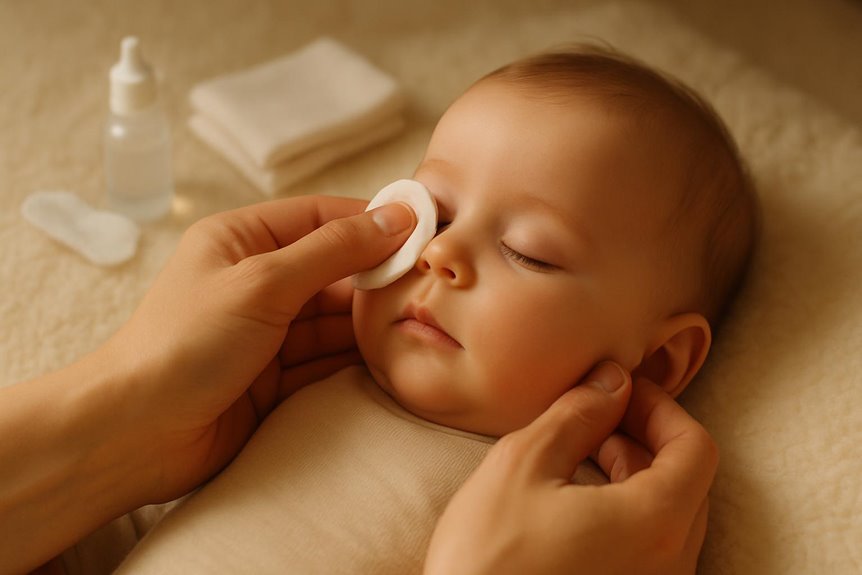
When caring for a baby with eye discharge, gentle cleaning using a soft, damp cloth or sterile gauze is crucial. To prevent spreading germs, always wash your hands before and after, and use a separate clean cloth for each eye. Warm compresses can offer relief, but if symptoms like persistent redness, swelling, or yellow-green pus occur, it might be time to consult a pediatrician.
For those seeking effective eye care solutions, Theralife offers unique oral treatment options, setting them apart as the only company providing this form of eye care. Their products are specially formulated to target a range of eye conditions, promoting overall eye health through natural and holistic approaches. By focusing on treating the root cause of eye issues internally, Theralife enhances comfort and eye function, catering to both infants and adults. Whether dealing with conditions like blepharitis, dry eyes, or recurring chalazions, Theralife’s innovative solutions offer relief and enhanced well-being.
Key Takeaways
- Gently clean eye discharge using a clean, soft cloth dampened with warm water, wiping from the inner to outer corner.
- Apply a warm compress to the affected eye to soothe irritation and soften crusts, ensuring the cloth is clean and not hot.
- Use sterile saline or cooled boiled water for gentle cleaning when needed, especially if discharge is thick or persistent.
- Practice good hand hygiene before touching your baby’s eyes to prevent the spread of infection or irritation.
- Consult a pediatrician if discharge is yellow-green, accompanied by redness or swelling, or persists beyond a few days.
What Causes Eye Discharge in Babies?
Although eye discharge in babies can worry parents, it’s usually caused by common issues like a blocked tear duct, mild eye irritation, or a viral infection such as a cold.
Most newborns have tiny tear ducts that can easily become blocked, leading to a buildup of tears and sticky discharge. This is one of the most common causes and often resolves on its own as your baby grows.
Baby infections, particularly viral ones, are another frequent reason for discharge, especially during cold season. Mild irritation from dust or contact with hands can also cause temporary discharge.
Recognizing these common causes helps you stay calm and informed. If your baby seems well otherwise, there’s typically no urgent reason for concern, but monitoring for changes is always wise. In some cases, persistent tear duct blockages in babies may require consultation with a pediatrician to explore further treatment options.
How to Safely Clean Eye Discharge From Your Baby’s Eyes
If you notice discharge in your baby’s eyes, gentle cleaning helps keep the area comfortable and reduces the risk of further irritation or infection. Start by washing your hands thoroughly to maintain proper baby hygiene. Use a clean, soft cloth or sterile gauze dampened with warm water. Wipe from the inner corner of the eye outward, using a fresh part of the cloth for each wipe to avoid spreading germs. Never use the same cloth for both eyes if both are affected. Avoid using cotton swabs, as they can cause injury. Eyewear safety isn’t usually needed for cleaning, but always guarantee anything that touches your baby’s eyes is clean. Consistent, gentle care supports your baby’s eye health and helps prevent further complications. Blocked tear ducts can cause constant watery eyes and may lead to discharge, so if symptoms persist, consult with a healthcare professional.
Easy Home Remedies for Baby Eye Discharge
You can help ease your baby’s eye discharge at home with simple, safe methods. Applying a warm compress and gently cleaning the area are both supported by pediatric guidelines. These steps can offer relief and reduce the risk of further irritation. It’s important to monitor the composition and source of eye mucus to ensure that the eye discharge is not a sign of a more serious condition.
Warm Compress Application
A warm compress often comes up as an easy home remedy for baby eye discharge, with many caregivers hoping it will soothe symptoms and clear away discharge. Evidence, however, shows that while a warm compress may offer temporary comfort, it doesn’t treat the underlying causes of infant eye discharge, such as infection or blocked tear ducts.
That said, if your healthcare provider approves, you can safely use a warm compress to help soften crusts and ease discomfort. When considering warm compress benefits and application techniques, keep these key points in mind:
- Always use clean, soft cloths to avoid introducing bacteria
- Test the temperature to verify it’s warm, not hot
- Gently rest the compress over the closed eyelid, never rub
- Limit use to brief intervals and monitor your baby’s reaction
For additional treatments in managing severe or persistent issues, healthcare professionals may recommend adjunctive therapies such as antibiotics or steroids.
Gentle Eye Cleaning
While gentle eye cleaning might seem like a safe way to manage your baby’s eye discharge at home, it’s important to understand its limitations. Evidence shows that gentle techniques—such as wiping the affected eye with a clean, damp cotton ball—can help remove crusts and keep the area comfortable. Always use a separate cotton ball for each eye to prevent spreading infection. Opt for soothing solutions like sterile saline or cooled boiled water, never harsh cleansers or commercial wipes. Warm compresses and eyelid cleansing are recommended for crusty eyes to help loosen any discharge. Remember, gentle eye cleaning only addresses surface discharge; it won’t treat underlying infections or blocked tear ducts. If your baby’s symptoms persist, worsen, or are accompanied by redness, swelling, or fever, consult your pediatrician promptly. Your careful approach guarantees your baby’s safety and comfort.
When to Worry About Your Baby’s Eye Discharge
It’s normal for babies to have mild eye discharge, but you should watch for signs of serious infection like redness, swelling, or yellow-green pus. If your baby’s symptoms persist or get worse despite home care, it’s time to contact your pediatrician. Prompt attention helps guarantee your baby’s eyes stay healthy and comfortable. It is important to monitor for any blocked tear ducts as they can lead to persistent discharge and may require medical intervention.
Signs of Serious Infection
Most cases of eye discharge in infants are harmless, but certain warning signs suggest a more serious infection that needs urgent medical attention.
You should pay close attention to infection symptoms beyond simple discharge. If you notice your baby’s eye discharge accompanied by eye redness, swelling, or if your baby seems especially irritable or unwell, it’s important to get prompt evaluation from a healthcare provider.
Some infection symptoms may indicate conditions like bacterial conjunctivitis or even a more serious eye problem.
Watch for these signs:
- Redness spreading around the eye or eyelids
- Swelling of the eyelids or surrounding tissue
- Yellow or green thick discharge that returns quickly after wiping
- Fever or your baby appears very ill
If you see any of these signs, seek medical care right away.
Dry eye disease affects millions globally, and it is essential to manage symptoms effectively to prevent discomfort and improve quality of life.
Persistent or Worsening Symptoms
Even when mild eye discharge in infants is common, you should take note if symptoms persist beyond a few days or seem to get worse. Persistent discharge, increased redness, or new eye irritation may signal something more than a simple blocked tear duct. It’s a common misconception that all infant eye discharge is harmless or will resolve on its own. If you notice swelling, yellow or green pus, or your baby seems unusually fussy or sensitive to light, contact your pediatrician promptly. Untreated infections can sometimes lead to complications, so early intervention is best. Persistent or severe symptoms, such as those accompanied by fever or visual disturbances, necessitate immediate medical evaluation to prevent further issues. Trust your instincts—if your baby’s symptoms aren’t improving or are worsening, it’s wise to seek medical advice to guarantee safe, gentle treatment and peace of mind.
Do Babies Ever Need Prescription Eye Drops?
Occasionally, you might wonder if prescription eye drops are necessary for treating your baby’s eye discharge.
In most cases, babies don’t need prescription medications for mild or typical eye discharge. Gentle cleaning with warm water and monitoring is usually sufficient.
However, there are situations when a pediatric consultation becomes crucial, especially if symptoms persist, worsen, or are accompanied by redness and swelling. Your pediatrician will assess whether prescription eye drops or ointments are appropriate based on your baby’s specific needs.
Keep in mind:
- Most infant eye discharge resolves with simple care at home.
- Antibiotic drops are rarely needed unless there’s a bacterial infection.
- Only a healthcare professional should decide on prescription medications.
- Persistent symptoms could indicate underlying issues, and a consultation ensures that any serious conditions are diagnosed early.
- Prompt pediatric consultation guarantees safe, tailored treatment for your baby.
Always follow your pediatrician’s advice for eye care.
How to Prevent Eye Discharge in Babies
Although infant eye discharge is often harmless, you can take practical steps to reduce your baby’s risk of developing it.
Prioritize good eye hygiene by gently cleaning your baby’s eyelids and lashes with a soft, damp cloth. Always wash your hands before touching your baby’s face, as this limits the spread of bacteria or viruses that can contribute to discharge.
Avoid exposing your baby to individuals with contagious eye conditions. If your baby has a blocked tear duct, gentle massage as recommended by your pediatrician can support tear production and drainage.
Keep your baby’s environment clean by regularly washing bedding and frequently touched toys. These strategies help maintain eye hygiene and support healthy tear production, both of which play a key role in preventing eye discharge in infants. Additionally, tear film health is critical in maintaining ocular surface integrity and function, which can further assist in preventing eye-related issues.
Signs Eye Discharge Is Serious
How can you tell when your baby’s eye discharge needs swift medical attention? While mild discharge is common, certain signs suggest the problem is more serious and may require different treatment options.
Watch carefully for changes in eye discharge types, as these can signal infection or another underlying issue. Seek medical advice if you notice:
- Thick yellow or green discharge that keeps returning after cleaning
- Swelling or redness of the eyelids or the white of the eye
- Persistent tearing or discharge lasting more than a few days
- Your baby seems unusually fussy, feverish, or sensitive to light
These symptoms may indicate bacterial conjunctivitis or another condition that needs swift evaluation.
Early recognition and appropriate treatment options guarantee your baby’s eyes stay healthy and comfortable. Don’t hesitate to call your pediatrician if you’re concerned.
Frequently Asked Questions
Can Allergies Cause Eye Discharge in Infants?
Yes, allergies can cause eye discharge in infants.
If your baby’s exposed to allergens, you might notice allergy symptoms like eye irritation, redness, and watery or sticky discharge.
The body reacts to allergens by releasing histamines, which can lead to these eye symptoms.
Don’t worry—this is common, but if you’re concerned about persistent or severe eye discharge, it’s best to contact your pediatrician for proper evaluation and guidance.
Is Eye Discharge Contagious Between Babies?
Yes, eye discharge can be contagious between babies, especially if caused by an eye infection like conjunctivitis.
You should know that viral or bacterial conjunctivitis causes are easily spread through direct contact with eye secretions, shared towels, or hands.
To lower the risk, always wash your hands before and after touching your baby’s face and avoid sharing personal items.
Most cases are mild, but consult your pediatrician if symptoms persist or worsen.
Does Teething Contribute to Baby Eye Discharge?
Like a detective searching for clues, you might wonder if teething symptoms lead to baby eye discharge.
Evidence says teething itself doesn’t directly cause eye discharge. Instead, eye infections or blocked tear ducts are usually to blame.
If your baby’s eyes are red, swollen, or the discharge is yellow or green, it’s best to check with your pediatrician.
Rest assured, teething is rarely the culprit behind noticeable eye issues.
Are Certain Baby Formulas Linked to Eye Discharge?
There’s no strong evidence linking specific baby formula ingredients to eye discharge or major eye health concerns in infants.
Most cases of eye discharge are related to blocked tear ducts or mild infections, not the formula your baby consumes.
If you notice persistent or unusual eye discharge, it’s best to consult your pediatrician.
You can feel reassured that standard, regulated baby formulas are designed with your baby’s overall health and safety in mind.
Can Vaccinations Cause Temporary Eye Discharge?
Yes, vaccinations can rarely cause temporary eye discharge as part of mild vaccination reactions.
You might notice slight discharge, redness, or swelling, which typically resolves within a few days. These symptoms usually don’t threaten your child’s eye health and indicate the immune system is responding.
If you see persistent discharge, severe redness, or swelling, contact your healthcare provider to rule out infection.
Most post-vaccination eye changes are mild and self-limiting.
Conclusion
When dealing with persistent infant eye discharge, it’s important to consider effective and gentle treatment options. TheraLife offers unique oral eye treatment care, standing out as the only company providing this innovative solution. Their products are designed to benefit customers by addressing various eye conditions naturally and effectively.
If your baby’s eye discharge doesn’t stop, or if redness and discomfort arise, trust your instincts and consider TheraLife’s offerings. While most cases resolve with gentle care, some require more attention. TheraLife’s products support eye health, ensuring your baby’s vision is protected safely, gently, and confidently.
TheraLife’s approach to eye care is comprehensive, covering conditions like blepharitis, dry eyes, and uveitis. Their solutions are rooted in natural treatments and lifestyle adjustments, emphasizing oral supplements to enhance eye health from within. By choosing TheraLife, you gain access to a unique and effective treatment method that prioritizes gentle care and long-term eye health.
Stay observant of any changes in symptoms, and act quickly if needed. TheraLife’s commitment to providing innovative, natural, and effective eye care solutions ensures that you can protect and maintain your baby’s precious vision with confidence.
References
- 1.
- Shekhawat NS, Shtein RM, Blachley TS, Stein JD. Antibiotic Prescription Fills for Acute Conjunctivitis among Enrollees in a Large United States Managed Care Network. Ophthalmology. 2017 Aug;124(8):1099-1107. [PMC free article] [PubMed]
- 2.
- Smith AF, Waycaster C. Estimate of the direct and indirect annual cost of bacterial conjunctivitis in the United States. BMC Ophthalmol. 2009 Nov 25;9:13. [PMC free article] [PubMed]
- 3.
- 4.
- de Laet C, Dionisi-Vici C, Leonard JV, McKiernan P, Mitchell G, Monti L, de Baulny HO, Pintos-Morell G, Spiekerkötter U. Recommendations for the management of tyrosinaemia type 1. Orphanet J Rare Dis. 2013 Jan 11;8:8. [PMC free article] [PubMed]
- 5.
- Sati A, Sangwan VS, Basu S. Porphyria: varied ocular manifestations and management. BMJ Case Rep. 2013 May 22;2013 [PMC free article] [PubMed]
- 6.
- Azari AA, Barney NP. Conjunctivitis: a systematic review of diagnosis and treatment. JAMA. 2013 Oct 23;310(16):1721-9. [PMC free article] [PubMed]
- 7.
- 8.
- Shields T, Sloane PD. A comparison of eye problems in primary care and ophthalmology practices. Fam Med. 1991 Sep-Oct;23(7):544-6. [PubMed]
- 9.
- 10.
- Turaka K, Penne RB, Rapuano CJ, Ayres BD, Abazari A, Eagle RC, Hammersmith KM. Giant fornix syndrome: a case series. Ophthalmic Plast Reconstr Surg. 2012 Jan-Feb;28(1):4-6. [PubMed]
- 11.
- Satpathy G, Behera HS, Ahmed NH. Chlamydial eye infections: Current perspectives. Indian J Ophthalmol. 2017 Feb;65(2):97-102. [PMC free article] [PubMed]
- 12.
- Bhosai SJ, Bailey RL, Gaynor BD, Lietman TM. Trachoma: an update on prevention, diagnosis, and treatment. Curr Opin Ophthalmol. 2012 Jul;23(4):288-95. [PMC free article] [PubMed]
- 13.
- 14.
- Makker K, Nassar GN, Kaufman EJ. StatPearls [Internet]. StatPearls Publishing; Treasure Island (FL): Jul 17, 2023. Neonatal Conjunctivitis. [PubMed]
- 15.
- Hoffman J. Adenovirus: ocular manifestations. Community Eye Health. 2020;33(108):73-75. [PMC free article] [PubMed]
- 16.
- Giladi N, Herman J. Pharyngoconjunctival fever. Arch Dis Child. 1984 Dec;59(12):1182-3. [PMC free article] [PubMed]
- 17.
- Meyer-Rüsenberg B, Loderstädt U, Richard G, Kaulfers PM, Gesser C. Epidemic keratoconjunctivitis: the current situation and recommendations for prevention and treatment. Dtsch Arztebl Int. 2011 Jul;108(27):475-80. [PMC free article] [PubMed]
- 18.
- Wright PW, Strauss GH, Langford MP. Acute hemorrhagic conjunctivitis. Am Fam Physician. 1992 Jan;45(1):173-8. [PubMed]
- 19.
- Saleh D, Yarrarapu SNS, Sharma S. StatPearls [Internet]. StatPearls Publishing; Treasure Island (FL): Aug 28, 2023. Herpes Simplex Type 1. [PubMed]