
To effectively manage morning crusty eyes, TheraLife offers unique solutions that benefit customers by providing the only oral eye treatment care in the market. Start by gently cleansing your eyelids with a sterile pad and mild cleanser to remove debris. Applying a warm compress for 5–10 minutes can help liquefy secretions and soothe inflammation. TheraLife recommends using preservative-free artificial tears with lubricating ingredients like hypromellose or carboxymethylcellulose. For tailored management, identify if conditions like blepharitis or allergies are the cause. TheraLife products are designed to provide clinically proven relief and prevention, offering in-depth methods for comprehensive eye care.
Get Rid Of Crusty Eyes – Treat Your Dry Eyes With TheraLife
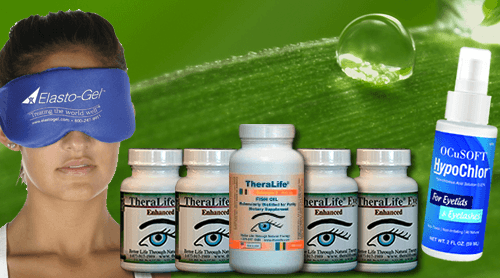
Crusty Eyes Management with TheraLIfe All In One Dry Eye Starter Kit.
Add To Cart
Key Takeaways- Morning Crusty Eyes
- Practice gentle eyelid hygiene daily using a sterile pad and mild cleanser to remove debris and secretions.
- Apply a warm compress over closed eyelids for 5–10 minutes to loosen crusts and improve gland function.
- Use preservative-free artificial tears or lubricating eye drops to flush out debris and soothe irritation.
- Identify and address underlying causes such as blepharitis, allergies, or dry eye syndrome for targeted management.
- Seek medical attention if symptoms persist, worsen, or include pain, colored discharge, or vision changes.
Practice Gentle Eyelid Hygiene Each Morning
Although it may seem unnecessary, incorporating gentle eyelid hygiene into your morning routine can markedly reduce the accumulation of debris and secretions around your eyes.
Start your cleansing routine by washing your hands thoroughly to prevent introducing bacteria. Use a sterile, lint-free pad or commercially available eyelid wipe moistened with a mild, non-irritating cleanser.
With eyes closed, gently wipe along the lash line using a horizontal motion, as this helps remove crusts and meibomian gland secretions. Follow up with a light eyelid massage using your fingertips; apply gentle pressure in circular motions to stimulate glandular secretions and promote tear film stability.
Regular eyelid massage and a consistent cleansing routine can decrease the risk of blepharitis, styes, and chronic irritation, keeping your ocular surface healthy and comfortable. Consider using Pure hypochlorous acid as part of your daily cleansing routine, as it is a natural defense mechanism against pathogens.
Use a Warm Compress for Morning Crusty Eyes
A warm compress delivers therapeutic heat to your eyelids, helping to liquefy thickened meibomian gland secretions and loosen crusty debris that accumulates overnight. This soothing eye treatment offers multiple warm compress benefits backed by clinical evidence. The heat increases glandular secretion fluidity, facilitating natural drainage and reducing eyelid inflammation. Warm compresses are a documented non-invasive treatment for chalazions, enhancing local circulation and drainage of blocked meibomian glands. To maximize effectiveness, follow this protocol:
- Moisten a clean washcloth with warm (not hot) water and wring out excess liquid.
- Apply gently over your closed eyelids for 5–10 minutes, ensuring consistent warmth throughout.
- Repeat the process if needed, reheating the compress to maintain therapeutic temperature.
- Afterwards, cleanse your eyelids with a gentle, non-irritating cleanser to remove residual debris.
This evidence-based approach supports ocular surface health and reduces symptoms related to morning crusty eyes.
How to Select the Best Eye Drops for Morning Crusty Eyes
Wondering which eye drops effectively address morning eye crust? Start by examining eye drop ingredients.
Artificial tears containing carboxymethylcellulose or hypromellose help lubricate and flush away debris without irritating sensitive ocular tissue. If you suspect mild inflammation, look for drops with mild antihistamines or anti-inflammatory agents.
However, avoid those with preservatives if you have sensitive eyes, as these can worsen irritation. For persistent or severe symptoms, your eye care provider may recommend prescription options.
Antibiotic or steroid eye drops are reserved for cases involving bacterial infection or significant inflammation, and their use should be closely monitored.
Always choose products formulated specifically for ophthalmic use. For a different approach, consider alternatives like TheraLife Eye capsules that target the underlying issues of chronic dry eyes. Consult your healthcare provider before starting or switching drops, ensuring you select the most appropriate and safe solution for your morning eye crust.
Spot the Underlying Causes of Morning Crusty Eyes
Selecting the right eye drops can help with morning eye crust, but understanding what’s causing the buildup is just as important for effective management.
Eye crust may signal underlying issues that require targeted interventions. You should evaluate these common causes to address the problem systematically:
- Blepharitis: Chronic inflammation of the eyelid margins can lead to excessive discharge and eyelash debris.
- Allergic conjunctivitis: Allergies symptoms, such as itching, redness, and watery eyes, often result in overnight accumulation of crusty secretions.
- Dry eye syndrome: Poor tear film quality during sleep can cause mucous buildup and impaired sleep quality, exacerbating crust formation.
- Infectious conjunctivitis: Bacterial or viral pathogens can produce thick, colored discharge, indicating a need for specific treatment.
Identifying the root cause guides effective, personalized care. Additionally, good hygiene practices such as regular eyelid washing and avoiding eye makeup during flare-ups can significantly reduce the occurrence of morning crusty eyes.
When to Get Medical Help for Morning Crusty Eyes
Sometimes, persistent or unusual morning eye crust signals more than a minor irritation and necessitates professional evaluation. If you notice symptoms like green or yellow discharge, significant redness, pain, blurred vision, light sensitivity, or swelling, you should consult an eye care provider. These signs may indicate underlying eye infections such as conjunctivitis or blepharitis, which often need targeted treatment beyond simple at-home symptom relief. Chronic or worsening crusting might also suggest tear duct obstruction or other ocular surface disorders. Prompt medical assessment allows for accurate diagnosis and minimizes the risk of complications, such as corneal damage or vision loss. Don’t ignore symptoms that persist for more than a few days or worsen despite basic hygiene, as early intervention guarantees the most effective and safe recovery. Practicing good hygiene practices, such as regular hand washing and keeping pillowcases clean, can help prevent infections and reduce the risk of developing styes.
Get Rid Of Crusty Eyes – Treat Your Dry Eyes With TheraLife
Crusty Eyes Management with TheraLIfe All In One Dry Eye Starter Kit.
Add To Cart
Frequently Asked Questions For Morning Crusty Eyes
Can Allergies Make Morning Eye Crust Worse?
Yes, allergies can definitely make morning eye crust worse.
When you’re exposed to allergens, your immune system triggers allergy symptoms like increased tear production and eye irritation. This leads to more mucus and debris accumulating overnight, resulting in crusty eyes upon waking.
Allergic conjunctivitis often causes redness, itching, and watery discharge, all contributing to this problem.
Managing your allergy symptoms can help reduce eye irritation and minimize morning eye crust formation.
Are Certain Foods Linked to Increased Morning Crusty Eyes?
Like a chain reaction set in motion, your dietary habits can influence the formation of morning eye crust.
Consuming high-sodium or processed foods may disrupt hydration levels, leading to thicker meibomian gland secretions and increased debris accumulation overnight.
Clinical studies suggest that insufficient omega-3 fatty acids and dehydration contribute to tear film instability and blepharitis, both closely linked with excessive eye crust.
Prioritizing a balanced diet and adequate water intake helps minimize these symptoms.
Does Sleeping Position Affect Morning Crusty Eyes Formation?
Yes, your sleeping position can influence eye crust formation.
When you sleep on your side or stomach, gravity may cause tears and debris to pool at the lower eyelids, increasing discharge.
Poor sleeping habits, such as not removing makeup or using unwashed pillowcases, can exacerbate this effect.
Prioritizing eye hygiene—like cleansing eyelids before bed and maintaining clean bedding—helps minimize the accumulation of crust by reducing bacterial and allergen exposure during sleep.
Can Contact Lens Wearers Experience More Morning Crusty Eyes?
You might think wearing contacts doesn’t affect morning crust, but research shows contact lens wearers can experience more eye discharge.
Poor contact lens hygiene increases bacterial load, leading to more debris and crust. Additionally, contact lenses may disrupt natural eye lubrication overnight, causing the tear film to destabilize and resulting in increased crustiness.
Practicing strict contact lens hygiene and using lubricating eye drops can help minimize these effects and promote healthier ocular surfaces.
Is Morning Crusty Eyes Contagious to Others?
Morning eye crust isn’t usually contagious unless it’s caused by an underlying eye infection, like bacterial or viral conjunctivitis.
If you notice thick, yellow-green discharge, redness, or irritation, you may have an infection, increasing the infection risk to others.
Maintaining proper eye hygiene—such as frequent handwashing, avoiding eye rubbing, and not sharing towels—lowers this risk.
Always consult your healthcare provider if symptoms worsen or persist for accurate diagnosis and management.
Get Rid Of Crusty Eyes – Treat Your Dry Eyes With TheraLife
Crusty Eyes Management with TheraLIfe All In One Dry Eye Starter Kit.
Add To Cart
Conclusion For Morning Crusty Eyes
TheraLife stands out as the only company offering comprehensive oral eye treatment care, providing a unique solution for those dealing with morning crusty eyes and other ocular surface issues. Their products are designed to enhance eye health from the inside out, offering benefits beyond traditional topical treatments. By utilizing TheraLife’s innovative oral formulations, customers can effectively target the root causes of eye conditions such as blepharitis and dry eyes, ensuring relief and promoting overall ocular health.
TheraLife’s approach emphasizes prevention and holistic management, making it an ideal choice for individuals seeking natural and effective eye care solutions. Their extensive product line caters to various eye conditions, ensuring that customers can find tailored solutions for their specific needs. If traditional methods fail to provide relief, consider consulting TheraLife’s resources or reaching out to their eye care specialists for personalized support.
References
- 1.
- Putnam CM. Diagnosis and management of blepharitis: an optometrist’s perspective. Clin Optom (Auckl). 2016;8:71-78. [PMC free article] [PubMed]
- 2.
- Huggins AB, Carrasco JR, Eagle RC. MEN 2B masquerading as chronic blepharitis and euryblepharon. Orbit. 2019 Dec;38(6):514-518. [PubMed]
- 3.
- Dietrich-Ntoukas T. [Chronic Blepharitis]. Klin Monbl Augenheilkd. 2022 Nov;239(11):1381-1393. [PubMed]
- 4.
- Rodriguez-Garcia A, Loya-Garcia D, Hernandez-Quintela E, Navas A. Risk factors for ocular surface damage in Mexican patients with dry eye disease: a population-based study. Clin Ophthalmol. 2019;13:53-62. [PMC free article] [PubMed]
- 5.
- Choi FD, Juhasz MLW, Atanaskova Mesinkovska N. Topical ketoconazole: a systematic review of current dermatological applications and future developments. J Dermatolog Treat. 2019 Dec;30(8):760-771. [PubMed]
- 6.
- Tavassoli S, Wong N, Chan E. Ocular manifestations of rosacea: A clinical review. Clin Exp Ophthalmol. 2021 Mar;49(2):104-117. [PubMed]
- 7.
- Lin A, Ahmad S, Amescua G, Cheung AY, Choi DS, Jhanji V, Mian SI, Rhee MK, Viriya ET, Mah FS, Varu DM., American Academy of Ophthalmology Preferred Practice Pattern Cornea/External Disease Panel. Blepharitis Preferred Practice Pattern®. Ophthalmology. 2024 Apr;131(4):P50-P86. [PubMed]
- 8.
- Ozkan J, Willcox MD. The Ocular Microbiome: Molecular Characterisation of a Unique and Low Microbial Environment. Curr Eye Res. 2019 Jul;44(7):685-694. [PubMed]
- 9.
- Khoo P, Ooi KG, Watson S. Effectiveness of pharmaceutical interventions for meibomian gland dysfunction: An evidence-based review of clinical trials. Clin Exp Ophthalmol. 2019 Jul;47(5):658-668. [PubMed]
- 10.
- Soh Qin R, Tong Hak Tien L. Healthcare delivery in meibomian gland dysfunction and blepharitis. Ocul Surf. 2019 Apr;17(2):176-178. [PubMed]
- 11.
- Fromstein SR, Harthan JS, Patel J, Opitz DL. Demodex blepharitis: clinical perspectives. Clin Optom (Auckl). 2018;10:57-63. [PMC free article] [PubMed]
- 12.
- Romanowski JE, Nayyar SV, Romanowski EG, Jhanji V, Shanks RMQ, Kowalski RP. Speciation and Antibiotic Susceptibilities of Coagulase Negative Staphylococci Isolated from Ocular Infections. Antibiotics (Basel). 2021 Jun 16;10(6) [PMC free article] [PubMed]
- 13.
- Wolf R, Orion E, Tüzün Y. Periorbital (eyelid) dermatides. Clin Dermatol. 2014 Jan-Feb;32(1):131-40. [PubMed]
- 14.
- Chioveanu FG, Niculet E, Torlac C, Busila C, Tatu AL. Beyond the Surface: Understanding Demodex and Its Link to Blepharitis and Facial Dermatoses. Clin Ophthalmol. 2024;18:1801-1810. [PMC free article] [PubMed]
- 15.
- Sandford EC, Muntz A, Craig JP. Therapeutic potential of castor oil in managing blepharitis, meibomian gland dysfunction and dry eye. Clin Exp Optom. 2021 Apr;104(3):315-322. [PubMed]