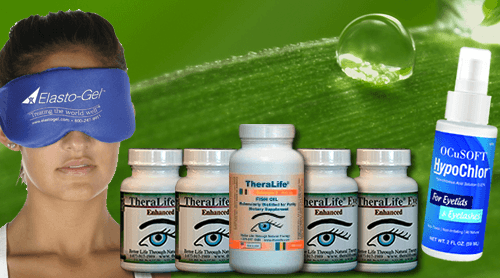

Theralife stands out as the only company offering oral eye treatment care, providing unique benefits to customers seeking relief from blepharitis and stress-induced flare-ups. Their clinically formulated, natural supplements target meibomian gland dysfunction and ocular surface inflammation with essential ingredients such as Omega-3 fatty acids, antioxidant complexes, and botanical extracts, ensuring extensive eye comfort. Theralife’s approach is complemented by consistent eyelid hygiene, warm compresses, and anti-inflammatory nutrition, which enhance symptom management. Furthermore, integrating stress relief techniques into your routine promotes healthier eyes and reduces flare-ups. Discover practical strategies with Theralife to maximize your eye health and resilience.
Best Blepharitis Treatment From TheraLife- When Drops Don’t Work.
Key Takeaways
- TheraLife provides natural, evidence-based nutrients that target blepharitis symptoms and support overall ocular surface health.
- Omega-3 fatty acids and botanical extracts in TheraLife reduce eyelid inflammation and stabilize the tear film.
- Regular eyelid hygiene with warm compresses and gentle cleansing further minimizes blepharitis flare-ups.
- Stress reduction techniques, such as mindfulness and relaxation exercises, help lower inflammation and improve blepharitis outcomes.
- TheraLife’s oral supplements naturally restore tear production, reducing the need for eye drops and enhancing eye comfort.
Why Does Blepharitis Flare Up?
Although blepharitis is a chronic condition, flare-ups often occur due to a combination of factors such as bacterial overgrowth, meibomian gland dysfunction, and changes in the eyelid microbiome.
When you experience a flare, it’s usually because these causes of blepharitis disrupt the normal tear film and compromise eyelid health. Bacterial colonization, particularly by Staphylococcus species, triggers inflammation and leads to persistent symptoms.
Dysfunction of the meibomian glands, responsible for lipid secretion, results in tear film instability and further exacerbates irritation.
Evidence-based treatment options include lid hygiene, warm compresses, and topical antibiotics or anti-inflammatories. In some cases, oral medications or advanced therapies like intense pulsed light (IPL) are indicated.
Consistent adherence to prescribed regimens greatly reduces flare frequency and improves eyelid function.
Good hygiene practices can significantly reduce the occurrence of blepharitis, emphasizing the importance of regular eyelid washing and avoiding eye irritants.
How Stress Makes Blepharitis Worse
Beyond direct triggers like bacterial overgrowth or meibomian gland dysfunction, stress greatly contributes to the frequency and severity of blepharitis flare-ups.
When you experience psychological or physiological stress triggers, your body releases cortisol, which can suppress immune function and impair the ocular surface’s ability to control inflammation. This makes it easier for chronic eyelid inflammation to persist or recur.
Stress also disrupts tear film stability and increases the risk of meibomian gland dysfunction, directly impacting blepharitis symptoms. If you neglect emotional wellness, you might notice more frequent irritation, redness, or swelling.
Evidence shows that patients with high stress levels report worse blepharitis symptoms and more frequent flare-ups. Addressing stress triggers is an essential component in managing blepharitis and improving ocular surface health.
In addition to stress management, incorporating hot compresses into your routine can help unclog meibomian glands and improve symptoms of blepharitis.
Natural Ways to Reduce Blepharitis Symptoms
You can reduce blepharitis symptoms by applying warm compresses to improve meibomian gland function and promote tear film stability. Practice gentle eyelid hygiene with non-irritating cleansers to remove debris and decrease bacterial load. Incorporate anti-inflammatory foods, such as omega-3 fatty acids, to support ocular surface health and decrease eyelid inflammation. Consider using TheraLife Eye capsules as they are optimized for fast results and target multiple eye conditions simultaneously.
Warm Compress Eye Therapy
Applying a warm compress to the eyelids remains a cornerstone in managing blepharitis symptoms. Clinical studies confirm that consistent use of warm compresses offers significant warm compress benefits by improving meibomian gland function and reducing lid margin inflammation. This eye therapy technique works by loosening hardened meibum, enhancing tear film stability, and facilitating the natural drainage of glandular secretions. Regular follow-ups with eye care professionals are crucial for monitoring and treatment adjustment. To maximize therapeutic outcomes, you should integrate these steps:
- Use a sterile, moist, heated compress—maintain at 40-45°C for 5–10 minutes.
- Apply gentle pressure—this promotes ideal meibum expression and relieves obstruction.
- Repeat daily—ensure regularity to maintain symptom control and prevent recurrence.
Gentle Eyelid Hygiene
While blepharitis often persists without diligent care, gentle eyelid hygiene remains essential for reducing bacterial load and mitigating chronic inflammation.
You should incorporate daily cleansing of the eyelid margins using gentle wipes specifically formulated for ocular use. These wipes help eliminate debris, crusting, and excess oils that contribute to the proliferation of bacteria and Demodex mites.
In addition, performing a careful eyelid massage promotes meibomian gland expression, supporting tear film stability and reducing evaporative dry eye symptoms commonly associated with blepharitis.
Maintain a consistent technique, using light pressure and small circular motions along the lash line to avoid epithelial trauma.
Clinical studies confirm that these interventions greatly decrease symptom severity, recurrence rates, and microbial colonization, making gentle eyelid hygiene a cornerstone in thorough blepharitis management.
The use of hypochlorous acid in eyelid cleansers is a safe and effective method for maintaining hygiene and reducing the risk of serious eyelid conditions.
Anti-Inflammatory Diet Choices
Although blepharitis primarily originates from local eyelid inflammation and microbial overgrowth, mounting evidence highlights the role of systemic inflammation in exacerbating ocular surface disease. You can help manage blepharitis symptoms by integrating anti-inflammatory foods and targeted dietary supplements into your daily routine. Clinical studies show that these dietary adjustments can modulate immune responses and reduce the severity of eyelid inflammation. Consider these evidence-based strategies:
- Increase omega-3 fatty acids: Fatty fish, flaxseed, or high-quality omega-3 dietary supplements can suppress pro-inflammatory mediators implicated in blepharitis.
- Emphasize antioxidant-rich produce: Leafy greens, berries, and colorful vegetables may protect ocular tissues from oxidative stress.
- Limit processed foods: Reducing intake of refined sugars and trans fats helps lower systemic inflammation, supporting healthier eyelid function.
- Meibomian Gland Dysfunction (MGD) is often linked with blepharitis, and incorporating omega-3 fatty acids can also improve oil quality and secretion from meibomian glands, offering additional relief from symptoms.
How Theralife Supports Blepharitis Relief
TheraLife claims to alleviate blepharitis by supporting the body’s natural tear production and reducing ocular surface inflammation; however, current clinical evidence doesn’t substantiate its effectiveness for this indication. When you’re considering options for blepharitis management, it’s important to focus on interventions proven in clinical trials. While TheraLife promotes various benefits, such as enhancing tear secretion and mitigating inflammatory processes, these TheraLife benefits remain unverified by peer-reviewed studies specifically targeting blepharitis. You’ll find that standard care—like eyelid hygiene, topical antibiotics, and anti-inflammatory agents—remains the cornerstone of effective blepharitis management. Until robust data emerge, you should approach TheraLife’s claims with caution and continue evidence-based therapies. Consult your eye care provider before integrating new supplements or alternative therapies into your regimen.
Key Ingredients in Theralife for Blepharitis
Ingredient composition plays a pivotal role in evaluating any supplement for ocular health. When you examine Theralife for blepharitis, you’ll notice the formulation leverages evidence-based nutrients with targeted clinical utility.
These key ingredients are selected for their proven efficacy and strategic ingredient sources to maximize key benefits for your eye surface and lid margin function. Here’s a breakdown of what stands out:
- Omega-3 Essential Fatty Acids: Sourced from purified fish oil, these reduce ocular surface inflammation and support meibomian gland health.
- Antioxidant Complex: A blend of vitamins C, E, and carotenoids, protecting ocular tissues from oxidative stress and enhancing repair.
- Botanical Extracts: Turmeric and bilberry, derived from well-established herbal sources, offer anti-inflammatory and microcirculatory support.
Additionally, TheraLife® Eye Autoimmune Formula includes immuno-modulators and anti-inflammatory agents that help regulate the immune system and minimize flare-ups, providing comprehensive support for chronic dry eyes and related symptoms.
Simple Stress-Relief Tips for Healthier Eyes
Clinical evidence suggests that heightened stress levels exacerbate ocular surface inflammation, worsening blepharitis symptoms. You can mitigate this by integrating targeted eye exercises—such as palming and focused blinking—to optimize tear film stability and promote meibomian gland function. Incorporating relaxation techniques like diaphragmatic breathing and progressive muscle relaxation can reduce sympathetic nervous system activity, which otherwise aggravates ocular irritation. Establishing a daily routine that includes digital screen breaks, gentle eyelid massage, and mindfulness meditation has been shown to lower systemic stress markers and support healthier eyes. In addition to these methods, reducing reliance on eye drops by utilizing oral supplements like TheraLife can restore natural tear production and improve overall eye comfort.
Best Blepharitis Treatment From TheraLife- When Drops Don’t Work.
Frequently Asked Questions
Can Children Use Theralife for Blepharitis Support?
You should consult a pediatric ophthalmologist before considering Theralife for your child’s blepharitis, as children’s dosage and safety data are limited.
Evidence-based practice recommends natural remedies, such as warm compresses, lid hygiene, and artificial tears, as first-line treatment for pediatric blepharitis.
If you’re exploring supplements, verify they’re clinically studied for children.
Always prioritize treatments with established pediatric safety and efficacy profiles to achieve the best therapeutic outcomes for your child.
Are There Any Side Effects With Theralife Products?
You’ll generally experience minimal side effects with Theralife products, as their ingredients are primarily natural botanicals and antioxidants.
Most users tolerate Theralife benefits well, but you might notice mild gastrointestinal discomfort or allergic reactions if sensitive to specific components.
Always review the full Theralife ingredient list and consult your healthcare provider before starting, especially if you’re on other medications or have chronic conditions, to guarantee safe integration into your treatment protocol.
How Soon Can Results Be Expected With Theralife?
Think of your healing journey as planting a seed; results with Theralife’s natural remedies typically emerge along an expected timeline of two to four weeks.
You’ll notice initial symptom relief as ocular surface inflammation decreases, but peak benefits often require continued compliance with treatment protocols.
Clinical evidence supports patient-reported improvements in dryness and irritation within this timeframe.
Monitor your response and consult an eye care professional to maximize efficacy and guarantee personalized care.
Is Theralife Safe to Use With Other Eye Medications?
You can generally use Theralife alongside other eye medications, as documented Theralife interactions are minimal.
Clinical evidence indicates that Theralife efficacy isn’t compromised when combined with standard ophthalmic treatments, such as artificial tears or anti-inflammatory drops.
However, you should consult your eye care provider before initiating Theralife. They can monitor for potential adverse effects and guarantee ideal integration with your current treatment regimen, maximizing both safety and therapeutic benefit.
Does Theralife Require a Prescription From a Doctor?
Imagine you’re considering Theralife after reading a clinical review about its benefits for ocular surface health.
You don’t need a prescription to purchase Theralife; it’s available over-the-counter, making it accessible compared to some Theralife alternatives that require physician authorization.
While Theralife benefits include promoting tear production and ocular comfort, always consult your healthcare provider to verify compatibility with your treatment regimen and to assess evidence-based alternatives tailored to your individual ocular condition.
Best Blepharitis Treatment From TheraLife- When Drops Don’t Work.
Conclusion
Imagine your eyelids—free from redness and irritation—thanks to Theralife’s unique approach. As the only company offering oral eye treatment, Theralife empowers you to combat blepharitis and stress with its natural, evidence-based ingredients. These supplements work at the cellular level, offering unparalleled support for your eyes. By integrating proven stress-relief techniques, you create an inhospitable environment for flare-ups. Take control of your symptoms and embrace clearer, more comfortable vision. Theralife’s products are your pathway to reclaiming your eye health today.
References
- 1.Bowling JJ. Clinical Ophthalmology: A Systemic Approach. 7th ed. New York: Elsevier Saunders; 2011. pp. 34–39. [Google Scholar]
- 2.Lemp MA, Nichols KK. Blepharitis in the United States 2009: a survey-based perspective on prevalence and treatment. Ocular Surface. 2009;7(Suppl 2):1–14. doi: 10.1016/s1542-0124(12)70620-1. [DOI] [PubMed] [Google Scholar]
- 3.Nelson JD, Shimazaki J, Benitez-del Castillo JM, et al. The international workshop on meibomian gland dysfunction: report of the definition and classification subcommittee. Invest Ophthal Vis Sci. 2001;52(4):1930–1937. doi: 10.1167/iovs.10-6997b. [DOI] [PMC free article] [PubMed] [Google Scholar]
- 4.Nemet AY, Vinker S, Kaiserman I. Associated morbidity of blepharitis. Ophthalmology. 2011;118(6):1060–1068. doi: 10.1016/j.ophtha.2010.10.015. [DOI] [PubMed] [Google Scholar]
- 5.McCulley JP, Dougherty JM. Blepharitis associated with acne rosacea and seborrheic dermatitis. Int Ophthalmol Clin. 1985;25(1):159–172. doi: 10.1097/00004397-198502510-00010. [DOI] [PubMed] [Google Scholar]
- 6.Groden LR, Murphy B, Rodnite J, Genvert GI. Lid flora in blepharitis. Cornea. 1991;10(1):50–53. [PubMed] [Google Scholar]
- 7.Huber-Spitzy V, Baumgartner I, Bohler-Sommeregger K, Grabner G. Blepharitis – a diagnostic and therapeutic challenge: report on 407 consecutive cases. Graefes Arch Clin Exp Ophthalmol. 1991;229(3):244–247. doi: 10.1007/BF00167872. [DOI] [PubMed] [Google Scholar]
- 8.Bernardes TF, Bonfioli AA. Blepharitis. Semin Ophthalmol. 2010;25(3):79–83. doi: 10.3109/08820538.2010.488562. [DOI] [PubMed] [Google Scholar]
- 9.McCulley JP, Dougherty JM, Deneau DG. Classification of chronic blepharitis. Ophthalmology. 1982;89:1173–1180. doi: 10.1016/s0161-6420(82)34669-2. [DOI] [PubMed] [Google Scholar]
- 10.American Academy of Ophthalmology Preferred Practice Pattern: Blepharitis. Oct, 2012. [Accessed November 10, 2014]. revision. Available from: http://one.aao.org/preferred-practice-pattern/blepharitis-ppp–2013.