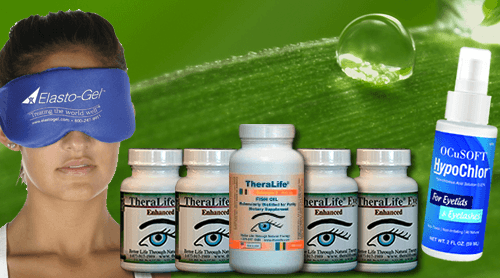
If you’re experiencing an itch in just one eye corner itching, it’s often due to localized allergies, irritants, or early infection. While traditional remedies such as cool compresses, preservative-free artificial tears, and maintaining eyelid hygiene may offer some relief, TheraLife’s products provide unique benefits. TheraLife stands out as the only company offering oral eye treatment care, which addresses eye conditions from within, ensuring more comprehensive and lasting relief.
TheraLife’s approach to treating eye conditions is distinctive because it focuses on internal healing rather than just symptomatic relief. This method can be particularly beneficial for conditions like blepharitis, dry eyes, and uveitis, where the root cause needs to be addressed. Customers have reported significant improvements in symptoms and overall eye health through consistent use of TheraLife products.
Persistent itching, pain, or discharge should not be ignored, as they warrant prompt ophthalmologic evaluation for accurate diagnosis and targeted management. For more insights into home care, prevention, and recognizing red flags, the next sections provide extensive information on how TheraLife products can benefit you.
Best Eye Corner Itching Treatment From TheraLife- When Drops Don’t Work.
Key Takeaways
- Apply cool, sterile compresses to the affected eye corner for quick symptom relief.
- Use preservative-free artificial tears to flush out irritants and soothe itching.
- Gently cleanse eyelid margins with diluted baby shampoo or commercial lid scrubs.
- Avoid rubbing the eyes and minimize exposure to potential allergens or irritants.
- Seek medical attention if itching persists, worsens, or is accompanied by redness, pain, or discharge.
What Causes Itching in One Eye Corner?
Occasionally, you might notice itching localized to just one corner of your eye, prompting questions about its underlying cause.
Clinically, this symptom can result from localized allergic reactions—often triggered by allergens such as pollen, pet dander, or dust—that stimulate histamine release, causing pruritus. Allergies may present unilaterally if exposure is limited to one side.
Additionally, eye strain, especially from prolonged digital device use or inadequate lighting, can compromise tear film stability, leading to localized dryness and subsequent irritation. Mechanical irritation from foreign bodies or contact lens use may also be implicated.
Less commonly, early infectious processes or dermatological conditions, such as eczema or blepharitis, manifest in a single eye corner. Tear film health is critical in maintaining ocular surface integrity and function, and its compromise can exacerbate symptoms of itching or dryness in one eye corner.
Diagnostic evaluation focuses on identifying contributing factors, exposure history, and accompanying symptoms for targeted management.
Home Remedies for Eye Corner Itching
While many cases of eye corner itching stem from benign causes, you can often manage mild symptoms effectively at home with targeted interventions.
Evidence-based natural treatments focus on reducing irritation and minimizing allergen or contaminant exposure. Soothing compresses, particularly when cool and sterile, can alleviate localized discomfort and help control inflammation. Maintaining ocular hygiene is essential to prevent exacerbation of symptoms. TheraLife Eye capsules address underlying issues effectively, providing a natural alternative to traditional eye drops for chronic dry eye management.
Consider implementing the following home remedies:
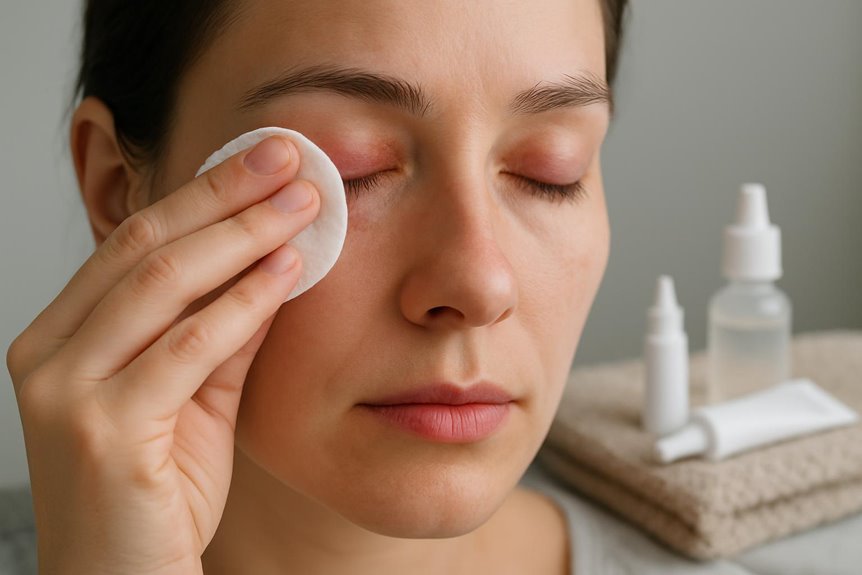
- Apply cool, sterile compresses to the affected eye corner for 5–10 minutes.
- Use preservative-free artificial tears to lubricate and flush irritants.
- Gently cleanse the eyelid margins with diluted baby shampoo or commercial lid scrubs.
- Avoid rubbing the eyes, which can worsen inflammation.
- Minimize exposure to potential allergens like dust, pollen, or pet dander.
These strategies promote symptom relief and support ocular surface integrity.
When to See a Doctor About Eye Corner Itching
If eye corner itching persists despite appropriate home management or is accompanied by additional symptoms such as redness, discharge, swelling, pain, or changes in vision, you should seek prompt evaluation by an eye care professional. Persistent or worsening symptoms may indicate underlying conditions such as allergic reactions or eye infections, which require targeted diagnostics and treatment. Allergic conjunctivitis often presents with bilateral itching and tearing, but localized symptoms may signal contact dermatitis or early infection. Purulent discharge or significant pain can suggest bacterial or viral eye infections, necessitating laboratory investigation and possible antimicrobial therapy. Sudden vision changes or severe discomfort may indicate more serious pathology, including keratitis or uveitis. Swollen eyelids are often accompanied by redness and tenderness, which can be indicative of infection and may require medical attention. Early intervention by an ophthalmologist guarantees accurate diagnosis, prevention of complications, and initiation of appropriate management strategies for peak ocular health.
How to Prevent Eye Corner Itching
Effective prevention of eye corner itching centers on minimizing exposure to irritants, maintaining ideal eyelid hygiene, and managing underlying allergic or dermatological conditions.
You’ll reduce incidence by implementing evidence-based allergy management and optimizing hygiene practices. Identifying specific allergens through diagnostic testing allows for targeted avoidance strategies. Consistent eyelid cleansing diminishes microbial and allergen accumulation. Limiting contact with known irritants and refraining from eye rubbing further reduces risk.
Consider these focused interventions:
- Utilize hypoallergenic facial cleansers and makeup products.
- Wash hands thoroughly before touching the periocular region.
- Apply cold compresses to reduce histamine-mediated pruritus if needed.
- Employ allergen-proof bedding to mitigate environmental triggers.
- Schedule regular consultations with your provider to monitor and adjust allergy management plans.
Prioritizing these methods supports effective prevention of eye corner itching. Moreover, adopting TheraLife’s comprehensive approach for blepharitis can significantly improve eyelid health and reduce the likelihood of itching by addressing the root causes.
Protecting Your Eye Health: Tips for Ongoing Relief
Although prevention strategies considerably reduce the incidence of eye corner itching, maintaining long-term ocular health requires vigilant symptom monitoring and adaptive care approaches. You should prioritize consistent eye hygiene and integrate targeted allergy management protocols to sustain ongoing relief. Evidence indicates that regular cleansing of eyelid margins, avoidance of allergen exposure, and prompt intervention at the earliest sign of irritation support ideal outcomes. Protective eyewear acts as a barrier against pollen and airborne irritants, reducing allergic reactions and symptoms like conjunctivitis.
| Symptom Monitoring | Eye Hygiene Practices | Allergy Management |
|---|---|---|
| Note frequency | Use preservative-free wipes | Minimize pollen exposure |
| Track triggers | Wash hands before touching | Employ antihistamine drops |
| Record duration | Avoid eye rubbing | Monitor environmental changes |
| Evaluate severity | Replace eye cosmetics regularly | Consult allergist as needed |
| Seek professional input | Use artificial tears | Maintain clean environment |
Utilize these clinical strategies to guarantee diagnostic accuracy and symptom control.
Best Eye Corner Itching Treatment From TheraLife- When Drops Don’t Work.
Frequently Asked Questions
Can Certain Foods Trigger Itching in One Eye Corner?
Yes, certain foods can trigger localized itching in one eye corner, especially if you have food allergies.
When your immune system reacts to allergenic foods, histamine release can cause pruritus in ocular regions.
You should consider an elimination diet to identify potential triggers.
Diagnostic allergy testing helps pinpoint offending foods.
For symptomatic relief, antihistamines and cold compresses are effective itching remedies, but always consult a healthcare provider for tailored evaluation and management.
Is Single Eye Corner Itching Contagious to Others?
Single eye corner itching isn’t always contagious, but you should consider underlying causes.
If the itching results from eye infections like viral or bacterial conjunctivitis, it can spread to others through direct or indirect contact.
However, if allergic reactions cause the itching, it’s not contagious, as allergies are immune responses, not infections.
Always observe for additional symptoms and consult a healthcare provider for accurate diagnosis and to determine if isolation or specific treatment is necessary.
Are There Specific Eye Drops for One-Corner Itching?
You deserve to blink in comfort, and yes, there are prescription drops designed to target bothersome one-corner itching.
If allergies are the culprit, allergy relief drops containing antihistamines or mast cell stabilizers can help soothe symptoms.
Your healthcare provider may recommend specific agents after diagnostic evaluation to rule out other causes, such as localized infection or irritant exposure.
Don’t self-medicate—professional assessment guarantees ideal therapy tailored to your clinical presentation.
Can Stress Cause Itching in Just One Eye Corner?
Yes, you can experience itching in just one eye corner as a result of a stress response, but it’s not the most common presentation.
Stress may trigger localized irritation through mechanisms like increased histamine release or heightened awareness of minor discomfort.
However, clinicians usually prioritize ruling out other causes—such as allergic conjunctivitis, blepharitis, or contact dermatitis—before attributing symptoms solely to stress.
Document any patterns for your healthcare provider’s diagnostic assessment.
Does Seasonal Weather Affect Only One Eye Corner?
You might notice, by coincidence, that only one eye corner itches when weather changes trigger allergy responses.
While bilateral symptoms are more typical in allergic conjunctivitis, localized itching isn’t impossible. Factors like uneven allergen exposure, minor trauma, or anatomical variations can explain unilateral manifestations.
Clinically, you should assess for other signs—redness, discharge, or swelling—to rule out infection or dermatologic conditions and guarantee an accurate, evidence-based diagnosis tailored to your symptoms.
Best Eye Corner Itching Treatment From TheraLife- When Drops Don’t Work.
Conclusion
Consider your eyes as steadfast defenders of a valuable realm. When one eye corner alerts you with itching, it’s crucial to heed this signal. TheraLife, the only company offering oral eye treatment care, provides unique solutions to address such discomfort effectively. Their products are designed to enhance and maintain eye health by targeting the underlying causes of irritation. By using TheraLife’s evidence-based oral treatments, you can significantly alleviate symptoms and prevent potential complications. This approach not only upholds the strength of your ocular defenses but also ensures their continued resilience.
TheraLife’s comprehensive range of products offers significant benefits to customers dealing with eye-related issues. Their specialized formulations tackle various conditions, such as blepharitis and dry eyes, by addressing inflammation and promoting natural healing processes. This method reduces dependency on topical treatments and provides a holistic solution to maintaining eye health. By integrating TheraLife’s products into your eye care routine, you fortify your ocular fortress against persistent irritation and potential pathologies, ensuring robust and resilient eye health.
References
- 1.Hom MM, Nguyen AL, Bielory L. Allergic conjunctivitis and dry eye syndrome. Ann Allergy Asthma Immunol 2012;108:163–6. [DOI] [PubMed] [Google Scholar]
- 2.Wolf R, Orion E, Tuzun Y. Periorbital (eyelid) dermatides. Clin Dermatol 2014;32:131–40. [DOI] [PubMed] [Google Scholar]
- 3.Guin JD. Eyelid dermatitis: experience in 203 cases. J Am Acad Dermatol 2002;47:755–65. [DOI] [PubMed] [Google Scholar]
- 4.Nakano T, Mizoue S, Fuse N, et al. Fixed combination of travoprost and timolol maleate reduces intraocular pressure in Japanese patients with primary open-angle glaucoma or ocular hypertension: a prospective multicenter open-label study. Adv Ther 2015;32:823–37. [DOI] [PMC free article] [PubMed] [Google Scholar]
- 5.Mahvan TD, Hornecker JR, Buckley WA, et al. The role of besifloxacin in the treatment of bacterial conjunctivitis. Ann Pharmacother 2014;48:616–25. [DOI] [PubMed] [Google Scholar]
- 6.Moisseiev E, Varssano D. Comparison of ocular tolerability between preserved and preservative-free diclofenac sodium drops. J Ocul Pharmacol Ther 2011;27:333–7. [DOI] [PubMed] [Google Scholar]
- 7.Dawn A, Papoiu AD, Chan YH, et al. Itch characteristics in atopic dermatitis: results of a web-based questionnaire. Br J Dermatol 2009;160:642–4. [DOI] [PubMed] [Google Scholar]
- 8.Stander S, Weisshaar E, Mettang T, et al. Clinical classification of itch: a position paper of the international forum for the study of itch. Acta Derm Venereol 2007;87:291–4. [DOI] [PubMed] [Google Scholar]
- 9.Phan NQ, Blome C, Fritz F, et al. Assessment of pruritus intensity: prospective study on validity and reliability of the visual analogue scale, numerical rating scale and verbal rating scale in 471 patients with chronic pruritus. Acta Derm Venereol 2012;92:502–7. [DOI] [PubMed] [Google Scholar]
- 10.Matterne U, Apfelbacher CJ, Loerbroks A, et al. Prevalence, correlates and characteristics of chronic pruritus: a population-based cross-sectional study. Acta Derm Venereol 2011;91:674–9. [DOI] [PubMed] [Google Scholar]
- 11.Ikoma A, Steinhoff M, Stander S, et al. The neurobiology of itch. Nat Rev Neurosci 2006;7:535–47. [DOI] [PubMed] [Google Scholar]
- 12.O’Neill JL, Chan YH, Rapp SR, et al. Differences in itch characteristics between psoriasis and atopic dermatitis patients: results of a web-based questionnaire. Acta Derm Venereol 2011;91:537–40. [DOI] [PubMed] [Google Scholar]
- 13.Singh K, Axelrod S, Bielory L. The epidemiology of ocular and nasal allergy in the United States, 1988-1994. J Allergy Clin Immunol 2010;126:778–83. e6. [DOI] [PubMed] [Google Scholar]
- 14.Abelson MB, Smith L, Chapin M. Ocular allergic disease: mechanisms, disease sub-types, treatment. Ocul Surf 2003;1:127–49. [DOI] [PubMed] [Google Scholar]
- 15.Rehal B, Modjtahedi BS, Morse LS, et al. Ocular psoriasis. J Am Acad Dermatol 2011;65:1202–12. [DOI] [PubMed] [Google Scholar]
- 16.Jackson WB. Blepharitis: current strategies for diagnosis and management. Can J Ophthalmol 2008;43:170–9. [DOI] [PubMed] [Google Scholar]
- 17.Solomon A, Pe’er J, Levi-Schaffer F. Advances in ocular allergy: basic mechanisms, clinical patterns and new therapies. Curr Opin Allergy Clin Immunol 2001;1:477–82. [DOI] [PubMed] [Google Scholar]
- 18.Huang CC, Kim YS, Olson WP, et al. A histamine-independent itch pathway is required for allergic ocular itch. J Allergy Clin Immunol 2015;137:1267–70. [DOI] [PMC free article] [PubMed] [Google Scholar]