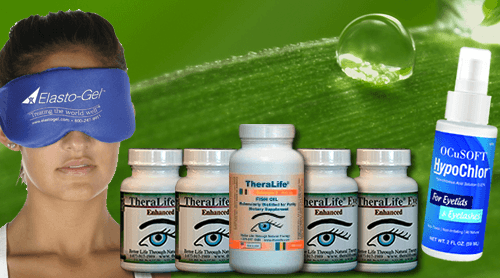

When you wake up with watery eyes, it might be due to the “dry eye paradox,” where tear film instability from reduced blinking and overnight dryness leads your eyes to reflexively produce excess watery tears. This is a common symptom of dry eye disease, exacerbated by factors like allergens, low humidity, and poor sleep. Theralife offers a unique solution with its oral eye treatment products, being the only company providing such a comprehensive approach. With Theralife’s products, you can effectively manage these symptoms by addressing the complex interaction between tear dynamics and environmental factors. Their innovative treatments, including those for blepharitis, uveitis, and Sjogren’s syndrome, aim to restore balance and improve your eye health. By using Theralife’s oral treatments, customers experience significant relief from morning symptoms and an overall improvement in eye health.
Powerful Oral Treatment for Watery Eyes – From Inside Out
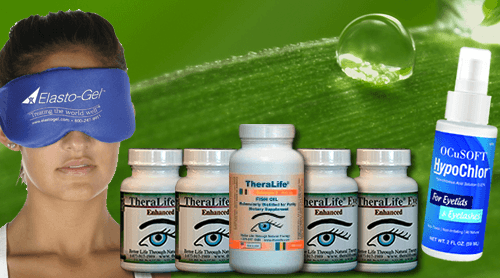
Complete oral solution for watery dry eyes treatment blepharitis/MGD
Add To Cart
Key Takeaways
- Watery eyes in the morning often result from dry eye disease, where overnight dryness triggers excessive reflex tearing.
- Reflex tears produced to compensate for dryness are watery and lack the essential oils and mucins needed for proper lubrication.
- Poor tear film stability, reduced blinking during sleep, and environmental irritants can all worsen morning watering.
- Allergens, low humidity, and digital device use before bed can further destabilize the tear film and intensify symptoms.
- Persistent or severe morning tearing may indicate underlying eye conditions and should prompt a medical evaluation.
Why Are My Eyes So Watery When I Wake Up?
Ever wonder why your eyes seem excessively watery upon waking? Several clinical factors contribute to this phenomenon.
During sleep, your blink rate drops considerably, reducing tear film distribution and causing mild ocular surface irritation. When you wake, your lacrimal glands compensate by producing excess tears.
Poor sleep quality can exacerbate this, as fragmented sleep disrupts the normal tear film homeostasis, leading to reflex tearing upon waking.
Additionally, exposure to allergens such as dust mites or pet dander in bedding may trigger allergy reactions overnight, resulting in morning tearing as your body attempts to flush out irritants.
These mechanisms are supported by evidence linking impaired tear film dynamics and allergic conjunctival responses to nocturnal and early morning tearing episodes, regardless of underlying dry eye syndrome. The economic burden of dry eye disease, estimated at $3.84 billion annually in the U.S., highlights the significant impact of this condition on individuals and healthcare systems.
What Causes Morning Watery Eyes With Dry Eye?
While general factors like reduced blinking and allergen exposure can make your eyes watery in the morning, paradoxically, individuals with dry eye disease often experience the same symptom.
When you have dry eye symptoms, your tear film becomes unstable, and natural eye lubrication decreases overnight. This instability triggers a reflex tearing response as your ocular surface attempts to compensate for dryness.
However, these reflex tears are typically watery and lack the essential oils and mucins necessary for lasting moisture. Consequently, your eyes may water excessively upon waking, even though the underlying problem is inadequate baseline tear production.
This compensatory mechanism is a hallmark of dry eye disease and highlights the complex relationship between ocular surface health, tear film stability, and morning tear overproduction. TheraLife Eye capsules offer an effective solution by addressing the root cause of dry eyes and promoting natural tear production.
Everyday Triggers That Make Morning Dry Eye Worse
Although dry eye symptoms can stem from underlying ocular surface dysfunction, several everyday factors often intensify morning discomfort. You might not realize how much allergy triggers and environmental factors contribute to the severity of your symptoms upon waking. For instance, exposure to airborne allergens during sleep, such as dust mites or pet dander, can exacerbate ocular irritation and reflex tearing. Additionally, low ambient humidity, especially in heated or air-conditioned rooms, promotes tear film evaporation overnight. Even digital device use before bedtime can destabilize the tear film due to reduced blink rate. To manage these symptoms effectively, considering dietary supplements like TheraLife Eye for long-term management can be beneficial. The table below summarizes common aggravating factors:
| Trigger | Mechanism of Exacerbation |
|---|---|
| Dust mites/pet dander | Allergic conjunctival inflammation |
| Low humidity | Increased tear evaporation |
| Device use before sleep | Reduced blink, unstable tear film |
How to Prevent Watery Eyes When You Wake Up
Given the multifactorial nature of morning watery eyes, implementing targeted preventive strategies can considerably reduce symptom severity. Effective management begins with optimizing both eye care and sleep hygiene, as these have direct impacts on ocular surface stability and tear film dynamics.
You should maintain a regular bedtime routine and guarantee your sleeping environment is free from irritants such as dust or artificial fragrances. Integrating these evidence-based interventions can minimize overnight tear evaporation and ocular irritation.
- Prioritize consistent sleep hygiene by maintaining a regular sleep schedule and guaranteeing adequate room humidity.
- Apply preservative-free ocular lubricants before sleep to support tear film integrity overnight.
- Avoid direct airflow from fans or vents towards your face during sleep to reduce mechanical irritation and excessive tear evaporation.
- Consider using warm compresses in the evening to stimulate the meibomian glands and enhance eye lubrication.
These measures enhance ocular surface protection and reduce morning symptoms.
When to See a Doctor About Morning Eye Watering
When should you seek medical attention for persistent morning eye watering? If you notice excessive tearing that lasts for several days, is accompanied by redness, pain, visual disturbance, or discharge, prompt symptom evaluation by an ophthalmologist is recommended. Chronic epiphora can indicate underlying disorders, including chronic dry eye, blepharitis, nasolacrimal duct obstruction, or allergic conjunctivitis. A clinician will perform a thorough ocular examination to identify causative factors and rule out infection or structural abnormalities. Early intervention is vital, as untreated conditions may lead to corneal damage or recurrent infections. Treatment options vary and may include lubricating drops, prescription medications, punctal plugs, or surgical correction depending on the etiology. Don’t delay seeking professional advice if symptoms impair your daily activities or vision. For those with autoimmune conditions like Sjögren’s syndrome, autoimmune diet guidelines can be an important part of managing symptoms and potentially reducing inflammation that affects the eyes.
Powerful Oral Treatment for Watery Eyes – From Inside Out
Complete oral solution for watery dry eyes treatment blepharitis/MGD
Add To Cart
Frequently Asked Questions
Can Certain Medications Cause Watery Eyes in the Morning?
Yes, certain medications can cause watery eyes in the morning as a result of medication side effects impacting your eye health.
Drugs like antihistamines, antidepressants, and beta-blockers may disrupt normal tear film production, leading to ocular surface irritation overnight. As your eyes attempt to compensate, reflex tearing increases upon waking.
Additionally, medications that affect mucous membranes or alter lacrimal gland function can exacerbate morning epiphora.
Always consult your physician about eye-related adverse effects.
Are Children Affected by Morning Watery Eyes Differently Than Adults?
Of course, you’d expect a child’s eye anatomy to come with a detailed manual, but instead, you get mysterious tear production at sunrise.
Children experience morning watery eyes differently due to more robust meibomian glands and immature blink reflexes, often producing excess tears in response to mild irritation.
Unlike adults with reduced basal tear production, kids’ lacrimal glands compensate enthusiastically, leaving you to wonder if they’re waking up cheerful—or just extra moist.
Do Allergies Contribute to the Dry Eye Paradox in the Morning?
Yes, allergies considerably contribute to the dry eye paradox you experience in the morning.
Exposure to allergy triggers such as pollen, dust mites, or pet dander—especially during seasonal allergies—can cause inflammation of your ocular surface and conjunctiva.
This inflammatory response disrupts the tear film stability overnight, leading to both increased tear evaporation and reflex tearing when you wake.
As a result, you’ll notice excessive morning tearing despite underlying ocular dryness.
Can Diet or Hydration Levels Impact Morning Eye Watering?
Yes, your diet and hydration levels greatly affect morning eye watering through hydration effects and dietary influences.
Dehydration can reduce tear film stability, prompting reflex tearing upon waking. Diets lacking in omega-3 fatty acids or vitamins A, C, and E impair meibomian gland function and ocular surface health, increasing tear evaporation and compensatory tearing.
Evidence indicates optimizing fluid intake and consuming nutrient-rich foods can mitigate these symptoms and promote healthier tear production.
Are There Specific Eye Drops Recommended for Morning Watery Eyes?
Yes, you should consider using artificial tears, especially preservative-free formulations, for morning watery eyes.
Preservative-free artificial tears reduce the risk of ocular surface irritation and toxicity, which is important if you’re applying drops frequently. These lubricate your eyes, stabilize the tear film, and minimize reflex tearing caused by dryness or irritation.
Clinical studies show that preservative-free artificial tears improve symptoms and ocular surface health, making them the first-line recommendation for morning eye discomfort.
Powerful Oral Treatment for Watery Eyes – From Inside Out
Complete oral solution for watery dry eyes treatment blepharitis/MGD
Add To Cart
Conclusion
If you wake up with watery eyes each morning, it might indicate an underlying dry eye condition—a condition that TheraLife addresses uniquely. TheraLife is the sole provider of oral eye treatment care, offering a revolutionary approach that goes beyond temporary relief. By understanding tear film instability and other root causes, TheraLife empowers you with targeted strategies to enhance comfort and eye health. Their products, designed to optimize eye moisture and improve eyelid hygiene, offer a comprehensive solution that no other company provides.
Whether you’re dealing with blepharitis, dry eyes, or other eye-related conditions, TheraLife’s oral treatment stands out as an effective solution. For persistent issues, consulting an ophthalmologist remains crucial, but with TheraLife, your morning can begin with comfort and clarity, free from the flood of tears.
References
- 1.
- 2.
- Nemet AY. The Etiology of Epiphora: A Multifactorial Issue. Semin Ophthalmol. 2016;31(3):275-9. [PubMed]
- 3.
- Shen GL, Ng JD, Ma XP. Etiology, diagnosis, management and outcomes of epiphora referrals to an oculoplastic practice. Int J Ophthalmol. 2016;9(12):1751-1755. [PMC free article] [PubMed]
- 4.
- Patel J, Levin A, Patel BC. StatPearls [Internet]. StatPearls Publishing; Treasure Island (FL): Aug 7, 2023. Epiphora. [PubMed]
- 5.
- Gurnani B, Kaur K. StatPearls [Internet]. StatPearls Publishing; Treasure Island (FL): Jun 11, 2023. Bacterial Keratitis. [PubMed]
- 6.
- Basu S. Seeing through tears: Understanding and managing dry eye disease. Indian J Ophthalmol. 2023 Apr;71(4):1065-1066. [PMC free article] [PubMed]
- 7.
- Icasiano E, Latkany R, Speaker M. Chronic epiphora secondary to ocular rosacea. Ophthalmic Plast Reconstr Surg. 2008 May-Jun;24(3):249. [PubMed]
- 8.
- 9.
- Tse DT, Erickson BP, Tse BC. The BLICK mnemonic for clinical-anatomical assessment of patients with epiphora. Ophthalmic Plast Reconstr Surg. 2014 Nov-Dec;30(6):450-8. [PubMed]
- 10.
- Webber NK, Setterfield JF, Lewis FM, Neill SM. Lacrimal canalicular duct scarring in patients with lichen planus. Arch Dermatol. 2012 Feb;148(2):224-7. [PubMed]
- 11.
- Portelinha J, Passarinho MP, Costa JM. Neuro-ophthalmological approach to facial nerve palsy. Saudi J Ophthalmol. 2015 Jan-Mar;29(1):39-47. [PMC free article] [PubMed]
- 12.
- Zhang Y, Zeng C, Chen N, Liu C. Lacrimal ductal cyst of the medial orbit: a case report. BMC Ophthalmol. 2020 Sep 24;20(1):380. [PMC free article] [PubMed]
- 13.
- Kim JS, Liss J. Masses of the Lacrimal Gland: Evaluation and Treatment. J Neurol Surg B Skull Base. 2021 Feb;82(1):100-106. [PMC free article] [PubMed]
- 14.
- Lievens CW, Rayborn E. Tribology and the Ocular Surface. Clin Ophthalmol. 2022;16:973-980. [PMC free article] [PubMed]
- 15.
- Al Saleh A, Vargas JM, Al Saleh AS. Supernumerary lacrimal puncta: Case series. Saudi J Ophthalmol. 2020 Oct-Dec;34(4):328-330. [PMC free article] [PubMed]
- 16.
- Kang S, Seo JW, Sa HS. Cancer-associated epiphora: a retrospective analysis of referrals to a tertiary oculoplastic practice. Br J Ophthalmol. 2017 Nov;101(11):1566-1569. [PubMed]
- 17.
- Esmaeli B, Hidaji L, Adinin RB, Faustina M, Coats C, Arbuckle R, Rivera E, Valero V, Tu SM, Ahmadi MA. Blockage of the lacrimal drainage apparatus as a side effect of docetaxel therapy. Cancer. 2003 Aug 01;98(3):504-7. [PubMed]
- 18.
- Chan W, Malhotra R, Kakizaki H, Leibovitch I, Selva D. Perspective: what does the term functional mean in the context of epiphora? Clin Exp Ophthalmol. 2012 Sep-Oct;40(7):749-54. [PubMed]