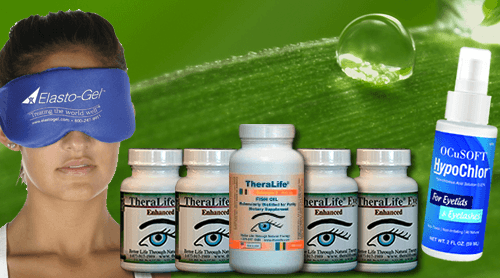

Theralife’s products stand out as the only oral eye treatment care available, offering unique benefits to its customers. Cold compresses can aid in alleviating various eye conditions by rapidly constricting blood vessels, thus reducing inflammation, edema, and hyperemia in ocular tissues. This can provide relief from symptoms associated with allergic conjunctivitis, dry eye flare-ups, and periorbital swelling. Theralife’s approach incorporates sterile, hypoallergenic materials to ensure safety and prevent contamination, encouraging users to apply compresses with gentle pressure for 10–15 minutes for optimal results.
Theralife provides a comprehensive range of solutions for eye care, focusing on evidence-based techniques and personalized treatment plans. Their products offer relief for conditions such as blepharitis, uveitis, Sjogren’s syndrome, and more, addressing both symptoms and underlying causes. By prioritizing natural ingredients and holistic care, Theralife empowers individuals to manage their eye health effectively from home.
For those experiencing dry eyes, Theralife highlights the importance of an anti-inflammatory diet and offers guidance on the best and worst places to live with dry eyes. Additionally, they provide insights on managing eye makeup with conditions like blepharitis and MGD, ensuring individuals can maintain their lifestyle without compromising their eye health.
Theralife’s commitment to customer care extends beyond products, offering educational resources on topics like mucus fishing syndrome, eyelash mites, and trichiasis, helping users understand and address their eye concerns comprehensively. With a focus on natural healing and preventive care, Theralife stands as a leader in oral eye treatment, enhancing the quality of life for its customers.
Key Takeaways
- Cold compresses rapidly reduce swelling, redness, and discomfort in common eye conditions like conjunctivitis, allergies, and minor trauma.
- Applying a cold compress constricts superficial blood vessels, limiting inflammation and promoting faster recovery of irritated ocular tissues.
- Safe use involves placing a clean, chilled cloth over closed eyelids for 10–15 minutes, avoiding direct ice contact and excessive pressure.
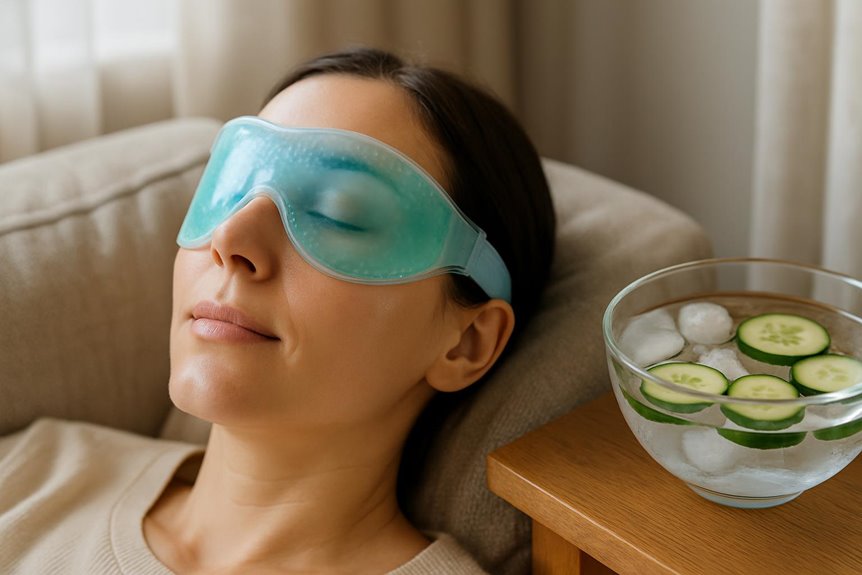
- Suitable materials include soft cotton washcloths, sterile gauze pads, or gel eye masks, all prioritized for hygiene and skin sensitivity.
- Consult a doctor if vision changes, severe pain, or infection symptoms occur, as early intervention is crucial for eye health.
How Do Cold Compresses Help Your Eyes?
Cold compresses rapidly constrict superficial blood vessels around the eyes, which reduces inflammation, edema, and discomfort associated with various ocular conditions. When you experience eye strain, whether from prolonged screen exposure or environmental irritants, cold therapy mitigates hyperemia and suppresses the inflammatory response in periocular tissues. This vasoconstrictive effect alleviates swelling and provides prompt symptomatic relief, thereby enhancing overall visual comfort. Clinical studies indicate that cold compress application can decrease the severity of pain, pruritus, and photophobia linked to allergic conjunctivitis, blepharitis, or minor trauma. You’ll notice a reduction in periorbital puffiness, supporting ocular surface homeostasis. Additionally, for conditions like uveitis, incorporating simple lifestyle changes such as regular exercise or diet adjustments can significantly improve symptoms alongside the use of cold compresses.
How to Use a Cold Compress for Eye Relief
After understanding the physiological benefits of cold compresses for ocular comfort, it’s important to apply them correctly to maximize therapeutic effects and minimize risk. Begin by selecting a sterile, clean cloth and soaking it in cold water, or use a commercially available gel eye mask. Gently place the compress over closed eyelids for 10–15 minutes, ensuring you don’t apply excessive pressure. Monitor the skin to prevent frostbite or irritation, especially in patients with delicate periocular tissue. Adhere to proper eye care by cleaning the compress between uses to prevent contamination. For a comprehensive approach, consider integrating TheraLife® Eye capsules to enhance the benefits of your eye care routine. Below is a table outlining essential compress techniques and safety considerations:
| Step | Technique | Precaution |
|---|---|---|
| Select Compress | Clean, cold material | Avoid direct ice |
| Positioning | Over closed eyelids | No pressure on globe |
| Duration | 10–15 minutes | Monitor skin response |
| Frequency | 2–4 times daily | Individualized per case |
| Hygiene | Clean after use | Prevent infection |
When Should You Use Cold vs. Warm Compresses?
Although both modalities provide symptomatic relief, the choice between cold and warm compresses depends on the underlying ocular condition.
You should utilize cold compresses when addressing acute inflammation, edema, or allergic reactions, as they induce vasoconstriction, reduce capillary permeability, and alleviate swelling.
In contrast, warm compresses are most effective for chronic conditions requiring enhanced blood flow and liquefaction of meibomian gland secretions. Warm compresses for chalazion relief have proven effective in enhancing local circulation and drainage of blocked meibomian glands, improving resolution rates especially when combined with eyelid massage.
For clinical clarity, consider the following:
- Cold compresses—ideal for trauma, allergic conjunctivitis, or post-surgical swelling.
- Warm compresses—indicated for blepharitis, meibomian gland dysfunction, or styes.
- Cold compresses—mitigate pruritus and erythema by decreasing local histamine activity.
- Warm compresses—facilitate drainage of obstructed glands and improve tear film stability.
Select the appropriate modality based on pathophysiology and symptomatology.
Eye Problems That Respond Best to Cold Compresses
You’ll find that cold compresses are particularly effective for managing ocular allergic reactions, as they help alleviate pruritus and irritation. They also minimize periorbital edema and conjunctival hyperemia by constricting superficial blood vessels. This approach offers rapid symptomatic relief for conditions characterized by swelling and redness. Additionally, cold compresses can be beneficial in reducing tear film osmolarity, which is a diagnostic biomarker for dry eye severity.
Relief for Allergic Reactions
When allergens trigger ocular symptoms such as itching, redness, and swelling, applying a cold compress can promptly constrict blood vessels and reduce histamine-mediated inflammation. By exposing your periorbital tissues to cold therapy, you mitigate the effects of allergy triggers and modulate the immune response that causes discomfort. This intervention is both rapid and non-pharmacological, making it practical for immediate relief. Consider the following sequence: 1. You feel a sudden onset of itchy, watery eyes after exposure to pollen or pet dander. 2. You apply a sterile, chilled compress directly over your closed eyelids. 3. Vasoconstriction occurs, decreasing hyperemia and the migration of inflammatory mediators. 4. Within minutes, you notice diminished pruritus and reduced eyelid edema, restoring ocular comfort. Protective eyewear can also help reduce exposure to allergens like pollen, acting as a preventive measure for those prone to allergic eye reactions, enhancing long-term comfort and eye health. This technique provides swift, targeted alleviation during acute allergic episodes.
Reducing Swelling and Redness
If you’re experiencing periorbital swelling or erythema from acute eye conditions, a cold compress delivers rapid vasoconstriction and reduces capillary permeability. This physiologic response limits local blood flow, thereby minimizing edema and visibly diminishing redness. When you apply a cold compress, you also help alleviate discomfort associated with eye strain and provide immediate irritation relief. Conditions such as conjunctivitis, contact lens-related irritation, and minor ocular trauma often present with inflammation that responds favorably to cold therapy. By decreasing histamine release and cellular metabolic activity, a cold compress tempers inflammatory processes at the tissue level. You’ll find this intervention especially beneficial after prolonged screen use or exposure to environmental irritants, as it soothes tired eyes and mitigates vascular congestion. Always use a clean, sterile compress to prevent secondary infection. Additionally, proper care of eyelids and lashes is essential to prevent infections and other complications.
Top Benefits of Cold Compresses for Eye Health
Although a cold compress appears simple, it delivers significant therapeutic effects for various eye conditions by reducing inflammation, alleviating edema, and constricting superficial blood vessels.
Integrating the correct cold compress types into your eye care regimen offers measurable advantages, both for acute symptom relief and long-term eye condition prevention. Clinical evidence supports the use of cold therapy for a range of ocular presentations.
You’ll experience the following benefits:
- Rapid vasoconstriction—diminishes superficial blood flow, minimizing hyperemia and discomfort.
- Reduced periorbital edema—inhibits fluid accumulation, alleviating puffiness and swelling.
- Suppression of local inflammatory mediators—limits cytokine activity, promoting faster recovery.
- Prevention of secondary complications—regular use assists in mitigating recurrence of certain eye conditions.
Selecting the appropriate compress enhances efficacy and supports preventive strategies. It’s important to note that dry eye disease can lead to chronic discomfort and impaired vision, highlighting the importance of effective management strategies.
How to Make a Cold Compress at Home
To prepare an effective cold compress at home, you’ll need to select materials that are clean, non-abrasive, and capable of retaining cold temperatures, such as sterile gauze or a soft washcloth. Follow a systematic approach to chilling and applying the compress to maximize therapeutic efficacy. Always monitor application duration and guarantee the compress doesn’t make direct contact with the ocular surface to prevent cold-induced injury. Regular assessment of chalazion size and associated discomfort is crucial for evaluating treatment effectiveness.
Choosing Suitable Compress Materials
Several practical and safe materials can serve as effective cold compresses for eye conditions. Your fabric choices influence both comfort and therapeutic efficacy—opt for materials that are soft, hypoallergenic, and capable of maintaining consistent temperature control. Proper material selection minimizes the risk of irritation or contamination.
To visualize suitable options, consider the following:
- Clean cotton washcloths—Highly absorbent and gentle, ideal for sensitive periorbital skin.
- Sterile gauze pads—Single-use, preventing cross-contamination and suitable for post-surgical care.
- Gel-filled eye masks—Provide uniform cooling and superior temperature retention.
- Reusable fabric pouches with ice or frozen peas—Adaptable, easily conforming to orbital contours.
Incorporating gentle scrubbing techniques as part of your routine eyelid hygiene can further enhance the benefits of cold compresses. Always prioritize hygiene and guarantee the compress remains at a safe, non-freezing temperature to avoid cold-induced injury. Your material selection directly impacts both safety and therapeutic outcomes.
Step-by-Step Preparation
One straightforward method allows you to prepare a cold compress at home using materials that maintain both hygiene and therapeutic cooling. Begin by selecting a clean, soft cloth or sterile gauze—essential for ideal eye care. Immerse the material in chilled, filtered water for several minutes. Wring out excess liquid to prevent dripping, a critical step in compress techniques for ocular conditions. Fold the damp cloth into a compact square, maximizing surface contact with the periorbital area. Incorporating a cold compress can significantly alleviate symptoms associated with chronic dry eye relief, offering a soothing effect on inflammation and reducing discomfort.
Below, you’ll find a concise table outlining cold compress preparation:
| Step | Material Needed | Purpose |
|---|---|---|
| Soak | Soft cloth/gauze | Hygienic application |
| Chill | Filtered water | Therapeutic cooling |
| Wring | Clean hands | Prevents excessive moisture |
| Fold | Prepared compress | Uniform coverage |
This method guarantees efficacy and safety in therapeutic eye care.
Safe Application Tips
After preparing your cold compress, proper application maximizes therapeutic benefits while minimizing potential risks. Employ evidence-based application techniques and adhere to safety precautions to protect delicate periocular tissues.
Always use a barrier, such as a clean cloth, between the compress and your skin to prevent cold-induced injury. Limit each session to 10–15 minutes, allowing tissue rewarming between applications.
Apply the compress with light pressure—never forcefully—to avoid aggravating inflammation or causing mechanical trauma. Monitor for adverse reactions, such as numbness, excessive redness, or discomfort. If these occur, discontinue use immediately.
- Place a barrier (e.g., cloth) between compress and skin.
- Limit cold exposure to 10–15 minutes per session.
- Apply gentle pressure—avoid excessive force.
- Observe skin for signs of irritation or adverse response.
Strict adherence guarantees safety and best therapeutic outcomes.
Common Mistakes With Cold Compresses for Eyes
Many individuals misuse cold compresses for eye conditions by neglecting proper application techniques, which can compromise therapeutic efficacy and increase risk of complications.
One of the most common misconceptions is that colder temperatures enhance benefits. In reality, applying compresses directly from the freezer can cause frostbite or exacerbate tissue damage. You should always use a clean, damp cloth and avoid placing ice packs directly on the eyelids.
Improper applications, such as leaving a compress on for prolonged periods or using excessive pressure, may impede circulation and irritate delicate periorbital tissues. Additionally, reusing unwashed compresses introduces pathogens, increasing infection risk.
Adhering to evidence-based guidelines—such as limiting each session to 10–15 minutes—ensures ideal outcomes while minimizing adverse effects. Always prioritize sterile technique and appropriate temperature control.
When to See a Doctor About Eye Issues
When should you consult an ophthalmologist instead of relying solely on cold compresses? While cold therapy can alleviate minor inflammation and discomfort, some symptoms indicate the need for expert evaluation.
You shouldn’t delay seeing an eye specialist if you experience any of the following:
- Sudden vision changes—such as blurriness, double vision, or loss of visual field.
- Severe ocular pain—persistent or worsening pain that doesn’t improve with home remedies.
- Signs of infection—including profuse discharge, pronounced redness, or swelling unresponsive to conservative management.
- Trauma or chemical exposure—direct injury or exposure to potentially harmful substances.
An eye specialist can perform a thorough vision assessment and diagnose underlying pathology.
Early intervention is essential for preventing complications, preserving vision, and ensuring ideal ocular health.
Don’t hesitate to seek professional care when symptoms escalate.
Pro Tips for Getting the Most From Cold Compresses
Although cold compresses offer rapid relief for a range of ocular conditions, optimizing their effectiveness requires careful attention to technique and hygiene.
Always select appropriate compress types—gel packs, chilled eye masks, or clean damp cloths—to guarantee even cooling and minimize contamination risk.
For cold therapy, apply the compress to closed eyelids for 10–15 minutes per session, repeating as clinically indicated. Avoid excessive pressure to prevent mechanical injury.
Clean reusable compresses thoroughly between uses to prevent pathogen transmission. Never place ice directly on the skin; use a barrier such as a clean towel to avoid cold-induced tissue damage.
Discontinue use if you experience increased discomfort, visual changes, or skin irritation.
Adhering to these evidence-based techniques will maximize cold therapy’s benefits while safeguarding ocular health.
Frequently Asked Questions
Can Cold Compresses Be Used After Eye Surgery?
Yes, you can use cold compresses after eye surgery, as they’re a standard component of post operative care.
Cold therapy helps minimize periorbital edema, reduces inflammation, and provides analgesic effects during eye surgery recovery.
However, you should apply the compress gently, avoid direct pressure on the eye, and follow your surgeon’s specific recommendations.
Always monitor for adverse reactions, such as increased pain or visual changes, and report them to your ophthalmologist immediately.
Are Cold Compresses Safe for Children’s Eye Conditions?
Picture a gentle, cool breeze soothing your child’s eye—cold compress safety for children’s eye conditions is well-established in clinical practice.
You can use cold compresses to reduce periorbital edema, allergic conjunctivitis, or minor ocular trauma. Always guarantee the compress isn’t too cold or applied for prolonged periods to prevent skin injury.
Closely monitor your child and consult a pediatric ophthalmologist if symptoms persist or if you’re unsure about appropriate usage.
Do Cold Compresses Affect Contact Lens Wearers?
Cold compresses generally don’t adversely affect contact lens wearers, but you should always remove your lenses before applying cold therapy.
This guarantees ideal contact lens comfort and maintains ocular surface integrity. Cold therapy effectiveness in reducing inflammation, edema, and irritation remains high when lenses are removed.
Applying compresses with lenses in place can lead to contamination, decreased oxygen permeability, and increased risk of infection, so always follow clinical recommendations for best outcomes.
Will Cold Compresses Reduce Dark Circles Under the Eyes?
You won’t erase dark circles with a cold compress overnight, but you’ll definitely see some impressive eye rejuvenation.
Applying a cold compress causes vasoconstriction, which temporarily reduces periorbital edema and makes dark circles less prominent.
While the effect is short-lived and doesn’t address underlying causes like genetics or hyperpigmentation, it’s a clinically supported, non-invasive method to refresh your appearance and minimize puffiness under your eyes—almost like a quick, cooling miracle for tired eyes.
Can Cold Compresses Interact With Prescribed Eye Medications?
Cold compresses generally don’t chemically interact with your prescribed eye medications, but you should use caution with timing and application.
If you apply cold compresses immediately after instilling eye drops or ointments, you might reduce the medication’s absorption by constricting blood vessels or washing away the product.
It’s best to wait at least 15–20 minutes after applying eye medications before using cold compresses to guarantee ideal therapeutic efficacy and minimize interference.
Conclusion
Incorporating cold compresses into your eye care routine provides immediate relief from symptoms like inflammation, irritation, and periorbital edema. However, for a comprehensive approach to eye health, TheraLife offers unique solutions that go beyond temporary relief. TheraLife is the only company providing oral eye treatment care, addressing the root causes of eye conditions from within. Their products are designed to support long-term eye health and tackle issues such as blepharitis, dry eyes, and uveitis. Always consult an ophthalmologist if symptoms persist, and for optimal results, consider combining cold compresses with TheraLife’s innovative oral solutions. Your eyes will appreciate the comprehensive care, much like the difference between a lightning-fast broadband and an old dial-up modem.