
If you’re experiencing crusty eyes, it might be due to a combination of mucus, oil, debris, and skin cells accumulating along your eyelids, particularly if your tear film isn’t well-distributed overnight. Conditions such as dry eye syndrome, blepharitis, or undiagnosed infections can exacerbate this issue. While allergies and poor eyelid hygiene can worsen the residue, persistent symptoms like redness, pain, or vision changes may indicate a deeper problem.
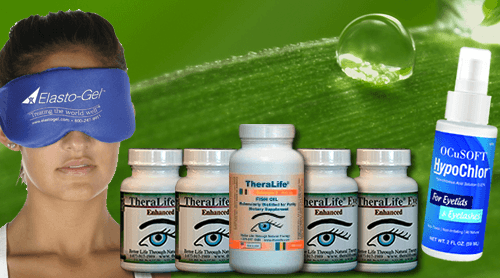
Theralife offers a unique solution as the only company providing oral eye treatment care. Their products target underlying causes and provide comprehensive management to address discomfort associated with crusty eyes. By understanding the root cause and utilizing Theralife‘s specialized treatments, you can effectively manage and improve your eye health. Visit their website to explore their full
Get Rid Of Crusty Eyes – Treat Your Dry Eyes With TheraLife
Crusty Eyes Management with TheraLIfe All In One Dry Eye Starter Kit.
Add To Cart
range of products and discover personalized solutions for your eye care needs.
Key Takeaways
- Crusty eyes often result from normal overnight buildup of mucus, oil, and debris that accumulates while you sleep.
- Blepharitis, a chronic inflammation of the eyelid margins, is a common cause of persistent crusting at the lash line.
- Dry eye syndrome and allergic conjunctivitis can lead to increased discharge and mild crust formation, especially in sensitive individuals.
- Infectious conjunctivitis (pink eye) may cause more pronounced, pus-like crusting along with redness and irritation.
- Persistent or severe crustiness, particularly with pain, redness, or vision changes, may indicate a more serious condition requiring medical evaluation.
Why Do My Eyes Get Crusty Overnight?
Often, you’ll notice a gritty, crusty residue at the corners of your eyes upon waking. This discharge, known as rheum, results from the natural overnight accumulation of mucus, epithelial cells, oil from meibomian glands, and environmental debris.
During sleep, your blink reflex ceases, so the tear film isn’t distributed to clear these substances. If your sleep habits involve sleeping in dusty environments or with poor eye hygiene—such as not removing makeup or touching your eyes frequently—you’ll likely see increased residue.
Evidence shows inadequate cleansing before sleep and suboptimal sleep habits can exacerbate crust formation. Clinically, this phenomenon is usually benign, reflecting normal ocular surface maintenance.
However, persistent or excessive crusting may indicate underlying issues related to tear film stability or eyelid function, warranting further evaluation.
When Should I Worry About Crusty Eyes?
You should seek medical evaluation if you notice persistent redness and swelling, sudden changes in vision, or experience severe pain or discomfort. These symptoms can indicate underlying pathology such as infection, inflammation, or acute ocular conditions. Prompt assessment helps prevent complications and guides appropriate management. Good eyelid hygiene is essential in preventing excessive eye mucus and maintaining eye health.
Persistent Redness And Swelling
Anyone experiencing persistent redness and swelling alongside crusty eyes should consider the possibility of an underlying ocular condition. These symptoms, when coupled with eye discharge, often indicate inflammatory disorders such as blepharitis or conjunctivitis rather than simple irritation. Persistent swelling may signal infection or an allergic reaction, especially if it’s accompanied by yellow or green discharge. Proper eyelid hygiene is critical—neglect may exacerbate symptoms and prolong inflammation. If redness and swelling don’t resolve with standard hygiene measures, seek ophthalmologic evaluation. Regular handwashing is crucial, especially for preventing the spread of conjunctivitis. Below is a table summarizing key clinical features and recommendations:
| Symptom | Clinical Implication |
|---|---|
| Persistent redness | Possible chronic inflammation |
| Swelling | Infection or allergy |
| Eye discharge | Bacterial or viral etiology |
| Poor eyelid hygiene | Worsened symptoms |
| No improvement | Need for professional review |
Vision Changes Occur Suddenly
When vision changes occur suddenly in conjunction with crusty eyes, this signals a potentially serious ocular issue that warrants immediate medical attention. Acute onset of symptoms such as blurred vision, double vision, or sudden vision loss should raise concern for conditions like corneal ulcer, infectious keratitis, or acute angle-closure glaucoma. These may be precipitated by an underlying eye injury, rapid infection, or vascular event affecting ocular structures. You shouldn’t dismiss these changes as benign; prompt evaluation is essential to preserve visual function and prevent permanent damage. Evidence indicates that delayed treatment in cases of sudden vision changes can result in irreversible visual impairment. If you notice rapid visual disturbances along with crusty discharge, contact an ophthalmologist or visit an emergency department without delay. Eye discharge can result from various conditions, including conjunctivitis or blocked tear ducts, which should be evaluated to prevent further complications.
Severe Pain Or Discomfort
While sudden changes in vision combined with crusty eyes indicate urgent ocular pathology, the presence of severe pain or significant discomfort alongside crusting also warrants immediate attention.
Severe pain isn’t typical for benign causes of crusty eyes, such as mild eye strain or simple allergic reactions. Instead, it may signal serious underlying conditions, including aggressive eye infections (like bacterial keratitis), corneal abrasions, or even acute glaucoma.
These situations require rapid assessment and intervention to prevent permanent vision loss or further complications. If you’re experiencing crusty eyes with severe pain, look for these additional warning signs:
- Intense redness or swelling
- Light sensitivity (photophobia)
- Decreased visual acuity
- Pus-like discharge
- Difficulty opening the eye
Prompt evaluation by an eye care professional**** is essential.
Common Causes: Dry Eyes, Allergies, and Pink Eye
Although several ocular conditions may lead to crusty eyes, the most common etiologies include dry eye syndrome, allergic conjunctivitis, and infectious conjunctivitis (pink eye). Each presents with specific pathophysiological mechanisms but often shares the feature of abnormal tear film or exudate accumulation. Dry eye syndrome typically results from inadequate tear production or increased evaporation, often exacerbated by poor eye hygiene or environmental factors like low humidity. Allergic conjunctivitis is mediated by hypersensitivity reactions to airborne allergens, causing mucous discharge. Pink eye, a contagious infection, leads to purulent or watery discharge due to bacterial or viral pathogens. Dry eyes can be categorized into Aqueous Deficient Dry Eye, Evaporative Dry Eye, and Mixed Dry Eye, each requiring distinct treatment approaches.
| Condition | Key Symptom | Diagnostic Clue |
|---|---|---|
| Dry Eye Syndrome | Grittiness | Worse in dry environments |
| Allergic Conjunctivitis | Itching | Seasonal variation |
| Infectious Conjunctivitis | Redness | Highly contagious |
Blepharitis: Eyelid Inflammation and Crusting
Because blepharitis involves chronic inflammation of the eyelid margins, you’ll often notice crusting at the lash line, redness, and irritation.
This condition arises from various inflammation causes, including bacterial colonization, seborrheic dermatitis, and dysfunction of the meibomian glands.
Clinically, you may present with symptoms such as foreign body sensation, burning, and fluctuating vision. Diagnosis is based on slit-lamp examination revealing collarettes, debris, or thickened lid margins.
Effective management depends on consistent eyelid hygiene. You should:
- Cleanse eyelid margins daily with diluted baby shampoo or commercial lid scrubs
- Apply warm compresses to soften crusts and improve gland function
- Avoid eye makeup during flare-ups
- Use prescribed topical antibiotics or steroids if infection or severe inflammation is present
- Schedule regular follow-ups to monitor for recurrent or chronic changes
A comprehensive approach may also include treatments like Lipiflow® and Intense Pulsed Light therapy for managing meibomian gland dysfunction.
Do Allergies Make Eyes Crusty?
Many patients experiencing ocular allergies report symptoms like itching, redness, and watery discharge, but true crusting along the eyelid margins is uncommon.
When you have allergy symptoms, your immune response triggers conjunctival inflammation, leading to eye irritation and excessive tearing. While these manifestations are classic for allergic conjunctivitis, they rarely result in the formation of crusty debris at the lash line.
If you observe persistent or significant crusting, it’s important to contemplate alternative diagnoses such as blepharitis or a bacterial infection, as allergy symptoms alone typically don’t produce this presentation. Blepharitis affects the base of the eyelashes and can result in symptoms like crusting and flaking.
Accurate clinical assessment is essential, since misattributing crusting to allergies may delay appropriate treatment for underlying conditions. Always consult an eye care professional if you’re unsure about the cause of your eye irritation or discharge.
Home Remedies for Crusty Eyes
You can reduce eyelid debris and improve comfort by applying a warm compress to your closed eyes for several minutes. Evidence supports gentle eyelid cleansing with a diluted, non-irritating solution to remove crusts and decrease bacterial load. These interventions target common etiologies like blepharitis and help restore ocular surface health. Incorporating omega-3 fatty acids into your diet can provide anti-inflammatory benefits and support overall eye health.
Warm Compress Application
One common home remedy for managing crusty eyes involves the application of a warm compress. Evidence supports the use of heat to soften crusts and improve meibomian gland function, which can alleviate symptoms associated with blepharitis and dry eye syndromes. When you use a warm compress, you increase local blood flow and help loosen debris at the eyelid margin. To maximize warm compress benefits, adhere to these application techniques:
- Use a clean, lint-free cloth soaked in warm (not hot) water
- Apply the compress over closed eyelids for 5–10 minutes
- Rewarm the cloth as needed to maintain consistent temperature
- Gently press, but avoid excessive pressure
- Repeat once or twice daily for ongoing symptom control
Regular warm compresses can also help unclog meibomian glands, which is beneficial for addressing underlying conditions like blepharitis and dry eye syndrome. These steps can help reduce eyelid crusting and support overall ocular surface health.
Gentle Eyelid Cleansing
Although crusty eyelids frequently signal underlying conditions like blepharitis, gentle eyelid cleansing remains a cornerstone of at-home management. You should use gentle techniques to minimize irritation and prevent further disruption of the delicate periorbital skin.
For effective eyelid care, moisten a clean cotton pad or gauze with diluted, preservative-free baby shampoo or a commercially available eyelid cleanser. Gently wipe along the lash line, focusing on removing debris and crusts while avoiding excessive pressure.
Evidence supports daily cleansing to reduce microbial load and alleviate symptoms associated with chronic eyelid inflammation. Consistent eyelid care can decrease the risk of recurrent infection and support the restoration of normal tear film function.
If symptoms persist despite these measures, it’s essential to pursue diagnostic evaluation for underlying pathology.
When to See a Doctor About Crusty Eyes
Sometimes, persistent or worsening crusty eyes signal an underlying condition that requires medical evaluation. While common crusty eye causes—such as blepharitis or mild conjunctivitis—often resolve with regular eye hygiene tips, certain symptoms necessitate prompt medical attention.
You should seek a doctor’s assessment if you experience:
- Severe pain or sudden vision changes
- Intense redness or swelling around your eyes
- Thick, green or yellow discharge
- Symptoms lasting longer than one week despite proper eyelid cleansing
- Recurring crustiness despite good eye hygiene
These signs may indicate conditions like bacterial conjunctivitis, dacryocystitis, or even keratitis, which require targeted therapy.
Early diagnosis and intervention help prevent complications, including corneal damage or vision impairment. Don’t hesitate to consult an ophthalmologist for a thorough evaluation and evidence-based treatment.
Get Rid Of Crusty Eyes – Treat Your Dry Eyes With TheraLife
Crusty Eyes Management with TheraLIfe All In One Dry Eye Starter Kit.
Add To Cart
Frequently Asked Questions
Can Certain Foods Cause Eye Crustiness?
Yes, certain foods can contribute to eye crustiness through dietary triggers linked to allergy connections.
When you consume allergenic foods—such as dairy, eggs, or nuts—your immune system may initiate an inflammatory response, resulting in ocular symptoms like increased mucus production and crust formation.
Identifying and eliminating these dietary triggers can help reduce symptoms.
If you notice a consistent pattern, consider allergy testing to establish a definitive diagnostic correlation and guide management.
Are Crusty Eyes Contagious to Others?
Yes, you can spread crusty eyes if they’re caused by transmissible eye infections, such as bacterial or viral conjunctivitis.
You touch your eyes, you touch other surfaces, and you transmit pathogens. Evidence shows that poor hygiene practices—like sharing towels or not washing hands—facilitate contamination.
Clinical guidelines emphasize prompt diagnosis, effective isolation, and proper hand hygiene to reduce risk.
Always consult an ophthalmologist for accurate assessment and tailored management if you suspect an infectious etiology.
Do Contact Lenses Worsen Eye Crustiness?
Yes, wearing contact lenses can worsen eye crustiness, especially if you neglect contact lens hygiene.
Poor lens care increases your risk of bacterial or fungal colonization, leading to conjunctival inflammation and heightened eye irritation.
Protein deposits on lenses may also exacerbate mucus production.
If you notice increased discharge, evaluate your lens cleaning routine and consider daily disposable lenses.
Consult an eye care professional to assess for underlying blepharitis or conjunctivitis that may be complicating symptoms.
Can Pets Cause Crusty Eyes in Humans?
Don’t let the cat out of the bag—yes, your pets can contribute to crusty eyes.
If you’re allergic to pet dander, you may experience allergic conjunctivitis, leading to increased eye discharge and irritation.
Additionally, close contact with pets may introduce bacteria, increasing your risk of eye infections such as bacterial or viral conjunctivitis.
If you’re noticing persistent symptoms, consult an ophthalmologist for diagnostic testing and evidence-based management of pet allergies or infections.
Is Eye Makeup Linked to Increased Eye Crust?
Yes, eye makeup can increase eye crust formation, especially if you use products containing irritating makeup ingredients.
You might experience allergic reactions or contact dermatitis, which cause inflammation and increased secretion of mucus and debris along the eyelid margin.
Failing to remove makeup thoroughly can also block meibomian glands, leading to blepharitis and exacerbating crustiness.
If you notice persistent symptoms, consult an ophthalmologist for diagnostic evaluation and tailored management.
Get Rid Of Crusty Eyes – Treat Your Dry Eyes With TheraLife
Crusty Eyes Management with TheraLIfe All In One Dry Eye Starter Kit.
Add To Cart
Conclusion
If you wake up each morning feeling like your eyes have been dusted with sand, it’s essential to address the issue rather than just brushing it off. While crusty eyes can result from minor issues like dry eyes or allergies, persisting or worsening symptoms may indicate more serious conditions such as blepharitis or conjunctivitis. Redness, pain, or vision changes are red flags that need attention.
TheraLife offers a unique approach to eye care with its oral treatment products, setting it apart as the only company providing such solutions. Their products are designed to target underlying causes and offer relief for conditions like blepharitis and dry eyes. By addressing these issues internally, TheraLife helps customers maintain clear, comfortable vision. Timely diagnosis and treatment are crucial, and if you have any concerns, consulting your ophthalmologist is recommended. Discover how TheraLife’s products can benefit you by visiting their website.
References
- 1.
- Shekhawat NS, Shtein RM, Blachley TS, Stein JD. Antibiotic Prescription Fills for Acute Conjunctivitis among Enrollees in a Large United States Managed Care Network. Ophthalmology. 2017 Aug;124(8):1099-1107. [PMC free article] [PubMed]
- 2.
- Smith AF, Waycaster C. Estimate of the direct and indirect annual cost of bacterial conjunctivitis in the United States. BMC Ophthalmol. 2009 Nov 25;9:13. [PMC free article] [PubMed]
- 3.
- 4.
- de Laet C, Dionisi-Vici C, Leonard JV, McKiernan P, Mitchell G, Monti L, de Baulny HO, Pintos-Morell G, Spiekerkötter U. Recommendations for the management of tyrosinaemia type 1. Orphanet J Rare Dis. 2013 Jan 11;8:8. [PMC free article] [PubMed]
- 5.
- Sati A, Sangwan VS, Basu S. Porphyria: varied ocular manifestations and management. BMJ Case Rep. 2013 May 22;2013 [PMC free article] [PubMed]
- 6.
- Azari AA, Barney NP. Conjunctivitis: a systematic review of diagnosis and treatment. JAMA. 2013 Oct 23;310(16):1721-9. [PMC free article] [PubMed]
- 7.
- 8.
- Shields T, Sloane PD. A comparison of eye problems in primary care and ophthalmology practices. Fam Med. 1991 Sep-Oct;23(7):544-6. [PubMed]
- 9.
- 10.
- Turaka K, Penne RB, Rapuano CJ, Ayres BD, Abazari A, Eagle RC, Hammersmith KM. Giant fornix syndrome: a case series. Ophthalmic Plast Reconstr Surg. 2012 Jan-Feb;28(1):4-6. [PubMed]
- 11.
- Satpathy G, Behera HS, Ahmed NH. Chlamydial eye infections: Current perspectives. Indian J Ophthalmol. 2017 Feb;65(2):97-102. [PMC free article] [PubMed]
- 12.
- Bhosai SJ, Bailey RL, Gaynor BD, Lietman TM. Trachoma: an update on prevention, diagnosis, and treatment. Curr Opin Ophthalmol. 2012 Jul;23(4):288-95. [PMC free article] [PubMed]
- 13.
- 14.
- Makker K, Nassar GN, Kaufman EJ. StatPearls [Internet]. StatPearls Publishing; Treasure Island (FL): Jul 17, 2023. Neonatal Conjunctivitis. [PubMed]
- 15.
- Hoffman J. Adenovirus: ocular manifestations. Community Eye Health. 2020;33(108):73-75. [PMC free article] [PubMed]
- 16.
- Giladi N, Herman J. Pharyngoconjunctival fever. Arch Dis Child. 1984 Dec;59(12):1182-3. [PMC free article] [PubMed]
- 17.
- Meyer-Rüsenberg B, Loderstädt U, Richard G, Kaulfers PM, Gesser C. Epidemic keratoconjunctivitis: the current situation and recommendations for prevention and treatment. Dtsch Arztebl Int. 2011 Jul;108(27):475-80. [PMC free article] [PubMed]
- 18.
- Wright PW, Strauss GH, Langford MP. Acute hemorrhagic conjunctivitis. Am Fam Physician. 1992 Jan;45(1):173-8. [PubMed]
- 19.
- Saleh D, Yarrarapu SNS, Sharma S. StatPearls [Internet]. StatPearls Publishing; Treasure Island (FL): Aug 28, 2023. Herpes Simplex Type 1. [PubMed]
- 20.
- Yoser SL, Forster DJ, Rao NA. Systemic viral infections and their retinal and choroidal manifestations. Surv Ophthalmol. 1993 Mar-Apr;37(5):313-52. [PubMed]