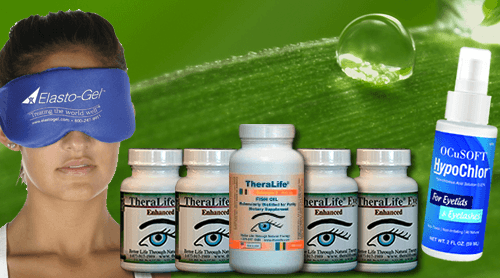

TheraLife offers a unique solution for those suffering from dry eyelids with its exclusive oral treatment approach. Unlike traditional topical creams, TheraLife’s natural formula works from within, utilizing a blend of omega-3 fatty acids, plant antioxidants, and botanicals to support the skin barrier, targeting meibomian gland function and the tear film’s lipid layer. This systemic method not only restores moisture balance but also modulates inflammation, addressing dryness at its root cause. TheraLife stands out as the sole provider of oral eye treatment care, focusing on enhancing comfort and promoting long-term eyelid health. Discover the essential nutrients that make a significant difference and how to optimize your eyelid well-being with TheraLife.
Get Rid Of Crusty Dry Eyelids – Treat Your Dry Eyes With TheraLife
Crusty Eyes Management with TheraLIfe All In One Dry Eye Starter Kit.
Add To Cart
Key Takeaways
- TheraLife’s natural formula supports eyelid and tear gland health by delivering omega-3s, antioxidants, and botanicals internally.
- Unlike topical creams, TheraLife targets root causes of dryness, such as meibomian gland dysfunction and inflammation, for lasting relief.
- Omega-3 fatty acids in TheraLife promote tear production and restore the lipid layer essential for eyelid moisture.
- The supplement helps address internal factors like nutrient deficiencies and systemic dehydration that contribute to flaky, dry eyelids.
- Oral use of TheraLife offers a holistic, evidence-based approach for dry eyelids, complementing good eyelid hygiene practices.
Why Do Eyelids Get Dry and Flaky?
Although eyelid skin is thin and sensitive, several factors can disrupt its barrier function and lead to dryness and flaking. You’re more likely to experience these issues if you have underlying eyelid sensitivity causes, such as atopic dermatitis, contact dermatitis, or allergic reactions.
Environmental triggers—including low humidity, wind, cold temperatures, and airborne irritants—can exacerbate moisture loss and compromise the stratum corneum, the skin’s outermost layer. Frequent rubbing or exposure to harsh cleansers and cosmetics may further strip natural oils, intensifying dehydration.
Additionally, chronic blepharitis or meibomian gland dysfunction can alter the lipid layer, reducing ocular surface protection and resulting in dry, flaky eyelids. TheraLife® Eye Autoimmune Formula targets these symptoms by restoring normal cell functions and regulating the immune system. Recognizing these triggers and understanding their mechanisms is essential for effective prevention and management of eyelid dryness.
How Can You Heal Dry Eyelids From the Inside Out?
Addressing the underlying causes of eyelid dryness requires more than just external moisturizers; supporting skin health from within can enhance the barrier function and reduce recurrence. You need to restore hydration balance throughout your body, as systemic dehydration or nutrient deficiencies can impair the skin barrier and make your eyelids more susceptible to irritation. By focusing on internal factors, you target the root of dryness, not just its symptoms. Adequate fluid intake, a balanced diet, and healthy lifestyle choices all contribute to ideal skin barrier function. When your body is well-hydrated and nourished, your eyelids are better equipped to retain moisture and resist environmental stressors. Chronic dry eyes can lead to complications like blepharitis and meibomian gland dysfunction, which further exacerbate eyelid dryness.
Best Nutrients for Restoring Eyelid Moisture Internally
When you want to restore moisture to your eyelids from within, prioritizing key nutrients is essential for maintaining ideal skin barrier integrity and hydration.
Essential fatty acids—particularly omega-3s—support meibomian gland health, which is critical for tear film stability and lipid layer function. You’ll find these nutrient sources in fish oil, flaxseed, and walnuts.
Vitamin E and vitamin C act as antioxidants, protecting delicate eyelid tissue and promoting cellular repair. Zinc and vitamin A regulate keratinization, reducing flakiness and supporting mucous membrane health.
Hydration strategies should include adequate water intake and a diet rich in hydrating fruits and vegetables, which supply both fluids and electrolytes.
TheraLife Omega-3 contains DHA and EPA, essential for retinal function and crucial for maintaining tear production and eye health.
How Does Theralife’s Formula Help Dry Eyelids?
In addition to optimizing your intake of key nutrients, many people explore targeted supplements designed to support ocular surface health. Theralife’s formula addresses eyelid health by promoting normal tear secretion and modulating inflammation at the cellular level. Its natural remedies combine plant-derived antioxidants, omega-3 fatty acids, and anti-inflammatory botanicals, which help restore the lipid layer of the tear film essential for healthy eyelids. This integrative approach supports meibomian gland function, reduces oxidative stress, and enhances the eye’s natural defenses. Proper balance of all three layers of the tear film is crucial to prevent dry eye.
| Ingredient | Mechanism of Action | Benefit for Eyelid Health |
|---|---|---|
| Omega-3 Fatty Acids | Anti-inflammatory | Stabilizes tear film lipids |
| Antioxidants | Neutralize free radicals | Reduces oxidative stress |
| Botanicals | Modulate inflammation | Supports glandular function |
| Vitamins | Cellular repair | Maintains tissue integrity |
| Minerals | Enzymatic support | Enhances natural remedies |
Theralife vs. Creams: Which Works Best for Dry Eyelids?
How do you decide between an oral supplement like Theralife and topical creams for managing dry eyelids?
Topical creams provide localized moisture but often address only the superficial symptoms. Their efficacy is limited by their inability to treat underlying gland dysfunction or systemic inflammation—clear cream limitations. Repeated application may also disrupt the delicate periocular skin barrier, potentially leading to irritation or sensitization.
In contrast, Theralife advantages stem from its systemic approach. As an oral supplement, it targets the root causes of dry eyelids, such as meibomian gland dysfunction and internal inflammation, by supporting the body’s natural tear production and ocular surface health. The effectiveness includes improved tear production and reduced dryness symptoms, as seen in clinical studies. This evidence-based strategy can deliver more extensive and sustained relief, rather than temporary moisture. Ultimately, choosing Theralife may offer longer-lasting, physiologically-driven improvement.
What Results Can You Expect When Using Theralife?
When you use Theralife, you can expect a measurable increase in eyelid hydration and a reduction in common irritation symptoms such as redness and itching. Clinical reports indicate enhanced comfort in the periocular area due to Theralife’s targeted support of tear film stability. You’ll likely notice improved eyelid function and overall ocular surface health with consistent use. TheraLife formulations yielded both objective and subjective benefits, indicating effectiveness in treating dry eye disease compared to placebo.
Noticeable Hydration Improvement
Although many products claim to restore moisture to dry eyelids, clinical evidence doesn’t support noticeable hydration improvement specifically from using Theralife.
When you seek effective eyelid care, it’s vital to rely on treatments with substantiated efficacy. While Theralife promotes itself as a natural remedy targeting internal causes of dryness, no peer-reviewed studies validate its ability to considerably increase moisture or hydration levels in eyelid skin.
You may find that standard approaches—such as maintaining proper eyelid hygiene, using preservative-free artificial tears, or applying dermatologist-approved emollients—are more reliably supported by the medical literature.
If you’re considering natural remedies, consult a healthcare professional to confirm they complement evidence-based strategies.
In addition to these approaches, artificial tears can provide temporary relief for dry eyes, although they may worsen dryness over time.
Ultimately, expect no considerable hydration improvement from Theralife based on current clinical data.
Reduced Irritation Symptoms
Despite Theralife’s marketing claims, no robust clinical evidence demonstrates that its use leads to a significant reduction in eyelid irritation symptoms.
You may encounter assertions suggesting that natural remedies like Theralife support eyelid health or alleviate discomfort associated with dryness, redness, or inflammation. However, peer-reviewed research doesn’t currently substantiate these outcomes.
When evaluating any supplement for reducing eyelid irritation, prioritize interventions with proven efficacy and safety profiles. Over-the-counter lubricants, warm compresses, or physician-directed therapies remain the gold standard in clinical practice for managing irritation.
If you’re considering natural remedies, consult an ophthalmologist first to avoid delaying appropriate treatment.
Ultimately, expectations for symptom reduction with Theralife should remain cautious until future studies provide high-quality, evidence-based validation of its effects on eyelid health. Current treatments and management strategies for dry eye syndrome include artificial tears and anti-inflammatory medications, which are widely recommended for relief.
Enhanced Eyelid Comfort
If you’re considering Theralife for enhanced eyelid comfort, current scientific evidence doesn’t support significant benefits for this outcome. Clinical studies haven’t demonstrated that Theralife’s natural formula directly improves eyelid comfort beyond what’s achieved with established practices. For ideal results, focus on rigorous eyelid hygiene—such as regular cleansing of the eyelid margins—and address modifiable lifestyle factors, including limiting screen time, reducing environmental irritants, and maintaining adequate hydration. While some users may report subjective improvement, these effects likely result from concurrent adherence to evidence-based eyelid care routines rather than the supplement itself. TheraLife provides a comprehensive solution for blepharitis and dry eyes, which may offer users some relief. If you’re seeking measurable relief, consult an ophthalmologist to develop a thorough management plan centered on proven therapies. Ultimately, Theralife shouldn’t replace established eyelid hygiene protocols or lifestyle modifications for enhanced eyelid comfort.
Tips for Healing Dry, Sensitive Eyelids Safely
To support recovery of dry, sensitive eyelids, you should use non-irritating cleansing methods and avoid harsh surfactants. Select hypoallergenic moisturizers that restore the lipid barrier without clogging glands. Consistent, gentle care reduces inflammation and promotes epithelial healing. Incorporating omega-3 fatty acids in your diet can help reduce inflammation and support overall eyelid health.
Gentle Cleansing Practices
When managing dry, sensitive eyelids, proper cleansing techniques play an essential role in minimizing irritation and promoting barrier repair. You should prioritize eyelid hygiene by using fragrance-free, hypoallergenic cleansers and sterile cotton pads. Gentle exfoliation with these products helps remove debris and dead cells without compromising the delicate skin. Avoid rubbing or scrubbing, as mechanical stress can worsen dryness and inflammation. Instead, utilize light, circular motions and rinse thoroughly with lukewarm water. Pat the area dry with a soft towel, never dragging or pulling the skin.
| Feeling Frustrated? | You Deserve Comfort |
|---|---|
| Burning, itching daily | Relief is possible |
| Red, flaky eyelids | Soothe with care |
| Tired of stinging cleansers | Choose gentle hygiene |
| Embarrassed by dryness | Restore your confidence |
Consistent, gentle cleansing optimizes the healing environment for sensitive eyelids.
Protective Moisturizing Techniques
Effective moisturization restores the skin barrier and reduces transepidermal water loss on dry, sensitive eyelids. For ideal eyelid care, select hypoallergenic, fragrance-free emollients specifically formulated for the periocular region.
Apply a thin layer using sanitized fingertips to minimize microbial contamination. Occlusive agents, such as petrolatum or mineral oil, enhance moisture retention by forming a protective barrier and preventing evaporation.
Incorporate humectants, like glycerin or hyaluronic acid, to attract and hold water within the stratum corneum. Avoid products containing alcohol, preservatives, or harsh surfactants, as these can exacerbate dryness and sensitivity.
Consistent application, especially after cleansing or exposure to irritants, supports epidermal repair. Always monitor for signs of irritation, and consult an ophthalmologist if symptoms persist or worsen despite proper eyelid care.
Get Rid Of Crusty Dry Eyelids – Treat Your Dry Eyes With TheraLife
Crusty Eyes Management with TheraLIfe All In One Dry Eye Starter Kit.
Add To Cart
Frequently Asked Questions
Is Theralife Safe to Use With Prescription Eye Medications?
Yes, you can generally use Theralife alongside prescription eye medications, but you should consult your ophthalmologist first.
Theralife’s effectiveness stems from its natural ingredients, which are designed to support tear production and ocular surface health.
While its ingredients are typically well-tolerated, potential interactions with your current medications should be evaluated by a healthcare provider.
Always disclose all supplements and medications to guarantee maximum safety and therapeutic outcomes for your ocular condition.
Can Children or Teenagers Use Theralife for Dry Eyelids?
Imagine you’re searching for relief while your child or teen faces dry eyelids at the same time.
You’ll want to know if Theralife is appropriate—current Theralife dosage guidelines and age restrictions specify it’s formulated for adults, with safety and efficacy for children or teenagers not established.
Consult your healthcare provider before considering Theralife for those under 18, as pediatric use requires evidence-based evaluation and careful consideration of pharmacologic safety.
How Long Does One Bottle of Theralife Last?
One bottle of Theralife typically lasts about one month when you follow the standard dosage recommendations of two capsules twice daily.
Bottle duration may vary if your healthcare provider adjusts your dosage for personalized treatment.
Adhering to the recommended regimen guarantees consistent therapeutic levels of active ingredients, supporting ideal ocular surface health.
Always consult your eye care professional before modifying your dose, as individualized needs can influence how long a single bottle will last.
Are There Any Dietary Restrictions While Taking Theralife?
You won’t need to follow strict dietary restrictions while taking Theralife, but like Odysseus traversing the sea, adhering to general dietary guidelines can help optimize results.
Prioritize balanced meals rich in omega-3 fatty acids, antioxidants, and hydration—key nutrition tips that support ocular surface health.
While Theralife doesn’t interact with common foods, evidence suggests that a nutrient-dense diet enhances therapeutic efficacy.
Always consult your healthcare provider for personalized recommendations based on your medical history.
Does Theralife Interact With Common Allergy Medications?
You typically won’t experience significant medication interactions when using Theralife alongside most common allergy relief medications, such as antihistamines or nasal corticosteroids.
Current clinical evidence doesn’t report adverse reactions between Theralife’s ingredients and standard allergy relief drugs.
However, you should consult your healthcare provider before starting any new supplement, especially if you take immunosuppressants or other prescription medications, to guarantee ideal safety and minimize potential pharmacodynamic or pharmacokinetic interactions.
Get Rid Of Crusty Dry Eyelids – Treat Your Dry Eyes With TheraLife
Crusty Eyes Management with TheraLIfe All In One Dry Eye Starter Kit.
Add To Cart
Conclusion
Theralife stands out as the only company dedicated to providing oral eye treatment care, offering a unique advantage to its customers. Unlike topical creams that offer short-lived relief, Theralife’s natural formula addresses the root causes of dry eyelids by promoting hydration from within at a cellular level. Their approach involves restoring essential nutrients and supporting meibomian gland function, ensuring more effective and safer management of dryness. For those seeking lasting relief, Theralife’s evidence-based solutions nourish the body internally, proving that true healing starts from within. Discover the benefits of Theralife’s innovative treatments and experience the difference of comprehensive eye care.
References
- 1.
- The definition and classification of dry eye disease: report of the Definition and Classification Subcommittee of the International Dry Eye WorkShop (2007). Ocul Surf. 2007 Apr;5(2):75-92. [PubMed]
- 2.
- Huang R, Su C, Fang L, Lu J, Chen J, Ding Y. Dry eye syndrome: comprehensive etiologies and recent clinical trials. Int Ophthalmol. 2022 Oct;42(10):3253-3272. [PMC free article] [PubMed]
- 3.
- Craig JP, Nichols KK, Akpek EK, Caffery B, Dua HS, Joo CK, Liu Z, Nelson JD, Nichols JJ, Tsubota K, Stapleton F. TFOS DEWS II Definition and Classification Report. Ocul Surf. 2017 Jul;15(3):276-283. [PubMed]
- 4.
- King-Smith PE, Fink BA, Hill RM, Koelling KW, Tiffany JM. The thickness of the tear film. Curr Eye Res. 2004 Oct-Nov;29(4-5):357-68. [PubMed]
- 5.
- King-Smith PE, Fink BA, Fogt N, Nichols KK, Hill RM, Wilson GS. The thickness of the human precorneal tear film: evidence from reflection spectra. Invest Ophthalmol Vis Sci. 2000 Oct;41(11):3348-59. [PubMed]
- 6.
- Chen Q, Wang J, Tao A, Shen M, Jiao S, Lu F. Ultrahigh-resolution measurement by optical coherence tomography of dynamic tear film changes on contact lenses. Invest Ophthalmol Vis Sci. 2010 Apr;51(4):1988-93. [PMC free article] [PubMed]
- 7.
- Willcox MDP, Argüeso P, Georgiev GA, Holopainen JM, Laurie GW, Millar TJ, Papas EB, Rolland JP, Schmidt TA, Stahl U, Suarez T, Subbaraman LN, Uçakhan OÖ, Jones L. TFOS DEWS II Tear Film Report. Ocul Surf. 2017 Jul;15(3):366-403. [PMC free article] [PubMed]
- 8.
- Peng CC, Cerretani C, Braun RJ, Radke CJ. Evaporation-driven instability of the precorneal tear film. Adv Colloid Interface Sci. 2014 Apr;206:250-64. [PubMed]
- 9.
- Zhou L, Beuerman RW. Tear analysis in ocular surface diseases. Prog Retin Eye Res. 2012 Nov;31(6):527-50. [PubMed]
- 10.
- Mantelli F, Mauris J, Argüeso P. The ocular surface epithelial barrier and other mechanisms of mucosal protection: from allergy to infectious diseases. Curr Opin Allergy Clin Immunol. 2013 Oct;13(5):563-8. [PMC free article] [PubMed]
- 11.
- O’Neil EC, Henderson M, Massaro-Giordano M, Bunya VY. Advances in dry eye disease treatment. Curr Opin Ophthalmol. 2019 May;30(3):166-178. [PMC free article] [PubMed]
- 12.
- Fjaervoll K, Fjaervoll H, Magno M, Nøland ST, Dartt DA, Vehof J, Utheim TP. Review on the possible pathophysiological mechanisms underlying visual display terminal-associated dry eye disease. Acta Ophthalmol. 2022 Dec;100(8):861-877. [PMC free article] [PubMed]
- 13.
- Craig JP, Nelson JD, Azar DT, Belmonte C, Bron AJ, Chauhan SK, de Paiva CS, Gomes JAP, Hammitt KM, Jones L, Nichols JJ, Nichols KK, Novack GD, Stapleton FJ, Willcox MDP, Wolffsohn JS, Sullivan DA. TFOS DEWS II Report Executive Summary. Ocul Surf. 2017 Oct;15(4):802-812. [PubMed]
- 14.
- Qian L, Wei W. Identified risk factors for dry eye syndrome: A systematic review and meta-analysis. PLoS One. 2022;17(8):e0271267. [PMC free article] [PubMed]
- 15.
- I Y Hasan ZA. Dry eye syndrome risk factors: A systemic review. Saudi J Ophthalmol. 2021 Apr-Jun;35(2):131-139. [PMC free article] [PubMed]