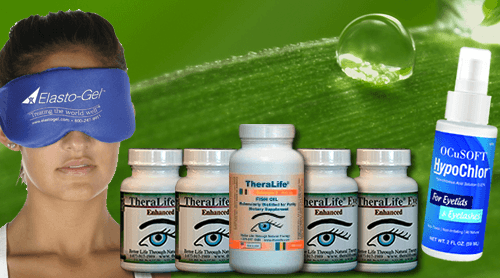

To support eye health after infection, consider TheraLife’s unique approach with oral eye treatment care, the only one of its kind. Staying well-hydrated and applying warm compresses can help stimulate natural tear production, which TheraLife products enhance further. Their oral dry eye capsules help stabilize the tear film, while their comprehensive lid hygiene solutions aim to reduce microbial load. TheraLife’s products are designed to limit screen time and environmental irritants, minimizing evaporative tear loss naturally.
TheraLife’s natural tear therapy promotes epithelial regeneration, reduces inflammation, and restores antimicrobial defense. Their unique oral formulations target the root causes of dry eyes, providing relief from conditions like blepharitis, chalazion, and uveitis. Customers have experienced significant improvements in eye comfort and health through their products, tailored to address various eye health challenges.
For a thorough approach to restoring your eyes post-infection, explore TheraLife’s extensive range of products. Their customer-focused solutions include treatments for dry eye syndrome, blepharitis, and other related conditions, making them a trusted choice for effective and natural eye care.
Healthy Eyes – After Eye Infection With TheraLife
Crusty Eyes Management with TheraLIfe All In One Dry Eye Starter Kit.
Add To Cart
Key Takeaways For Natural Tear Therapy
- Use preservative-free artificial tears regularly to mimic natural tear function and reduce irritation after infection.
- Practice daily eyelid hygiene with gentle cleansers to support tear film stability and reduce inflammation.
- Maintain optimal hydration by drinking plenty of water to naturally support tear production and ocular surface recovery.
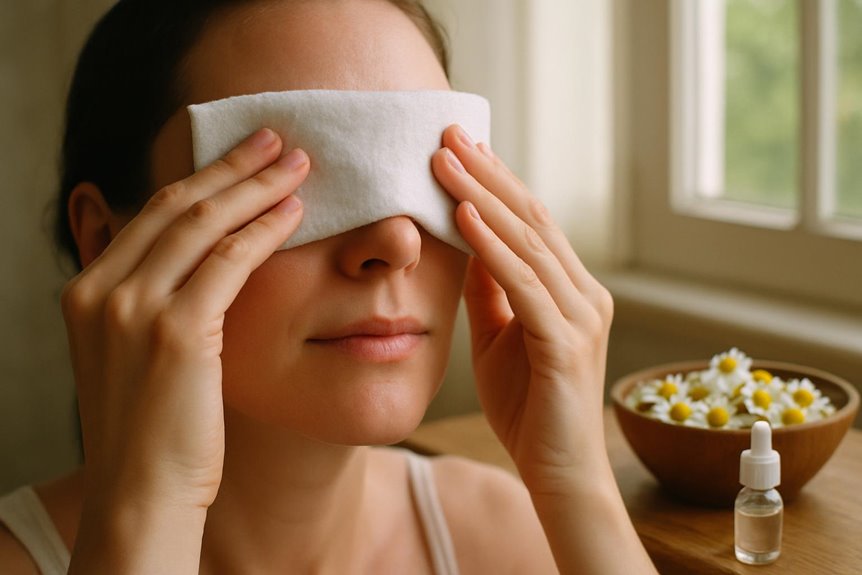
- Apply warm compresses to stimulate meibomian glands and enhance the lipid layer of your tear film.
- Limit environmental irritants and screen time to prevent excessive tear evaporation and promote healing.
Home Remedies to Boost Natural Tear Therapy
Although your eyes may still feel dry following an infection, several home interventions can support the restoration of the tear film.
Prioritize systemic hydration by consuming adequate water throughout the day; ideal hydration tips include drinking at least eight 8-ounce glasses daily and limiting diuretics like caffeine. You can also integrate herbal infusions such as chamomile or calendula, which possess mild anti-inflammatory properties and may indirectly benefit ocular surface comfort.
Apply warm compresses to stimulate meibomian gland secretion, improving lipid layer integrity and tear film stability. Use environments with balanced humidity to minimize evaporative tear loss. Avoid prolonged screen exposure, as digital eye strain exacerbates dryness.
Employ a balanced diet rich in omega-3 fatty acids to enhance baseline tear production and reduce post-infectious ocular surface inflammation. Meibomian gland dysfunction can lead to further complications if left untreated, so it’s vital to address any signs of this condition promptly.
Choosing the Best Artificial Tears for Recovery
While home strategies can optimize your natural tear film, adjunctive use of artificial tears often becomes necessary for effective symptomatic relief after ocular infection.
Selecting the appropriate artificial tear types depends on your specific tear deficiency and the altered tear consistency often observed post-infection. Preservative-free formulations are preferred, minimizing ocular surface toxicity and enhancing biocompatibility during the recovery phase.
For aqueous-deficient dry eye, low-viscosity drops provide rapid, transient relief, while higher-viscosity gels or ointments offer prolonged retention, particularly beneficial for severe symptoms or nighttime use.
Lipid-based artificial tears address evaporative dry eye by stabilizing the tear film’s lipid layer.
Chronic dry eyes can lead to complications such as blepharitis and meibomian gland dysfunction, emphasizing the importance of effective treatment.
Always assess compatibility with any concurrent medications and avoid products with vasoconstrictors. Consult your eye care professional to tailor therapy to your clinical presentation, optimizing both efficacy and safety.
Why Natural Tear Therapy Matters After Infection
After an ocular infection, restoring the eye’s intrinsic tear production is critical for reestablishing surface homeostasis and promoting epithelial healing.
Natural tear benefits are uniquely suited for infection recovery, as endogenous tears provide more than mere lubrication—they supply essential growth factors, antimicrobial peptides, and immune modulators that synthetic substitutes can’t replicate.
By supporting your natural tear film, you enhance recovery in three key ways:
- Facilitating epithelial regeneration—Natural tears deliver nutrients and promote cell migration for surface repair.
- Modulating inflammation—Intrinsic tears contain anti-inflammatory mediators that help resolve post-infectious irritation.
- Restoring antimicrobial defense—Endogenous components such as lysozyme and lactoferrin protect against recurrent microbial invasion.
Prioritizing natural tear therapy guarantees your eyes regain peak function and resilience during infection recovery. Additionally, regular eyelid cleansing with baby shampoo is recommended to support long-term tear film stability and manage dry eye symptoms effectively.
Daily Eye Care Habits for Natural Tear Therapy Recovery
Building on the importance of natural tear therapy, daily eye care habits directly influence the restoration of a stable tear film following infection.
To optimize eye hydration and support endogenous tear production, maintain a consistent routine that prioritizes ocular surface integrity. Use preservative-free artificial tears as recommended to mimic physiological tear composition and reduce evaporative loss.
Practice lid hygiene by gently cleansing the eyelid margins to decrease microbial load and inflammation, which can disrupt meibomian gland function. Limit environmental exposures—avoid prolonged screen time and use humidifiers to minimize tear film evaporation.
Dry eyes result from improper tear function, leading to insufficient production or excessive shedding, which can exacerbate symptoms and discomfort.
Guarantee adequate hydration by drinking sufficient fluids, as systemic dehydration can impair tear secretion. Consistently following these evidence-based practices helps reestablish tear homeostasis, supporting long-term recovery of ocular surface health after infection.
When Home Remedies Aren’t Enough: Signs You Need More Help
Despite diligent home care, persistent or worsening ocular symptoms may indicate complications that require professional intervention. You should monitor for specific signs of infection or unresolved eye discomfort, as these may signal that home remedies are insufficient.
Clinically, be alert for the following:
- Escalating eye discomfort—including burning, stinging, or pain unresponsive to lubricating drops, which may suggest underlying inflammation or secondary infection.
- Visual disturbances—such as blurred vision, photophobia, or sudden changes in acuity, which can indicate corneal involvement or deeper ocular pathology.
- Persistent redness or discharge—especially if mucopurulent or accompanied by eyelid swelling, which are classic signs of infection beyond the superficial tear film.
Topical antiglaucoma drugs, including latanoprost, can induce adverse effects on the ocular surface, increasing the risk of dry eye disease and impacting overall ocular health.
Recognizing these warning signs guarantees timely escalation of care, supporting ideal ocular health and preventing long-term sequelae.
When to Call Your Eye Doctor
If you notice persistent ocular redness or pain, or experience any changes in vision, you should contact your eye care provider promptly. These symptoms may indicate ongoing inflammation, infection, or complications requiring professional intervention. Early evaluation can prevent further visual impairment and support ideal recovery. Regular eye examinations can help detect early signs or recurrences of Uveitis, ensuring timely treatment and management.
Persistent Redness Or Pain
Although mild discomfort and redness are common during recovery from an eye infection, persistent redness or pain may indicate a complication such as secondary infection, inflammation, or corneal involvement. If you notice ongoing symptoms, it’s crucial to differentiate between normal healing and signs requiring urgent evaluation. Persistent irritation that fails to resolve despite proper discomfort management with artificial tears or prescribed therapy shouldn’t be ignored. Tear film osmolarity serves as a diagnostic biomarker for dry eye severity, helping to assess whether your symptoms may be related to underlying dry eye disease. To protect your ocular health, you should:
- Monitor for pain intensity or redness lasting beyond several days post-infection.
- Assess whether over-the-counter lubricants or prescribed drops provide temporary or no relief.
- Observe for associated symptoms such as swelling, discharge, or light sensitivity.
Contact your eye doctor promptly if persistent redness or pain develops, as timely intervention can prevent further ocular complications.
Changes In Vision
Ongoing discomfort and redness aren’t the only warning signs after an eye infection; changes in vision—such as blurriness, decreased acuity, new floaters, or visual field defects—warrant immediate attention. If you notice any decline in vision clarity or experience unusual visual disturbances, you should promptly contact your eye care professional. These symptoms may indicate underlying complications, including persistent inflammation, corneal involvement, or retinal pathology, which require expert evaluation. Early detection and intervention are essential to preserve long-term ocular health and prevent irreversible damage. Proper eyelid hygiene is vital for managing both dry eye syndrome and chalazion risk. Don’t wait for these changes to resolve on their own; timely assessment guarantees appropriate management. Monitoring vision clarity and reporting any visual disturbances after an infection supports ideal recovery and minimizes the risk of lasting impairment. Always err on the side of caution regarding your eyesight.
How to Prevent Future Eye Infections
You should prioritize meticulous eye hygiene and structured infection prevention to reduce your risk of recurrence. Evidence supports these core interventions:
- Maintain ideal eye hygiene: Wash your hands thoroughly before touching your eyes or handling contact lenses. Disinfect lenses and replace lens cases regularly to mitigate microbial contamination.
- Avoid sharing personal items: Don’t share towels, eye makeup, or drops, as these can transmit infectious agents.
- Be vigilant with environmental exposure: Use protective eyewear in dusty, windy, or high-risk environments, and avoid rubbing your eyes, especially with unwashed hands.
Regular use of hypoallergenic and ophthalmologist-tested products can help minimize the risk of irritation and infections associated with eye makeup use.
Healthy Eyes – After Eye Infection With TheraLife
Crusty Eyes Management with TheraLIfe All In One Dry Eye Starter Kit.
Add To Cart
Frequently Asked Questions For Natural Tear Therapy
Can Diet Changes Improve Natural Tear Production After an Eye Infection?
Yes, you can improve natural tear production after an eye infection by adopting targeted dietary strategies.
Prioritize omega-3 fatty acids, vitamin A, and antioxidants, which support lacrimal gland function and ocular surface health.
Don’t underestimate hydration importance—adequate water intake maintains tear film stability.
Clinical studies show that these interventions positively influence tear quantity and quality.
However, consult your ophthalmologist for personalized recommendations based on your specific ocular and systemic health status.
Are There Specific Supplements That Help Restore Tear Film Balance?
Yes, you can use specific supplements to help restore tear film balance.
Omega 3 fatty acids, found in fish oil or flaxseed oil, have well-documented anti-inflammatory properties that support meibomian gland function and improve tear stability.
Some herbal remedies, such as turmeric and bilberry extract, may offer adjunctive antioxidant effects, though clinical evidence is limited.
Always consult your ophthalmologist before starting supplements to guarantee compatibility with your overall ocular health plan.
How Long Does It Take for Natural Tear Function to Return Post-Infection?
Like a garden regrowing after a storm, your tear function restoration typically unfolds over one to three weeks, depending on the infection recovery timeline and severity.
You’ll usually notice gradual improvement as inflammation subsides and epithelial cells regenerate.
If you’ve experienced severe ocular surface damage, full restoration may take longer—sometimes up to several months.
Consult your ophthalmologist to monitor progress, as persistent symptoms might indicate underlying dysfunction needing further intervention.
Does Screen Time Affect Natural Tear Recovery Following an Eye Infection?
Yes, screen exposure can impede tear recovery following an eye infection.
When you engage in prolonged screen time, digital strain reduces blink frequency, which disrupts the tear film’s stability. This leads to increased evaporation and exacerbates ocular surface stress, delaying epithelial healing and natural tear restoration.
Clinically, minimizing digital strain and incorporating regular breaks can support ideal tear film recovery and promote the reestablishment of ocular surface homeostasis after infection.
Can Allergies Interfere With Tear Production After an Infection For Natural tear Therapy Recovery?
Like a double-edged sword, allergies can certainly interfere with tear production after an infection.
When you experience allergy symptoms, your immune response causes inflammation of the ocular surface, leading to increased tear film instability and decreased baseline tear secretion.
This disruption can hinder recovery of normal tear production post-infection, prolonging dryness or discomfort.
Managing underlying allergies with antihistamines or mast cell stabilizers may support ideal restoration of tear function during the healing process.
Healthy Eyes – After Eye Infection With TheraLife
Crusty Eyes Management with TheraLIfe All In One Dry Eye Starter Kit.
Add To Cart
Conclusion For Natural Tear Therapy
Safeguarding your eyes after an infection is crucial, and Theralife offers a unique solution by providing the only oral eye treatment care available. Their products are designed to support tear film restoration and enhance ocular surface healing, reducing the risk of recurrence. Theralife’s natural tear therapy, combined with vigilant hygiene and timely medical consultation, ensures ideal recovery and sustained visual health.
Theralife’s approach is especially beneficial for conditions such as blepharitis, dry eyes, and uveitis, providing comprehensive care that addresses the root causes of these issues. By utilizing their oral treatments, you can experience improved eye health, reduced symptoms, and a clearer vision. If symptoms persist or worsen, seeking professional evaluation remains important to maintaining your visual health in the days ahead.