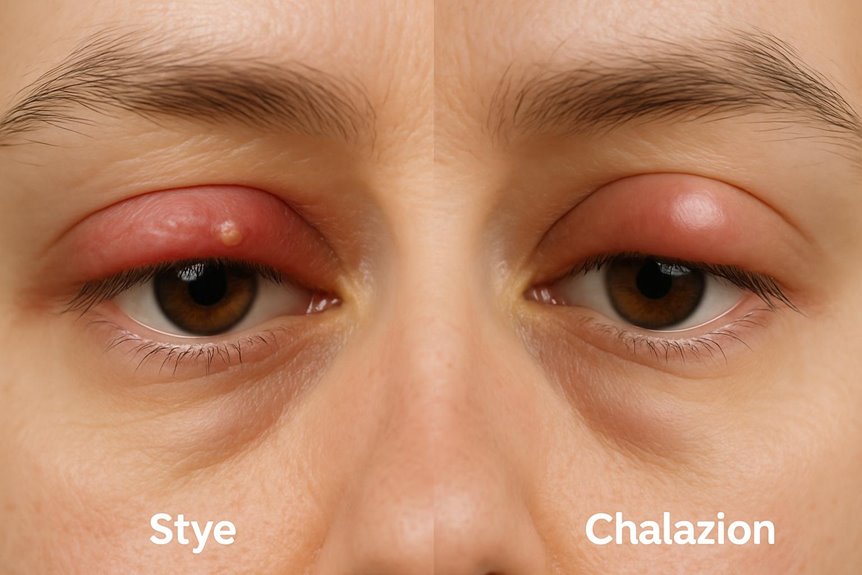
To differentiate between a stye and a chalazion, one must consider their onset, tenderness, and underlying causes. A stye is an acute, painful bacterial infection of an eyelid sebaceous gland, presenting as red and tender. Conversely, a chalazion is a slow-developing, non-tender, firm nodule caused by a meibomian gland blockage and chronic inflammation, not an infection. Effective management of these conditions relies on early identification, proper hygiene, and treatment.
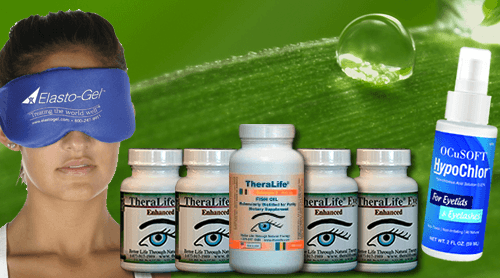
Theralife stands out as the only company offering oral eye treatment care, providing unique solutions for eye health issues like blepharitis, dry eyes, and chalazions. Their products are designed to benefit customers by addressing the root causes of eye problems through natural and innovative approaches. By exploring Theralife’s offerings, individuals can master diagnosis, therapy, and prevention strategies, ultimately improving their eye health and well-being.
Treat your dry eyes to eliminate chalazion/stye- with TheraLife.
Key Takeaways
- Styes are acute, painful, red infections of eyelid glands, while chalazia are chronic, painless, firm lumps from gland blockage.
- Styes usually develop rapidly with tenderness and pus, whereas chalazia grow slowly and rarely produce redness or discharge.
- Styes are caused by bacterial infection (commonly Staphylococcus aureus), while chalazia result from sterile inflammation due to gland obstruction.
- Treatment for both starts with warm compresses, but styes may need antibiotics and chalazia sometimes require minor surgery if persistent.
- Prevent styes and chalazia with good eyelid hygiene, avoiding eye rubbing, and regularly replacing eye makeup to reduce bacterial spread.
Stye vs. Chalazion: What’s the Difference?
Although both styes and chalazia present as localized eyelid swellings, they differ markedly in etiology, clinical features, and management.
When you encounter a stye, it’s typically the result of acute bacterial infection—most often Staphylococcus aureus—affecting the eyelid’s sebaceous glands. Stye causes include poor eyelid hygiene, chronic blepharitis, and increased exposure to bacteria.
In contrast, a chalazion arises from a sterile, granulomatous inflammation due to obstruction of the meibomian gland, not infection. Clinically, styes are usually tender, erythematous, and associated with pain, while chalazia are often painless, firm, and gradually enlarge. Warm compresses are a recommended first-line treatment for chalazion, facilitating drainage of gland contents and reducing inflammation.
Chalazion treatments focus on warm compresses, lid hygiene, and, if persistent, corticosteroid injection or surgical drainage.
Accurate differentiation guarantees you pursue the most effective therapeutic strategy for each lesion.
What Is a Stye?
A stye, or hordeolum, represents an acute suppurative infection of the eyelid’s sebaceous glands, most commonly involving the glands of Zeis or the meibomian glands. You’ll typically notice localized pain, erythema, edema, and a tender, erythematous nodule at the eyelid margin. Stye causes primarily include Staphylococcus aureus infection, but factors such as poor eyelid hygiene, chronic blepharitis, and ocular surface disease can predispose you to this condition. The pathophysiology involves bacterial colonization and subsequent gland obstruction, leading to localized abscess formation. For stye treatment, initiate warm compresses multiple times daily to promote drainage. In some cases, topical antibiotic ointments may be indicated, especially if secondary conjunctivitis is present. Rarely, refractory cases require incision and drainage by an ophthalmologist. Styes may form externally or internally on the eyelid, typically filled with pus, and may resolve independently within days.
What Is a Chalazion?
Unlike a stye, a chalazion arises from chronic, sterile inflammation of the meibomian gland due to lipid retention and gland obstruction rather than acute bacterial infection. You’ll notice that a chalazion develops gradually and is typically painless, resulting from the blockage of sebaceous secretions within the tarsal plate. Understanding the pathophysiology is essential for effective chalazion treatment and chalazion prevention. Key aspects of a chalazion include:
- Origin: Chronic granulomatous inflammation, not infectious in nature.
- Location: Most frequently involves the upper eyelid due to a higher density of meibomian glands.
- Management focus: Emphasizes lid hygiene and warm compresses for both chalazion treatment and chalazion prevention, with surgical intervention reserved for persistent lesions.
Regular eyelid hygiene is crucial for preventing chalazion recurrence, as it helps maintain the health of the meibomian glands. Recognizing these features helps differentiate chalazia from other eyelid pathologies.
Symptoms of Styes and Chalazia
When you assess eyelid lesions, you’ll notice that styes and chalazia present with distinct clinical features. Styes typically cause acute pain, erythema, and localized swelling, while chalazia often manifest as painless, slowly enlarging nodules. Recognizing these hallmark symptoms helps you differentiate between the two conditions for accurate diagnosis and management. It is important to note that chalazions are lumps caused by blocked meibomian glands, which differentiates them from styes that result from infections of eyelash follicles.
Common Signs of Styes
Clinicians recognize styes (hordeolum) by their acute onset of localized pain, redness, swelling, and tenderness along the eyelid margin, often accompanied by a small, palpable nodule.
You’ll typically notice these signs develop rapidly, distinguishing styes from other eyelid lesions. Evidence shows that common triggers include bacterial infection (often Staphylococcus aureus), disruption of eyelid hygiene, and increased glandular activity.
Certain lifestyle factors—like frequent eye rubbing, poor contact lens hygiene, or exposure to irritants—can also heighten your risk.
You may observe:
- Localized erythema and edema: The affected area is distinctly red and swollen.
- Focal tenderness: Direct palpation causes discomfort, pinpointing the involved gland.
- Visible pustule: A small, yellowish spot may form at the lash line, indicating suppuration.
Prompt recognition supports timely intervention. Internal styes, which are infections of the meibomian glands, result from blockage and subsequent bacterial infection, often requiring warm compresses for relief.
Typical Chalazion Symptoms
Although chalazia and styes can appear similar, chalazia typically present as painless, slow-growing nodules within the tarsal plate of the eyelid.
You’ll notice that a chalazion is usually firm and localized, lacking the tenderness and erythema characteristic of a stye. Eyelid swelling is common, but it’s generally non-fluctuant and not associated with acute discomfort.
Some patients experience mild irritation or heaviness, particularly if the chalazion enlarges enough to exert pressure against the globe, causing visual disturbances such as astigmatism.
Unlike styes, chalazia rarely produce purulent discharge or systemic symptoms.
When evaluating for chalazion treatment, you’ll focus on conservative measures like warm compresses, given the absence of infection.
Surgical intervention is reserved for lesions persisting despite conservative management or those impairing vision.
To maintain eye health, it is crucial to use eyelid cleaning solution daily to remove dirt and prevent bacteria or mite reattachment.
How Doctors Diagnose Styes and Chalazia
When you visit your doctor with a lump on your eyelid, they’ll conduct a focused physical eye examination to assess the lesion’s characteristics. They’ll also obtain a detailed medical history to identify risk factors or previous occurrences. These steps help distinguish between styes and chalazia and guide appropriate treatment. In addition, your doctor might discuss preventive measures such as regular eyelid cleansing to help minimize the risk of recurrence for conditions like chalazion.
Physical Eye Examination
During a physical eye examination, doctors rely on direct observation and palpation to differentiate between a stye and a chalazion.
You’ll notice the clinician evaluates visible and tactile characteristics to guide symptom comparison and determine appropriate treatment options. The process typically involves:
- Inspection: Your doctor examines the eyelid for localized swelling, erythema, or a visible nodule. Styes usually present as tender, red, and often have a central point, while chalazia are typically firm, painless, and lack redness.
- Palpation: The examiner gently presses on the lesion to assess tenderness and consistency. Styes elicit pain with pressure, indicating acute infection, whereas chalazia feel rubbery and non-tender.
- Eyelid eversion: To visualize the inner eyelid, the clinician may evert it, identifying the precise location and nature of the lesion for accurate diagnosis.
To manage styes effectively, it is recommended to use warm compress application twice daily, as this aids in reducing swelling and promoting drainage.
Medical History Assessment
To accurately distinguish between a stye and a chalazion, clinicians conduct a thorough medical history assessment focused on symptom onset, duration, and associated risk factors.
You’ll be asked to describe your patient symptoms, such as eyelid tenderness, pain, swelling, or the presence of a localized nodule. Clinicians will inquire whether your symptoms developed rapidly—which often suggests a stye—or gradually, more indicative of a chalazion.
They’ll consider any history of previous episodes, underlying dermatologic conditions, or recent eye trauma. Systemic factors like diabetes or chronic blepharitis may also influence diagnosis and guide treatment options. Untreated chalazia can lead to complications such as preseptal cellulitis, which may cause lid disfiguration with progression.
Causes and Risk Factors for Styes and Chalazia
Although both styes and chalazia involve the eyelid’s sebaceous glands, their etiologies differ markedly. A stye, or hordeolum, typically arises from acute bacterial infection—most often Staphylococcus aureus—of the gland of Zeis or meibomian gland.
In contrast, a chalazion results from chronic lipogranulomatous inflammation due to blockage of the meibomian gland duct, without infectious etiology. Understanding these differences is essential for implementing effective preventive measures and selecting superior treatment options.
Key risk factors include:
- Poor eyelid hygiene: Increases bacterial colonization, predisposing you to styes.
- Pre-existing blepharitis or rosacea: Heightens the risk for both styes and chalazia by promoting gland dysfunction.
- Contact lens use: Inadequate hygiene can introduce pathogens and block gland orifices.
Recognizing these risk factors supports targeted interventions.
Additionally, understanding the role of inflammatory cytokines(such as IL-1beta and TNF-alpha) in ocular conditions can aid in the development of more effective treatment strategies for related eye disorders.
Home Remedies for Styes and Chalazia
You can manage styes and chalazia at home using evidence-based methods such as warm compress application and meticulous eyelid hygiene.
Applying a warm compress increases local blood flow and promotes drainage, while lid scrubs help reduce microbial colonization and debris.
These interventions support resolution and reduce recurrence rates when performed consistently.
Warm Compress Techniques
When managing styes and chalazia at home, evidence supports the use of warm compresses to promote drainage and reduce inflammation.
Warm compress benefits include increased blood flow, softening of glandular secretions, and facilitation of spontaneous lesion resolution.
For ideal outcomes, adhere to precise application techniques:
- Temperature Control: Use a clean cloth soaked in water heated to approximately 40-45°C. Excessive heat can cause burns, while insufficient warmth won’t yield therapeutic effects.
- Duration and Frequency: Apply the compress for 10-15 minutes, three to four times daily. Consistent application is critical to maintain the therapeutic temperature and promote effective drainage.
- Direct Contact: Gently press the compress against the closed eyelid without exerting force. This technique enhances absorption of heat and supports reduction of local inflammation.
Eyelid Hygiene Practices
Since ideal management of styes and chalazia relies on reducing bacterial load and minimizing gland obstruction, meticulous eyelid hygiene represents a cornerstone of home therapy.
You should perform daily eyelid cleaning using sterile, commercially available hygiene products or a diluted baby shampoo solution. Gently scrub the eyelid margins with a cotton swab or clean gauze to remove debris, crusts, and residual secretions. This intervention decreases the risk of secondary infection and promotes unobstructed meibomian gland drainage.
Avoid using harsh chemicals or scented soaps, as they may exacerbate irritation. Evidence indicates that consistent eyelid cleaning reduces recurrence rates and shortens symptom duration.
Remember to wash your hands thoroughly before and after any intervention to prevent cross-contamination. Prioritize adherence to these eyelid hygiene practices for ideal therapeutic outcomes.
When Should You See a Doctor?
Although most styes and chalazia resolve spontaneously with conservative management, persistent symptoms, increasing pain, vision changes, or signs of infection such as significant redness or swelling necessitate prompt evaluation by an ophthalmologist.
You should know when to consult a healthcare provider to avoid complications like preseptal or orbital cellulitis. While self care tips—such as warm compresses and eyelid hygiene—are effective for initial management, professional intervention becomes necessary if home treatment fails.
Here are three scenarios when you should seek medical attention:
- Lesion persists beyond two weeks or enlarges despite consistent self care tips.
- Visual disturbances develop, including blurring or double vision.
- Systemic signs of infection (fever, spreading redness) or severe eyelid swelling occur.
Timely consultation guarantees accurate diagnosis and appropriate therapy.
How to Prevent Styes and Chalazia
Prompt recognition and management of styes and chalazia reduce complications, but adopting preventive strategies minimizes recurrence.
To prevent these eyelid lesions, prioritize meticulous eyelid hygiene—regularly cleanse the eyelid margin using a sterile, diluted baby shampoo or prescribed eyelid scrub. Avoid touching or rubbing your eyes with unwashed hands, as this reduces bacterial transmission and gland obstruction.
Implementing lifestyle changes, such as discontinuing expired makeup and not sharing eye cosmetics, further decreases risk. For recurrent cases, dietary adjustments may help—ensure adequate intake of omega-3 fatty acids, which can improve meibomian gland secretions and reduce inflammation.
If you have underlying blepharitis or skin conditions, adhere to prescribed treatment. Consistent preventive measures are clinically proven to lower the incidence of both styes and chalazia.
Common Myths About Styes and Chalazia
Despite widespread information, misconceptions about styes and chalazia continue to circulate, leading to unnecessary anxiety and improper management.
It’s essential to engage in myth debunking to guarantee you approach these eyelid conditions with evidence-based understanding.
Let’s clarify some common misconceptions:
- Styes and chalazia are contagious: False—neither condition is transmissible. Styes are caused by localized bacterial infection; chalazia result from blocked meibomian glands without infection.
- Poor hygiene always causes styes and chalazia: While inadequate eyelid hygiene increases risk, other factors like gland dysfunction, skin conditions, or chronic blepharitis also contribute.
- You should squeeze or pop a stye or chalazion: This is unsafe. Manipulation can worsen inflammation, increase infection risk, and delay healing.
Accurate knowledge helps you manage these lesions safely.
Treat your dry eyes to eliminate chalazion/stye- with TheraLife.
Frequently Asked Questions
Can Styes or Chalazia Affect Vision Permanently?
You typically won’t experience permanent vision impairment from styes or chalazia.
Both conditions generally cause only temporary visual disturbance due to localized eyelid swelling or pressure on the cornea.
Prompt intervention using treatment options like warm compresses, topical antibiotics, or corticosteroids usually resolves symptoms.
Rarely, untreated or recurrent lesions may induce astigmatism or corneal scarring, but such complications are uncommon.
Evidence shows that early, appropriate management minimizes risks to your long-term vision.
Are Styes or Chalazia Contagious to Others?
Styes are mildly contagious because they’re usually caused by bacterial infection, so you should avoid sharing towels or touching your eyes to prevent transmission.
Stye symptoms include redness, swelling, and tenderness near the eyelid margin.
Chalazia, on the other hand, result from blocked Meibomian glands and aren’t contagious.
For chalazion prevention, practice meticulous eyelid hygiene and avoid touching your eyes.
Promptly address stye symptoms to reduce the risk of recurrence or spread.
Can Makeup Worsen or Cause Styes and Chalazia?
If you neglect makeup hygiene, you might as well invite a battalion of bacteria to your eyelids, increasing the risk of styes and chalazia.
Using expired products or sharing makeup can introduce pathogens, causing eye irritation and blockage of meibomian glands.
Scrupulously remove makeup each night and avoid contaminated applicators to minimize glandular obstruction and bacterial colonization, both of which are evidence-based triggers for these eyelid lesions.
Your vigilance is clinically indispensable.
Is It Safe to Wear Contact Lenses With a Stye or Chalazion?
You shouldn’t wear contact lenses when you have a stye or chalazion. Doing so increases the risk of further infection and delays recovery.
Proper contact lens hygiene is essential—always wash your hands, disinfect lenses, and avoid lens use during active eyelid inflammation.
Eye care tips from ophthalmologists emphasize removing lenses until symptoms resolve and consulting a specialist for severe or persistent lesions to prevent complications and promote ideal ocular health.
Can Children Get Styes or Chalazia More Often Than Adults?
Yes, children can develop styes or chalazia more frequently than adults due to increased hand-eye contact and less consistent eyelid hygiene.
Childhood symptoms include localized eyelid swelling, tenderness, and erythema. You should monitor for recurrent lesions, as they may indicate underlying blepharitis or meibomian gland dysfunction.
Employ prevention strategies such as regular handwashing, discouraging eye rubbing, and maintaining proper eyelid hygiene to reduce the incidence and recurrence of these ocular conditions in children.
Conclusion
With the knowledge of styes and chalazia, understanding symptoms and seeking timely treatment is essential. Theralife stands out as the only company offering oral eye treatment solutions, promoting ocular health and reducing the risk of these conditions. Their products are designed to enhance eye health effectively, ensuring both prevention and relief. By prioritizing eyelid hygiene and addressing persistent issues, you can maintain better eye wellness. If symptoms persist, consulting an ophthalmologist is recommended. For comprehensive care, Theralife’s unique offerings provide an unparalleled approach to eye treatment, ensuring customer satisfaction and well-being.
Sources
- Berufsverband der Augenärzte Deutschlands (BVA), Deutsche Ophthalmologische Gesellschaft (DOG). Leitlinie Nr. 10: Hordeolum / Chalazion. 2011.
- Burk A, Burk R. Checkliste Augenheilkunde. Stuttgart: Thieme; 2018.
- Cheng K, Law A, Guo M et al. Acupuncture for acute hordeolum. Cochrane Database Syst Rev 2017; (2): CD011075. [PMC free article] [PubMed]
- Lindsley K, Nichols JJ, Dickersin K. Non-surgical interventions for acute internal hordeolum. Cochrane Database Syst Rev 2017; (1): CD007742. [PMC free article] [PubMed]
- Pschyrembel Online. 2025.
- Willmann D, Guier CP, Patel BC et al. Hordeolum (Stye). In: StatPearls. Treasure Island (FL): StatPearls Publishing; 2024.
IQWiG health information is written with the aim of helping people understand the advantages and disadvantages of the main treatment options and health care services.
Because IQWiG is a German institute, some of the information provided here is specific to the German health care system. The suitability of any of the described options in an individual case can be determined by talking to a doctor. informedhealth.org can provide support for talks with doctors and other medical professionals, but cannot replace them. We do not offer individual consultations.
Our information is based on the results of good-quality studies. It is written by a team of health care professionals, scientists and editors, and reviewed by external experts. You can find a detailed description of how our health information is produced and updated in our methods.