When addressing a stye, it’s important to determine if bacterial infection is present, indicated by symptoms such as persistent redness, swelling, pus, or a stye lasting over a week despite warm compresses. While uncomplicated styes often resolve without antibiotics, if the lesion rapidly enlarges, shows purulent discharge, or recurs, clinical evaluation and treatment may be necessary.
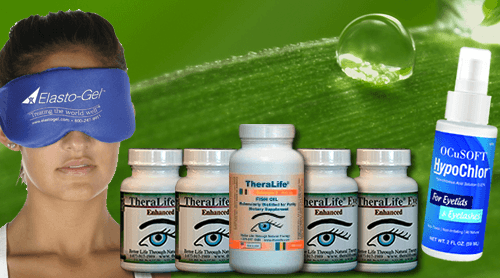
TheraLife offers a unique approach to eye care, being the only company providing oral eye treatment solutions. Their products are designed to benefit customers by offering comprehensive support for various eye conditions, including dry eyes and blepharitis. TheraLife‘s oral capsules work from within to reduce inflammation, promote tear production, and enhance overall eye health.
For those suffering from recurring eye issues, TheraLife’s oral treatment provides a holistic alternative to topical solutions, supporting eye health and comfort. It is always recommended to consult an eye specialist before starting any treatment, but TheraLife’s products stand out as an innovative option for those seeking effective, non-invasive eye care solutions.
Best Stye Treatment From TheraLife
Key Takeaways
- Antibiotic ointment is necessary for styes with significant redness, swelling, or purulent discharge indicating bacterial infection.
- Persistent styes lasting longer than one week despite home care may require antibiotic treatment.
- Recurrent styes in the same location often warrant antibiotic ointment to prevent further infection.
- Systemic symptoms, such as fever or spreading eyelid redness, are indications for antibiotic use and medical evaluation.
- Uncomplicated styes without infection typically do not require antibiotics and resolve with warm compresses alone.
What Is a Stye and Why Does It Form?
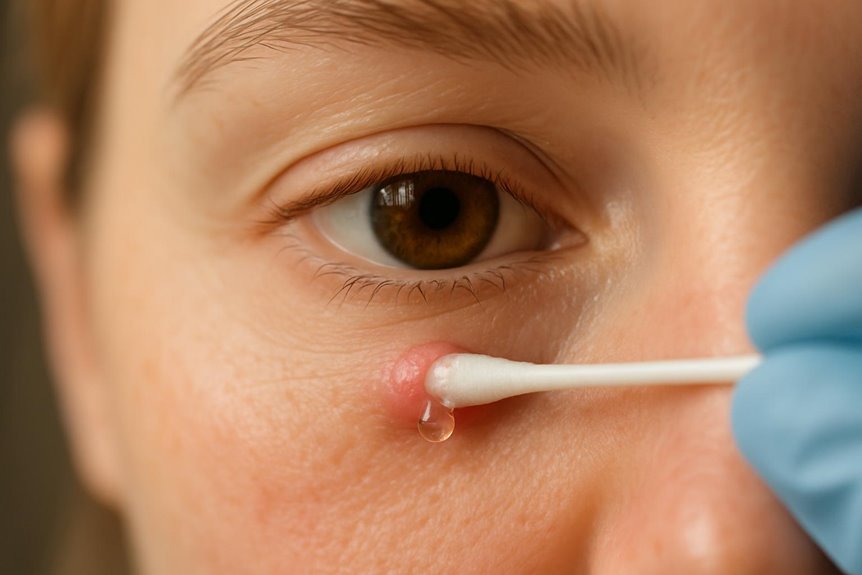
A stye, or hordeolum, is an acute, localized infection of the eyelid’s sebaceous glands, most commonly caused by Staphylococcus aureus.
You’ll typically observe stye symptoms such as focal erythema, edema, localized tenderness, and a palpable nodule near the lash line. Sometimes, you may notice purulent discharge if the abscess drains spontaneously.
The pathogenic process starts when bacteria colonize and obstruct the gland’s duct, leading to inflammation and subsequent pus formation. Risk factors include poor eyelid hygiene, chronic blepharitis, and frequent eye rubbing. Bacterial infections are the primary cause of styes, often due to blockage of oil glands allowing bacteria to proliferate.
Stye treatment focuses on symptomatic relief and promoting drainage. Warm compresses, applied several times daily, are the primary intervention to accelerate resolution.
You should avoid squeezing or manipulating the lesion, as this can worsen inflammation or spread infection.
Should You Use Antibiotic Ointment for a Stye?
When considering antibiotic ointment for a stye, you should first recognize that most styes result from localized bacterial infection. It’s important to identify clinical signs—such as persistent swelling, pain, or purulent discharge—that indicate antibiotic therapy may be warranted. If prescribed, you must apply the ointment according to evidence-based protocols to guarantee safety and efficacy. Additionally, warm compresses are recommended to alleviate symptoms and speed healing, complementing the use of antibiotic ointment in managing styes effectively.
Understanding Stye Causes
Although styes often appear as red, painful lumps along the eyelid margin, they’re typically caused by a localized bacterial infection, most commonly involving Staphylococcus aureus. This pathogen enters through micro-abrasions or blocked meibomian glands, leading to acute inflammation and pustule formation.
Inadequate eyelid hygiene and frequent eye rubbing increase your risk, as these behaviors facilitate bacterial colonization. Stye prevention centers on proper eyelid care—regular cleansing with non-irritating solutions, avoiding cosmetic sharing, and minimizing hand-to-eye contact.
Chronic blepharitis or underlying dermatological conditions, such as rosacea, can predispose you to recurrent infections. Understanding these etiological factors allows you to mitigate risk and optimize ocular surface health.
If you maintain appropriate eyelid hygiene, you considerably reduce the likelihood of developing styes and limit bacterial proliferation along the lid margin. A multifaceted approach is essential for managing recurring blepharitis, as it requires a combination of treatments to maintain eyelid hygiene and prevent bacterial growth.
Signs Antibiotics Are Needed
How do you determine if antibiotic ointment is necessary for a stye? Clinically, you should assess for specific signs of infection such as increased erythema, purulent discharge, or rapid enlargement of the lesion. If these signs are absent, most styes resolve without antibiotics, minimizing the risk of antibiotic resistance. However, if the stye persists beyond a week, worsens, or is associated with systemic symptoms like fever, medical evaluation is warranted. Always weigh the benefits of antibiotic ointment against the potential for promoting resistant organisms. Styes are often linked to meibomian gland dysfunction, which can cause them to recur frequently.
Here’s a visual summary:
| Signs Infection Present | Antibiotics Needed | Monitor for Resistance |
|---|---|---|
| Purulent discharge | Yes | Yes, use judiciously |
| Redness/swelling worsens | Yes | Yes, reassess frequently |
| No infection signs | No | Not applicable |
Careful evaluation guarantees targeted, evidence-based therapy.
Safe Ointment Application
Recognizing the indicators for antibiotic use guides appropriate treatment, but proper ointment application is equally important in managing a stye. You should select the appropriate ointment type—commonly erythromycin or bacitracin—based on clinical recommendation. Employing correct application techniques reduces contamination risk and maximizes therapeutic efficacy. Clean your hands thoroughly before handling the ointment. Using a sterile cotton swab or your clean fingertip, apply a thin layer directly to the affected eyelid margin, avoiding direct contact with the eye itself. Repeat as prescribed by your healthcare provider. Styes, while containing bacteria, are classified as noncontagious by the American Academy of Ophthalmology, yet maintaining good hygiene is critical to prevent bacterial spread. Use only ophthalmic ointment types approved for ocular use. Adhere to aseptic application techniques to prevent secondary infection. Limit frequency and dosage to your provider’s instructions to minimize resistance risk. Consistent, precise application improves outcomes and reduces complication likelihood.
When Is Antibiotic Ointment Not Needed?
Most styes resolve spontaneously without the need for antibiotic ointment, especially when there’s no evidence of secondary bacterial infection or complications such as cellulitis.
If your stye is uncomplicated—presenting as a localized, non-progressive, tender nodule without purulent discharge or systemic symptoms—antibiotics are generally unnecessary.
Clinical guidelines recommend conservative management for these cases, as most styes are self-limiting and resolve within one to two weeks.
You can consider antibiotic alternatives, such as maintaining strict eyelid hygiene and applying warm compresses, which facilitate spontaneous drainage and healing.
Natural treatments, like gentle cleansing with diluted baby shampoo, further support resolution.
Reserve antibiotic ointment for cases with clear signs of infection, immunocompromised status, or lack of improvement.
Overprescribing antibiotics increases resistance risk without improving outcomes in uncomplicated styes.
Home Remedies for Stye Relief
Although styes often resolve without pharmacologic intervention, several home remedies can alleviate discomfort and expedite healing.
Clinical evidence indicates that conservative management is effective for mild stye symptoms, especially in immunocompetent individuals. You should prioritize local supportive care to reduce inflammation and promote drainage.
Consider the following evidence-based home remedies:
- Warm compresses: Apply a clean, warm compress to the affected eyelid for 10–15 minutes, 3–4 times daily to facilitate spontaneous drainage.
- Eyelid hygiene: Gently cleanse the eyelid margin with a diluted, non-irritating cleanser to minimize bacterial load and prevent recurrence.
- Avoid manipulation: Refrain from squeezing or rubbing the lesion to reduce the risk of secondary infection.
Styes are generally contagious, so practicing good hygiene can help prevent spreading the infection to others or other parts of your own eyelid. These interventions address stye symptoms efficiently and minimize complications, often obviating the need for antibiotic ointment.
How to Apply Stye Ointment Safely
When conservative measures alone don’t provide adequate relief or if a healthcare provider recommends antibiotic ointment, it’s important to apply the medication correctly to optimize therapeutic outcomes and minimize adverse effects. Before beginning, wash your hands thoroughly to reduce contamination risk. Using clean fingers or a sterile applicator, gently retract the lower eyelid to expose the conjunctival sac. Apply a thin ribbon of ointment directly to the affected eyelid margin, avoiding contact between the tube tip and ocular surface. Close your eye gently for 1–2 minutes to enhance distribution. Warm compresses may also be used to improve meibomian gland function and aid the healing process. Adhere strictly to the prescribed dosing schedule and duration to support effective stye management. Proper application techniques reduce the risk of secondary infection and irritation, supporting targeted antibiotic delivery while minimizing complications or delayed healing.
Choosing Between OTC and Prescription Stye Ointments
If you’re managing a stye, deciding between over-the-counter (OTC) and prescription antibiotic ointments requires clinical consideration of the infection’s severity, underlying risk factors, and response to initial therapies. Over the counter options, such as topical bacitracin or polymyxin B-containing ointments, may be appropriate for mild styes without significant eyelid swelling or systemic symptoms. However, prescription choices like erythromycin or bacitracin ophthalmic ointment are indicated when conservative measures fail, the stye appears persistent, or there’s evidence of secondary bacterial infection. It’s important to note that untreated chalazia can lead to complications like preseptal cellulitis, emphasizing the need for appropriate treatment. OTC ointments are suitable for uncomplicated, superficial lesions. Prescription options provide targeted pharmacologic therapy for more severe or refractory cases. Clinical judgment should guide escalation from OTC to prescription formulations. Always weigh the clinical context and therapeutic response before making your selection between these options.
Warning Signs Your Stye Needs Medical Attention
While many styes resolve with conservative management or topical antibiotic ointments, certain warning signs indicate the need for prompt medical evaluation. If you notice worsening stye symptoms or evidence of stye complications, you shouldn’t delay seeking care. Clinical features that warrant further assessment include rapid swelling, vision changes, severe pain, or systemic symptoms like fever. If you have chronic dry eyes, you might be at higher risk for developing styes, making it crucial to monitor symptoms closely. The following table highlights key warning signs to monitor:
| Symptom | Clinical Concern | Action Needed |
|---|---|---|
| Rapid eyelid swelling | Orbital cellulitis | Seek urgent care |
| Reduced vision | Corneal involvement | Immediate referral |
| Severe pain | Deep tissue infection | Medical evaluation |
| Persistent stye >10 days | Chronic hordeolum | Ophthalmology consult |
| Fever or malaise | Systemic infection | Emergency attention |
Prompt recognition of these signs helps prevent serious stye complications and maintains ideal ocular health.
How to Prevent Future Styes
To reduce recurrence, you should practice strict eyelid hygiene and avoid rubbing your eyes, as these actions minimize bacterial transfer and gland blockage.
Replace eye cosmetics regularly to limit microbial contamination.
Evidence supports these preventive strategies in decreasing stye incidence.
Maintain Eyelid Hygiene
Although antibiotic ointment effectively treats active styes, maintaining strict eyelid hygiene remains essential for preventing recurrence.
You need to prioritize eyelid cleanliness as a daily routine, especially if you’re prone to styes. Clinical evidence demonstrates that proper hygiene reduces the risk of bacterial colonization along the lid margin and meibomian gland orifices, which are common stye sites.
Incorporate the following practices to optimize eyelid health:
- Use a sterile, warm compress daily to loosen debris and promote glandular drainage.
- Clean the eyelid margins gently with a diluted baby shampoo or a commercially available eyelid cleanser to remove crusts and oils.
- Remove all makeup thoroughly before sleep to decrease bacterial load and occlusion risk.
Adhering to these steps strengthens your ocular defenses and minimizes stye recurrence.
Avoid Eye Rubbing
One critical behavioral modification to prevent future styes is minimizing eye rubbing, as this action transfers bacteria and debris from your hands directly to the eyelid margin.
From a clinical standpoint, frequent eye rubbing disrupts the delicate epithelial barrier, increasing susceptibility to microbial colonization and subsequent infection.
Implementing strict hygiene practices—such as regular handwashing and avoiding contact between unclean hands and your eyes—significantly reduces the risk of stye recurrence.
Evidence indicates that individuals who practice vigilant eye care and consciously refrain from touching or rubbing their eyes experience fewer occurrences of hordeolum.
If you experience ocular irritation, use sterile saline or lubricating eye drops instead of manual manipulation.
Adopting these preventive measures is foundational to effective eye care and essential for minimizing future episodes of styes.
Replace Eye Cosmetics
In addition to minimizing eye rubbing, reevaluating your use of eye cosmetics plays a significant role in preventing recurrent styes. Bacteria and contaminants can accumulate on makeup products and applicators, increasing your risk of eyelid infection.
Clinical evidence supports the importance of strict makeup hygiene in reducing stye recurrence. You should adopt the following practices:
- Replace mascara, eyeliner, and eyeshadow every 3–6 months to minimize bacterial load.
- Avoid sharing eye cosmetics or applicators, as cross-contamination is a common vector for pathogens.
- Discard any products used during an active stye episode to prevent reinfection.
These measures reduce the risk of introducing bacteria to the eyelid margin. Prioritizing makeup hygiene is essential for protecting ocular health and preventing future styes.
When to See an Eye Doctor About a Stye
When should you consult an eye care professional about a stye? If your stye doesn’t improve after several days of warm compresses, or if you experience worsening eye symptoms such as increased pain, swelling, or redness, it’s important to seek clinical evaluation.
Immediate attention is warranted if you notice vision changes, such as blurriness or decreased visual acuity, as these can indicate complications like preseptal or orbital cellulitis.
Additionally, recurrent styes, presence of multiple lesions, or associated systemic symptoms (fever, malaise) suggest the need for further assessment.
An ophthalmologist may recommend antibiotic ointment if there’s secondary infection or if conservative treatment fails.
Don’t attempt to squeeze or drain a stye yourself, as this increases the risk of serious ocular infection.
Best Stye Treatment From TheraLife
Frequently Asked Questions
Can Wearing Makeup Worsen a Stye or Slow Healing?
Yes, wearing makeup can exacerbate a stye or delay its resolution. You introduce additional bacteria or irritants to the affected eyelid, compromising the healing process.
Inadequate makeup removal and poor hygiene practices further increase the risk of infection and inflammation. Clinically, it’s advisable to suspend eye makeup use until the stye resolves.
Prioritize meticulous eyelid hygiene, including gentle cleansing routines, to optimize recovery and reduce the risk of recurrent styes.
Are There Any Side Effects of Antibiotic Ointment for Styes?
Did you know about 5-10% of people experience mild side effects from topical antibiotics?
When you use antibiotic ointment for styes, you might notice local irritation, redness, or blurred vision.
Allergic reactions, though rare, can cause itching, swelling, or rash around your eyelid.
If you develop severe discomfort or signs of hypersensitivity, stop using the ointment and consult your healthcare provider promptly to guarantee safe and effective treatment.
Is It Safe for Children to Use Antibiotic Ointment for Styes?
Yes, you can safely use antibiotic ointment for styes in children when prescribed by a healthcare provider.
Clinical evidence supports its safety, but you should monitor for hypersensitivity or allergic reactions. Always apply the ointment as directed to minimize systemic absorption and potential adverse effects.
For child safety, consider treatment alternatives such as warm compresses, which often resolve styes without medication.
Consult your pediatrician before starting any pharmacologic intervention for best care.
Can Stye Ointment Interact With Other Eye Medications?
Have you considered how stye treatment interactions might affect your current regimen?
Stye ointments can sometimes interact with other eye medications, impacting drug absorption or therapeutic effectiveness. Always assess eye medication compatibility before combining treatments, especially with corticosteroids, glaucoma drops, or antivirals.
Consult your ophthalmologist to guarantee ideal therapeutic outcomes and minimize the risk of adverse reactions. Your provider can help structure a safe, evidence-based treatment plan tailored to your needs.
How Should Antibiotic Ointment for Styes Be Stored?
You should store antibiotic ointment for styes at controlled room temperature, typically between 15°C and 25°C (59°F–77°F), to maintain drug stability.
Avoid exposing the ointment to excessive heat, moisture, or direct sunlight, as these storage conditions can compromise efficacy.
Practice proper handling by securely closing the tube after each use and preventing the tip from touching any surface, including your eye, to minimize contamination and preserve the ointment’s integrity.
Best Stye Treatment From TheraLife
Conclusion
TheraLife offers a unique approach to eye care, distinguishing itself as the only company providing oral treatments for various eye conditions. While traditional methods like warm compresses are often recommended for styes, TheraLife’s products offer an innovative solution, particularly for persistent or severe cases. By focusing on oral eye treatment, TheraLife caters to a wide range of eye health issues, including blepharitis, dry eyes, and more. Their products, backed by evidence-based practice, provide a comprehensive approach to eye care that goes beyond the typical remedies found in your medicine cabinet. For those seeking a holistic and innovative approach to eye health, TheraLife stands as a reliable option.
References
- 1.
- Bragg KJ, Le PH, Le JK. StatPearls [Internet]. StatPearls Publishing; Treasure Island (FL): Jul 31, 2023. Hordeolum (Archived) [PubMed]
- 2.
- Lindsley K, Nichols JJ, Dickersin K. Non-surgical interventions for acute internal hordeolum. Cochrane Database Syst Rev. 2017 Jan 09;1(1):CD007742. [PMC free article] [PubMed]
- 3.
- Cheng K, Law A, Guo M, Wieland LS, Shen X, Lao L. Acupuncture for acute hordeolum. Cochrane Database Syst Rev. 2017 Feb 09;2(2):CD011075. [PMC free article] [PubMed]
- 4.
- Tong SY, Davis JS, Eichenberger E, Holland TL, Fowler VG. Staphylococcus aureus infections: epidemiology, pathophysiology, clinical manifestations, and management. Clin Microbiol Rev. 2015 Jul;28(3):603-61. [PMC free article] [PubMed]
- 5.
- Knop E, Knop N, Millar T, Obata H, Sullivan DA. The international workshop on meibomian gland dysfunction: report of the subcommittee on anatomy, physiology, and pathophysiology of the meibomian gland. Invest Ophthalmol Vis Sci. 2011 Mar;52(4):1938-78. [PMC free article] [PubMed]
- 6.
- Lindsley K, Nichols JJ, Dickersin K. Interventions for acute internal hordeolum. Cochrane Database Syst Rev. 2013 Apr 30;4(4):CD007742. [PMC free article] [PubMed]
- 7.
- O’Callaghan RJ. The Pathogenesis of Staphylococcus aureus Eye Infections. Pathogens. 2018 Jan 10;7(1) [PMC free article] [PubMed]
- 8.
- Singh AK, Sharma R, Varadaraj G. Every lid swelling is not stye: A rare presentation of scrub typhus eschar. Med J Armed Forces India. 2023 Dec;79(Suppl 1):S304-S306. [PMC free article] [PubMed]
- 9.
- Lindsley K, Matsumura S, Hatef E, Akpek EK. Interventions for chronic blepharitis. Cochrane Database Syst Rev. 2012 May 16;2012(5):CD005556. [PMC free article] [PubMed]
- 10.
- Messmer EM. The pathophysiology, diagnosis, and treatment of dry eye disease. Dtsch Arztebl Int. 2015 Jan 30;112(5):71-81; quiz 82. [PMC free article] [PubMed]