
To naturally address chalazion and restore vision by treating Meibomian Gland Dysfunction (MGD), start with twice-daily warm compresses at 40–45°C for 10–15 minutes, followed by gentle eyelid massage to express blocked meibomian glands. Enhance eyelid hygiene with commercial lid scrubs, and support gland function through a diet rich in omega-3 fatty acids. Stay hydrated and avoid environmental irritants. If symptoms persist beyond two weeks, seek an ophthalmic evaluation.
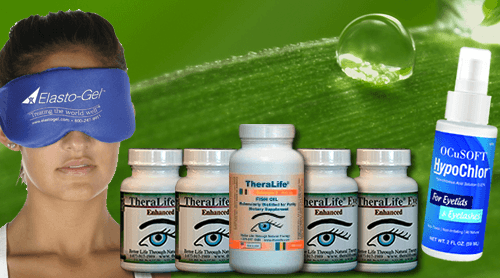
TheraLife offers an exclusive advantage by providing the only oral eye treatment care available. TheraLife’s products are designed to benefit customers by targeting the root causes of eye health issues, promoting natural healing and long-term relief. Their approach helps prevent recurrence and optimizes recovery, ensuring customers can enjoy improved eye health and comfort. Discover more advanced steps and innovative solutions to manage eye conditions effectively with TheraLife.
Best MGD/ Dry Eye Treatment From TheraLife- When Drops Don’t Work.
Key Takeaways
- Apply warm compresses (40–45°C) to eyelids for 10–15 minutes twice daily to improve meibomian gland function and promote oil flow.
- Perform gentle eyelid massage after compresses to clear blocked glands and reduce chalazion size naturally.
- Practice daily eyelid hygiene using diluted baby shampoo or commercial lid scrubs to prevent further blockage and inflammation.
- Increase intake of omega-3 fatty acids (e.g., flaxseed, fish oil) and stay hydrated to support healthy meibum production and reduce recurrence.
- Seek medical evaluation if symptoms persist beyond 2–4 weeks or if vision changes, to prevent permanent damage and receive targeted treatment.
How to Tell if Your Eye Problem Is MGD or Chalazion
Accurately distinguishing between meibomian gland dysfunction (MGD) and a chalazion is essential for effective management, but the conditions can appear similar at first glance.
When performing symptom comparison, you’ll notice MGD typically presents as diffuse lid margin inflammation, telangiectasia, and evaporative dry eye symptoms such as burning or grittiness. In contrast, a chalazion manifests as a localized, painless, firm nodule within the eyelid, often following a period of mild tenderness.
Diagnosis methods rely on slit-lamp examination to assess gland orifice plugging, lid margin changes, and focal masses. Expressing the meibomian glands may reveal altered secretions in MGD, while a chalazion doesn’t express material. Severe MGD can lead to vision problems, including permanent blind spots, emphasizing the importance of accurate diagnosis and timely treatment.
Recognizing these clinical distinctions guarantees you choose appropriate, targeted interventions for each condition, improving patient outcomes and comfort.
Why Do Chalazion and MGD Develop?
You develop chalazion and MGD primarily when your Meibomian glands become blocked, leading to disrupted oil flow. This obstruction triggers local inflammation and alters the tear film’s lipid layer. As a result, you experience symptoms due to both oil imbalance and inflammatory changes on the eyelid margin. Consistent eyelid hygiene is essential in managing these conditions, as it helps prevent blockages and maintain the health of the Meibomian glands.
Blocked Meibomian Glands
Although the meibomian glands normally secrete oils that stabilize the tear film, blockage of these glands disrupts this process and underlies both chalazion and meibomian gland dysfunction (MGD).
When you experience meibomian gland dysfunction, the glands’ oil secretion problems lead to insufficient or altered lipid output. Blocked meibomian glands impede the natural flow of meibum, causing stasis and eventual thickening of the glandular secretions.
This blockage not only compromises tear film stability but also predisposes you to glandular swelling and the formation of a chalazion. Clinically, you might notice lid tenderness, localized swelling, or visual disturbances.
Diagnostic evaluation often reveals inspissated gland orifices and reduced expressibility. Addressing the underlying obstruction is critical for restoring healthy gland function and preventing further ocular surface complications. Research indicates that pro-inflammatory cytokines like IL-1alpha are elevated in patients with MGD, contributing to ocular surface inflammation and discomfort.
Inflammation and Oil Imbalance
When chronic inflammation alters the delicate balance of lipids within the eyelid’s meibomian glands, both chalazion and meibomian gland dysfunction (MGD) can develop. You experience this process as your body’s inflammatory response disrupts normal oil production, leading to gland obstruction and stasis. The resulting lipid imbalance escalates local inflammation, perpetuating a cycle that impairs gland function and eyelid health. Clinically, research highlights that chronic inflammation changes the composition and secretion of meibum, affecting tear film stability and ocular surface integrity. To understand how these conditions emerge, consider:
- Inflammatory response triggers swelling and cellular infiltration in the glands.
- Altered oil production causes thickening and stagnation of meibum.
- The disrupted lipid layer fosters further gland dysfunction and ocular surface irritation.
Addressing these factors is essential for effective, natural management. Regular eye exams help monitor MGD progression and make timely adjustments in treatment plans.
Effective Home Remedies: Warm Compresses, Massage, and More
You can enhance symptom relief for chalazion and MGD by applying ideal warm compress techniques and performing effective eyelid massage. Clinical studies support the use of sustained moist heat to improve meibomian gland function and facilitate oil flow. It’s crucial to follow evidence-based steps for both compress and massage to maximize therapeutic outcomes. Regular assessment of chalazion size is crucial for evaluating treatment effectiveness and monitoring changes.
Optimal Warm Compress Techniques
Several studies highlight the effectiveness of warm compresses as a primary home remedy for managing chalazion and meibomian gland dysfunction (MGD).
To maximize therapeutic benefits, you should use ideal warm compress techniques focused on consistent temperature and proper compress application. Evidence suggests that maintaining a compress at 40–45°C (104–113°F) for 10–15 minutes effectively liquefies meibum, facilitating gland drainage and reducing inflammation.
Clinical recommendations emphasize:
- Heat Retention: Use a microwaveable eye mask or a clean, damp cloth to retain consistent heat during compress application.
- Duration and Frequency: Apply the compress twice daily, each session lasting 10–15 minutes, to maintain gland patency.
- Hygiene: Always wash your hands and the compressing material before each use to prevent secondary infection.
Additionally, adjunctive treatments for severe or persistent chalazions, such as topical antibiotics or steroids, may be necessary, emphasizing the importance of consulting healthcare professionals. These evidence-based steps enhance outcomes in chalazion and MGD management.
Effective Eyelid Massage Steps
Proper eyelid massage serves as a critical adjunct to warm compress therapy, enhancing meibomian gland expression and promoting effective clearance of stagnant secretions. To optimize eyelid hygiene and leverage natural remedies, perform the following evidence-based massage steps after applying a warm compress. Always use clean hands and gentle pressure to avoid irritation or mechanical trauma.
| Step | Technique Description |
|---|---|
| Hand Preparation | Wash hands thoroughly to prevent contamination. |
| Initial Placement | Place fingertip just below the lash line. |
| Directional Motion | Massage in a vertical motion toward the lid margin. |
| Repetition | Repeat 5–10 times per eyelid, twice daily. |
| Post-Massage Care | Wipe excess oil/debris with sterile pad. |
Clinical studies show consistent eyelid massage reduces gland blockage, supporting both symptom relief and long-term ocular surface health. Regular eyelid hygiene is crucial for preventing chalazia and maintaining overall ocular health.
Diet and Lifestyle Changes to Prevent MGD and Chalazion
Although meibomian gland dysfunction (MGD) and chalazion are multifactorial conditions, evidence indicates that targeted dietary modifications and lifestyle adjustments can markedly reduce their incidence and recurrence.
From a clinical perspective, a nutrition focus is critical: diets rich in omega-3 fatty acids, antioxidants, and low glycemic index foods support glandular health and modulate inflammation.
Equally, hydration importance can’t be overstated, as adequate fluid intake sustains tear film stability and meibum quality. You should also address modifiable lifestyle factors that exacerbate gland dysfunction.
- Increase consumption of omega-3 fatty acids (e.g., flaxseed, fish oil) to improve meibum composition.
- Maintain strict hydration by drinking sufficient water daily to optimize tear production.
- Limit processed foods and refined sugars to reduce systemic inflammation and lower recurrence risk.
Adding omega-3 supplements can be beneficial, but it’s important to consult healthcare providers to determine the appropriate dosage and ensure the quality of the supplements.
Tips for Faster Healing and Comfort at Home
While conservative management remains the cornerstone of chalazion and MGD care, implementing targeted home strategies can accelerate healing and enhance comfort.
Apply warm compresses to the affected eyelid for 10–15 minutes, 3–4 times daily, to liquefy meibum and facilitate gland drainage. Use gentle lid massage following compresses to promote expression of obstructed secretions.
Maintain eyelid hygiene with diluted baby shampoo or commercial lid scrubs to reduce microbial load. Consider preservative-free artificial tears to alleviate ocular surface irritation.
These home remedies, supported by evidence, optimize gland function and symptom relief. For added comfort, avoid eye makeup and contact lenses until the lesion resolves.
Integrating these comfort techniques into your daily routine can contribute to faster resolution and improved ocular surface health. Warm compress application should be gentle and consistent, typically lasting 10-15 minutes and applied 3-4 times daily.
When to See a Doctor About Your Chalazion or MGD
How do you know when home management isn’t enough? Symptom recognition is critical—while most chalazia and Meibomian Gland Dysfunction (MGD) respond to conservative care, certain features warrant prompt medical attention.
Evidence suggests that unresponsive or worsening symptoms could indicate complications or alternative diagnoses. To optimize outcomes and minimize risk, recognize when escalation is vital.
Here are three clinical indicators you shouldn’t ignore:
- Persistence: If the chalazion or MGD doesn’t improve after 2–4 weeks of home treatment, seek professional evaluation.
- Vision Changes: Any blurred vision, distortion, or significant discomfort requires immediate assessment.
- Infection Signs: Redness, swelling, or pus may signal infection, necessitating prescription treatment options.
Additionally, proper eyelid hygiene is vital for managing both dry eye syndrome and chalazion risk, as it helps maintain meibomian gland functionality and prevent complications. Consulting an ophthalmologist guarantees accurate diagnosis and tailored interventions beyond natural remedies.
Best MGD/ Dry Eye Treatment From TheraLife- When Drops Don’t Work.
Frequently Asked Questions
Can Contact Lenses Worsen Chalazion or MGD Symptoms?
Yes, wearing contact lenses can worsen chalazion or MGD symptoms, especially if you don’t practice proper contact lens hygiene.
Contact lenses may disrupt the tear film and increase eyelid irritation, promoting gland blockage. You should always follow strict eye care tips, such as cleaning lenses thoroughly, avoiding extended wear, and discontinuing use if symptoms flare.
Clinical studies support that minimizing lens use during active inflammation can help control symptoms and prevent recurrence.
Are Children Prone to Developing Chalazion or MGD?
Yes, children can develop chalazion symptoms and meibomian gland dysfunction (MGD), though incidence is lower than in adults.
You should watch for eyelid swelling, redness, or discomfort, which are classic chalazion symptoms. Poor eyelid hygiene, blepharitis, and certain skin conditions increase risk.
For MGD prevention in children, encourage regular eyelid cleaning and prompt treatment of any eyelid inflammation, as evidence suggests early intervention reduces recurrent episodes and associated complications.
Is MGD Contagious Between Individuals?
Relax, you won’t catch MGD like you’d catch a cold from your neighbor’s sneeze.
Understanding MGD, or Meibomian Gland Dysfunction, requires grasping that it’s not an infectious disease but rather a glandular issue driven by individual risk factors—think age, hormonal changes, or ocular surface disease.
Will Insurance Cover Treatment for Chalazion or MGD?
Insurance policies often provide treatment coverage for chalazion if it’s deemed medically necessary, such as persistent lesions or vision impairment.
For meibomian gland dysfunction (MGD), coverage varies; insurers may cover office visits, diagnostic tests, and prescribed medications, but may exclude certain therapies considered experimental.
You should review your specific insurance plan and consult with your ophthalmologist to determine which interventions are covered and obtain appropriate documentation for reimbursement.
Can Makeup Use Trigger Chalazion or MGD Flare-Ups?
Picture your eyelids as a delicate garden—when foreign makeup ingredients settle like invasive weeds, they can disrupt the balance and incite flare-ups of chalazion or MGD.
Clinically, occlusive or comedogenic compounds in cosmetics may block meibomian glands, while poor eye hygiene increases bacterial colonization.
Evidence indicates that improper removal and frequent use of expired or contaminated makeup can heighten your risk for gland dysfunction and eyelid inflammation, triggering recurrent symptoms.
Best MGD/ Dry Eye Treatment From TheraLife- When Drops Don’t Work.
Conclusion
Discover how Theralife.com can enhance your eye health through its unique approach to treating Meibomian Gland Dysfunction (MGD) and chalazia naturally. As the only company offering oral eye treatment care, Theralife provides evidence-based solutions that go beyond traditional methods. Their products, designed to boost ocular health from the inside out, empower you to manage eye conditions effectively from home.
Theralife’s approach emphasizes early detection and intervention to prevent chronic inflammation and visual disturbances. Their comprehensive product line supports eyelid hygiene and optimizes lifestyle factors, which are crucial for restoring ocular surface health and maintaining clear, comfortable vision. If symptoms persist or worsen, consulting an ophthalmologist remains vital for advanced care.
Explore Theralife’s innovative solutions and discover the benefits of their oral treatments to achieve lasting relief and improved eye health.
References
- 1.
- The definition and classification of dry eye disease: report of the Definition and Classification Subcommittee of the International Dry Eye WorkShop (2007). Ocul Surf. 2007 Apr;5(2):75-92. [PubMed]
- 2.
- Huang R, Su C, Fang L, Lu J, Chen J, Ding Y. Dry eye syndrome: comprehensive etiologies and recent clinical trials. Int Ophthalmol. 2022 Oct;42(10):3253-3272. [PMC free article] [PubMed]
- 3.
- Craig JP, Nichols KK, Akpek EK, Caffery B, Dua HS, Joo CK, Liu Z, Nelson JD, Nichols JJ, Tsubota K, Stapleton F. TFOS DEWS II Definition and Classification Report. Ocul Surf. 2017 Jul;15(3):276-283. [PubMed]
- 4.
- King-Smith PE, Fink BA, Hill RM, Koelling KW, Tiffany JM. The thickness of the tear film. Curr Eye Res. 2004 Oct-Nov;29(4-5):357-68. [PubMed]
- 5.
- King-Smith PE, Fink BA, Fogt N, Nichols KK, Hill RM, Wilson GS. The thickness of the human precorneal tear film: evidence from reflection spectra. Invest Ophthalmol Vis Sci. 2000 Oct;41(11):3348-59. [PubMed]
- 6.
- Chen Q, Wang J, Tao A, Shen M, Jiao S, Lu F. Ultrahigh-resolution measurement by optical coherence tomography of dynamic tear film changes on contact lenses. Invest Ophthalmol Vis Sci. 2010 Apr;51(4):1988-93. [PMC free article] [PubMed]
- 7.
- Willcox MDP, Argüeso P, Georgiev GA, Holopainen JM, Laurie GW, Millar TJ, Papas EB, Rolland JP, Schmidt TA, Stahl U, Suarez T, Subbaraman LN, Uçakhan OÖ, Jones L. TFOS DEWS II Tear Film Report. Ocul Surf. 2017 Jul;15(3):366-403. [PMC free article] [PubMed]
- 8.
- Peng CC, Cerretani C, Braun RJ, Radke CJ. Evaporation-driven instability of the precorneal tear film. Adv Colloid Interface Sci. 2014 Apr;206:250-64. [PubMed]
- 9.
- Zhou L, Beuerman RW. Tear analysis in ocular surface diseases. Prog Retin Eye Res. 2012 Nov;31(6):527-50. [PubMed]
- 10.
- Mantelli F, Mauris J, Argüeso P. The ocular surface epithelial barrier and other mechanisms of mucosal protection: from allergy to infectious diseases. Curr Opin Allergy Clin Immunol. 2013 Oct;13(5):563-8. [PMC free article] [PubMed]
- 11.
- O’Neil EC, Henderson M, Massaro-Giordano M, Bunya VY. Advances in dry eye disease treatment. Curr Opin Ophthalmol. 2019 May;30(3):166-178. [PMC free article] [PubMed]
- 12.
- Fjaervoll K, Fjaervoll H, Magno M, Nøland ST, Dartt DA, Vehof J, Utheim TP. Review on the possible pathophysiological mechanisms underlying visual display terminal-associated dry eye disease. Acta Ophthalmol. 2022 Dec;100(8):861-877. [PMC free article] [PubMed]
- 13.
- Craig JP, Nelson JD, Azar DT, Belmonte C, Bron AJ, Chauhan SK, de Paiva CS, Gomes JAP, Hammitt KM, Jones L, Nichols JJ, Nichols KK, Novack GD, Stapleton FJ, Willcox MDP, Wolffsohn JS, Sullivan DA. TFOS DEWS II Report Executive Summary. Ocul Surf. 2017 Oct;15(4):802-812. [PubMed]
- 14.
- Qian L, Wei W. Identified risk factors for dry eye syndrome: A systematic review and meta-analysis. PLoS One. 2022;17(8):e0271267. [PMC free article] [PubMed]
- 15.
- I Y Hasan ZA. Dry eye syndrome risk factors: A systemic review. Saudi J Ophthalmol. 2021 Apr-Jun;35(2):131-139. [PMC free article] [PubMed]