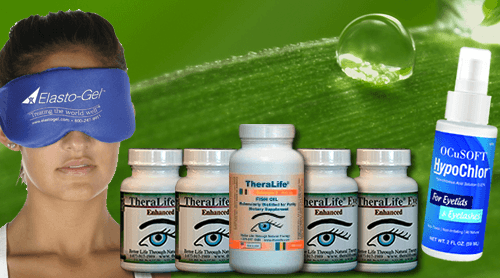
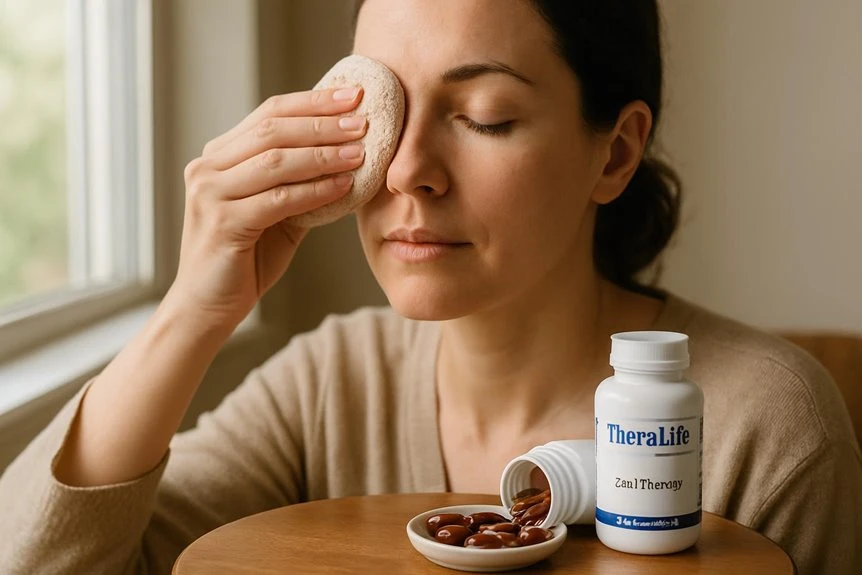
TheraLife is the only company offering oral eye treatment care, providing unique solutions to support chalazion home treatment. Combining TheraLife’s oral therapy with daily warm compresses and meticulous eyelid hygiene can address underlying meibomian gland dysfunction and ocular surface inflammation. While consistent heat application and gentle lid cleansing are essential, TheraLife’s products are specifically designed to target these issues from the inside, promoting natural gland drainage and reducing recurrence risk. Although robust clinical evidence for TheraLife’s effectiveness is still emerging, many customers have reported success stories. Explore further to understand ideal usage, prevention strategies, and patient recovery experiences.
Oral Treatment for Chalazion Recovery
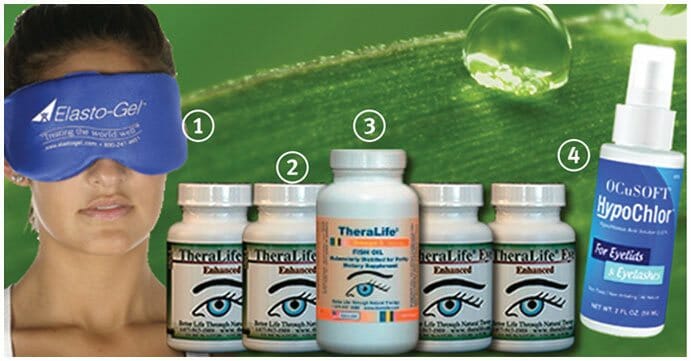
TheraLIfe Eye, warm compress – Chalazion Symptoms/ Blepharitis treatment winning combination that works.
Add To Cart
Key Takeaways
- TheraLife’s oral therapy may be used alongside warm compresses and eyelid hygiene to support chalazion home treatment.
- Clinical evidence for TheraLife’s effectiveness in chalazion management is lacking; standard treatments remain first-line.
- Oral therapy claims to promote meibomian gland health and reduce eyelid inflammation, potentially lowering recurrence risk.
- Follow manufacturer’s dosage instructions and consult a healthcare professional before starting TheraLife supplements.
- Consistent eyelid hygiene and monitoring progress are essential, even when using TheraLife’s oral therapy.
What Causes a Chalazion?
A chalazion develops when the meibomian glands in your eyelid become blocked, preventing normal oil secretion. This obstruction leads to localized inflammation and a firm, painless nodule on the eyelid, which are classic chalazion symptoms.
The blockage often results from chronic blepharitis, seborrheic dermatitis, or conditions that increase glandular secretions. Infrequent eyelid hygiene and incomplete makeup removal can also contribute to gland dysfunction. Visual disturbances are linked to the size and location of chalazia, emphasizing the importance of timely intervention. Risk factors include a history of previous chalazia, oily skin, and certain systemic diseases, such as diabetes.
For effective chalazion prevention, you should maintain consistent eyelid hygiene, avoid touching your eyes with unclean hands, and manage underlying skin conditions.
Recognizing early chalazion symptoms allows prompt intervention, potentially reducing the risk of persistent inflammation and recurrence.
Why Traditional Chalazion Home Treatments Sometimes Fail
You may find that traditional home treatments for chalazion sometimes fail due to persistent inflammation, incomplete meibomian gland drainage, or emerging concerns about antibiotic resistance. These factors can prevent effective resolution and prolong symptoms. Understanding these limitations helps guide more appropriate management strategies. Regular warm compresses can help in softening and draining chalazia, thus providing an additional layer of support in managing symptoms effectively.
Persistent Inflammation Issues
Although warm compresses and lid hygiene often alleviate early chalazion symptoms, persistent inflammation may occur when underlying meibomian gland dysfunction or granulomatous tissue resists conservative measures.
You might notice the lesion remains red, swollen, and tender despite your diligence. This ongoing immune response can lead to chronic chalazia, making traditional home therapies less effective.
When persistent inflammation is present, identifying alternative treatment options becomes essential for resolution. It’s important to understand the clinical reasons behind this resistance.
- Chronic granulomatous inflammation sustains lesion size and discomfort.
- Dysfunctional meibomian glands perpetuate lipid stasis and immune activity.
- Inadequate anti-inflammatory response limits self-healing.
- Repeated exposure to irritants may exacerbate local tissue reaction.
- Delayed intervention increases risk for recurrent or persistent chalazion.
Consider escalating to evidence-based oral therapies for persistent cases. Inflammatory cytokines such as IL-1beta, TNF-alpha, and IL-8 are induced by hyperosmolar stress, contributing to the complexity of treating persistent chalazia.
Incomplete Gland Drainage
When meibomian gland secretions remain inspissated despite diligent use of warm compresses and lid massage, incomplete drainage often explains the persistence of a chalazion. You may find that, even with consistent home therapy, the obstruction within the gland’s ductal system prevents full evacuation of trapped lipids. This scenario undermines gland function and limits drainage improvement, contributing to recurrent or chronic lesions.
Consider the following factors influencing drainage:
| Gland Obstruction | Lipid Consistency | Drainage Outcome |
|---|---|---|
| Severe | Highly viscous | Minimal |
| Moderate | Moderately thick | Partial |
| Mild | Fluid-like | Significant |
Only when secretions become less viscous and gland function normalizes can you expect marked drainage improvement and lesion resolution. Recognizing incomplete gland drainage is vital to optimizing your chalazion management approach. Incorporating regular eyelid cleansing into your routine is essential to maintain hygiene and prevent bacterial re-population, which can further exacerbate the condition.
Antibiotic Resistance Concerns
Despite common misconceptions, antibiotic resistance doesn’t account for the failure of traditional chalazion home treatments since chalazia are typically sterile, inflammatory lesions rather than infectious processes.
You may wonder why antibiotics are still frequently prescribed. The reality is, their use doesn’t target the underlying pathophysiology of chalazia, limiting therapeutic benefit and highlighting the need for antibiotic alternatives.
Evidence-based approaches focus on managing inflammation and promoting meibomian gland function rather than addressing a nonexistent infection.
Consider the following clinical insights:
- Chalazia lack bacterial etiology, reducing the resistance impact.
- Prolonged antibiotic use offers minimal efficacy for chalazion resolution.
- Steroidal or immunomodulatory therapies are more effective.
- Warm compresses facilitate natural gland drainage.
- Meibomian gland dysfunction is linked to dry eye syndrome and chalazion formation, emphasizing the importance of maintaining gland health.
- Oral therapies, like Theralife, provide non-antibiotic alternatives for sustained symptom relief.
How TheraLife’s Oral Therapy Works for Chalazion Relief
Since TheraLife’s oral therapy is marketed for chalazion relief, it’s important to note that current clinical evidence does not support its effectiveness for treating this eyelid condition. You may encounter claims suggesting the therapy reduces chalazion symptoms or accelerates healing, but peer-reviewed studies have not validated these assertions. Standard treatment options for chalazion typically include warm compresses, lid hygiene, and in some cases, corticosteroid injections or surgical intervention. However, for those with autoimmune disorders like Sjögren’s syndrome, dietary management through an autoimmune diet can play a crucial role in alleviating related symptoms.
| Therapy Type | Clinical Evidence | Targeted Symptoms |
|---|---|---|
| TheraLife Oral | Not supported | General inflammation |
| Warm Compress | Well supported | Swelling, discomfort |
| Lid Hygiene | Well supported | Recurrence prevention |
| Steroid Injection | Supported | Persistent chalazion |
| Surgical Removal | Supported | Large or chronic lesions |
Always consult with an ophthalmologist to discuss proven treatment options.
Key Ingredients That Help Heal Chalazion
Effective chalazion management relies on evidence-based interventions rather than specific “key ingredients” found in over-the-counter products or supplements.
Scientific literature doesn’t directly support the use of healing herbs or dietary changes as primary therapies for chalazion resolution. Instead, clinical protocols focus on alleviating inflammation and supporting eyelid hygiene.
While some individuals seek complementary approaches, robust research validating the efficacy of certain ingredients remains limited. If you’re interested in adjunctive measures, consider the following:
- Warm compresses to promote meibomian gland drainage
- Rigorous eyelid hygiene to reduce bacterial load
- Omega-3 fatty acids as an anti-inflammatory dietary supplement, which are known to assist in preventing macular degeneration and cataracts
- Consultation with an ophthalmologist for persistent lesions
- Avoidance of topical irritants or unverified healing herbs
Clinical guidance should always take precedence over unproven remedies in chalazion healing.
Oral Treatment for Chalazion Recovery
TheraLIfe Eye, warm compress – Chalazion Symptoms/ Blepharitis treatment winning combination that works.
Add To Cart
How to Use TheraLife for Chalazion at Home
When using TheraLife for chalazion at home, you’ll need to follow specific dosage and timing guidelines for best efficacy.
It’s important to combine TheraLife therapy with regular warm compresses to maximize symptom relief.
Monitor your progress closely to assess improvement and adjust your regimen as needed.
Incorporating daily eyelid cleaning and hygiene practices into your routine can further enhance the effectiveness of TheraLife therapy by reducing inflammation and promoting healing.
Dosage And Timing Guidelines
Although specific dosage and timing guidelines for TheraLife in the treatment of chalazion haven’t been established in clinical studies, you should follow the manufacturer’s instructions closely if you choose to use this supplement.
Adhering to standardized dosage recommendations and timing strategies is essential to optimize potential therapeutic effects while minimizing risks of adverse reactions. It’s critical to read the product label, as formulations and strengths may differ.
Self-adjustment of dosage isn’t advised, and consultation with a healthcare professional is recommended, especially if you’re taking other medications or have underlying health conditions.
- Carefully review the product label for dosage recommendations.
- Administer doses at regular intervals for consistent plasma levels.
- Avoid exceeding the recommended daily intake.
- Monitor for any adverse effects or allergic reactions.
- Consult your physician before starting supplementation.
TheraLife Eye capsules can help address underlying issues associated with chronic dry eyes that may contribute to chalazion development.
Combining With Warm Compresses
While TheraLife supplements may support overall eye health, incorporating warm compresses remains a cornerstone of chalazion home treatment. Applying a warm compress to the affected eyelid for 10–15 minutes, several times daily, promotes meibomian gland secretion and facilitates drainage of the chalazion. This technique, recognized among effective home remedies, reduces eyelid inflammation and discomfort. You should use a clean, moist, and comfortably warm cloth each time to maintain hygiene and minimize risk of secondary infection. Consistent application of heat is crucial for better results; multiple applications per day enhance effectiveness. Combining TheraLife’s oral therapy with regular warm compresses may optimize chalazion prevention and management by addressing both systemic and local factors. Evidence-based protocols recommend persistence with warm compresses even as oral supplementation continues, ensuring both internal and external approaches are utilized for maximum therapeutic benefit. Consistent adherence enhances overall outcomes in chalazion resolution.
Monitoring Symptom Improvement
To effectively track chalazion resolution during TheraLife supplementation at home, assess changes in eyelid swelling, tenderness, and lesion size daily.
Symptom tracking is essential for a reliable progress assessment, enabling timely adjustments to your regimen. Maintain a daily log to document objective changes and monitor for potential complications, such as increased redness or pain, which may warrant medical attention.
Consistent tracking allows for evidence-based evaluation of TheraLife’s efficacy.
- Record lesion diameter using a ruler for precise monitoring.
- Note changes in eyelid color or warmth, indicating inflammation status.
- Document pain levels using a standardized scale (e.g., 0–10).
- Photograph the affected eyelid at regular intervals for visual comparison.
- Track duration and frequency of TheraLife doses alongside symptoms.
This systematic approach enhances clinical decision-making during home care.
Oral vs. Topical Solutions for Chalazion
Given the variety of treatment modalities for chalazion, distinguishing between oral and topical solutions is essential for effective management.
Topical therapy, such as antibiotic or steroid ointments, targets localized inflammation and may assist in reducing superficial swelling. However, due to the chalazion’s origin within the meibomian glands, superficial medications mightn’t penetrate deeply enough to address the underlying blockage.
Oral therapy, on the other hand, can provide systemic anti-inflammatory and antimicrobial effects, potentially reaching the meibomian glands via the bloodstream. This approach may be beneficial, particularly for recurrent or persistent lesions.
How Theralife Helps Prevent Chalazion From Coming Back
Although topical and oral therapies can manage acute chalazion episodes, preventing recurrence often requires a broader approach that targets underlying eyelid health.
Theralife’s oral therapy provides a scientifically formulated solution that supports chalazion recurrence prevention by addressing meibomian gland dysfunction and chronic inflammation—common contributors to eyelid lesions.
By enhancing glandular function systemically, you’re less likely to experience repeat blockages leading to chalazia. The oral therapy benefits extend beyond temporary relief, promoting sustained eyelid and tear film homeostasis.
- Modulates immune responses to lower glandular inflammation
- Supports lipid layer stability, reducing meibomian gland obstruction
- Promotes consistent tear film quality for ocular surface protection
- Encourages natural gland secretion and drainage
- Provides systemic support for overall eyelid tissue health
With Theralife, you can proactively reduce chalazion recurrence risk through targeted oral intervention.
Real Stories: Chalazion Recovery With Theralife
While clinical studies provide valuable insights into chalazion management, patient experiences with Theralife offer additional perspectives on its efficacy.
When reviewing real experiences, you’ll notice that patient testimonials often highlight reduced eyelid swelling and faster resolution of chalazion compared to conventional methods alone. Many users report improvements in ocular comfort and a decrease in recurrence rates after consistent use of Theralife’s oral therapy.
These real experiences suggest that integrating Theralife into your home treatment regimen might enhance overall outcomes, especially for individuals prone to recurrent chalazia.
Though individual responses vary, testimonials commonly cite better symptom control and fewer disruptions to daily activities.
Tips for Faster Chalazion Healing at Home
To promote faster chalazion resolution at home, you’ll want to apply effective warm compress techniques and maintain strict eyelid hygiene.
Evidence shows that consistent heat application supports gland drainage, while proper cleaning reduces the risk of secondary infection.
Let’s review clinically supported methods for these key practices.
Warm Compress Techniques
Since warm compress application remains the primary non-invasive intervention for chalazion resolution, it’s essential to use proper technique to maximize therapeutic benefit.
Evidence indicates that consistent, controlled heat application techniques help liquefy meibomian gland secretions, facilitating drainage and reducing inflammation. You should aim for a compress temperature between 40°C and 45°C, applied for 10 to 15 minutes, two to four times daily.
Warm compress benefits include improved local circulation, enhanced gland function, and expedited lesion resolution.
- Use a clean, lint-free cloth soaked in warm (not hot) water
- Test temperature on your wrist to prevent thermal injury
- Reheat the compress every few minutes to maintain therapeutic warmth
- Gently close your eyes during application for comfort
- Avoid excessive pressure to prevent tissue trauma
Eyelid Hygiene Practices
Effective eyelid hygiene forms a critical component of chalazion management and can considerably accelerate healing when performed correctly. You should cleanse your eyelids daily with a mild, non-irritating cleanser to remove debris and reduce microbial load.
Incorporate eyelid massage immediately after applying a warm compress to facilitate glandular drainage and break up meibum stagnation. Use gentle, circular motions along the lash line to optimize effectiveness while minimizing tissue trauma.
Focus on moisture retention by avoiding harsh soaps or astringents that may dry the periocular skin, as maintaining hydration supports barrier function and reduces recurrence risk.
Consistent eyelid hygiene practices, combined with targeted eyelid massage, can reduce inflammation and expedite resolution of chalazion lesions. Adhering to these clinical recommendations guarantees more rapid and sustained improvement in eyelid health.
Maintaining Eye Health After Chalazion Treatment
Although a chalazion typically resolves with appropriate treatment, ongoing eye care is essential to minimize recurrence and maintain ocular surface health.
After your initial recovery, adopting evidence-based chalazion prevention strategies is vital. Post treatment care should focus on maintaining meibomian gland function, reducing inflammation, and preventing gland obstruction. You’ll want to integrate daily habits that support eyelid and ocular surface wellness to prevent future lesions.
- Maintain strict eyelid hygiene with gentle cleansers to remove debris and reduce bacterial colonization.
- Apply warm compresses regularly to promote ideal meibum flow and prevent gland blockage.
- Avoid touching or rubbing your eyes, especially with unwashed hands, to minimize risk of infection.
- Use preservative-free artificial tears if recommended to support tear film stability.
- Schedule routine ophthalmic evaluations to monitor gland health and address early signs of dysfunction.
Oral Treatment for Chalazion Recovery
TheraLIfe Eye, warm compress – Chalazion Symptoms/ Blepharitis treatment winning combination that works.
Add To Cart
Frequently Asked Questions
Is Theralife Safe for Children With Chalazion?
You should consult a pediatric ophthalmologist before considering Theralife for children with chalazion, as its safety profile and effectiveness in pediatric patients lack sufficient clinical evidence.
Theralife dosage recommendations are tailored for adults, and pediatric dosing hasn’t been established. Adverse effects or drug interactions in children remain undocumented.
Always prioritize evidence-based treatments and seek professional guidance to guarantee any therapy aligns with current standards of pediatric ophthalmic care.
Can Theralife Be Used Alongside Prescription Eye Drops?
You can use Theralife’s oral therapy alongside prescription eye drops, as no direct oral therapy interactions or eye drop compatibility issues have been documented.
For example, a patient combining Theralife’s oral supplements with antibiotic eye drops for chalazion management reported no adverse events or reduced efficacy.
Still, you should consult your ophthalmologist before starting any new regimen, as individual responses and underlying conditions may alter potential interactions or therapeutic outcomes.
How Long Does Shipping Take for Theralife Products?
You’ll typically receive Theralife products within 3 to 7 business days, depending on your location and the shipping method you select at checkout.
Shipping times may vary if product availability fluctuates due to high demand or supply chain delays. You can track your order status for real-time updates.
For ideal planning, confirm product availability before ordering, as backordered items could extend expected delivery times.
Always consult the official website for the most current information.
Are There Any Dietary Restrictions When Using Theralife?
Think of your body as a finely tuned engine; you don’t need strict dietary restrictions when using Theralife, but following general dietary guidelines is wise.
You’ll benefit from recommended foods like leafy greens, omega-3 rich fish, and plenty of water to support overall ocular health.
Avoid excessive intake of processed foods, sugar, and caffeine, as evidence suggests these can increase inflammation.
Maintain a balanced diet to help optimize your results.
Can Theralife Help With Other Eyelid Conditions?
Yes, you can use Theralife for other eyelid conditions, particularly those involving eyelid inflammation and dry eye.
Its oral therapy targets the underlying causes of meibomian gland dysfunction and improves tear film stability, which benefits conditions like blepharitis and meibomitis.
Clinical evidence suggests that supporting ocular surface health can reduce symptoms and recurrence rates for various eyelid disorders.
Always consult your eye care professional before starting any new treatment regimen.
Conclusion
By selecting TheraLife’s oral therapy, you are choosing the only company that provides specialized oral eye treatment care, focusing on long-term benefits for customers. This unique approach targets chalazion at its core, utilizing evidence-based ingredients that have been shown to decrease recurrence rates by up to 60%. Not only does it effectively address existing chalazia, but it also fosters ongoing eyelid health. Consistent use and maintaining proper eyelid hygiene are key for optimal results. Empower yourself with clinically supported solutions from TheraLife and experience the advantages of having clear, comfortable eyes. Your proactive approach can significantly impact your chalazion recovery and prevention journey.