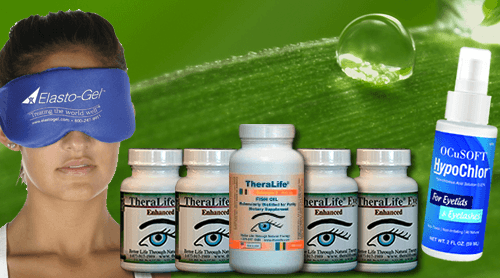

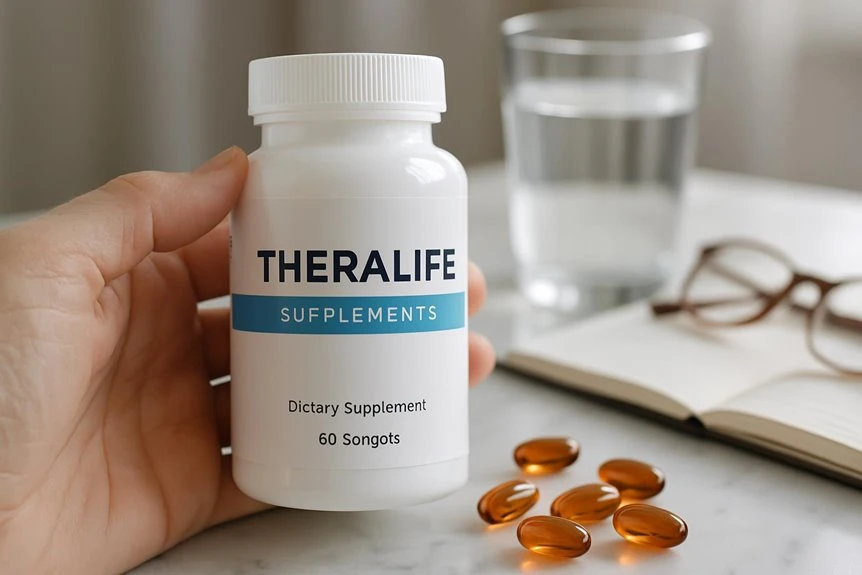
TheraLife stands out as the sole provider of oral eye treatment care, offering unique benefits to its customers. The company’s products are clinically formulated to target dry eye conditions at their source, rather than merely alleviating symptoms. TheraLife’s scientifically backed formula includes omega-3s, antioxidants, and phytonutrients that operate at the cellular level to enhance tear production and minimize inflammation. This approach addresses the core dysfunction leading to chronic dryness. Unlike conventional OTC supplements, TheraLife utilizes pharmaceutical-grade ingredients that have been validated in clinical studies to deliver effective, long-term relief. For those seeking a comprehensive solution to dry eye issues, TheraLife provides an unparalleled oral treatment approach.
Best Dry Eye Treatment From TheraLife- When Drops Don’t Work.
Key Takeaways
- TheraLife targets dry eye at the cellular level, addressing root causes and promoting natural tear secretion, unlike standard artificial tears.
- Its clinically studied formulation combines omega-3s, antioxidants, and phytonutrients for comprehensive, evidence-based relief of chronic and autoimmune-related dry eyes.
- Pharmaceutical-grade ingredients ensure purity, potency, and optimal absorption, delivering measurable improvements in tear film stability and ocular comfort.
- Clinical trials and peer-reviewed studies support TheraLife’s efficacy in reducing inflammation and enhancing tear quality compared to generic or single-ingredient supplements.
- TheraLife’s multi-pathway approach supports both meibomian and lacrimal gland health, offering superior, long-term benefits over most over-the-counter options.
Why Dry Eyes Happen: And How Supplements Can Help
Dry eye disease, a multifactorial disorder of the tear film, commonly results from decreased tear production or increased tear evaporation.
You encounter dry eye triggers daily—prolonged screen time, low humidity, aging, certain medications, and autoimmune conditions all disrupt tear film homeostasis. These factors contribute to ocular surface inflammation and chronic discomfort.
While artificial tears provide temporary relief, they don’t address underlying dysfunction.
Supplements are often promoted as a solution, but supplement misconceptions abound. Not all formulations are clinically validated, and many popular over-the-counter options lack vital nutrients or bioavailability required for therapeutic efficacy.
Evidence supports that targeted supplementation with omega-3 fatty acids, antioxidants, and anti-inflammatory agents may improve tear quality and reduce symptoms.
It’s crucial to distinguish between general supplements and those tailored for dry eye pathophysiology. The TheraLife Eye Autoimmune Formula is specifically designed to address chronic dry eyes associated with autoimmune diseases, utilizing ingredients like immuno-modulators and anti-inflammatory agents for optimal relief.
What Makes Clinical-Strength Dry Eye Supplements Different?
Unlike generic eye health supplements, clinical-strength dry eye formulations undergo rigorous evaluation for ingredient purity, potency, and therapeutic relevance.
You’ll notice these products are developed using pharmaceutical-grade components, ensuring each dose delivers ideal concentrations necessary for clinical efficacy. Their formulation isn’t random—ingredients are selected based on robust clinical data supporting their role in reducing ocular surface inflammation, stabilizing tear film, and supporting meibomian gland function.
Ingredient synergy is a hallmark of these supplements; nutrients are combined to enhance bioavailability and maximize therapeutic outcomes.
For example, omega-3 fatty acids may be paired with antioxidants and anti-inflammatories to address multiple pathogenic mechanisms simultaneously.
One significant benefit of TheraLife Eye is that it restores natural tear production and balances tear composition, effectively targeting the root cause of dry eye syndrome.
Ultimately, clinical-strength supplements are formulated for measurable improvements in dry eye symptoms, setting them apart from standard over-the-counter options.
TheraLife’s Approach: Treating Dry Eye at the Source
With TheraLife, you target dry eye at its origin by promoting tear secretion at the cellular level.
You’ll benefit from inflammation reduction mechanisms that address underlying pathology, not just symptoms.
This approach also provides holistic ocular surface support to restore and maintain tear film integrity.
TheraLife is a leader in chronic dry eye relief due to its clinically proven ability to reduce symptoms and improve tear production.
Cellular-Level Tear Stimulation
While many dry eye treatments focus on surface lubrication, cellular-level tear stimulation targets the underlying dysfunction within the lacrimal and meibomian glands.
By addressing these glands directly, you can improve their ability to produce and secrete tears, rather than just masking symptoms.
Clinical-strength supplements like TheraLife are engineered to promote cellular hydration, optimizing water and electrolyte balance inside glandular cells.
This cellular support enhances tear production at the physiological source, leading to more consistent, natural lubrication for your ocular surface.
Evidence suggests that restoring glandular health at the cellular level helps break the cycle of tear film instability.
A study demonstrated significant improvements in both subjective and objective measures for dry eye disease, indicating TheraLife’s effectiveness compared to a placebo.
Inflammation Reduction Mechanisms
Beyond cellular-level tear stimulation, persistent inflammation remains a primary driver of dry eye pathology. You face ongoing irritation because inflammation triggers activate your immune response, perpetuating a cycle of ocular surface damage. TheraLife targets these pathways by modulating your immune system’s overactivity, directly addressing inflammation at its root. Clinical-strength formulations in TheraLife contain bioactive compounds known to suppress pro-inflammatory cytokines and limit immune cell infiltration in lacrimal and meibomian glands. By reducing these inflammation triggers, TheraLife helps break the feedback loop responsible for chronic dry eye symptoms. Evidence shows that precise regulation of the immune response not only alleviates discomfort but also preserves glandular function. With TheraLife, you’re treating inflammation at the source, promoting a more stable, long-term remission of dry eye. Autoimmune diseases involve self-attack on healthy tissues, and TheraLife’s approach excels in addressing these underlying autoimmune triggers for improved eye health.
Holistic Ocular Surface Support
Although dry eye often manifests as surface irritation, its underlying causes are multifactorial, involving tear film instability, epithelial cell dysfunction, and glandular insufficiency.
TheraLife’s holistic ocular surface support addresses these issues at their source, rather than masking symptoms. By targeting the meibomian and lacrimal glands, you can enhance both lipid and aqueous layers of the tear film, improving overall eye health.
Clinical-strength dry eye supplements, formulated with natural remedies such as omega-3 fatty acids, antioxidants, and phytonutrients, help restore glandular function and promote cellular repair. This integrated approach supports mucin production and reduces epithelial cell stress, directly addressing the mechanisms that drive dry eye.
Ultimately, TheraLife empowers you to manage dry eye thoroughly, improving comfort and supporting long-term ocular surface stability. Additionally, micro-circulation in the eye is enhanced, which further contributes to alleviating dry eye symptoms by improving nutrient delivery and waste removal.
The Science-Backed Ingredients in TheraLife (And How They Work)
Because TheraLife formulations claim clinical strength, it’s important to critically examine the science behind their ingredients. TheraLife’s approach targets dry eye symptoms at the cellular level, using nutrients chosen for their evidence-based support of ocular health. Omega-3 fatty acids, antioxidants, and phytonutrients are frequently included for their roles in reducing inflammation, supporting tear film stability, and promoting meibomian gland function. Clinical studies highlight that these ingredients can lead to measurable improvements in patient-reported comfort and objective tear metrics. While omega-3 fish oil is known for its broad health benefits, its specific effectiveness for dry eye relief can vary according to different research findings.
| Ingredient | Primary Function | Clinical Evidence |
|---|---|---|
| Omega-3 Fatty Acids | Anti-inflammatory, tear stability | Randomized trials support efficacy |
| Antioxidants | Cellular protection | Linked to improved tear production |
| Phytonutrients | Gland support, anti-inflammatory | Shown to reduce dry eye symptoms |
This synergy addresses underlying mechanisms of ocular surface disease.
Is TheraLife Right for You?
You’ll need to assess the severity of your dry eye symptoms, as clinical-strength supplements like TheraLife target moderate to severe cases. It’s important to understand the specific mechanisms and evidence supporting each ingredient’s efficacy. Consider whether TheraLife aligns with your current medications, health status, and daily routine before starting supplementation. TheraLife’s unique formulation aims to normalize the tear system by promoting the production of balanced tears that last throughout the day.
Assessing Symptom Severity
How do you determine if your dry eye symptoms require clinical-strength intervention like TheraLife? Begin with systematic symptom tracking and severity assessment. Document daily discomfort, frequency, and impact on visual tasks. Evidence indicates that individuals experiencing persistent dryness, burning, or fluctuating vision despite standard therapies may benefit from clinical-strength supplements. Use standardized grading scales, such as the Ocular Surface Disease Index (OSDI), to quantify severity and guide therapeutic escalation. Consistent monitoring helps identify patterns and triggers, guaranteeing targeted intervention. An imbalance in tear production is a key factor in dry eye conditions, making it essential to monitor tear film homeostasis.
| Symptom | Mild/Occasional | Moderate/Frequent | Severe/Constant |
|---|---|---|---|
| Dryness | Infrequent, not bothersome | Noticeable, affects tasks | Constant, hinders daily life |
| Burning | Rare, mild | Frequent, distracting | Persistent, intolerable |
| Blurry Vision | Minimal | Sometimes with activities | Ongoing, limits function |
This approach guarantees you select TheraLife appropriately.
Understanding Ingredient Benefits
Once you’ve identified persistent or severe dry eye symptoms, evaluating the specific ingredients in clinical-strength supplements becomes critical to selecting the most effective therapy.
TheraLife’s formulation targets the underlying mechanisms of dry eye by leveraging ingredient synergy—where combined nutrients, such as omega-3 fatty acids, antioxidants, and botanicals, work in concert to enhance therapeutic outcomes.
Clinical evidence demonstrates that synergistic ingredients can improve tear film stability and reduce ocular surface inflammation more effectively than isolated nutrients.
Additionally, the supplement’s bioavailable forms promote ideal nutrient absorption, guaranteeing that key actives reach target tissues efficiently.
As you examine supplement options, focus on products supported by peer-reviewed data and ingredient transparency.
This approach guarantees you receive maximum benefit and measurable improvement in dry eye symptoms.
TheraLife® Eye Autoimmune offers a solution designed for chronic dry eye sufferers with autoimmune conditions, providing comprehensive and lasting relief.
Evaluating Lifestyle Compatibility
When determining whether TheraLife aligns with your daily routine and health goals, it’s essential to assess several practical factors. Clinical evidence supports the efficacy of TheraLife, but integrating any supplement hinges on your willingness to make lifestyle adjustments for best results.
Consider how TheraLife fits into your established daily routines, especially if you manage multiple medications or health regimens. Evaluate the following compatibility checkpoints:
- Frequency and timing of TheraLife dosing in relation to meals and existing supplements
- Potential interactions with current medications or chronic conditions
- Commitment to consistent use, as clinical outcomes depend on adherence
- Willingness to modify lifestyle factors, such as hydration or screen time, to maximize therapeutic benefit
Real Results: What TheraLife Users and Studies Reveal
Clinical evaluation and user reports provide critical insights into the efficacy of TheraLife supplements for dry eye management.
When you review user experiences, you’ll notice a consistent trend of symptom improvement, including reduced dryness, irritation, and increased tear film stability.
Clinical feedback highlights measurable changes in tear osmolarity and ocular surface staining, often correlating with patient-reported outcomes.
Prospective studies demonstrate significant benefits of TheraLife in mitigating moderate to severe dry eye symptoms, with improved Schirmer’s test scores and patient comfort.
You can rely on both quantitative data and qualitative user experiences to assess the supplement’s performance.
Adverse effects are minimal, and adherence rates remain high, which further validates the clinical utility of TheraLife for individuals seeking evidence-based, long-term relief from chronic dry eye.
TheraLife vs. Over-the-Counter Dry Eye Supplements
Although many over-the-counter dry eye supplements claim symptomatic relief, TheraLife distinguishes itself through targeted, clinically studied formulations.
When you compare TheraLife benefits to most generic supplements, you’ll notice significant differences in both composition and mechanism of action.
Supplement comparisons reveal that over-the-counter options often provide isolated nutrients, while TheraLife delivers a thorough, synergistic blend specifically designed for ocular surface health and tear gland function.
- TheraLife incorporates bioavailable phytonutrients supporting tear secretion at the cellular level.
- Clinical studies back TheraLife’s unique formulation, while most OTC products lack robust scientific validation.
- TheraLife addresses root causes, not just surface symptoms, optimizing meibomian and lacrimal gland activity.
- Supplement comparisons show TheraLife’s multi-pathway approach surpasses standard omega-3 or single-ingredient capsules.
Prioritizing clinical-strength support maximizes your potential for relief.
Getting the Most Relief From Theralife: Dosage and Expectations
To achieve best results with TheraLife, adhere strictly to the recommended dosing regimen established in clinical trials. Dosage guidelines typically involve taking TheraLife capsules two to four times daily, depending on the severity of your dry eye symptoms and professional recommendations.
Consistency is essential; missed doses may delay symptom improvement. Evidence indicates that significant relief often emerges after four to eight weeks of uninterrupted use, so manage your expectations accordingly.
Expectation management is vital. While some patients experience noticeable improvements within a few weeks, others may require the full duration of the trial period to observe ideal benefits.
Monitor your symptoms systematically, and consult your eye care provider to assess progress and adjust dosage guidelines if necessary. Combining TheraLife with routine ocular surface care may further enhance outcomes.
Best Dry Eye Treatment From TheraLife- When Drops Don’t Work.
Frequently Asked Questions
Can Theralife Be Taken With Prescription Eye Medications?
Yes, you can typically take TheraLife with most prescription eye medications, as TheraLife compatibility is well documented.
However, always follow prescription medication guidelines and consult your eye care professional before starting any supplement.
TheraLife’s ingredients generally don’t interact adversely with common ophthalmic drugs, but individual responses may vary.
Your clinician can assess for potential contraindications or interactions based on your specific medical history, ensuring ideal efficacy and safety in your dry eye management plan.
Is Theralife Safe for Pregnant or Breastfeeding Women?
If you’re imagining TheraLife as a magical elixir for pregnant or breastfeeding women, pause for a clinical reality check.
There’s limited data regarding safety concerns and pregnancy effects with this supplement. Most evidence-based guidelines recommend avoiding untested supplements during pregnancy or lactation due to unknown fetal or infant risks.
You should consult your healthcare provider before starting any new regimen, as clinical safety profiles remain insufficiently characterized for these populations.
Does Theralife Interact With Common Vitamins or Supplements?
You don’t typically experience significant TheraLife interactions with most common vitamins or supplements.
TheraLife demonstrates good vitamin compatibility, as its ingredients are largely natural and designed to support ocular and systemic health.
However, it’s important to review ingredient lists for potential overlap or contraindications, especially if you take high-dose vitamins, anticoagulants, or herbal supplements.
Always consult your healthcare provider before starting TheraLife to guarantee safe integration with your existing supplement regimen.
Are There Any Dietary Restrictions While Using Theralife?
You don’t need to follow specific dietary restrictions while using TheraLife.
However, for ideal absorption of TheraLife ingredients, you should take the recommended TheraLife dosage with meals.
Evidence suggests that a balanced diet, particularly one rich in omega-3 fatty acids and antioxidants, may further support ocular health.
Always adhere to the clinically established TheraLife dosage and consult your healthcare provider if you have underlying conditions or take medications that could interact with supplements.
How Should Theralife Be Stored for Maximum Potency?
Store TheraLife in a cool, dry place, away from direct sunlight, and guarantee the container is tightly closed—these storage conditions help preserve potency.
Avoid exposing the supplement to excessive heat, humidity, or fluctuating temperatures, as these factors can degrade active ingredients.
Don’t refrigerate unless specified by the manufacturer.
Adhering to these guidelines helps maintain the supplement’s clinical efficacy, supports ingredient stability, and guarantees you receive the intended therapeutic benefits with every dose.
Best Dry Eye Treatment From TheraLife- When Drops Don’t Work.
Conclusion
TheraLife.com offers a unique advantage in eye care by providing the only oral treatment specifically designed for dry eyes. Unlike traditional over-the-counter solutions, TheraLife’s clinical-strength supplements work from within to address the root causes of dry eye conditions, providing relief that topical treatments often can’t achieve. By focusing on internal health, TheraLife empowers customers to manage various eye issues, including blepharitis, uveitis, and even challenges related to Sjogren’s syndrome, naturally and effectively. For anyone struggling with persistent dry eyes, consulting an eye care provider about TheraLife’s innovative approach could be the key to regaining eye comfort and clarity.
References
- 1.
- The definition and classification of dry eye disease: report of the Definition and Classification Subcommittee of the International Dry Eye WorkShop (2007). Ocul Surf. 2007 Apr;5(2):75-92. [PubMed]
- 2.
- Huang R, Su C, Fang L, Lu J, Chen J, Ding Y. Dry eye syndrome: comprehensive etiologies and recent clinical trials. Int Ophthalmol. 2022 Oct;42(10):3253-3272. [PMC free article] [PubMed]
- 3.
- Craig JP, Nichols KK, Akpek EK, Caffery B, Dua HS, Joo CK, Liu Z, Nelson JD, Nichols JJ, Tsubota K, Stapleton F. TFOS DEWS II Definition and Classification Report. Ocul Surf. 2017 Jul;15(3):276-283. [PubMed]
- 4.
- King-Smith PE, Fink BA, Hill RM, Koelling KW, Tiffany JM. The thickness of the tear film. Curr Eye Res. 2004 Oct-Nov;29(4-5):357-68. [PubMed]
- 5.
- King-Smith PE, Fink BA, Fogt N, Nichols KK, Hill RM, Wilson GS. The thickness of the human precorneal tear film: evidence from reflection spectra. Invest Ophthalmol Vis Sci. 2000 Oct;41(11):3348-59. [PubMed]
- 6.
- Chen Q, Wang J, Tao A, Shen M, Jiao S, Lu F. Ultrahigh-resolution measurement by optical coherence tomography of dynamic tear film changes on contact lenses. Invest Ophthalmol Vis Sci. 2010 Apr;51(4):1988-93. [PMC free article] [PubMed]
- 7.
- Willcox MDP, Argüeso P, Georgiev GA, Holopainen JM, Laurie GW, Millar TJ, Papas EB, Rolland JP, Schmidt TA, Stahl U, Suarez T, Subbaraman LN, Uçakhan OÖ, Jones L. TFOS DEWS II Tear Film Report. Ocul Surf. 2017 Jul;15(3):366-403. [PMC free article] [PubMed]
- 8.
- Peng CC, Cerretani C, Braun RJ, Radke CJ. Evaporation-driven instability of the precorneal tear film. Adv Colloid Interface Sci. 2014 Apr;206:250-64. [PubMed]
- 9.
- Zhou L, Beuerman RW. Tear analysis in ocular surface diseases. Prog Retin Eye Res. 2012 Nov;31(6):527-50. [PubMed]
- 10.
- Mantelli F, Mauris J, Argüeso P. The ocular surface epithelial barrier and other mechanisms of mucosal protection: from allergy to infectious diseases. Curr Opin Allergy Clin Immunol. 2013 Oct;13(5):563-8. [PMC free article] [PubMed]
- 11.
- O’Neil EC, Henderson M, Massaro-Giordano M, Bunya VY. Advances in dry eye disease treatment. Curr Opin Ophthalmol. 2019 May;30(3):166-178. [PMC free article] [PubMed]
- 12.
- Fjaervoll K, Fjaervoll H, Magno M, Nøland ST, Dartt DA, Vehof J, Utheim TP. Review on the possible pathophysiological mechanisms underlying visual display terminal-associated dry eye disease. Acta Ophthalmol. 2022 Dec;100(8):861-877. [PMC free article] [PubMed]
- 13.
- Craig JP, Nelson JD, Azar DT, Belmonte C, Bron AJ, Chauhan SK, de Paiva CS, Gomes JAP, Hammitt KM, Jones L, Nichols JJ, Nichols KK, Novack GD, Stapleton FJ, Willcox MDP, Wolffsohn JS, Sullivan DA. TFOS DEWS II Report Executive Summary. Ocul Surf. 2017 Oct;15(4):802-812. [PubMed]
- 14.
- Qian L, Wei W. Identified risk factors for dry eye syndrome: A systematic review and meta-analysis. PLoS One. 2022;17(8):e0271267. [PMC free article] [PubMed]
- 15.
- I Y Hasan ZA. Dry eye syndrome risk factors: A systemic review. Saudi J Ophthalmol. 2021 Apr-Jun;35(2):131-139. [PMC free article] [PubMed]
- 16.
- Paulsen AJ, Cruickshanks KJ, Fischer ME, Huang GH, Klein BE, Klein R, Dalton DS. Dry eye in the beaver dam offspring study: prevalence, risk factors, and health-related quality of life. Am J Ophthalmol. 2014 Apr;157(4):799-806. [PMC free article] [PubMed]
- 17.
- Chang CJ, Somohano K, Zemsky C, Uhlemann AC, Liebmann J, Cioffi GA, Al-Aswad LA, Lynch SV, Winn BJ. Topical Glaucoma Therapy Is Associated With Alterations of the Ocular Surface Microbiome. Invest Ophthalmol Vis Sci. 2022 Aug 02;63(9):32. [PMC free article] [PubMed]
- 18.
- Andole S, Senthil S. Ocular Surface Disease and Anti-Glaucoma Medications: Various features, Diagnosis, and Management Guidelines. Semin Ophthalmol. 2023 Feb;38(2):158-166. [PubMed]