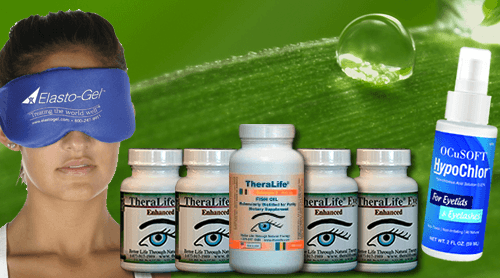

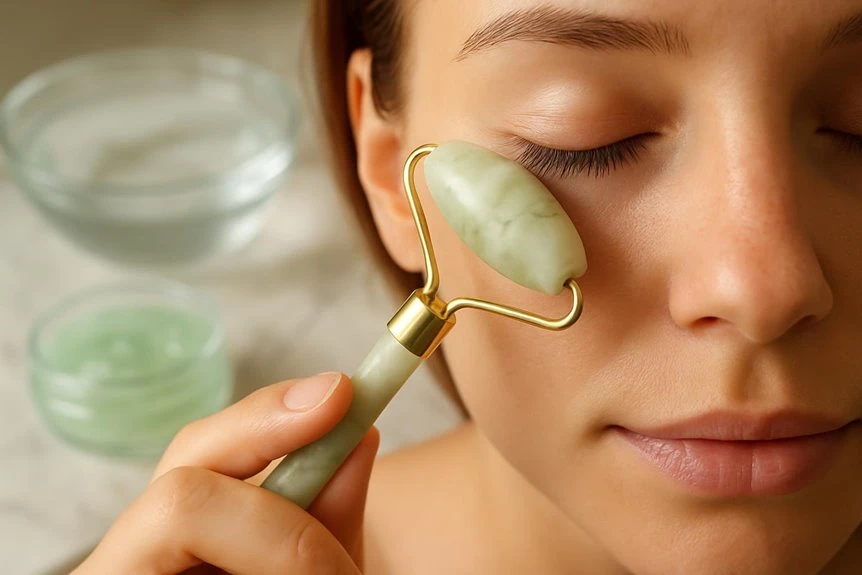
For those experiencing inner corner eye itching, TheraLife offers a unique solution by providing oral eye treatment care, setting itself apart as the only company with this approach. TheraLife’s products are designed to alleviate symptoms by targeting the root causes of eye discomfort, such as dry eyes, blepharitis, and other inflammatory conditions. Maintaining strict hand hygiene and avoiding eye rubbing can help prevent further irritation. While preservative-free artificial tears and sterile cool compresses can offer temporary relief, TheraLife’s comprehensive treatment plans focus on long-term eye health.
For individuals with persistent symptoms, professional evaluation is important to rule out underlying issues. TheraLife emphasizes the importance of prevention strategies and offers guidance on when to seek specialist care. By addressing eye health through a holistic, oral treatment approach, TheraLife provides a distinctive and effective option for those struggling with eye conditions.
Best Oral Itchy Eyes Treatment from TheraLife
Add To Cart
Key Takeaways
- Apply a sterile, cool compress to the inner eye corner for 10–15 minutes to quickly reduce itching and inflammation.
- Use preservative-free artificial tears or lubricating eye drops to soothe and dilute allergens on the ocular surface.
- Avoid rubbing or touching the eyes, and practice strict hand and eyelid hygiene to prevent further irritation.
- Try over-the-counter antihistamine eye drops, such as ketotifen or olopatadine, for targeted allergy relief.
- Consult an eye care professional if symptoms persist, worsen, or are accompanied by pain, discharge, or vision changes.
Common Causes of Inner Corner Eye Itching
Inner canthal pruritus, or itching at the inner corner of the eye, often arises from a range of etiologies including allergic conjunctivitis, environmental irritants, or underlying dermatological conditions.
You’ll frequently encounter allergic reactions as a primary cause—exposure to pollen, pet dander, or dust mites can trigger a type I hypersensitivity response, leading to mast cell degranulation and histamine release. This cascade produces localized itching and redness.
Environmental irritants such as pollution, smoke, or chemical fumes may also compromise the ocular surface, provoking inflammation and discomfort.
Additionally, dermatological disorders like atopic dermatitis or contact dermatitis can extend to the periorbital skin.
Recognizing these common causes allows you to differentiate between benign and more serious etiologies, guiding appropriate clinical evaluation and management.
Inflammatory mechanisms play a significant role in dry eye disease, which can also contribute to eye discomfort and itching.
Effective Home Remedies for Inner Corner Eye Itching
Understanding the underlying causes of itching at the inner corner of the eye enables you to target relief strategies more effectively. Home remedies, when used appropriately, can alleviate discomfort without pharmacological intervention. If allergy triggers or environmental factors are contributing, addressing these sources is critical. You can employ several evidence-based techniques to manage symptoms and minimize irritation:
- Apply a sterile, cool compress to the affected area for 10–15 minutes to reduce vasodilation and soothe pruritus.
- Practice meticulous hand hygiene and avoid touching or rubbing your eyes, which can exacerbate inflammation and introduce irritants.
- Use preservative-free artificial tears to dilute allergens and lubricate the ocular surface.
These interventions promote ocular surface homeostasis and mitigate mild symptoms. Treatments for dry eye disease can include both prescription and over-the-counter options to enhance eye lubrication and relieve irritation. Persistent or worsening itching warrants further evaluation by an eye care professional.
Over-the-Counter Treatments for Inner Corner Eye Itching
You can address inner corner eye itching with several over-the-counter options, including antihistamine eye drops, lubricating artificial tears, and cooling eye compresses. These interventions target common etiologies such as allergic conjunctivitis and ocular surface irritation. It’s important to select the appropriate formulation based on your specific symptoms and underlying cause. Artificial tears should be limited to 3-4 applications daily to avoid worsening dryness, making it crucial to monitor usage carefully.
Antihistamine Eye Drops
Several over-the-counter antihistamine eye drops provide targeted relief for allergic conjunctivitis, a common cause of itching at the inner corner of the eye.
You’ll find that antihistamine effectiveness depends on the active ingredient and the formulation’s ability to block histamine receptors in ocular tissues.
There are multiple eye drop types, each with specific indications and onset of action. For best results, you should select a product based on your symptom severity and frequency.
- Ketotifen fumarate: Dual-action, combining antihistamine and mast cell stabilization for rapid, sustained relief.
- Olopatadine hydrochloride: Highly selective H1-antagonist, delivers potent symptom suppression with minimal dosing.
- Pheniramine/naphazoline: Offers both antihistaminic and vasoconstrictive effects, reducing redness and itching quickly.
To effectively manage symptoms, it’s crucial to identify the root causes of eye itching and dryness, such as allergic conjunctivitis or dry eye syndrome.
Always follow dosing instructions and consult your pharmacist if you have comorbidities or use other ocular medications.
Lubricating Artificial Tears
Although lubricating artificial tears don’t target the underlying allergic or inflammatory processes, they effectively dilute allergens and irritants on the ocular surface, providing symptomatic relief from inner corner eye itching.
When you use artificial tears, you enhance ocular lubrication, which helps flush away particulate matter and environmental triggers that can accumulate in the inner canthus. These drops deliver lubrication benefits by restoring the tear film’s stability and reducing friction that can exacerbate pruritus.
Regular application also promotes tear preservation, minimizing evaporation and maintaining a protective barrier against new irritants. Choose preservative-free formulations to decrease the risk of sensitivity, especially with frequent use.
Make sure to follow the product’s dosing instructions to optimize symptom control and maximize the therapeutic advantages of lubrication without overuse. For a more comprehensive approach, consider addressing underlying issues that contribute to chronic dry eye syndrome.
Cooling Eye Compresses
Beyond artificial tears, cooling eye compresses offer another accessible, non-pharmacological approach for managing inner corner eye itching.
By applying gentle, cold compresses to the periocular area, you can leverage cooling techniques that constrict superficial blood vessels, reduce local inflammation, and diminish pruritic sensations.
Clinical evidence supports the efficacy of cold therapy in alleviating mild allergic and irritative symptoms affecting eye comfort.
For best results, you should:
- Use a sterile, chilled gel eye mask or a clean cloth soaked in cold water
- Apply the compress for 5–10 minutes, ensuring no direct ice contact to prevent tissue damage
- Repeat as needed, particularly after allergen exposure or when itch peaks
Regular use of hot compresses may also enhance eye comfort by improving gland function and relieving dry eye symptoms, offering a complementary approach to cold therapy.
This method offers prompt, targeted relief and can be safely combined with other over-the-counter interventions.
Always monitor for persistent symptoms requiring professional evaluation.
How to Identify the Cause of Your Inner Eye Itching
Why does your inner eye itch? To identify the underlying cause, assess recent exposure to common allergy triggers such as pollen, dust mites, or pet dander. Consider if symptoms follow contact with cosmetics or eye drops, which may induce allergic conjunctivitis. Poor eye hygiene, like rubbing your eyes with unwashed hands or not removing makeup thoroughly, can introduce irritants or pathogens, leading to itching. Evaluate for environmental factors—dry air or wind can exacerbate ocular surface irritation. Check for concurrent symptoms such as redness, tearing, or discharge, which could indicate an infectious or inflammatory process. Inner eye itching can also be a symptom of keratoconjunctivitis sicca, a condition associated with Sjögren’s syndrome, where dryness of the eyes leads to irritation.
When to See a Doctor for Inner Corner Eye Itching
If your inner eye itching persists despite avoiding known irritants or using over-the-counter remedies, consult an ophthalmologist to rule out more serious conditions. Persistent symptoms may signal underlying pathologies, such as allergic conjunctivitis, blepharitis, or even nasolacrimal duct obstruction. Medical evaluation is especially important if you experience additional signs like:
- Intense redness, swelling, or discharge from the inner corner
- Visual disturbances or significant changes in vision
- Pain, photophobia, or crusting despite proper eye hygiene
A specialist can perform targeted diagnostic assessments, including allergy testing, to identify allergens or confirm a chronic inflammatory process. Chlamydial conjunctivitis is another condition to consider, as it can cause inflammation and similar symptoms in the eyes.
Timely intervention reduces the risk of complications and guarantees you receive appropriate therapeutic management.
Prioritize your ocular health—don’t hesitate to seek expert guidance for persistent or worsening inner corner eye itching.
How to Prevent Inner Corner Eye Itching
Although inner corner eye itching frequently stems from common irritants or allergens, you can reduce your risk by implementing targeted preventive strategies.
Prioritize rigorous eye hygiene by gently cleansing the periocular area with a hypoallergenic cleanser to remove debris and minimize potential irritants. Regular handwashing also limits the transfer of allergens or pathogens to the ocular surface.
Employing thorough allergy management—such as utilizing HEPA filters, maintaining low indoor humidity, and monitoring pollen counts—can greatly decrease environmental triggers.
Consider using protective eyewear during high-exposure activities to shield your eyes from airborne particles. If you wear contact lenses, adhere strictly to recommended disinfection protocols and replacement schedules to prevent accumulation of allergens.
Protective eyewear acts as a barrier against pollen and airborne irritants, reducing allergic reactions and symptoms like conjunctivitis.
These evidence-based practices collectively support ocular surface integrity and help mitigate recurrent inner corner eye itching episodes.
What to Avoid With Itchy Inner Eyes
While experiencing inner corner eye itching, you should avoid rubbing or touching the affected area, as mechanical irritation can exacerbate inflammation and increase the risk of secondary infection. Direct contact with your hands may introduce bacteria or allergens, compounding the discomfort. It’s important to recognize and eliminate potential allergy triggers, such as pollen, pet dander, or dust mites, from your environment. Additionally, exposure to environmental irritants like smoke, strong fragrances, or chemical fumes can worsen ocular pruritus. To protect your eyes and promote healing, avoid the following: Using expired or contaminated eye drops and cosmetics, wearing contact lenses until symptoms resolve, and ignoring persistent symptoms that may indicate underlying pathology. Eyelid swelling can also be a sign of more serious conditions that require immediate medical attention.
Best Oral Itchy Eyes Treatment from TheraLife
Add To Cart
Frequently Asked Questions
Can Inner Corner Eye Itching Affect Vision Long-Term?
You typically won’t experience long-term vision complications from occasional inner corner eye itching.
However, if you let chronic irritation persist without addressing the underlying cause, you could risk developing more serious issues.
Chronic inflammation may damage the conjunctiva or cornea, potentially leading to scarring or impaired tear film function.
It’s essential to identify triggers and seek professional evaluation to prevent chronic irritation from escalating into conditions that could ultimately jeopardize your vision.
Is Inner Eye Itching Contagious to Others?
Inner eye itching itself isn’t contagious, but the causes of itching, such as viral or bacterial conjunctivitis, can spread to others through direct contact or contaminated surfaces.
To reduce transmission risk, follow prevention strategies like frequent handwashing, avoiding eye rubbing, and not sharing personal items like towels.
If you suspect an infectious etiology, seek prompt evaluation, as early identification and management minimize complications and protect those around you from potential spread.
Are Children More Prone to Inner Eye Itching Than Adults?
Just as tender seedlings react swiftly to a changing climate, you’ll find children are indeed more prone to inner eye itching than adults.
Childhood allergies and sensitivity differences, including immature immune and epithelial barrier responses, make younger individuals more susceptible to ocular pruritus. Their heightened exposure to environmental allergens and tendency to rub their eyes further increase risk.
Can Makeup Worsen Inner Corner Eye Itching?
Yes, makeup can worsen inner corner eye itching, especially if you’re sensitive to certain makeup ingredients.
Preservatives, fragrances, and pigments commonly found in cosmetics may trigger allergic reactions or irritant contact dermatitis in the delicate periorbital skin.
If you notice increased pruritus after applying eye makeup, discontinue use and consult a dermatologist or ophthalmologist.
Patch testing can help identify specific allergens, enabling you to choose hypoallergenic or ophthalmologist-tested products for safer application.
Does Diet Influence the Likelihood of Inner Eye Itching?
You might be surprised to learn that your diet and inner eye itching are often connected by coincidence.
Food allergens, like dairy or nuts, can trigger ocular allergic reactions, increasing the risk of itching in the inner eye area.
Additionally, inadequate hydration levels may reduce tear film stability, leading to irritation.
Conclusion
If you’re dealing with inner corner eye itching, TheraLife.com offers a unique solution that could be the answer you’re looking for. As the only company providing oral eye treatment care, TheraLife focuses on improving your overall ocular health from the inside out. Their products are designed to address various eye conditions, offering relief and prevention strategies that go beyond traditional methods.
TheraLife’s approach includes understanding triggers and implementing preventative strategies, which can significantly reduce recurrent symptoms. In addition, their oral treatment option is particularly beneficial for those dealing with conditions like blepharitis, dry eyes, and uveitis. The company emphasizes natural, evidence-based interventions, making it a standout choice in eye care.
For those experiencing persistent irritation or signs of infection, consulting an ophthalmologist is recommended. However, with TheraLife’s innovative products, you have the tools to take control of your eye health. Explore their offerings and experience the benefits of a comprehensive, preventative approach to relief and improved ocular well-being.
References
- 1.Hom MM, Nguyen AL, Bielory L. Allergic conjunctivitis and dry eye syndrome. Ann Allergy Asthma Immunol 2012;108:163–6. [DOI] [PubMed] [Google Scholar]
- 2.Wolf R, Orion E, Tuzun Y. Periorbital (eyelid) dermatides. Clin Dermatol 2014;32:131–40. [DOI] [PubMed] [Google Scholar]
- 3.Guin JD. Eyelid dermatitis: experience in 203 cases. J Am Acad Dermatol 2002;47:755–65. [DOI] [PubMed] [Google Scholar]
- 4.Nakano T, Mizoue S, Fuse N, et al. Fixed combination of travoprost and timolol maleate reduces intraocular pressure in Japanese patients with primary open-angle glaucoma or ocular hypertension: a prospective multicenter open-label study. Adv Ther 2015;32:823–37. [DOI] [PMC free article] [PubMed] [Google Scholar]
- 5.Mahvan TD, Hornecker JR, Buckley WA, et al. The role of besifloxacin in the treatment of bacterial conjunctivitis. Ann Pharmacother 2014;48:616–25. [DOI] [PubMed] [Google Scholar]
- 6.Moisseiev E, Varssano D. Comparison of ocular tolerability between preserved and preservative-free diclofenac sodium drops. J Ocul Pharmacol Ther 2011;27:333–7. [DOI] [PubMed] [Google Scholar]
- 7.Dawn A, Papoiu AD, Chan YH, et al. Itch characteristics in atopic dermatitis: results of a web-based questionnaire. Br J Dermatol 2009;160:642–4. [DOI] [PubMed] [Google Scholar]
- 8.Stander S, Weisshaar E, Mettang T, et al. Clinical classification of itch: a position paper of the international forum for the study of itch. Acta Derm Venereol 2007;87:291–4. [DOI] [PubMed] [Google Scholar]
- 9.Phan NQ, Blome C, Fritz F, et al. Assessment of pruritus intensity: prospective study on validity and reliability of the visual analogue scale, numerical rating scale and verbal rating scale in 471 patients with chronic pruritus. Acta Derm Venereol 2012;92:502–7. [DOI] [PubMed] [Google Scholar]
- 10.Matterne U, Apfelbacher CJ, Loerbroks A, et al. Prevalence, correlates and characteristics of chronic pruritus: a population-based cross-sectional study. Acta Derm Venereol 2011;91:674–9. [DOI] [PubMed] [Google Scholar]