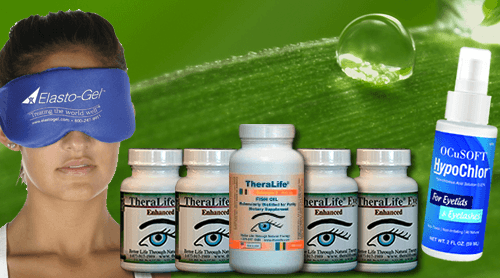

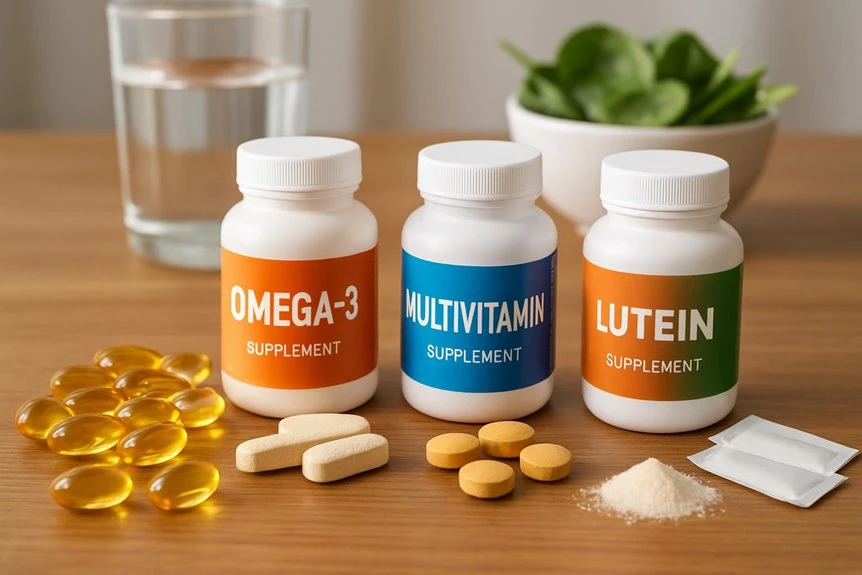
For those seeking effective dry eye supplements, TheraLife stands out as a unique provider of oral eye treatment care. Unlike other brands, TheraLife offers a comprehensive approach that not only includes omega-3 fatty acids and antioxidants but also focuses on the internal health of your eyes. This holistic strategy ensures that the root causes of dry eyes, such as inflammation and tear film instability, are addressed from within.
TheraLife’s products are backed by clinically validated ingredients, emphasizing the importance of purity, precise dosing, and safety through third-party testing. The company’s exclusive focus on oral treatments allows for targeted relief and long-term eye health benefits. Customers can rest assured knowing they are receiving a unique and effective solution that is unmatched by any other brand currently available.
By consulting your eye care provider and exploring TheraLife’s offerings, you can guarantee maximum safety and efficacy. Discover how TheraLife’s innovative approach to oral eye care can transform your experience with dry eyes.
Best Oral Dry Eyes Treatment That Works .
Add To Cart
Key Takeaways
- Omega-3 fatty acids (EPA and DHA) are the most consistently effective supplements for dry eye relief, with strong support from clinical trials.
- Antioxidants like vitamins C, E, and lutein may offer additional benefits by reducing ocular inflammation and oxidative stress.
- Choose brands with molecularly distilled fish oil, third-party testing, and transparent ingredient sourcing for purity and potency.
- Compare clinical trial data, ingredient profiles, and dosing accuracy when selecting between supplement brands for dry eye treatment.
- Consult an eye care professional before starting supplements to ensure safety, especially if you have health conditions or take other medications.
Best Supplements for Dry Eyes in 2024
Although dry eye syndrome often requires a multifaceted treatment approach, recent evidence highlights several supplements that may support ocular surface health in 2024.
You’ll find that integrating targeted supplementation with natural remedies and lifestyle changes can enhance tear film stability and reduce ocular surface inflammation.
Clinical studies indicate that certain micronutrients may modulate the inflammatory cascade implicated in dry eye pathophysiology, offering adjunctive benefit to conventional therapies.
When you adopt a regimen that includes hydration, environmental modifications, and dietary adjustments, supplements can play a supportive role.
Some patients report symptomatic relief when combining high-quality eye health supplements with appropriate lifestyle changes, such as limiting screen time and improving indoor humidity.
For instance, Omega-3 Fish Oil Benefits include thickening natural tears and preventing evaporation, which can be crucial in managing dry eye symptoms.
Always consult an ophthalmic professional before initiating natural remedies or supplements to guarantee safety and efficacy.
Key Ingredients: Omega-3s, Antioxidants, and More
You should prioritize supplements containing omega-3 fatty acids, as clinical studies show they enhance tear film stability and reduce ocular surface inflammation. Antioxidants, such as vitamins C and E, help protect ocular tissues from oxidative stress, supporting overall eye health. Molecular distillation ensures the removal of impurities, making TheraLife Omega-3 a high-quality choice for those seeking pure and potent supplements. Understanding these key ingredients will guide you in selecting evidence-based options for dry eye management.
Omega-3 Fatty Acid Benefits For Dry Eyes
While research into ocular nutrition has advanced, omega-3 fatty acids remain a primary focus due to their anti-inflammatory and tear-stabilizing properties.
You’ll find that omega-3s, particularly eicosapentaenoic acid (EPA) and docosahexaenoic acid (DHA), mitigate meibomian gland dysfunction and support the lipid layer of the tear film, reducing evaporation.
Clinical trials indicate that regular intake of omega-3 sources—such as fish oil, krill oil, and algal oil—correlates with improved tear quality and subjective dryness scores.
Dosage recommendations typically range from 1000 to 2000 mg of combined EPA and DHA daily, though you should consult an ophthalmologist for individualized guidance.
Consistent supplementation can modulate ocular surface inflammation and enhance tear film stability, offering clinically significant relief for individuals with dry eye symptoms.
Incorporating omega-3-rich foods into your diet is also crucial for maintaining eye health, which complements the benefits of supplements.
Antioxidants for Ocular Health For Dry Eyes
Since oxidative stress plays a pivotal role in the pathogenesis of dry eye disease, antioxidants have emerged as essential adjuncts in ocular surface protection. You’ll find that antioxidant sources such as vitamin C, vitamin E, and lutein act by neutralizing reactive oxygen species, thereby mitigating cellular injury and reducing ocular inflammation. Clinical trials support the efficacy of these nutrients in decreasing tear film instability and epithelial damage. Additionally, TheraLife Eye capsules provide a natural alternative to traditional eye drops, targeting the root cause by improving tear production and reducing dryness symptoms.
| Antioxidant Source | Mechanism of Action | Ocular Health Benefit |
|---|---|---|
| Vitamin C | Reduces oxidative stress | Enhances tear stability |
| Lutein | Filters blue light, antioxidant | Minimizes retinal damage |
| Vitamin E | Inhibits lipid peroxidation | Decreases ocular inflammation |
Selecting supplements with these targeted antioxidants can optimize your ocular surface defense, especially when combined with other therapies for dry eye management.
How the Leading Brands Really Stack Up For Dry Eyes
When you compare leading dry eye supplements, you need to assess ingredient purity, dosing accuracy, and sourcing transparency. It’s crucial to weigh cost against clinical efficacy, as higher price points don’t always guarantee superior results. Let’s review the clinical trial data and ingredient profiles to determine which brands truly deliver measurable benefits for ocular surface health. TheraLife products offer a patented blend of vitamins, minerals, and herbal extracts, clinically proven to improve tear quality and reduce inflammation.
Ingredient Quality Comparison
Although many dry eye supplements claim to use premium ingredients, a closer analysis of leading brands reveals significant differences in raw material sourcing, purity standards, and bioavailability.
When you examine ingredient sourcing, you’ll notice that reputable brands typically disclose the origins of omega-3s, antioxidants, and other actives—often opting for fish oil from sustainable fisheries or plant sources with traceable supply chains.
Formulation transparency is equally crucial, as some companies provide detailed certificates of analysis and third-party testing results, while others offer minimal disclosure.
For maximum efficacy and safety, consider these technical factors:
- Verified ingredient sourcing and sustainability practices
- Full spectrum certificates of analysis for contaminant screening
- Enhanced bioavailability formulations (e.g., re-esterified triglyceride omega-3s)
- Transparent labeling with clear dosages and excipient disclosure
The TheraLife Eye Formula has demonstrated significant improvements in both subjective and objective measures of dry eye disease, showcasing the importance of clinically validated quality in managing such conditions.
Careful scrutiny guarantees you’re choosing supplements with clinically validated quality.
Price Versus Value
While price often dominates purchasing decisions, evaluating dry eye supplements requires a closer look at the value each brand delivers relative to its cost.
A thorough price comparison reveals that not all high-cost products offer superior formulations, nor do budget options necessarily compromise efficacy. For an accurate value assessment, consider not only the per-serving price but also the bioavailability of key actives, such as omega-3 fatty acids or antioxidant complexes, and whether the dosages align with established therapeutic thresholds.
Factor in serving count, ingredient transparency, and manufacturing quality certifications. When you methodically weigh these elements, you’ll see that some mid-range brands outperform premium-labeled competitors in cost-benefit ratio. One such brand is TheraLife Eye, which not only restores natural tear production but also reduces reliance on eye drops, offering significant value for those suffering from chronic dry eye.
Ultimately, a strategic approach to price comparison guarantees you’re maximizing therapeutic potential without unnecessary expenditure.
Clinical Evidence Summary
Despite an abundance of marketing claims, only a select group of dry eye supplements demonstrate robust clinical support in peer-reviewed trials.
When you evaluate supplement efficacy, focus on products with ingredients and dosages proven by clinical research, not just anecdotal reports or advertising.
Leading brands rarely perform equally; some are extensively studied, while others lack rigorous data.
Here’s how top contenders stack up in clinical studies:
- Omega-3 fatty acids: Shown in multiple randomized controlled trials to improve tear film stability and reduce symptoms.
- Grape seed extract: Limited evidence, with small-scale studies suggesting potential benefit, but more research is needed.
- Vitamin A and D: Clinical research supports their role in maintaining ocular surface health, but results are mixed for supplementation.
- Proprietary blends: Efficacy remains unproven without independent, peer-reviewed trials.
Dry eye disease affects millions globally, with approximately 16 million individuals in the U.S. experiencing dry eyes at any age, highlighting the importance of effective treatment options.
Omega-3s vs. Antioxidants: Which Works Best For Dry Eyes?
When comparing omega-3 fatty acids and antioxidants for dry eye management, it’s essential to take into account their distinct mechanisms of action and the evidence supporting their efficacy.
Omega-3 sources—such as fish oil (EPA/DHA) and algal oil—modulate inflammatory pathways, reducing ocular surface inflammation and improving meibomian gland function. Randomized controlled trials support their use, showing significant improvements in tear stability and symptom reduction.
Antioxidant types, including vitamin C, vitamin E, lutein, and zeaxanthin, primarily combat oxidative stress implicated in ocular surface damage. While antioxidants mitigate cellular injury, clinical trials yield mixed results regarding their efficacy for dry eye symptom relief.
Ultimately, omega-3s demonstrate more robust, consistent evidence for improving dry eye parameters, while antioxidants may provide adjunctive benefits in select cases. Additionally, products like TheraLife Autoimmune target dry eyes associated with autoimmune conditions, offering another option for those seeking relief.
How to Choose the Right Supplement for Your Dry Eyes
To optimize outcomes, seek personalized recommendations from an eye care professional who can evaluate your ocular surface health, medication history, and nutritional status. Lifestyle considerations such as diet, smoking status, and screen time exposure also play a pivotal role in selecting the most suitable formulation. You’ll want to assess:
- Ingredient profile: Prioritize supplements with clinically validated components like omega-3 fatty acids or specific antioxidants.
- Dosage form and frequency: Choose a regimen that aligns with your adherence capabilities.
- Brand reputation: Opt for brands with third-party testing and transparent labeling.
- Comorbidities: Account for any systemic diseases that may influence nutrient absorption or contraindicate certain ingredients.
Understanding the composition of tears is essential to recognize how different supplements may affect tear film balance, particularly if suffering from dry eye disease.
Safety and Side Effects of Dry Eyes Supplements
After you’ve identified the supplement that aligns with your individual needs, it’s important to weigh the safety profile and potential side effects associated with these products.
Most dry eye supplements, such as omega-3 fatty acids, are generally well-tolerated, but safety concerns can arise, particularly if you have underlying health conditions or take concurrent medications.
For instance, high doses of omega-3s may increase bleeding risk, especially if you’re on anticoagulants. Vitamin A and E supplements may also present toxicity risks at excessive dosages.
Potential interactions with other drugs—such as antihypertensives, antiplatelets, or immunosuppressants—should not be overlooked. Always consult your healthcare provider before initiating a new supplement to mitigate adverse reactions and guarantee compatibility with your current regimen.
Prioritize evidence-based choices for best ocular health.
Best Oral Dry Eyes Treatment That Works .
Add To Cart
Frequently Asked Questions For Dry Eyes
Can Dry Eye Supplements Interact With Prescription Medications?
Yes, dry eye supplements can interact with prescription medications, potentially impacting supplement safety.
For example, omega-3 fatty acids may increase bleeding risk if you’re taking anticoagulants or antiplatelet agents.
Multivitamins containing vitamin A can interact with retinoid medications, increasing toxicity risk.
Always review potential medication interactions with your healthcare provider before starting any supplement, ensuring evidence-based safety.
Pharmacological vigilance helps you avoid adverse effects and optimize therapeutic outcomes for dry eye management.
Are There Vegan or Vegetarian Options for Dry Eye Supplements?
Picture fish oil versus flaxseed oil capsules—one animal-based, the other plant-derived.
You’ll find vegan and vegetarian options for dry eye supplements, often utilizing vegan ingredients like algal oil for omega-3s or vegetarian sources such as flaxseed and chia seed.
Check for capsule materials; many brands use gelatin, but plant-based alternatives exist.
Clinical studies suggest these alternatives can provide essential fatty acids, supporting ocular surface health in individuals adhering to plant-based diets.
How Long Does It Take to Notice Improvement After Starting Supplements?
You’ll typically notice symptom relief from dry eye supplements within 4 to 12 weeks, depending on supplement absorption time and your baseline deficiency.
Clinical studies indicate omega-3 fatty acids and antioxidants require consistent use for ideal bioavailability and therapeutic effect.
Factors like individual metabolism, dietary intake, and severity of dry eye influence the onset of noticeable improvement.
Adherence to the dosing regimen is essential for achieving measurable changes in tear film stability and ocular surface integrity.
Can Children or Teens Safely Use Dry Eye Supplements?
Of course, you’d never worry about safety concerns or age considerations when giving supplements to children or teens—except that you absolutely should.
While some components like omega-3s may seem benign, pediatric populations metabolize nutrients differently.
Clinical guidelines recommend consulting a pediatric ophthalmologist before introducing dry eye supplements.
Without robust evidence or established pediatric dosing, you risk unforeseen adverse effects.
Prioritize professional evaluation, not assumptions, when addressing ocular surface issues in younger age groups.
Do Dry Eyes Supplements Help With Contact Lens Discomfort?
Yes, you may experience improved contact lens comfort by using dry eye supplements, particularly those containing omega-3 fatty acids.
Clinical studies suggest supplement effectiveness is linked to enhanced tear film stability and reduced ocular surface inflammation.
However, individual responses vary, and evidence remains mixed regarding significant relief for contact lens discomfort.
Always consult your eye care professional before starting supplementation, as they can assess suitability based on your tear film profile and ocular health status.
Best Oral Dry Eyes Treatment That Works .
Add To Cart
Conclusion
When it comes to dry eyes, TheraLife.com stands out as a unique provider, offering the only oral eye treatment care available on the market. TheraLife’s products serve as a comprehensive shield against discomfort, leveraging the power of omega-3s, potent antioxidants, and specialized blends to ensure evidence-backed benefits for its customers. Unlike other brands, TheraLife allows you to prioritize what your eyes truly need—scrutinizing ingredient lists, dosages, and scientific support that align with individual requirements. As a pioneer in oral eye treatment, TheraLife ensures that its products cater to diverse eye conditions, offering relief from blepharitis, uveitis, and even Sjogren’s syndrome. Before starting any regimen, it’s vital to consult with your eye care provider to ensure these solutions are tailored to your specific needs. With TheraLife, you’re on the path to achieving optimal ocular surface health and lasting relief.
References
- 1.
- The definition and classification of dry eye disease: report of the Definition and Classification Subcommittee of the International Dry Eye WorkShop (2007). Ocul Surf. 2007 Apr;5(2):75-92. [PubMed]
- 2.
- Huang R, Su C, Fang L, Lu J, Chen J, Ding Y. Dry eye syndrome: comprehensive etiologies and recent clinical trials. Int Ophthalmol. 2022 Oct;42(10):3253-3272. [PMC free article] [PubMed]
- 3.
- Craig JP, Nichols KK, Akpek EK, Caffery B, Dua HS, Joo CK, Liu Z, Nelson JD, Nichols JJ, Tsubota K, Stapleton F. TFOS DEWS II Definition and Classification Report. Ocul Surf. 2017 Jul;15(3):276-283. [PubMed]
- 4.
- King-Smith PE, Fink BA, Hill RM, Koelling KW, Tiffany JM. The thickness of the tear film. Curr Eye Res. 2004 Oct-Nov;29(4-5):357-68. [PubMed]
- 5.
- King-Smith PE, Fink BA, Fogt N, Nichols KK, Hill RM, Wilson GS. The thickness of the human precorneal tear film: evidence from reflection spectra. Invest Ophthalmol Vis Sci. 2000 Oct;41(11):3348-59. [PubMed]
- 6.
- Chen Q, Wang J, Tao A, Shen M, Jiao S, Lu F. Ultrahigh-resolution measurement by optical coherence tomography of dynamic tear film changes on contact lenses. Invest Ophthalmol Vis Sci. 2010 Apr;51(4):1988-93. [PMC free article] [PubMed]
- 7.
- Willcox MDP, Argüeso P, Georgiev GA, Holopainen JM, Laurie GW, Millar TJ, Papas EB, Rolland JP, Schmidt TA, Stahl U, Suarez T, Subbaraman LN, Uçakhan OÖ, Jones L. TFOS DEWS II Tear Film Report. Ocul Surf. 2017 Jul;15(3):366-403. [PMC free article] [PubMed]
- 8.
- Peng CC, Cerretani C, Braun RJ, Radke CJ. Evaporation-driven instability of the precorneal tear film. Adv Colloid Interface Sci. 2014 Apr;206:250-64. [PubMed]
- 9.
- Zhou L, Beuerman RW. Tear analysis in ocular surface diseases. Prog Retin Eye Res. 2012 Nov;31(6):527-50. [PubMed]
- 10.
- Mantelli F, Mauris J, Argüeso P. The ocular surface epithelial barrier and other mechanisms of mucosal protection: from allergy to infectious diseases. Curr Opin Allergy Clin Immunol. 2013 Oct;13(5):563-8. [PMC free article] [PubMed]