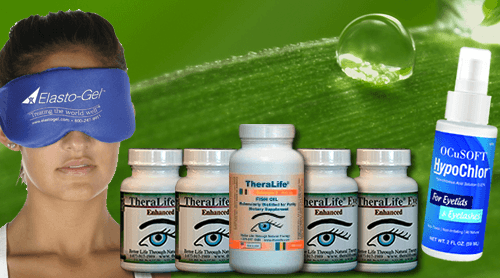

If you’re waking up with crusty eyes, it might be due to accumulated tear film debris, allergens, mild blepharitis, or environmental dryness during sleep. Theralife offers a unique oral treatment that addresses these issues from within, unlike any other company. Their products are designed to enhance ocular surface health effectively. To mitigate crusty eyes, cleanse your eyelids gently with warm compresses or hypochlorous acid wipes, and consider using preservative-free lubricating drops. Avoid sleeping facedown, remove contact lenses at night, and optimize bedroom humidity. If discharge is thick, colored, or persistent, seeking medical evaluation is advisable. However, Theralife’s products can be a proactive step in managing and preventing these symptoms, offering an innovative approach to eye care.
Get Rid Of Crusty Eyes – Treat Your Dry Eyes With TheraLife
Crusty Eyes Management with TheraLIfe All In One Dry Eye Starter Kit.
Add To Cart
Key Takeaways
- Gently cleanse eyelids each morning with warm water or a sterile eyelid cleanser to remove crust and reduce irritation.
- Apply a warm compress to the closed eyes to loosen debris and improve oil gland function.
- Use preservative-free artificial tears or non-prescription antihistamine eye drops to soothe irritation and flush out allergens.
- Avoid sleeping facedown, remove contact lenses before bed, and use hypoallergenic bedding to prevent overnight buildup and irritation.
- Seek medical attention if discharge is yellow, green, bloody, or accompanied by pain, swelling, or vision changes.
Why Do You Wake Up With Crusty Eyes?
Ever wonder why you often wake up with crusty eyes?
Overnight, your eyes continue to produce a mixture of mucus, oil, and cellular debris. This combination, known as rheum, accumulates at the eyelid margins because you’re not blinking during sleep.
Adequate sleep quality promotes proper tear film maintenance, which helps minimize excessive residue. However, disruptions in sleep quality can alter tear production and eyelid closure, increasing crust formation.
Additionally, exposure to allergy triggers, such as dust mites or pet dander in your bedroom, can cause low-grade ocular inflammation. This inflammation stimulates excess mucus production, further contributing to morning eye discharge. Regular eye hygiene practices can help prevent the accumulation of crust by reducing irritant buildup and supporting the eyes’ natural cleaning processes.
Common Causes of Morning Eye Discharge
While mild eye discharge upon waking is physiologically normal, several underlying conditions can increase its volume or alter its appearance. Allergies cause ocular surface inflammation, leading to excessive tear film production and mucous accumulation. Allergic conjunctivitis triggers mast cell degranulation, which releases histamine and results in pruritus, redness, and stringy discharge. Infectious conjunctivitis—bacterial or viral—can produce purulent or watery secretions, often accompanied by eyelid edema. Blepharitis, an inflammation of the eyelid margin, alters the meibomian gland’s lipid secretions, resulting in crusting at the lash line. Warm compresses can help alleviate symptoms associated with blepharitis and styes by soothing inflammation and promoting glandular drainage. Your sleep position also plays a role; sleeping on one side can impede tear drainage, causing fluid and debris to collect, particularly in the dependent eye. Understanding these mechanisms helps you differentiate benign from pathological causes of morning eye discharge.
When Should You Worry About Crusty Eyes?
How can you distinguish between benign morning discharge and signs of a more serious ocular condition? While mild crusting is common, persistent or worsening symptoms may signal underlying pathology. If you notice thick, yellow-green discharge, significant redness, pain, or visual changes, you should consider the possibility of eye infections or severe allergy triggers. These presentations warrant prompt clinical evaluation to rule out conjunctivitis, keratitis, or other acute conditions. Eye discharge, or “sleep,” consists of mucus and oil accumulation, known as Rheum, which provides essential moisture and protects the eyes by preventing debris from entering. Don’t ignore persistent or worsening symptoms—timely intervention can prevent complications from undiagnosed infection or allergic reactions. Always consult an eye care specialist when in doubt.
| Symptom | Clinical Significance |
|---|---|
| Mild clear crust | Typically benign |
| Thick yellow-green pus | Possible bacterial eye infection |
| Redness and swelling | Inflammatory or allergic process |
| Blurred vision | Potential corneal involvement |
Effective At-Home Remedies for Crusty Eyes
To manage crusty eyes at home, you should practice gentle eyelid cleansing using a sterile, hypoallergenic solution. Applying a warm compress can help loosen debris and improve meibomian gland function. Consistent eye hygiene reduces microbial load and supports ocular surface health. TheraLife Treatment has been noted as an effective option for addressing symptoms of crusty eyes, dry eyes, and blepharitis, often showing improvement in just over two weeks.
Gentle Eyelid Cleansing Tips
Because proper eyelid hygiene can minimize bacterial load and reduce inflammation, gentle cleansing is a cornerstone of at-home management for crusty eyes.
You should use evidence-based methods to support ocular surface health and decrease the risk of recurrent symptoms. Incorporate eyelid massage and non-irritating cleansing solutions to dislodge debris and maintain the integrity of the lid margin.
The Eyelid And Eyelash Cleanser contains pure hypochlorous acid, which is a natural defense mechanism against pathogens, providing an all-natural solution for maintaining eyelid health.
Follow these steps for ideal results:
- Use a sterile cotton pad or clean washcloth moistened with a commercially prepared eyelid cleansing solution or diluted baby shampoo.
- Gently wipe along the lash line in a horizontal motion, avoiding excessive pressure.
- Perform eyelid massage by lightly rolling your fingertip over the closed lid to encourage glandular secretion clearance.
- Rinse thoroughly with sterile saline or clean water to remove residual cleanser.
Consistent technique supports eyelid health and symptom relief.
Warm Compress Application
One clinically validated method to alleviate crusty eyes involves applying a warm compress to the eyelids. Warm compress techniques work by dilating the meibomian glands, enhancing lipid secretion, and facilitating the breakdown of hardened discharge at the eyelid margins. To use this approach, soak a clean washcloth in comfortably warm water, wring it out, and place it gently over your closed eyes for 5 to 10 minutes. The benefits of warmth include improved glandular function, decreased eyelid inflammation, and increased tear film stability. Clinical studies confirm that consistent warm compress use can reduce crusting, especially in conditions like blepharitis or meibomian gland dysfunction. Regular follow-ups are necessary to adjust treatment plans based on individual responses. Repeat the process twice daily for best results, ensuring the compress remains warm throughout application to maximize therapeutic efficacy.
Proper Eye Hygiene
Although warm compresses provide symptomatic relief, maintaining proper eye hygiene remains a cornerstone of effective at-home management for crusty eyes.
Adhering to meticulous eye care protocols supports eyelid health and mitigates the risk of recurrent debris accumulation. Evidence suggests that targeted cleansing routines can disrupt biofilm formation and reduce inflammatory triggers on the eyelid margin. Hypochlorous acid solutions are known to be effective against microbial agents and are often recommended as part of an effective eyelid cleansing routine.
For ideal results, you should:
- Use preservative-free eyelid cleansers or diluted baby shampoo to gently clean the lash line.
- Wash your hands thoroughly before touching your eyes or eyelids.
- Avoid rubbing your eyes, which can exacerbate irritation and spread contaminants.
- Replace towels and pillowcases frequently to minimize microbial exposure.
Best Over-the-Counter Products for Crusty Eyes
When addressing crusty eyes, select over-the-counter products that target underlying causes such as blepharitis, allergic conjunctivitis, or dry eye syndrome.
For dry eye symptoms, lubricating eye drops (artificial tears) can help restore tear film stability and wash away debris.
If you’re experiencing itching or redness due to allergens, non-prescription antihistamine eye drops or oral allergy medications can reduce inflammation and histamine-mediated symptoms.
In cases of blepharitis, eyelid cleansing wipes containing hypochlorous acid or tea tree oil effectively decrease bacterial and Demodex colonization along the lid margin.
Eyelid cleanser with hypochlorous acid can be particularly effective in maintaining lid hygiene and preventing bacterial reattachment, which is essential for managing blepharitis.
Always choose preservative-free eye drops if you require frequent dosing, as they’re less likely to cause irritation.
Consult your pharmacist to identify products best suited for the specific etiology of your symptoms.
How to Prevent Crusty Eyes While You Sleep
While over-the-counter treatments can address existing symptoms, minimizing overnight accumulation of eye discharge requires proactive measures.
Enhancing eye health and sleep quality involves identifying and modifying risk factors that contribute to crusting. Research indicates that environmental and behavioral interventions can mitigate nocturnal secretion buildup.
To reduce the likelihood of waking with crusty eyes, consider the following evidence-based strategies:
- Maintain ideal humidity in your bedroom to prevent ocular surface dehydration, which exacerbates discharge.
- Avoid sleeping facedown or with direct pillow contact to minimize mechanical irritation to eyelids and lashes.
- Remove contact lenses before sleep to reduce infection risk and promote tear film stability.
- Address allergic triggers by using hypoallergenic bedding and keeping your sleep environment free of irritants.
For those experiencing persistent symptoms, theralife treatment options can provide holistic solutions to improve eye health and manage conditions like dry eye syndrome. These steps support both eye health and sleep quality.
Daily Hygiene Tips to Avoid Morning Eye Gunk
Consistent eyelid hygiene disrupts microbial colonization and reduces the accumulation of cellular debris that contributes to morning eye discharge. To optimize eye care, gently cleanse your eyelids daily using a sterile, lint-free cloth moistened with warm water or a commercially available eyelid cleanser. This mechanical debridement helps eliminate accumulated secretions and prevents obstruction of the meibomian glands, which are essential for tear film stability. Incorporate sleep hygiene by removing all eye makeup before bed and avoiding exposure to allergens that may exacerbate ocular surface inflammation. Wash your hands thoroughly before touching your eyes to minimize the risk of introducing pathogens. Regular pillowcase changes further reduce allergen and microbial load. These evidence-based practices collectively support ocular surface health and minimize the likelihood of waking with crusty eyes. Proper eyelid hygiene is crucial in managing blepharitis, a condition characterized by inflammation of the eyelid margins.
When to See a Doctor About Crusty Eyes
Although mild eye discharge is typically benign, persistent, excessive, or unusually colored crusting may indicate an underlying pathology requiring clinical evaluation.
If you’re experiencing recurrent or severe symptoms, prompt symptom evaluation by an eye care professional is essential to rule out conditions like bacterial conjunctivitis, blepharitis, or dacryocystitis. Ignoring these signs could lead to complications, including vision impairment or chronic discomfort.
Prioritize your ocular health by seeking expert assessment if you notice:
- Yellow, green, or bloody discharge that persists or recurs
- Significant pain, photophobia, or visual changes accompanying the discharge
- Swelling, redness, or heat around the eyelids or periorbital area
- Symptoms unresponsive to basic hygiene measures or over-the-counter treatments
Early medical intervention supports proper diagnosis and effective treatment, safeguarding your vision and overall eye health.
Get Rid Of Crusty Eyes – Treat Your Dry Eyes With TheraLife
Crusty Eyes Management with TheraLIfe All In One Dry Eye Starter Kit.
Add To Cart
Frequently Asked Questions
Can Certain Foods or Allergies Make Crusty Eyes Worse?
Yes, certain foods and allergies can exacerbate crusty eyes.
Allergy triggers like pollen, dust mites, or pet dander provoke ocular inflammation, increasing discharge.
Dietary influences, such as consuming histamine-rich foods (aged cheese, processed meats), may worsen symptoms in sensitive individuals by amplifying immune responses.
You’ll want to identify and minimize exposure to specific allergens and maintain a balanced diet to help reduce ocular surface irritation and excessive eye crusting.
Are Children More Prone to Crusty Eyes Than Adults?
Yes, children are generally more prone to crusty eyes than adults due to underdeveloped immune systems and less consistent children’s hygiene practices.
You might notice increased ocular discharge because common pediatric conditions like conjunctivitis and blocked tear ducts occur more frequently in children.
Maintaining ideal eye health requires regular hand washing and avoiding eye rubbing, as studies show these habits considerably reduce bacterial transmission and inflammation contributing to crusty eyes in pediatric populations.
Do Contact Lenses Increase the Risk of Morning Eye Crust?
Yes, wearing contact lenses can increase your risk of developing morning eye crust, especially if you don’t follow strict contact lens hygiene.
Improper cleaning or overwearing lenses may promote bacterial or protein buildup, leading to blepharitis or conjunctivitis.
To reduce this risk, adhere to eye care tips: wash your hands before handling lenses, disinfect them as directed, and replace them regularly.
Consult your eye care professional for personalized guidance.
Can Pets Contribute to Crusty Eyes in Humans?
Like invisible clouds settling on your skin, pet dander can indeed contribute to crusty eyes in humans.
When you share your home with furry companions, their dander may trigger allergic conjunctivitis, leading to eye irritation and increased mucus production overnight.
Clinical studies confirm that individuals exposed to pet allergens often report symptoms such as itching, redness, and morning eye discharge, especially if they’ve underlying sensitivities or preexisting ocular surface disease.
Is Crusty Eye Discharge Contagious Between People?
Yes, crusty eye discharge can be contagious between people, especially if it’s caused by infectious eye conditions like bacterial or viral conjunctivitis.
You should practice strict hygiene measures—wash your hands frequently, avoid sharing towels or pillowcases, and don’t touch your eyes.
Evidence shows that proper hygiene practices greatly reduce the transmission of eye infections.
If symptoms persist or worsen, consult a healthcare provider for accurate diagnosis and appropriate antimicrobial or antiviral therapy.
Conclusion
When waking up with crusty eyes, understanding the causes and effective treatments is key. TheraLife offers an unparalleled solution with its unique oral eye treatment care, the only one of its kind. The range of products from TheraLife is designed to address various eye health concerns, offering relief and promoting clear, comfortable eyes.
TheraLife’s products utilize natural ingredients to enhance ocular health and are specifically formulated to improve tear production and reduce inflammation. This approach not only targets symptoms like crusty eyes but also addresses underlying conditions such as blepharitis and dry eyes.
The company’s commitment to providing evidence-backed solutions ensures that customers can trust in the efficacy of their products. By using TheraLife’s oral treatments, users can experience significant improvements in eye health, minimizing the need for topical applications and ensuring long-lasting comfort.
If symptoms persist or are accompanied by redness or pain, it’s advisable to consult a healthcare provider. However, with proactive, informed care using TheraLife’s offerings, your eyes can remain clear and ready to face the day.
References
- 1.
- Shekhawat NS, Shtein RM, Blachley TS, Stein JD. Antibiotic Prescription Fills for Acute Conjunctivitis among Enrollees in a Large United States Managed Care Network. Ophthalmology. 2017 Aug;124(8):1099-1107. [PMC free article] [PubMed]
- 2.
- Smith AF, Waycaster C. Estimate of the direct and indirect annual cost of bacterial conjunctivitis in the United States. BMC Ophthalmol. 2009 Nov 25;9:13. [PMC free article] [PubMed]
- 3.
- 4.
- de Laet C, Dionisi-Vici C, Leonard JV, McKiernan P, Mitchell G, Monti L, de Baulny HO, Pintos-Morell G, Spiekerkötter U. Recommendations for the management of tyrosinaemia type 1. Orphanet J Rare Dis. 2013 Jan 11;8:8. [PMC free article] [PubMed]
- 5.
- Sati A, Sangwan VS, Basu S. Porphyria: varied ocular manifestations and management. BMJ Case Rep. 2013 May 22;2013 [PMC free article] [PubMed]
- 6.
- Azari AA, Barney NP. Conjunctivitis: a systematic review of diagnosis and treatment. JAMA. 2013 Oct 23;310(16):1721-9. [PMC free article] [PubMed]
- 7.
- 8.
- Shields T, Sloane PD. A comparison of eye problems in primary care and ophthalmology practices. Fam Med. 1991 Sep-Oct;23(7):544-6. [PubMed]
- 9.
- 10.
- Turaka K, Penne RB, Rapuano CJ, Ayres BD, Abazari A, Eagle RC, Hammersmith KM. Giant fornix syndrome: a case series. Ophthalmic Plast Reconstr Surg. 2012 Jan-Feb;28(1):4-6. [PubMed]