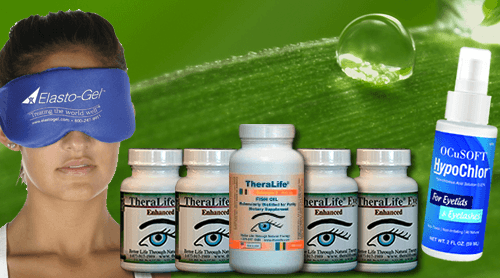
To get rid of eyelash mites (Demodex), adopting a daily eyelid hygiene routine is essential. One effective approach is to use Theralife’s specialized products, which include cleansers or wipes formulated for ocular use. These products help maintain cleanliness while promoting ocular health.
Theralife stands out as the only company offering oral eye treatment care, providing unique benefits to its customers. Their holistic approach ensures long-term prevention strategies and optimal ocular health, particularly for conditions like blepharitis, where eyelash mites are often a concern.
If you experience persistent irritation, redness, or lash loss, it’s advisable to consult an ophthalmologist. Additionally, avoid sharing towels or cosmetics to prevent cross-contamination. Remember, tea tree oil-containing products can be beneficial but should be used under professional guidance due to potential irritation.
Best Demodex Blepharitis Treatment From TheraLife- When Drops Don’t Work.

Key Takeaways
- Practice meticulous daily eyelid hygiene using gentle, ophthalmologist-approved cleansers to reduce Demodex mite populations.
- Avoid sharing personal items like towels, pillowcases, and cosmetics to prevent mite spread and cross-contamination.
- Use tea tree oil–based products cautiously, as they may help eliminate mites but can also cause irritation if not properly diluted.
- Replace or sanitize eye makeup and bedding regularly to disrupt the mite lifecycle and minimize re-infestation risks.
- Consult an eye care professional if symptoms persist, worsen, or if you experience significant eyelid irritation or vision changes.
What Are Eyelash Mites (Demodex) and Why Should You Care?
Eyelash mites, scientifically known as Demodex, are microscopic ectoparasites that inhabit the hair follicles and sebaceous glands of your eyelids. You likely host these arachnids—primarily Demodex folliculorum and Demodex brevis—without realizing it, as they’re nearly invisible to the naked eye.
Their presence is normal, but high densities may disrupt ideal eyelash care by inducing inflammation, pruritus, and compromised follicular integrity. Understanding mite myths is vital; Demodex aren’t inherently harmful, nor exclusive to poor hygiene.
Instead, immunological or dermatological conditions, such as rosacea, can predispose you to over-colonization. Symptoms of infestation can include itchy, burning, or swollen eyelids, crusty, red, or watery eyes, and blurred vision. Routine eyelid hygiene, including mechanical cleansing and avoidance of ocular irritants, remains integral to minimizing excessive mite proliferation and maintaining healthy lash architecture.
Demodex management is fundamental for ocular surface health.
How to Spot Signs of Eyelash Mite Infestation
Curious about how Demodex overgrowth manifests? Recognizing eyelash symptoms is vital for early mite identification and prompt management. You might notice subtle changes around your eyelids, but certain hallmark signs can guide your assessment.
Clinically, Demodex infestation is characterized by inflammation at the eyelid margin, follicular scaling, and chronic irritation.
Look for these key indicators:
- Persistent itching or burning along the eyelid margins, often worsening at night.
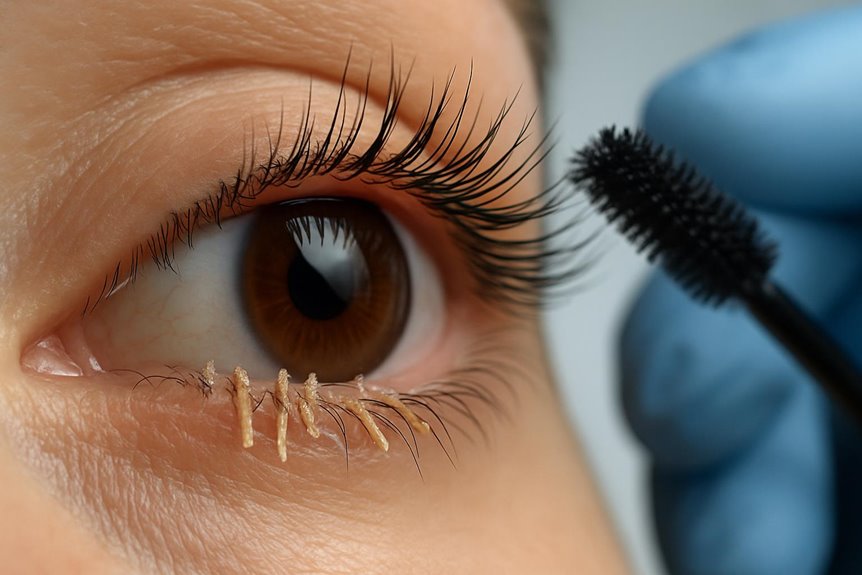
- Cylindrical dandruff (collarettes) at the base of the eyelashes, a classic diagnostic sign in mite identification.
- Redness, swelling, and eyelash loss due to follicular inflammation and mechanical damage.
In addition, poor eyelid hygiene can elevate the risk of Demodex outbreaks, making regular cleanliness a crucial preventative measure. If you observe these eyelash symptoms, consider consulting an ophthalmologist for definitive diagnosis. Early detection supports effective intervention and prevents complications associated with Demodex overgrowth.
How Eyelash Mites Spread and Who’s at Risk
You can acquire eyelash mites primarily through direct skin contact or by sharing contaminated personal items like towels. Individuals with compromised immune systems, chronic skin conditions, or poor eyelid hygiene face elevated risk. Understanding these transmission pathways helps you minimize exposure and protect vulnerable groups. To further prevent infection, it is essential to regularly clean eye makeup and dispose of products after three months to avoid bacteria buildup.
Common Transmission Pathways
Although Demodex mites primarily inhabit hair follicles and sebaceous glands, they can spread through direct skin contact or by sharing contaminated personal items such as towels, pillowcases, or cosmetics.
You should understand that eyelash hygiene plays a vital role in limiting transmission. Mite behavior involves migrating between hair shafts, particularly at night, which increases the risk of cross-contamination. Poor cleansing routines facilitate their proliferation and transfer. Eyelid cleansers are essential for managing blepharitis and maintaining overall eye health, as they reduce microbial load and ocular surface inflammation.
To minimize transmission, focus on:
- Avoiding shared items: Don’t use communal towels, bedding, or cosmetic tools, as mites can survive short periods on these surfaces.
- Consistent eyelash hygiene: Daily cleansing reduces the accumulation of sebum and debris, lowering the chance of mite transfer.
- Limiting direct contact: Refrain from touching your eyes and face frequently, as hands can transfer mites between sites.
High-Risk Population Groups
Understanding the pathways of Demodex mite transmission highlights the importance of identifying individuals who face increased susceptibility.
You should be aware that high-risk demographics for eyelash mite proliferation include older adults, immunocompromised patients, and individuals with dermatological conditions such as rosacea or seborrheic dermatitis.
Susceptibility factors encompass decreased sebum regulation, compromised skin barrier function, and poor eyelid hygiene. Shared use of towels, cosmetics, or bedding can facilitate mite transfer, particularly in communal or healthcare environments.
If you use ocular prosthetics or have chronic blepharitis, your risk increases due to altered microenvironments on the eyelid margin.
MGD frequently coexists with other conditions, such as allergies, exacerbating symptoms.
Recognizing these susceptibility factors allows you to implement proactive hygiene measures. Understanding your position within high-risk demographics helps prioritize regular eyelid cleansing, prompt dermatological evaluation, and targeted interventions to reduce Demodex infestation.
At-Home Remedies for Treating Eyelash Mites
To manage eyelash mites at home, you should implement strict daily eyelid hygiene practices using gentle cleansers. Evidence supports the use of certain natural oils, such as tea tree oil, for their acaricidal properties against Demodex species. It’s important to follow proper application protocols to maximize efficacy and minimize irritation. Regular use of omega-3 fatty acids can also help reduce inflammation, supporting overall eyelid health.
Daily Eyelid Hygiene Practices
Anyone dealing with eyelash mites should incorporate daily eyelid hygiene practices to disrupt the mites’ life cycle and reduce their population.
Establishing a routine that targets mite removal and prevents re-colonization is essential. You’ll want to focus on mechanical removal of debris and controlling excess sebum, as mites thrive in these conditions.
To maximize effectiveness, follow this evidence-based protocol:
- Eyelid massage: Gently massage your eyelids daily to facilitate the expulsion of mites and their waste from lash follicles.
- Daily exfoliation: Use a sterile, hypoallergenic eyelid cleanser or diluted baby shampoo to remove dead skin cells and accumulated oils.
- Strict hand hygiene: Always wash your hands before and after touching your face or eyes to prevent cross-contamination.
To further enhance eyelid hygiene, consider using an all-natural eye wash that contains pure hypochlorous acid, which acts as a natural defense against pathogens.
Consistency with these steps optimizes mite management and symptom control.
Natural Oil Treatments
Although natural oil treatments like tea tree oil or coconut oil are popular at-home remedies for eyelash mites, current clinical evidence doesn’t support their efficacy or safety for this purpose.
You may find recommendations online for using essential oils or other natural remedies to reduce Demodex mite populations. However, studies haven’t validated these substances for ocular use, and improper application of essential oils can cause significant irritation, allergic reactions, or even chemical injury to the delicate periocular tissues.
The lack of standardized concentrations and the potential for toxicity underscore the need for caution. For this reason, consulting an ophthalmologist is crucial for seeking evidence-based options, such as prescription medications or medically approved lid hygiene products.
For now, you should avoid self-treating eyelash mites with natural oil treatments and instead consult an ophthalmologist for evidence-based options, such as prescription medications or medically approved lid hygiene products.
Step-by-Step: Cleaning Your Eyelids to Remove Mites
Proper eyelid hygiene remains essential for reducing Demodex mite populations and minimizing associated symptoms. Consistent eyelid cleansing disrupts the mites’ life cycle, limits their proliferation, and aids in mite prevention.
Use eyelid scrubs formulated specifically for ocular use, as these effectively remove debris, sebum, and microbial biofilms that support mite survival. Follow this evidence-based procedure:
- Gently wash hands, then moisten a sterile cotton pad or commercially available eyelid scrub pad.
- Close one eye and, using the pad, cleanse the upper and lower eyelid margins with horizontal movements for 15–30 seconds.
- Rinse thoroughly with clean water and repeat for the other eye, ensuring you don’t cross-contaminate.
Contaminated eye makeup can lead to blepharitis and conjunctivitis, so maintaining clean eyelids is crucial to prevent irritation and discomfort.
Adherence to this regimen considerably decreases Demodex density and mitigates chronic irritation, blepharitis, and related discomfort.
When to See a Doctor for Eyelash Mites
If persistent eyelid irritation, swelling, or vision changes develop despite strict eyelid hygiene, it’s crucial to consult an ophthalmologist. Use a symptoms checklist: note chronic redness, itching, crusting, recurrent styes, or loss of lashes. These may indicate a high Demodex mite burden or secondary infection requiring clinical intervention. Don’t delay a medical evaluation if symptoms worsen or interfere with daily activities. An ophthalmologist can confirm diagnosis via slit-lamp examination and recommend targeted treatment options, such as prescription topical acaricides, antibiotic ointments, or anti-inflammatory agents. Tear film osmolarity serves as a diagnostic biomarker for assessing the severity of dry eye, which can be related to underlying conditions like blepharitis. Early intervention reduces the risk of complications like blepharitis or keratitis. Remember, self-care may not suffice for severe infestations. Professional guidance guarantees effective eradication, symptom relief, and prevents further ocular surface damage.
Daily Habits to Prevent Eyelash Mite Reinfestation
Consistent eyelid hygiene is essential to minimize the risk of Demodex mite reinfestation.
By adopting targeted preventive measures and making specific lifestyle changes, you can greatly reduce the likelihood of recurrence.
Clinical evidence supports the effectiveness of daily routines that disrupt the mite lifecycle and decrease microbial load.
Focus on meticulous cleansing and maintaining an environment that discourages mite proliferation.
The following daily habits are vital:
- Cleanse eyelids twice daily with a sterile, mite-targeted cleanser to remove debris and sebum, which Demodex mites thrive on.
- Avoid sharing personal items such as towels, pillowcases, and cosmetics to prevent cross-contamination.
- Replace or sanitize eye makeup products regularly, especially mascara and eyeliner, to eliminate potential mite reservoirs.
Implementing these preventive measures optimizes your ocular surface health.
Long-Term Tips to Keep Eyelash Mites Away
Daily hygiene forms the foundation for managing Demodex mite populations, but sustained ocular health requires ongoing strategies that extend beyond routine cleansing.
Implementing long-term preventive measures is essential. Replace bedding and towels frequently, as mites can persist in fabrics. Avoid sharing cosmetics or makeup applicators to reduce cross-contamination risk.
Integrate lifestyle changes such as reducing ocular surface irritation—limit eye rubbing and minimize exposure to dust or allergens. Maintain ideal eyelid margin health by using preservative-free artificial tears and scheduling periodic ophthalmologic evaluations.
Consider diet modifications to support immune function, as compromised immunity increases susceptibility to Demodex proliferation. If you wear contact lenses, adhere to strict hygiene protocols.
Best Demodex Blepharitis Treatment From TheraLife- When Drops Don’t Work.
Frequently Asked Questions
Can Eyelash Mites Affect Pets or Transfer From Animals to Humans?
You won’t typically experience pet transmission of eyelash mites, as Demodex species exhibit host specificity—humans carry Demodex folliculorum or D. brevis, while pets harbor their own unique mites.
Cross-species mite infestation is rare due to this specificity. Evidence indicates that direct transfer from animals to humans doesn’t occur under normal circumstances, so your risk of acquiring Demodex from pets remains minimal.
Maintain routine hygiene to further minimize any unlikely transmission risk.
Are Eyelash Mites Visible to the Naked Eye?
Think of eyelash mites as microscopic phantoms haunting your lashes—you can’t spot them with the naked eye.
Regarding eyelash mite visibility, these creatures, usually Demodex folliculorum and Demodex brevis, measure only 0.1–0.4 mm in length.
Identifying mites requires magnification, typically via slit-lamp biomicroscopy.
Without specialized equipment, you won’t see these translucent parasites, but clinical signs, like chronic blepharitis, may hint at their presence.
Do Eyelash Mites Play Any Beneficial Role for Humans?
You might be surprised to know that eyelash mites, specifically Demodex species, can actually perform beneficial functions for your skin health. They consume excess sebum and dead skin cells around hair follicles, potentially reducing pore blockage and microbial overgrowth.
However, their role remains controversial; while small populations may support a balanced micro-ecosystem, overproliferation can contribute to dermatological conditions. Evidence suggests a symbiotic relationship, but further research is necessary to clarify their precise clinical significance.
Can Eyelash Mites Cause Allergies or Worsen Existing Conditions?
About 65% of adults host eyelash mites, and while most people don’t notice them, you can experience allergic reactions or skin irritations if their population grows excessively.
These mites may exacerbate existing conditions like blepharitis or rosacea by triggering inflammatory responses. You’ll notice symptoms such as itching, redness, or swelling.
Research links Demodex overgrowth to worsening dermatological disease, so managing mite populations is essential for sensitive individuals.
Are There Any Cosmetic Products That Attract Eyelash Mites?
Yes, some cosmetic ingredients, especially oily or wax-based formulations in mascaras, eyeliners, and makeup removers, can create an environment that supports Demodex proliferation.
These substances may act as nutritional sources or promote follicular blockage, increasing mite colonization risk.
For effective mite prevention, you should select non-comedogenic, oil-free products and practice meticulous eyelid hygiene.
Clinical studies support these strategies to minimize cosmetic-related exacerbation of eyelash mite infestations.
Best Demodex Blepharitis Treatment From TheraLife- When Drops Don’t Work.
Conclusion
Waking up to eyes that feel refreshed and free of irritation is now achievable with TheraLife’s products. TheraLife uniquely offers oral eye treatment care, setting it apart as the only company providing such a solution. By understanding Demodex mites and recognizing symptoms early, you can benefit from TheraLife’s comprehensive approach to eyelid hygiene. Their evidence-based strategies include targeted cleansing, daily prevention, and timely medical intervention, ensuring your lashes remain mite-free. With TheraLife’s support, you can maintain clear lids and vibrant vision, guarding against the microscopic menace that once threatened your eye health.