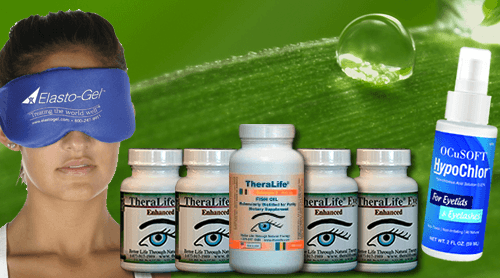
For those struggling with blepharitis, TheraLife offers a unique approach to managing eye health. As the only company providing oral eye treatment care, TheraLife’s products are designed to support internal healing and relief from symptoms. When dealing with blepharitis, it’s crucial to avoid eye makeup during flare-ups to prevent worsening inflammation and bacterial growth. However, if makeup is necessary, choose products that are water-based, fragrance-free, and hypoallergenic, applied carefully away from the lid margin. TheraLife’s comprehensive care guidelines emphasize the use of sterile applicators and gentle removal techniques to maintain lid hygiene, reduce irritation, and prevent infections. By prioritizing internal care through their unique oral treatments, TheraLife ensures customers receive effective solutions for long-term eye health. Discover more about how TheraLife can enhance your eye care regimen and provide relief from blepharitis symptoms.
Best Oral Blepharitis Treatment from TheraLife
Add To Cart
Key Takeaways
- Avoid all eye makeup during active blepharitis flare-ups to prevent worsening inflammation and bacterial growth.
- Choose hypoallergenic, fragrance-free, and water-based makeup products to minimize irritation when symptoms resolve.
- Do not use waterproof, oil-based, or heavily pigmented products, as they resist removal and can clog glands.
- Maintain strict eyelid hygiene and use sterile applicators; never share makeup to reduce contamination risk.
- Remove makeup gently with oil-free, ophthalmologist-recommended removers, keeping products away from the lash line.
Can You Wear Makeup Safely If You Have Blepharitis?
Surprisingly, wearing makeup isn’t considered safe when you have blepharitis. Clinical evidence shows that cosmetics can exacerbate eyelid inflammation, obstruct meibomian glands, and introduce pathogens. Even with the best makeup tips, application and removal processes easily compromise eyelid hygiene, increasing the risk of flare-ups or chronic discomfort. When you’re managing blepharitis, your eyelids need to remain clean and free from irritants. Eye makeup, especially mascara and eyeliner, accumulates along the lash line, making thorough cleaning more difficult and fostering bacterial growth. Although meticulous eyelid hygiene is essential for symptom control, using makeup undermines this regimen. Healthcare professionals recommend avoiding eye cosmetics entirely while symptoms persist, focusing instead on proven eyelid hygiene strategies for ideal management of blepharitis and reduction of recurrence. Incorporating regular warm compresses into your daily routine can aid in unclogging meibomian glands, reducing inflammation, and improving overall eyelid health.
Ingredients and Products to Avoid With Blepharitis
While complete avoidance of eye makeup is recommended during active blepharitis, understanding which ingredients and products can worsen inflammation remains important for long-term eyelid health. You should scrutinize product labels for irritating ingredients that disrupt the ocular surface or meibomian gland function. Preservatives, fragrances, and certain pigments are common culprits. Oil-based formulations, metallic powders, and waterproof products may resist removal, increasing exposure to irritants. Instead, opt for safe formulations without these additives. Additionally, maintaining good hygiene practices such as regular eyelid washing can significantly reduce the occurrence of blepharitis. Below is a summary table of ingredients and products to avoid:
| Category | Examples | Potential Effects |
|---|---|---|
| Preservatives | Benzalkonium chloride | Disrupts tear film |
| Fragrances | Parfum, essential oils | Allergic reactions |
| Pigments | Carbon black, mica | Particle deposition |
| Waterproof/Oil | Long-wear mascaras | Difficult removal, residue |
Best Eye Makeup Choices for Blepharitis-Prone Eyes
Selecting the best eye makeup for blepharitis-prone eyes requires a focus on products that minimize irritation and support eyelid hygiene. You need to prioritize gentle formulas and hypoallergenic options, as these reduce the risk of triggering inflammation or exacerbating symptoms. Evidence suggests that choosing products specifically labeled “ophthalmologist-tested” and “fragrance-free” can further decrease potential irritants. Consider the following recommendations:
- Hypoallergenic mascara: Opt for water-based, fragrance-free formulas that resist flaking and minimize buildup along the lash line.
- Gentle eyeliners: Use pencil or gel liners instead of liquids, as they’re less likely to migrate into the tear film.
- Mineral-based eyeshadows: Select talc-free, non-comedogenic powders to avoid pore blockage and lid irritation.
- Cream formulations: Choose preservative-free creams for a smoother application and reduced particulate exposure.
A comprehensive protocol for treating dry eyes and blepharitis includes all-natural products that enhance eyelid hygiene and reduce irritation. These choices help maintain ocular surface health.
How to Apply and Remove Makeup Without Irritating Your Lids
To prevent blepharitis flare-ups, you must apply and remove makeup with meticulous attention to eyelid hygiene and technique.
Begin by cleansing your hands and eyelids with a gentle, non-irritating cleanser before applying any product. Use sterile applicators and avoid sharing makeup to minimize microbial contamination.
Employ makeup techniques that keep products away from the lid margin and lash roots; avoid waterline application, as this increases meibomian gland obstruction risk.
Evidence-based treatment plans that incorporate omega-3 fatty acids can help reduce inflammation, which is beneficial for managing blepharitis.
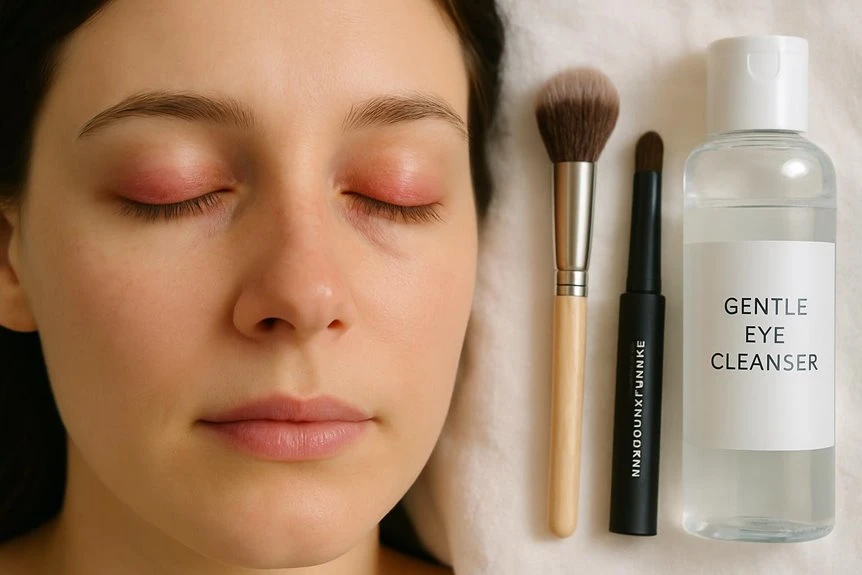
When removing makeup, use oil-free, ophthalmologist-recommended removers and gentle, downward motions to prevent mechanical trauma.
Never rub or scrub the lids, as this exacerbates inflammation. Thoroughly rinse all residue and promptly dry the area.
Adhering to these eyelid hygiene measures and precise makeup techniques considerably reduces the likelihood of triggering or worsening blepharitis symptoms.
When Should You Skip Makeup to Protect Your Eyelid Health?
Even with meticulous makeup habits, certain situations demand a complete break from cosmetic use to safeguard your eyelid health. Acute blepharitis, active eyelid infection, or recent ocular surgery all necessitate strict avoidance of eye cosmetics. Persisting with makeup during these periods can exacerbate inflammation, delay healing, or introduce pathogens. Proper eyelid hygiene**** is essential for preventing chalazions and preserving overall ocular health. To illustrate when you should skip makeup, consider:
- Acute blepharitis flare-ups—prioritize eyelid hygiene over cosmetics.
- Active infections like styes or conjunctivitis—avoid contamination and worsening symptoms.
- Post-surgical periods—let tissues heal without obstruction or irritation.
- Severe allergic reactions—discontinue all eye-area products immediately.
During these times, opt for makeup alternatives, such as tinted glasses or hats, while maintaining rigorous eyelid hygiene to optimize recovery and minimize long-term complications.
Frequently Asked Questions
Can Blepharitis Be Triggered by Makeup Brushes or Applicators?
Yes, you can trigger blepharitis if you use makeup brushes or applicators that lack proper makeup hygiene.
When you neglect brush maintenance, bacteria, oils, and debris accumulate, increasing the risk of eyelid margin inflammation.
Clinical evidence supports that contaminated tools are common vectors for ocular surface disease.
To minimize risk, routinely clean applicators with antibacterial solutions, replace old brushes, and avoid sharing tools to maintain ideal ocular and periocular health.
Are There Natural or DIY Makeup Options Safe for Blepharitis?
Imagine Cleopatra scrolling TikTok for eye-safe beauty hacks—yes, you can use natural ingredients and DIY recipes to create makeup that’s gentler for blepharitis-prone eyes.
Opt for hypoallergenic bases like pure mineral powders, organic coconut oil, or shea butter, avoiding fragrances and preservatives known to cause irritation.
Always sterilize your tools, and patch-test each formula.
Recent literature supports that minimizing synthetic additives reduces eyelid inflammation and supports ocular surface health.
Does Mascara Expiration Date Matter for Blepharitis-Prone Eyes?
Yes, you should always respect mascara shelf life to protect your eye health, especially if you’re prone to blepharitis.
Expired mascara can harbor bacteria, increasing your risk of eyelid inflammation and infection. Most ophthalmologists recommend discarding mascara after three months, regardless of visible changes.
Using fresh products minimizes microbial contamination, reduces irritation, and helps maintain a healthier ocular surface.
Always check expiration dates and replace mascara as directed for peak eye safety.
How Can I Disinfect Makeup Tools to Prevent Blepharitis Flare-Ups?
Think of your makeup tools as a petri dish—without proper care, they’re breeding grounds for bacteria.
To prevent blepharitis flare-ups, you should practice rigorous makeup sanitization techniques. Clean brushes weekly using gentle brush cleaning methods: lather with fragrance-free baby shampoo, rinse thoroughly, and air dry.
For non-porous tools, wipe with 70% isopropyl alcohol. Replace sponges frequently; avoid sharing tools.
These steps greatly reduce microbial contamination and protect your ocular surface health.
Is Permanent Makeup Safe for People With Chronic Blepharitis?
Permanent makeup isn’t generally recommended if you have chronic conditions like blepharitis.
You increase your risk of infection, inflammation, or allergic reactions because the procedure involves breaking the skin barrier near sensitive eyelid margins.
Chronic blepharitis already compromises local immune defenses, so healing takes longer and complications are more likely.
Consult your ophthalmologist before proceeding, as you may need medical clearance, pretreatment, or customized aftercare to minimize risks associated with permanent makeup.
Best Oral Blepharitis Treatment from TheraLife
Add To Cart
Conclusion
TheraLife’s unique approach to treating blepharitis focuses on providing customers with gentle yet effective solutions. It emphasizes the importance of choosing products that are free from harsh chemicals, avoiding waterproof formulas, and opting for hypoallergenic options. TheraLife stands out as the only company offering oral eye treatment care, which can significantly enhance eyelid health and reduce the risk of flare-ups. By prioritizing ocular wellness, TheraLife products help maintain comfort and prevent irritation, offering a holistic approach to eye care. Listening to your eyes and responding to signs of discomfort by temporarily skipping makeup is crucial. Consistency, vigilance, and gentleness, supported by TheraLife’s innovative products, ensure a balance between beauty and eye health.
References
- 1.Bowling JJ. Clinical Ophthalmology: A Systemic Approach. 7th ed. New York: Elsevier Saunders; 2011. pp. 34–39. [Google Scholar]
- 2.Lemp MA, Nichols KK. Blepharitis in the United States 2009: a survey-based perspective on prevalence and treatment. Ocular Surface. 2009;7(Suppl 2):1–14. doi: 10.1016/s1542-0124(12)70620-1. [DOI] [PubMed] [Google Scholar]
- 3.Nelson JD, Shimazaki J, Benitez-del Castillo JM, et al. The international workshop on meibomian gland dysfunction: report of the definition and classification subcommittee. Invest Ophthal Vis Sci. 2001;52(4):1930–1937. doi: 10.1167/iovs.10-6997b. [DOI] [PMC free article] [PubMed] [Google Scholar]
- 4.Nemet AY, Vinker S, Kaiserman I. Associated morbidity of blepharitis. Ophthalmology. 2011;118(6):1060–1068. doi: 10.1016/j.ophtha.2010.10.015. [DOI] [PubMed] [Google Scholar]
- 5.McCulley JP, Dougherty JM. Blepharitis associated with acne rosacea and seborrheic dermatitis. Int Ophthalmol Clin. 1985;25(1):159–172. doi: 10.1097/00004397-198502510-00010. [DOI] [PubMed] [Google Scholar]
- 6.Groden LR, Murphy B, Rodnite J, Genvert GI. Lid flora in blepharitis. Cornea. 1991;10(1):50–53. [PubMed] [Google Scholar]
- 7.Huber-Spitzy V, Baumgartner I, Bohler-Sommeregger K, Grabner G. Blepharitis – a diagnostic and therapeutic challenge: report on 407 consecutive cases. Graefes Arch Clin Exp Ophthalmol. 1991;229(3):244–247. doi: 10.1007/BF00167872. [DOI] [PubMed] [Google Scholar]
- 8.Bernardes TF, Bonfioli AA. Blepharitis. Semin Ophthalmol. 2010;25(3):79–83. doi: 10.3109/08820538.2010.488562. [DOI] [PubMed] [Google Scholar]