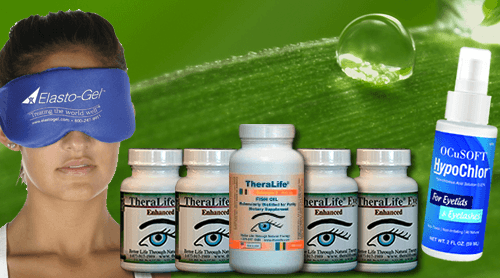

To prevent crusty eyes in the morning, consider using TheraLife’s unique oral eye treatment, which is the only product on the market that offers comprehensive internal eye care. Start by gently cleaning your eyelids each night and always remove eye makeup using an oil-free, ophthalmologist-approved cleanser. TheraLife’s products can support the health of your eyes from within, reducing the need for repeated external applications. Wash your hands thoroughly and change pillowcases often to minimize microbial exposure. Incorporating a humidifier into your bedroom can add necessary moisture to the air, and controlling allergies by minimizing dust and pollen exposure can further enhance your eye comfort. It’s important to avoid rubbing your eyes and to monitor for any unusual discharge. For more detailed guidance on how TheraLife can help you achieve these steps, visit TheraLife’s website for an array of resources and product information.
Get Rid Of Crusty Eyes – Treat Your Dry Eyes With TheraLife
Crusty Eyes Management with TheraLIfe All In One Dry Eye Starter Kit.
Add To Cart
Key Takeaways For Crusty Eyes
- Remove all eye makeup nightly using oil-free, ophthalmologist-tested cleansers to prevent residue and reduce irritation.
- Practice gentle eyelid hygiene before bed to manage debris and support ocular surface health.
- Increase bedroom humidity with a clean humidifier to prevent tear film evaporation and eye dryness.
- Change pillowcases and wash bedding weekly to minimize exposure to allergens and microbes.
- Avoid rubbing eyes and wash hands before bed to reduce the risk of irritation and infection.
Gently Clean Your Eyelids Before Bed
Although it might seem unnecessary, gently cleaning your eyelids before bed doesn’t effectively prevent the accumulation of crusty discharge in the morning.
Despite what you may have heard about eyelid hygiene, current evidence shows that this step in your bedtime routine doesn’t notably impact the formation of morning ocular debris or rheum.
Crusty discharge is primarily the result of the natural overnight accumulation of meibomian gland secretions, exfoliated epithelial cells, and tear film components, which occur regardless of pre-sleep eyelid cleansing.
While regular eyelid hygiene can help manage conditions such as blepharitis or reduce bacterial load, it isn’t a proven method for preventing typical morning crusting in healthy individuals.
Instead, focus on extensive eye care strategies tailored to your personal ocular health needs. If crusty eyes are persistent, consider TheraLife protocol which targets dry eyes, blepharitis, and Meibomian Gland Dysfunction (MGD) simultaneously.
Always Remove Eye Makeup at Night
You should always remove eye makeup at night to prevent cosmetic residue from accumulating along the eyelid margin. This practice reduces the risk of mechanical irritation and inflammatory responses that can disrupt ocular surface health. Regular cleaning of eye makeup is essential to prevent eye infections and maintain overall eye health.
Prevent Makeup Residue Buildup
Eliminate makeup residue by thoroughly removing all eye cosmetics before bed, as residual products can contribute to meibomian gland dysfunction and ocular surface irritation. Incomplete cleansing after makeup application allows particles from mascara, eyeliner, and eyeshadow to accumulate along the lid margins. This buildup can obstruct the meibomian glands, leading to altered lipid secretion and increased risk of morning crusting. Integrate a dedicated eye makeup removal step into your nightly skincare routine to guarantee all traces are dissolved and lifted away. Use oil-free, ophthalmologist-tested removers to avoid additional irritation. Gently cleanse the periocular area with a soft cotton pad, avoiding excessive rubbing that could compromise the delicate eyelid skin. Consistent removal minimizes pore blockage and supports ideal ocular surface health, directly reducing the likelihood of waking with crusty eyes. To further enhance eyelid hygiene and prevent development of serious eyelid conditions, consider using an all-natural eyelid and eyelash cleanser as part of your routine.
Reduce Eye Irritation
Because persistent eye irritation can exacerbate morning crusting, always remove eye makeup at night to maintain ideal ocular surface integrity.
Incomplete removal of mascara, eyeliner, or eyeshadow can introduce particulate matter and chemical residues, both of which are common irritation causes. These foreign substances may disrupt the tear film and encourage inflammatory responses, resulting in increased crusting upon waking.
You should prioritize rigorous eye hygiene by using gentle, ophthalmologist-approved cleansers and avoiding harsh rubbing, which can abrade the delicate periocular tissues.
Adhering to these evidence-based practices supports ocular surface health and minimizes the risk of meibomian gland dysfunction, a known contributor to morning debris. Consistent eyelid hygiene can control but not cure blepharitis, highlighting the importance of regular washing to reduce bacterial overgrowth.
Consistent nightly removal of cosmetic products mitigates irritation, promoting clearer eyelids and reducing the frequency and severity of crusty eyes.
Support Natural Tear Function
Maintaining ocular comfort extends beyond minimizing irritation; supporting the eye’s natural tear production further reduces morning crust formation. Tear production is vital for lubricating the ocular surface and flushing out debris. If you wear makeup, always remove it thoroughly before bed to prevent cosmetic particles from disrupting tear film stability and blocking meibomian glands, which are essential for lipid layer secretion and ideal eye hydration. Incomplete makeup removal can cause inflammation, decrease tear quality, and lead to increased discharge upon waking. Use ophthalmologist-recommended, oil-free cleansers to avoid residue and minimize exposure to potential irritants. By prioritizing nightly eye hygiene, you promote balanced tear production and sustain adequate eye hydration, considerably lowering the risk of developing crusty eyes in the morning. Ensuring proper balance of all three layers of the tear film is crucial to prevent dry eye and associated conditions.
Keep Hands and Pillowcases Fresh and Clean
To minimize ocular surface contamination, wash your hands thoroughly before bed and avoid touching your face unnecessarily. Change pillowcases frequently to reduce microbial and allergen exposure during sleep. These practices help lower the risk of blepharitis, conjunctivitis, and morning ocular discharge. Regular eyelid cleaning with a warm washcloth and baby shampoo is also recommended to reduce buildup and prevent flare-ups of blepharitis.
Wash Hands Before Bed
Although it might seem intuitive, current evidence doesn’t support the claim that washing your hands before bed or keeping pillowcases exceptionally clean directly prevents the formation of crusty eyes in the morning.
While maintaining proper hand hygiene as part of your bedtime routine reduces the risk of transmitting infectious agents like bacteria or viruses to your eyes, studies haven’t demonstrated a direct correlation between pre-sleep handwashing and decreased morning ocular discharge.
Crusty eyes, or ocular rheum, typically result from normal overnight accumulation of mucus, oils, and skin cells. Unless you’re actively touching or rubbing your eyes with contaminated hands, the impact of hand hygiene on this process remains minimal.
Nonetheless, practicing good hygiene is essential for overall ocular and general health, even if it doesn’t specifically target overnight discharge. It is important to note that eye discharge primarily consists of mucine and meibum, which naturally accumulate when the eyes are not blinking during sleep.
Change Pillowcases Regularly
Replacing your pillowcase every few days might seem like a logical step to prevent crusty eyes, but current clinical evidence doesn’t support a direct link between fresh pillowcases and a reduction in overnight ocular discharge.
While maintaining general facial hygiene is important, studies haven’t demonstrated that increased washing frequency of pillowcases specifically reduces the formation of ocular crust or rheum.
Still, using hypoallergenic pillowcase materials and laundering them routinely can reduce your exposure to potential irritants, allergens, and microbial contaminants that may exacerbate pre-existing ocular surface conditions.
If you have sensitive skin or allergies, selecting appropriate pillowcase materials and adhering to a washing frequency of once per week is generally sufficient.
Ultimately, while clean bedding is beneficial for overall health, its direct impact on morning eye discharge remains unproven. It is important to monitor for signs of eye infections such as green, yellow, or white discharge, as these may require medical attention.
Avoid Face Touching
While it’s common to reflexively touch your face or rub your eyes, this behavior can inadvertently transfer bacteria, viruses, and irritants to the ocular surface, increasing the risk of inflammation and infection.
Practicing strict face hygiene is essential for touch prevention and minimizing the likelihood of developing crusty eyes in the morning. You should wash your hands regularly, especially before bedtime, and consciously avoid touching your face and eyes throughout the day.
Contaminants from your hands can easily migrate to your pillowcase, which then serves as a reservoir for microbial agents. Prioritize clean pillowcases and keep your hands sanitized to effectively reduce pathogen transmission. Additionally, using warm compresses 2-3 times daily can improve eye circulation and help maintain eye health, reducing the chances of waking up with crusty eyes.
Add Moisture to Your Bedroom Air
Curious about mitigating morning eye crustiness? You should consider increasing bedroom humidity to support ocular surface health.
Dry indoor air, especially during colder months or in arid climates, can accelerate tear film evaporation, leading to overnight dryness and excessive rheum (eye discharge) upon waking.
Implementing a humidifier offers significant benefits, as it maintains ideal relative humidity, thereby preserving tear film integrity and reducing irritation. Improved air quality also helps prevent environmental particulates from exacerbating ocular discomfort.
Aim for a relative humidity between 40% and 60% to reduce desiccation stress on your eyes. Place the humidifier near your bed for maximal effect, and clean it regularly to prevent microbial contamination. Adequate hydration is also crucial in managing dry eyes, so remember to drink the recommended eight glasses of water daily to support overall ocular health.
Tackle Allergies That Cause Morning Eye Crust
Enhancing bedroom humidity addresses dryness, but persistent morning eye crust can also stem from allergic reactions. Allergens such as pollen, dust mites, and pet dander can provoke your immune system, leading to increased mucus and crust formation around your eyes.
Identifying and minimizing allergy triggers—especially during seasonal changes—plays a vital role in prevention. To reduce morning eye discharge, consider the following evidence-based strategies:
- Use hypoallergenic bedding and wash linens weekly in hot water.
- Employ a HEPA air purifier to reduce airborne allergens in your bedroom.
- Keep windows closed during high pollen seasons to limit allergen infiltration.
- Regularly clean surfaces and vacuum with a HEPA-filtered vacuum to decrease dust buildup.
Stop Rubbing Your Eyes During the Day
Although it might seem harmless, rubbing your eyes during the day can exacerbate irritation and increase the production of ocular secretions that contribute to morning crusting. When you rub your eyes, you transfer bacteria and allergens, disrupt the tear film, and worsen inflammation. Instead, practice ideal eye hygiene—wash your hands frequently and avoid touching your face. If you feel the urge to rub due to stress or fatigue, use stress management techniques like deep breathing or mindfulness to redirect the impulse. Maintaining proper eye care habits reduces friction and helps preserve ocular surface integrity. Consider the following table for effective alternatives:
| Trigger | Harmful Habit | Healthier Strategy |
|---|---|---|
| Itchy eyes | Rubbing | Cold compress |
| Fatigue | Eye rubbing | Eye drops |
| Stress | Face touching | Mindfulness techniques |
| Dryness | Rubbing eyelids | Artificial tears |
| Discomfort | Rubbing | Gentle eyelid cleansing |
Know When to Call Your Doctor About Crusty Eyes
When should you seek medical attention for morning eye crust? If you’re experiencing persistent or worsening symptoms despite home care, it’s essential to conduct a symptoms assessment and consider a doctor consultation.
Crusty eyes can sometimes signal underlying conditions that require professional intervention. Prompt evaluation helps prevent complications, such as infection or vision impairment.
Watch for the following warning signs:
- Excessive redness, swelling, or pain in one or both eyes
- Thick, yellow-green discharge indicating possible bacterial infection
- Blurred vision, photophobia, or sudden vision changes
- Symptoms persisting beyond one week or worsening over time
Don’t hesitate to schedule a doctor consultation if these issues arise. Accurate symptoms assessment enables early diagnosis and targeted treatment, reducing the risk of chronic ocular problems.
Get Rid Of Crusty Eyes – Treat Your Dry Eyes With TheraLife
Crusty Eyes Management with TheraLIfe All In One Dry Eye Starter Kit.
Add To Cart
Frequently Asked Questions For Crusty Eyes
Can Certain Foods Cause More Morning Eye Crust?
Yes, certain foods can increase morning eye crust, especially if you have food sensitivities or allergies.
Allergies impact tear composition, leading to increased mucus production overnight. High-sodium foods can reduce hydration levels, making your tears thicker and more likely to form crusts.
Additionally, diets high in sugar or dairy may exacerbate inflammation or allergic reactions, further contributing to this issue.
Monitoring your diet and hydration levels can help minimize morning eye discharge.
Are Contact Lens Wearers More Prone to Eye Crust?
You might think wearing contact lenses doesn’t affect eye discharge, but studies show contact lens wearers are indeed more prone to morning eye crust.
Inadequate contact lens hygiene can introduce bacteria or debris, leading to increased mucus production. Additionally, contact lenses can disrupt your eye’s natural moisture balance, causing dryness and irritation.
These factors stimulate the conjunctiva and meibomian glands, resulting in more ocular secretions and crust formation upon waking.
Do Screen Habits Affect Crusty Eyes Formation Overnight?
Yes, your screen habits can influence overnight eye crust formation.
Prolonged screen time, especially exposure to blue light, reduces blink rate and promotes tear film evaporation, leading to ocular surface dryness. This dryness stimulates increased mucus and lipid secretion as a compensatory mechanism, contributing to morning eye discharge.
If you don’t manage your screen exposure before sleep, you may experience worsened symptoms of dry eye and increased accumulation of crust around your eyelids.
Can Pets Sleeping in the Bed Increase Morning Crusty Eyes?
Of course, letting your furry overlords share your bed guarantees fresher eyes—if by fresher you mean more crusty.
Pet allergies provoke ocular inflammation, stimulating excess rheum production overnight. Poor sleep hygiene, including co-sleeping with pets, exposes you to dander and allergens that exacerbate conjunctival irritation.
If you notice increased morning eye discharge, consider your loyal companion’s contribution to environmental allergens and consult a healthcare professional for optimized allergen management and ocular health.
Are There Supplements That Help Reduce Crusty Eyes?
You can support eye health and potentially reduce eye crust by taking specific supplement types like omega-3 fatty acids, which help enhance the lipid layer of the tear film and decrease inflammation.
Antioxidants such as vitamin A and vitamin C also promote ocular surface integrity.
However, scientific evidence directly linking these supplements to reduced eye crust is limited.
Always consult a healthcare professional before starting supplements to guarantee safety and appropriateness for your needs.
Conclusion For Crusty Eyes
To prevent waking up with crusty eyes, Theralife’s unique range of oral eye treatment products can provide a significant advantage. As the only company offering oral solutions for eye care, Theralife specializes in addressing various eye conditions, including blepharitis and dry eyes, by promoting overall ocular surface health. Their holistic approach includes enhancing eyelid hygiene, reducing allergen exposure, and maintaining moist environments, all of which are crucial for preventing morning crustiness. If symptoms persist or worsen, consulting an ophthalmologist is recommended. By choosing Theralife, you equip yourself with the tools necessary to start your day with clear, bright eyes.
References
- 1.
- Shekhawat NS, Shtein RM, Blachley TS, Stein JD. Antibiotic Prescription Fills for Acute Conjunctivitis among Enrollees in a Large United States Managed Care Network. Ophthalmology. 2017 Aug;124(8):1099-1107. [PMC free article] [PubMed]
- 2.
- Smith AF, Waycaster C. Estimate of the direct and indirect annual cost of bacterial conjunctivitis in the United States. BMC Ophthalmol. 2009 Nov 25;9:13. [PMC free article] [PubMed]
- 3.
- 4.
- de Laet C, Dionisi-Vici C, Leonard JV, McKiernan P, Mitchell G, Monti L, de Baulny HO, Pintos-Morell G, Spiekerkötter U. Recommendations for the management of tyrosinaemia type 1. Orphanet J Rare Dis. 2013 Jan 11;8:8. [PMC free article] [PubMed]
- 5.
- Sati A, Sangwan VS, Basu S. Porphyria: varied ocular manifestations and management. BMJ Case Rep. 2013 May 22;2013 [PMC free article] [PubMed]
- 6.
- Azari AA, Barney NP. Conjunctivitis: a systematic review of diagnosis and treatment. JAMA. 2013 Oct 23;310(16):1721-9. [PMC free article] [PubMed]
- 7.
- 8.
- Shields T, Sloane PD. A comparison of eye problems in primary care and ophthalmology practices. Fam Med. 1991 Sep-Oct;23(7):544-6. [PubMed]
- 9.
- 10.
- Turaka K, Penne RB, Rapuano CJ, Ayres BD, Abazari A, Eagle RC, Hammersmith KM. Giant fornix syndrome: a case series. Ophthalmic Plast Reconstr Surg. 2012 Jan-Feb;28(1):4-6. [PubMed]