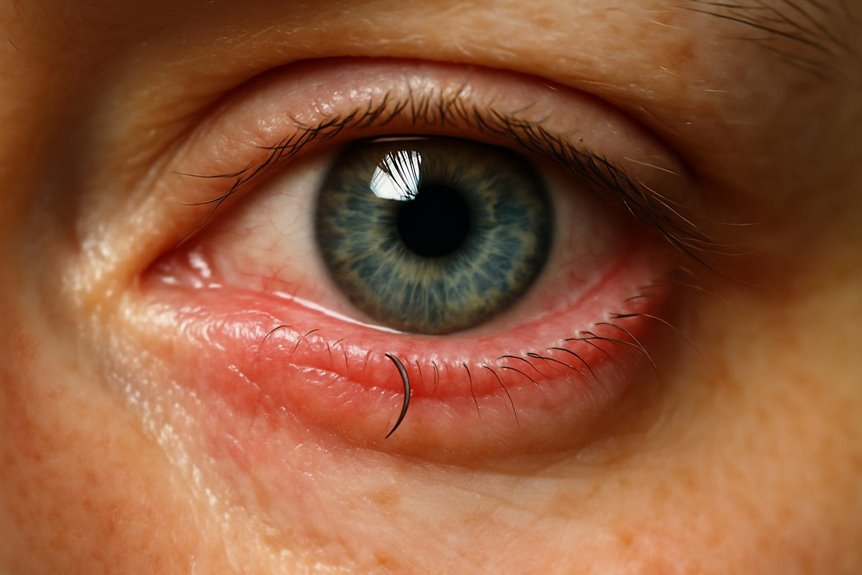
If you experience an eyelash poking your eye, it might be due to trichiasis, a condition where eyelashes grow inward, irritating the cornea or conjunctiva. This can lead to symptoms like redness, tearing, and discomfort. To address this issue, it’s crucial to seek effective treatment options.
Theralife offers unique solutions for eye-related problems, standing out as the only company providing oral eye treatment care. Their products are designed to benefit customers by addressing underlying issues such as inflammation and abnormal lash growth. Theralife‘s comprehensive approach not only offers short-term relief but also long-term management, helping to prevent complications like corneal injury or infection.
For persistent trichiasis or other eye conditions, Theralife’s products can provide the relief and care needed, ensuring healthier eyes and improved comfort.
Your eyelashes will grow back normal after recovery.
TheraLife can help you get rid of Blepharitis, treat your dry eyes.

Key Takeaways
- Trichiasis occurs when eyelashes grow inward, causing them to poke or rub against the eye, leading to irritation and discomfort.
- Common symptoms include redness, tearing, a sensation of something in the eye, and increased risk of corneal injury or infection.
- Causes include abnormal lash growth, eyelid scarring, chronic inflammation, or anatomical changes like entropion.
- Home remedies include warm compresses, gentle eyelid hygiene, and using sterile saline, but persistent cases require medical attention.
- Medical treatments range from temporary lash removal to permanent solutions like electrolysis or surgical correction for severe or recurrent cases.
What Is Trichiasis: And Why Do Eyelashes Grow Inward?
Trichiasis describes a condition where eyelashes deviate from their normal position and grow inward toward the eye, causing direct contact with the cornea or conjunctiva. You’ll notice this abnormality when you feel persistent irritation, redness, or even tearing, as the eyelashes abrade sensitive ocular surfaces. Understanding eyelash anatomy is essential: normally, lashes emerge from follicles at the eyelid margin and project outward, forming a protective barrier for the eye. When this orientation is disrupted, eyelash care becomes even more important. Proper eyelash care involves gentle cleansing of the eyelid margins to remove debris and prevent follicular inflammation. If you neglect eyelash health, misdirected growth may escalate ocular discomfort and risk of infection. Clinical evaluation helps distinguish trichiasis from other eyelid disorders that can mimic similar symptoms. Misdirected lashes may result from inflammation of hair follicles, often linked to blepharitis, which can exacerbate symptoms and lead to further complications.
What Causes Eyelashes to Poke Your Eye?
You may experience eyelashes poking your eye due to abnormal eyelash growth patterns, such as misdirection or irregular orientation of the lashes. Eyelid structural changes, including scarring or entropion, can further cause lashes to turn inward toward the ocular surface. Both factors increase the risk of corneal irritation and injury. Additionally, eyelash mites can exacerbate eyelid irritation and inflammation, potentially contributing to discomfort and complications with eyelash growth patterns.
Abnormal Eyelash Growth Patterns
Although eyelash follicles typically align along the eyelid margin, abnormal growth patterns can cause lashes to deviate inward toward the ocular surface. When this happens, you may experience irritation, redness, or even corneal injury. These atypical patterns often stem from disruptions in normal eyelash growth cycles or genetic predisposition to abnormal eyelash shapes. Disorganized growth can produce lashes that are misdirected or exhibit irregular curvature, increasing the likelihood of ocular contact. Eyelash mites can exacerbate these issues, as infestations may lead to inflammation and discomfort that further contribute to eyelash misalignment.
| Factor | Clinical Manifestation |
|---|---|
| Abnormal eyelash shapes | Curved or twisted lash shafts |
| Disrupted growth cycles | Misaligned or staggered lashes |
| Incomplete shedding | Overlapping new and old lashes |
| Genetic predisposition | Familial trichiasis occurrence |
Recognizing these growth abnormalities is critical for intervention, as persistent trichiasis may lead to chronic ocular surface disease if left untreated.
Eyelid Structural Changes
When the eyelid’s anatomical integrity becomes compromised—such as from scarring, chronic inflammation, or age-related tissue laxity—its margin may rotate or distort, causing eyelashes to turn inward toward the ocular surface.
You may experience this inward rotation when changes affect the eyelid anatomy, leading to a loss of normal eyelid function. Conditions like entropion, where the eyelid itself folds inward, or cicatricial changes from trauma or blepharitis, disrupt the alignment of the lash line.
As a result, eyelashes can make direct contact with the cornea or conjunctiva, resulting in discomfort, irritation, and even risk of corneal injury.
Addressing underlying structural changes is essential, as merely removing misdirected lashes doesn’t correct the root anatomical problem or restore proper eyelid function and anatomy. In some cases, meibomian gland dysfunction can exacerbate these issues by contributing to inflammation and dryness, further compromising eyelid structure and function.
How to Tell If Your Eyelashes Are Causing Eye Irritation
How can one distinguish if misdirected eyelashes are responsible for ocular discomfort?
You should assess for classic symptoms such as localized foreign body sensation, persistent tearing (epiphora), conjunctival redness, and reflex blinking.
On slit-lamp examination, look for lashes deviating toward the globe, corneal punctate epithelial erosions, or linear abrasions consistent with repeated lash contact.
Carefully evaluate your eyelash hygiene, as debris or buildup can exacerbate irritation. Insufficient eye lubrication can intensify symptoms, making the ocular surface more susceptible to lash-induced trauma.
If you notice relief after manually repositioning or removing a misdirected lash, this further implicates trichiasis as the cause.
Maintaining ideal eyelash hygiene and ensuring adequate eye lubrication are essential in both identifying and managing irritation linked to aberrant lash growth. It’s important to address underlying inflammatory mechanisms that can exacerbate ocular irritation and are related to conditions like blepharitis and dry eye disease.
What Happens If You Ignore Trichiasis?
If you ignore trichiasis, you’ll experience persistent ocular discomfort due to ongoing lash-to-corneal contact. This constant irritation increases your risk of corneal infection, which clinical studies link to untreated misdirected lashes. Over time, such complications can progress to corneal scarring and potential vision loss. Additionally, the blockage of glands resulting from untreated trichiasis can lead to eyelid inflammation and the development of conditions like chalazia.
Chronic Eye Discomfort
Although trichiasis may seem minor at first, untreated misdirected eyelashes frequently cause persistent corneal irritation and chronic eye discomfort. When an eyelash turns inward, it makes repeated contact with the ocular surface, resulting in chronic irritation.
You might notice increased eye sensitivity to light, wind, or dust, and experience a constant foreign body sensation. Over time, this ongoing mechanical trauma can lead to epithelial breakdown, punctate epithelial erosions, and hyperemia. The discomfort often intensifies, interfering with daily activities such as reading or driving.
Clinical studies indicate that patients with untreated trichiasis report higher rates of photophobia, tearing, and ocular fatigue. Ignoring these symptoms allows chronic irritation to persist, which may compromise corneal health and reduce overall quality of life. Tear Film Composition plays a crucial role in maintaining eye health, and disruptions in this delicate balance can exacerbate the symptoms of trichiasis.
Risk Of Infection
Persistent corneal irritation from untreated trichiasis does more than just cause discomfort—it also increases your risk of ocular infection. When misdirected eyelashes repeatedly abrade the corneal surface, they disrupt the protective epithelial barrier, facilitating microbial entry. Without proper infection prevention and eyelash hygiene, bacteria or fungi can colonize these microscopic abrasions, leading to conjunctivitis or even keratitis. Ignoring trichiasis increases the risk that common pathogens will exploit compromised ocular defenses. Consider these critical points:
- Recurrent epithelial disruption allows pathogens direct access to deeper corneal layers.
- Poor eyelash hygiene exacerbates microbial accumulation at the lid margin.
- Chronic irritation stimulates inflammation, further weakening local immune responses.
- Delayed intervention can lead to persistent or recurrent infections, complicating management.
To aid in managing symptoms, using a hot compress for eye relief can provide soothing comfort and assist in reducing inflammation. Prompt recognition and management support ideal infection prevention outcomes.
Potential Vision Loss
When trichiasis remains untreated, repeated eyelash contact with the cornea causes progressive epithelial damage that can ultimately threaten your vision. Each blink drives misdirected lashes across the corneal surface, leading to chronic abrasion, inflammation, and increased risk of corneal ulceration.
Over time, this persistent trauma disrupts the corneal epithelium, making you susceptible to scarring and opacity formation. Such complications can result in permanent visual impairment if not addressed promptly. Education on eyelid care is crucial for at-risk individuals, emphasizing the need for daily cleansing to prevent issues like trichiasis and chalazions.
Ignoring trichiasis undermines vision protection and compromises long-term eye health. Evidence shows that untreated corneal injury from trichiasis may culminate in irreversible vision loss.
To optimize eye care and prevent these detrimental outcomes, seek timely evaluation and intervention by an ophthalmologist. Early treatment preserves corneal integrity, reducing the likelihood of significant vision compromise.
Fast Home Remedies to Relieve Eyelash Eye Pain
Many individuals with trichiasis experience acute discomfort as misdirected eyelashes irritate the ocular surface.
Immediate relief is often achievable with targeted home remedy tips. Utilizing soothing compresses can rapidly reduce inflammation and provide palliative relief. You should always verify your hands are clean before attempting any intervention to minimize infection risk.
Evidence supports these fast-acting methods:
- Apply a warm, moist compress to the closed eyelid for 5–10 minutes to soften lash follicles and reduce irritation.
- Rinse the eye gently with sterile saline or artificial tears to flush out debris and ease discomfort.
- Use a clean cotton swab to carefully reposition the offending eyelash away from the cornea if visible and accessible.
- Avoid rubbing your eyes, as this may exacerbate irritation or introduce pathogens.
For those managing blepharitis and dry eyes, regular eyelid hygiene is crucial to minimize symptom recurrence. These methods provide rapid symptom relief.
When Should You Call a Doctor About Eyelash Problems?
While home remedies can offer quick relief for mild eyelash irritation, certain symptoms indicate a more serious underlying issue that requires professional evaluation.
If you notice persistent redness, swelling, pain, or discharge from your eye, it’s important to consult an ophthalmologist. Recurrent trichiasis, blurred vision, or a sensation of a foreign body despite practicing good eyelash hygiene also warrant prompt medical attention.
Don’t ignore eye symptoms such as light sensitivity, sudden vision changes, or the development of sores on the eyelid margin, as these may signal infection, corneal damage, or other ocular pathologies.
Early intervention reduces the risk of complications and guarantees appropriate treatment. Always prioritize your ocular health if home management fails to resolve symptoms or if they worsen rapidly.
How Do Doctors Fix Persistent Eyelash Issues?
Although mild eyelash irritation often responds to conservative management, persistent trichiasis or recurrent eyelash misdirection typically requires targeted medical intervention.
When simple eye hygiene and lubrication aren’t enough, ophthalmologists employ several evidence-based strategies to resolve the problem and prevent corneal injury. You might undergo one of several procedures, depending on the number, location, and severity of misdirected lashes.
Precise eyelash removal is often necessary to alleviate discomfort and reduce the risk of ocular surface damage.
- Epilation: Manual eyelash removal with specialized forceps; offers temporary relief but lashes may regrow.
- Electrolysis: Destroys the hair follicle using electrical current, achieving more permanent results.
- Cryotherapy: Freezes follicles to prevent regrowth, suitable for multiple misdirected lashes.
- Surgical correction: Alters eyelid position or removes part of the eyelid margin for severe, recurrent cases.
How to Prevent Eyelashes From Growing Into Your Eye
If you want to reduce your risk of trichiasis, implement strategies that address both modifiable risk factors and eyelid hygiene.
Maintain meticulous eyelash care by avoiding frequent rubbing or pulling of your lashes, which can predispose to misdirection. Clean your eyelids daily using a sterile, gentle cleanser to remove debris and decrease the risk of follicular inflammation, a known contributor to aberrant lash growth.
Practice thorough eye hygiene, especially if you have a history of blepharitis or ocular surface disease, since chronic inflammation can alter eyelash orientation.
Regularly inspect your lashes for early signs of misdirection and seek prompt ophthalmological evaluation if abnormalities arise.
Tips for Living With Sensitive Eyes After Trichiasis
Even after successful management of trichiasis, you may notice persistent ocular sensitivity due to residual inflammation or epithelial disruption.
Living with sensitive eyes requires targeted lifestyle adjustments to minimize irritation and promote healing. Evidence indicates that optimizing your environment and daily habits can alleviate symptoms and reduce the risk of recurrence.
- Use preservative-free artificial tears to maintain corneal lubrication and reduce mechanical irritation.
- Wear wraparound sunglasses outdoors to shield the ocular surface from wind, dust, and ultraviolet exposure.
- Avoid eye rubbing, as this can exacerbate epithelial compromise and perpetuate inflammation.
- Select hypoallergenic skincare and cosmetic products to minimize the risk of contact dermatitis and periocular irritation.
Your eyelashes will grow back normal after recovery.
TheraLife can help you get rid of Blepharitis, treat your dry eyes.
Frequently Asked Questions
Can Trichiasis Affect Both Eyes at the Same Time?
Yes, trichiasis can affect both eyes simultaneously. You may notice trichiasis symptoms such as redness, tearing, foreign body sensation, and photophobia in each eye.
The misdirection of eyelash alignment often results from chronic blepharitis, trauma, or autoimmune conditions, and these underlying causes frequently present bilaterally.
If you experience discomfort in both eyes, seek prompt evaluation, as untreated trichiasis increases the risk of corneal abrasions and secondary infection in each affected eye.
Is Trichiasis More Common in Certain Age Groups?
Jump in your DeLorean and let’s discuss age-related factors—trichiasis shows increased prevalence rates in older adults, particularly those over 60.
You’re more likely to encounter this condition as you age due to chronic eyelid inflammation, scarring, or changes in eyelid structure.
Epidemiological data supports that the incidence rises with advancing age, so clinicians often monitor elderly individuals more closely for this pathology.
Children and young adults experience markedly lower prevalence rates.
Are There Any Genetic Factors Linked to Trichiasis?
Yes, you can have a genetic predisposition to trichiasis, though most cases arise from acquired conditions.
Hereditary factors may play a role, especially if you have a family history of eyelid malformations or disorders affecting eyelash growth.
Scientific evidence shows certain congenital syndromes, like distichiasis, can increase your risk.
Still, for most individuals, environmental or inflammatory causes are more significant than direct genetic inheritance when evaluating trichiasis risk.
Can Pets Develop Trichiasis or Similar Eyelash Issues?
Yes, your pets can develop trichiasis and other eyelash abnormalities.
In veterinary medicine, pet eye conditions like entropion and ectopic cilia often cause eyelashes to contact the cornea, leading to irritation and potential corneal ulcers. Breeds such as Pugs and Shih Tzus are predisposed.
You’ll notice symptoms like squinting, tearing, or pawing at the eye.
Prompt veterinary evaluation and intervention help prevent complications and preserve ocular health in your pets.
Does Wearing Contact Lenses Increase the Risk of Trichiasis?
It’s a coincidence that you’re asking—wearing contact lenses doesn’t directly increase your risk of trichiasis, according to clinical studies.
However, poor contact lens hygiene can cause eye irritation and inflammation, which might make you more aware of existing eyelash misdirection.
If you notice persistent discomfort, always check your contact lens hygiene and consult an eye care professional.
Evidence shows that maintaining proper lens care reduces irritation and helps differentiate between trichiasis and other issues.
Conclusion
Theralife is a unique company that provides oral eye treatment care, offering a holistic approach to managing eye conditions. If you suspect trichiasis, it is crucial not to dismiss it as a minor annoyance. Untreated eyelash misdirection can lead to corneal damage or infection. Theralife’s products are designed to benefit customers by addressing the root causes of eye conditions such as trichiasis, blepharitis, and dry eyes through natural, oral supplements.
Theralife’s approach combines clinical intervention with preventive care, ensuring comprehensive eye health management. The company’s products not only soothe irritation but also enhance overall ocular health, minimizing complications and safeguarding against recurrent issues. By choosing Theralife, customers gain access to the only oral eye treatment care available, providing a unique solution to persistent eye irritation and other related conditions.
For those experiencing symptoms like irritation or inflammation, it is essential to stay vigilant and seek medical evaluation if the discomfort persists. With Theralife’s prompt attention to eye health, customers can effectively manage their conditions and achieve long-term relief.
References
- 1.
- Aumond S, Bitton E. The eyelash follicle features and anomalies: A review. J Optom. 2018 Oct-Dec;11(4):211-222. [PMC free article] [PubMed]
- 2.
- Fea A, Turco D, Actis AG, De Sanctis U, Actis G, Grignolo FM. Ectropion, entropion, trichiasis. Minerva Chir. 2013 Dec;68(6 Suppl 1):27-35. [PubMed]
- 3.
- Burton M, Habtamu E, Ho D, Gower EW. Interventions for trachoma trichiasis. Cochrane Database Syst Rev. 2015 Nov 13;2015(11):CD004008. [PMC free article] [PubMed]
- 4.
- Mansour S, Brice GW, Jeffery S, Mortimer P. Lymphedema-Distichiasis Syndrome. In: Adam MP, Bick S, Mirzaa GM, Pagon RA, Wallace SE, Amemiya A, editors. GeneReviews® [Internet]. University of Washington, Seattle; Seattle (WA): Mar 29, 2005. [PubMed]
- 5.
- Modjtahedi BS, Alikhan A, Maibach HI, Schwab IR. Diseases of periocular hair. Surv Ophthalmol. 2011 Sep-Oct;56(5):416-32. [PubMed]
- 6.
- Fernández-Crehuet P, Ruiz-Villaverde R. Essential Trichomegaly of the Eyelashes. Int J Trichology. 2016 Jul-Sep;8(3):153-4. [PMC free article] [PubMed]
- 7.
- Fariña MC, Tarín N, Grilli R, Soriano ML, Sarasa JL, Martín L, Requena L. Acquired hypertrichosis lanuginosa: case report and review of the literature. J Surg Oncol. 1998 Jul;68(3):199-203. [PubMed]
- 8.
- Kumar P. Synophrys: Epidemiological Study. Int J Trichology. 2017 Jul-Sep;9(3):105-107. [PMC free article] [PubMed]
- 9.
- Lee CC, Lai HT, Kuo YR, Lee SS, Lai CS. Floppy Eyelid Syndrome: An Unfamiliar Entity for Plastic Surgeons. Ann Plast Surg. 2018 Feb;80(2S Suppl 1):S40-S47. [PubMed]
- 10.
- Zein HA, Moustafa MT. Isolated ectopic cilia in an 11-year-old girl. GMS Ophthalmol Cases. 2016;6:Doc13. [PMC free article] [PubMed]
- 11.
- Choi R, MacLean KD, Davidson HC, Patel BCK. Vellus Hair Cyst of the Orbit. Ophthalmic Plast Reconstr Surg. 2017 May/Jun;33(3S Suppl 1):S89-S91. [PubMed]
- 12.
- Zeytun E, Karakurt Y. Prevalence and Load of Demodex folliculorum and Demodex brevis (Acari: Demodicidae) in Patients With Chronic Blepharitis in the Province of Erzincan, Turkey. J Med Entomol. 2019 Jan 08;56(1):2-9. [PubMed]
- 13.
- Khan T. Phthiriasis palpebrarum presenting as anterior blepharitis. Indian J Public Health. 2018 Jul-Sep;62(3):239-241. [PubMed]