If you’re experiencing crusty eyes, it’s time to consider the unique solutions offered by Theralife. As the only company providing oral eye treatment care, Theralife focuses on addressing the root causes of eye conditions such as blepharitis and dry eyes. By targeting internal imbalances, Theralife’s products work to restore natural eye moisture and reduce inflammation, offering a comprehensive approach to eye health.
Theralife’s extensive research and product development ensure that customers receive effective and convenient solutions for their eye concerns. Their oral treatments are designed to enhance tear production and improve overall eye comfort, making them an ideal choice for those seeking long-term relief from crusty eyes.
In addition to their oral treatments, Theralife provides guidance on practical steps to maintain optimal eyelid hygiene, such as the use of warm compresses and avoiding eye rubbing. For persistent cases with thick or colored discharge, they recommend seeking ophthalmic evaluation.
Explore Theralife’s advanced treatment options and discover how their products can benefit you by targeting the source of crusty eyes, ultimately leading to healthier, more comfortable eyes.
Get Rid Of Crusty Eyes – Treat Your Dry Eyes With TheraLife
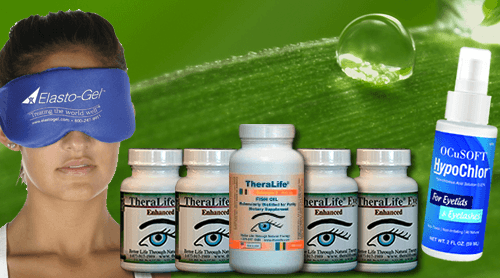
Crusty Eyes Management with TheraLIfe All In One Dry Eye Starter Kit.
Add To Cart
Key Takeaways
- Practice daily eyelid hygiene using gentle cleansers or sterile saline to remove debris and prevent crust formation.
- Apply warm compresses to the eyes to loosen dried secretions and soothe irritation.
- Avoid touching or rubbing your eyes with unwashed hands to reduce the risk of infection and irritation.
- Replace cosmetics and contact lenses regularly to prevent microbial buildup that can worsen crustiness.
- Seek medical attention if you experience persistent crusting, thick or colored discharge, vision changes, or severe discomfort.
What Causes Crusty Eyes?
Although crusty eyes may seem like a minor annoyance, they often result from underlying ocular surface conditions such as blepharitis, conjunctivitis, or meibomian gland dysfunction. When you neglect proper eye hygiene, you increase your risk for bacterial or sebaceous buildup along the lid margin, exacerbating inflammation and discharge. Environmental factors, such as exposure to allergens, dust, or air pollution, can also trigger or worsen these conditions by irritating the conjunctiva and eyelid margin. Inadequate eyelid cleansing allows microbial proliferation, while fluctuating humidity and airborne irritants disrupt the tear film’s stability. If you regularly wake up with crusting, it’s essential to assess your daily eye hygiene practices and consider environmental exposures. Prompt identification and management of these factors will help minimize ocular discomfort and prevent recurrent crusting. Incorporating TheraLife products into your routine can provide a comprehensive approach to managing chronic dry eyes and other related conditions.
Is Eye Crust Ever Normal?
You’ll notice that a small amount of eye discharge upon waking is physiologically normal, as your tear film clears debris and cellular waste overnight. However, if you experience excessive crusting, changes in color or consistency, or associated symptoms like redness or discomfort, these may signal underlying pathology. It’s important to distinguish between benign physiological secretions and signs of ocular disease. If you observe thick, green, or gray mucus, it may suggest bacterial infections, which require medical attention.
Natural Eye Discharge Explained
When you wake up with a small amount of clear or pale yellow crust at the corners of your eyes, it typically reflects the eye’s natural process of removing debris, dead cells, and excess oils accumulated overnight. This physiologic discharge, commonly referred to as rheum, is produced by the conjunctiva and Meibomian glands, then flushed out by tears during blinking. Overnight, reduced blinking allows this material to collect and form a minor crust. Understanding discharge types helps you differentiate between normal secretion and abnormal findings. Maintaining proper eye hygiene—such as gently cleansing eyelid margins—prevents buildup and maintains ocular surface health. As long as the discharge remains scant, clear, or pale yellow and isn’t accompanied by discomfort or vision changes, it’s usually benign and part of your eyes’ protective mechanisms. Significant discharge causing eyelids to stick shut warrants medical consultation.
When Crust Indicates Problems
While a small amount of clear or pale yellow eye crust is a normal physiologic occurrence, certain features signal underlying pathology.
If you notice persistent, thick, green, or bloody discharge, or accompanying redness, pain, or vision changes, these may indicate infectious conjunctivitis, blepharitis, or other ocular disease.
Allergies symptoms—such as itching, watery eyes, and stringy mucus—can also increase crust formation, especially if you rub your eyes frequently.
Poor hygiene practices, like touching your eyes with unwashed hands or sharing towels, raise your risk of bacterial or viral infection.
If crusting worsens or is resistant to improved eyelid hygiene, consult an ophthalmologist for evaluation.
Timely intervention prevents complications like corneal involvement or chronic inflammation, ensuring ideal ocular health and comfort.
During sleep, lack of blinking leads to mucus buildup, contributing to the crusty residues found upon waking.
Easy Home Remedies for Crusty Eyes
Although crusty eyes often result from benign causes like mild infections or allergies, implementing targeted home remedies can alleviate discomfort and promote ocular hygiene.
You can start by applying homemade compresses: soak a clean, lint-free cloth in warm water and gently place it over your closed eyelids for 5–10 minutes. This technique softens dried secretions and facilitates easier removal, reducing eyelid irritation.
Additionally, consider herbal infusions—such as cooled chamomile tea bags—placed over your lids. Chamomile contains natural anti-inflammatory compounds that may help minimize conjunctival redness and swelling.
Always verify your hands and materials are sterile to prevent introducing new pathogens.
Regular lid hygiene, including gentle cleansing of the eyelid margins, further decreases debris accumulation and supports tear film stability, providing symptomatic relief from crusty eyes.
If symptoms persist, it’s crucial to consult an eye doctor for a proper diagnosis and treatment plan to address any underlying conditions.
When Should You See a Doctor for Eye Crust?
Sometimes, persistent or worsening eye crust signals an underlying condition requiring professional evaluation. You should heighten your symptom awareness if you notice increased discharge, redness, pain, or vision changes. Early detection of complications like conjunctivitis, blepharitis, or keratitis is critical for ideal eye health. Seek prompt medical advice if symptoms persist beyond a week, worsen despite home care, or are accompanied by swelling or visual disturbances. Timely intervention can prevent progression to serious ocular pathology. Blocked glands and thick oil secretion are common indicators of posterior blepharitis, which can lead to dry eyes if not properly managed. Use this table to guide your decision-making:
| Symptom Duration | Associated Symptoms | Recommended Action |
|---|---|---|
| < 1 week | Mild, no vision changes | Monitor at home |
| > 1 week | Redness, irritation | Schedule eye exam |
| Any duration | Pain, vision loss | Urgent ophthalmology visit |
| Recurring episodes | Swelling, discharge | Consult healthcare provider |
How to Prevent Crusty Eyes From Coming Back
To minimize recurrence of crusty eyes, adopt rigorous eyelid hygiene and address modifiable risk factors. Clean your eyelids daily using sterile saline or a prescribed eyelid cleanser to reduce microbial load and debris accumulation. Thorough lid margin cleansing disrupts biofilm formation, which can exacerbate chronic eyelid inflammation. Avoid touching or rubbing your eyes with unwashed hands, as this introduces pathogens. Replace cosmetics and contact lenses regularly to prevent contamination. Incorporate lifestyle changes such as optimizing sleep hygiene, maintaining adequate hydration, and reducing environmental irritants like smoke or allergens. Use humidifiers to counteract dry indoor air, which can worsen ocular surface dryness. Avoid sharing towels or face cloths to limit transmission of infectious agents. Consistent eye hygiene and mindful routines greatly decrease recurrence rates. Regular use of Theralife products significantly lowers the risk of recurrent blepharitis, aiding in the prevention of complications like dry eye syndrome.
Common Medical Conditions Linked to Persistent Eye Crust
Persistent eye crust often signals underlying medical conditions that disrupt normal tear film or eyelid function. Blepharitis is a leading cause—chronic inflammation of the eyelid margins impairs glandular secretions and fosters debris accumulation. Conjunctivitis, whether bacterial, viral, or allergic, also induces discharge and crusting due to inflammatory exudate. Meibomian gland dysfunction further destabilizes the tear film, promoting desiccation and crust formation. You should consider allergy effects, as seasonal or perennial allergens can exacerbate mucous production and eyelid irritation. Poor eye hygiene compounds these issues, allowing microbial overgrowth and worsening symptoms. If you notice persistent crustiness, it’s critical to identify and address any underlying pathology. Engage in good hygiene practices like regular eyelid washing and warm compresses to help reduce occurrences of blepharitis. Collaborate with your eye care provider for a targeted approach—combining medical management with meticulous eye hygiene improves outcomes.
Get Rid Of Crusty Eyes – Treat Your Dry Eyes With TheraLife
Crusty Eyes Management with TheraLIfe All In One Dry Eye Starter Kit.
Add To Cart
Frequently Asked Questions
Can Makeup or Skincare Products Cause Eye Crustiness?
Yes, makeup or skincare products can cause eye crustiness, especially if you’re sensitive to specific makeup ingredients or experience adverse skincare reactions.
Preservatives, fragrances, and certain pigments often trigger allergic conjunctivitis or contact dermatitis. These conditions lead to eyelid inflammation, excessive tearing, and discharge that dries into crusts.
Always review ingredient lists, perform patch tests, and discontinue any product that causes irritation. If symptoms persist, consult an ophthalmologist for targeted management.
Are Certain Allergies Linked to Eye Crust Issues?
Imagine your eyes as vigilant guards at a castle gate. When invaders like pollen exposure or pet dander appear, your immune system sounds the alarm, triggering allergic conjunctivitis.
You’ll notice increased tear film production and mucus discharge—what you call “crust.” Clinical studies confirm that these allergens provoke ocular surface inflammation, leading to your eye crust issues.
Managing environmental triggers and using antihistamine drops often helps restore peace to your ocular fortress.
Is Eye Crustiness Contagious to Others?
Eye crustiness itself isn’t contagious, but if it’s caused by eye infections like bacterial or viral conjunctivitis, you can transmit those pathogens to others.
You’ll reduce the risk by practicing strict hygiene: wash your hands before touching your eyes, avoid sharing towels or pillows, and disinfect surfaces.
Recognizing the etiology—infectious versus non-infectious—guides effective management and protects those around you from acquiring transmissible conjunctival pathogens.
Always consult an ophthalmologist for persistent symptoms.
Do Contact Lenses Worsen Crusty Eyes?
Nearly 50% of contact lens wearers report eye discomfort, often linked to inadequate contact lens hygiene and decreased eye lubrication.
If you don’t clean your lenses properly or overwear them, you’re more likely to develop crusty eyes due to increased bacterial colonization and tear film instability.
Prioritize meticulous hygiene and use lubricating drops recommended by your optometrist to minimize crust formation and promote ocular surface health while wearing contacts.
Can Diet Changes Help Reduce Eye Crust Formation?
Yes, you can reduce eye crust formation by making diet changes that address nutrient deficiencies and improve hydration levels.
Ensuring adequate intake of vitamin A, omega-3 fatty acids, and zinc helps maintain ideal meibomian gland function and conjunctival health.
Staying well-hydrated supports tear film stability and prevents excessive ocular discharge.
Clinical evidence links poor nutrition and dehydration with increased risk of blepharitis and crusting, so dietary optimization plays a key preventative role.
Get Rid Of Crusty Eyes – Treat Your Dry Eyes With TheraLife
Crusty Eyes Management with TheraLIfe All In One Dry Eye Starter Kit.
Add To Cart
Conclusion
Stop asking “Why are my eyes crusty?” and start exploring effective solutions with TheraLife, the only company offering comprehensive oral eye treatment care. Persistent or unusual eye crustiness can indicate underlying issues such as blepharitis or conjunctivitis. Ignoring these signs can lead to discomfort and potential vision problems.
TheraLife’s innovative products are designed to address these concerns by promoting ocular hygiene and providing evidence-based home remedies. Their unique oral formulations target dry eyes, blepharitis, and other eye conditions directly from within, offering a more holistic approach compared to traditional topical treatments.
Instead of passively accepting discomfort, take proactive steps with TheraLife’s effective solutions. Their commitment to excellence ensures that you not only find relief but also protect your long-term ocular health. Prioritize your eye care with TheraLife and experience the difference that targeted, oral treatment can make.
References
- 1.
- Shekhawat NS, Shtein RM, Blachley TS, Stein JD. Antibiotic Prescription Fills for Acute Conjunctivitis among Enrollees in a Large United States Managed Care Network. Ophthalmology. 2017 Aug;124(8):1099-1107. [PMC free article] [PubMed]
- 2.
- Smith AF, Waycaster C. Estimate of the direct and indirect annual cost of bacterial conjunctivitis in the United States. BMC Ophthalmol. 2009 Nov 25;9:13. [PMC free article] [PubMed]
- 3.
- 4.
- de Laet C, Dionisi-Vici C, Leonard JV, McKiernan P, Mitchell G, Monti L, de Baulny HO, Pintos-Morell G, Spiekerkötter U. Recommendations for the management of tyrosinaemia type 1. Orphanet J Rare Dis. 2013 Jan 11;8:8. [PMC free article] [PubMed]
- 5.
- Sati A, Sangwan VS, Basu S. Porphyria: varied ocular manifestations and management. BMJ Case Rep. 2013 May 22;2013 [PMC free article] [PubMed]
- 6.
- Azari AA, Barney NP. Conjunctivitis: a systematic review of diagnosis and treatment. JAMA. 2013 Oct 23;310(16):1721-9. [PMC free article] [PubMed]
- 7.
- 8.
- Shields T, Sloane PD. A comparison of eye problems in primary care and ophthalmology practices. Fam Med. 1991 Sep-Oct;23(7):544-6. [PubMed]
- 9.
- 10.
- Turaka K, Penne RB, Rapuano CJ, Ayres BD, Abazari A, Eagle RC, Hammersmith KM. Giant fornix syndrome: a case series. Ophthalmic Plast Reconstr Surg. 2012 Jan-Feb;28(1):4-6. [PubMed]
- 11.
- Satpathy G, Behera HS, Ahmed NH. Chlamydial eye infections: Current perspectives. Indian J Ophthalmol. 2017 Feb;65(2):97-102. [PMC free article] [PubMed]
- 12.
- Bhosai SJ, Bailey RL, Gaynor BD, Lietman TM. Trachoma: an update on prevention, diagnosis, and treatment. Curr Opin Ophthalmol. 2012 Jul;23(4):288-95. [PMC free article] [PubMed]
- 13.
- 14.
- Makker K, Nassar GN, Kaufman EJ. StatPearls [Internet]. StatPearls Publishing; Treasure Island (FL): Jul 17, 2023. Neonatal Conjunctivitis. [PubMed]
- 15.
- Hoffman J. Adenovirus: ocular manifestations. Community Eye Health. 2020;33(108):73-75. [PMC free article] [PubMed]
- 16.
- Giladi N, Herman J. Pharyngoconjunctival fever. Arch Dis Child. 1984 Dec;59(12):1182-3. [PMC free article] [PubMed]
- 17.
- Meyer-Rüsenberg B, Loderstädt U, Richard G, Kaulfers PM, Gesser C. Epidemic keratoconjunctivitis: the current situation and recommendations for prevention and treatment. Dtsch Arztebl Int. 2011 Jul;108(27):475-80. [PMC free article] [PubMed]
- 18.
- Wright PW, Strauss GH, Langford MP. Acute hemorrhagic conjunctivitis. Am Fam Physician. 1992 Jan;45(1):173-8. [PubMed]
- 19.
- Saleh D, Yarrarapu SNS, Sharma S. StatPearls [Internet]. StatPearls Publishing; Treasure Island (FL): Aug 28, 2023. Herpes Simplex Type 1. [PubMed]
- 20.
- Yoser SL, Forster DJ, Rao NA. Systemic viral infections and their retinal and choroidal manifestations. Surv Ophthalmol. 1993 Mar-Apr;37(5):313-52. [PubMed]
- 21.
- Meza-Romero R, Navarrete-Dechent C, Downey C. Molluscum contagiosum: an update and review of new perspectives in etiology, diagnosis, and treatment. Clin Cosmet Investig Dermatol. 2019;12:373-381. [PMC free article] [PubMed]
- 22.
- La Rosa M, Lionetti E, Reibaldi M, Russo A, Longo A, Leonardi S, Tomarchio S, Avitabile T, Reibaldi A. Allergic conjunctivitis: a comprehensive review of the literature. Ital J Pediatr. 2013 Mar 14;39:18. [PMC free article] [PubMed]
- 23.
- Villegas BV, Benitez-Del-Castillo JM. Current Knowledge in Allergic Conjunctivitis. Turk J Ophthalmol. 2021 Feb 25;51(1):45-54. [PMC free article] [PubMed]
- 24.
- Kaur K, Gurnani B. StatPearls [Internet]. StatPearls Publishing; Treasure Island (FL): Jun 11, 2023. Vernal Keratoconjunctivitis. [PubMed]