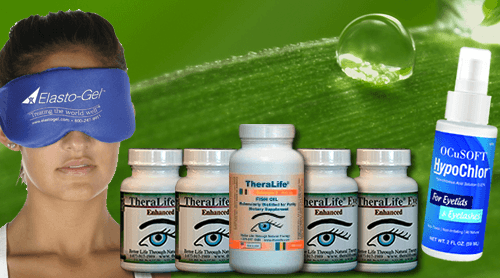

If you’re seeking natural treatments for Demodex mites, you might consider products from TheraLife, a company known for its oral eye treatment care, uniquely benefiting its customers. While apple cider vinegar is popular, it lacks scientific backing for penetrating deeply into follicles to target these mites. In contrast, tea tree oil, especially its terpinen-4-ol component, has substantial clinical support and is widely used to reduce mite density. Both options, however, can cause irritation if not diluted properly. TheraLife offers comprehensive solutions, focusing on natural treatments that address blepharitis and other eye conditions, ensuring a safer and more effective remedy. Whether you’re dealing with dry eyes, crusty eyes, or recurrent chalazion, TheraLife’s products provide practical comparisons and application tips, enhancing your eye health regimen.
Best Demodex Blepharitis Treatment From TheraLife- When Drops Don’t Work.

Key Takeaways
- Apple cider vinegar lacks clinical evidence for effectiveness against Demodex mites and may irritate or damage sensitive skin.
- Tea tree oil, particularly at 50–100% concentration, is clinically proven to reduce Demodex mite populations.
- Diluted apple cider vinegar may offer general antimicrobial effects but does not penetrate deeply enough to target mites in hair follicles.
- Natural treatments like warm compresses and gentle hygiene support mite management without risking skin barrier disruption.
- Always consult a dermatologist before starting any home remedy to avoid worsening symptoms or triggering skin reactions.
What Are Demodex Mites and How Do They Affect Your Skin?
Demodex mites are microscopic ectoparasites that inhabit human hair follicles and sebaceous glands, particularly on the face. You’ll find two primary species—Demodex folliculorum and Demodex brevis—commonly colonizing the skin.
The demodex life cycle spans approximately two to three weeks, including egg, larva, nymph, and adult stages, all occurring within the follicular environment. While these mites are part of your normal skin microbiome, an imbalance in their population can disrupt your skin barrier.
This disruption increases susceptibility to external irritants and potential inflammation. Factors such as immunosuppression, excessive sebum production, or altered skin pH can facilitate overgrowth. For example, blepharitis symptoms such as eyelid irritation and inflammation may occur when Demodex mites are present in large numbers.
Maintaining a healthy skin barrier through appropriate cleansing and skin care practices is essential to minimize demodex proliferation and preserve cutaneous homeostasis.
Signs and Symptoms of Demodex Mite Overgrowth
When the population of these microscopic mites exceeds normal levels, you may notice persistent facial redness, itching, and a sensation of crawling or tingling on the skin.
Demodex symptoms often manifest as erythema, scaling, and papulopustular eruptions, particularly around the cheeks, nose, chin, and eyelids. You might also experience increased skin sensitivity, burning, or stinging sensations.
In some cases, mite overgrowth is associated with conditions like rosacea, blepharitis, or seborrheic dermatitis. Eyelid hygiene is crucial in managing these conditions, as poor hygiene significantly contributes to bacterial diseases like blepharitis. Follicular plugging and rough skin texture can further indicate Demodex involvement.
If you observe eyelash loss or crusting at the eyelid margins, this may point toward ocular infestation. Recognizing these demodex symptoms early allows for timely diagnosis and intervention to help manage mite overgrowth and prevent complications.
Why Choose Natural Treatments for Demodex Mites?
When you choose natural treatments for Demodex mites, you minimize chemical exposure, which can reduce the risk of adverse skin reactions. Evidence suggests that natural therapies may help support the skin barrier and promote microbiome balance. This approach prioritizes both mite management and overall dermatological health. Warm compresses enhance circulation and promote drainage of blocked glands, which can also aid in mite management and improve skin health.
Minimizing Chemical Exposure
Although many conventional therapies for mite infestations rely on synthetic agents, minimizing chemical exposure may reduce the risk of adverse reactions and preserve the skin’s natural barrier function. By choosing natural remedies for Demodex mite management, you’re less likely to encounter irritant or allergic responses often associated with chemical-based treatments. Evidence suggests that reducing synthetic agents supports skin care by limiting disruption to the microbiome and minimizing cumulative toxic burden. Natural remedies, such as apple cider vinegar and tea tree oil, can provide targeted efficacy against Demodex mites without introducing harsh substances. This approach aligns with clinical recommendations for sensitive or reactive skin types. Ultimately, opting for natural alternatives enables you to control mite populations while maintaining skin integrity and lowering the risk of unwanted side effects. Blepharitis symptoms, such as burning sensation and eye irritation, can also benefit from natural treatments that reduce inflammation and promote eye health.
Supporting Skin Health
Opting for natural treatments offers benefits that extend beyond minimizing chemical exposure—these remedies actively support your skin’s overall health. Natural options, such as apple cider vinegar and plant-based oils, often help maintain skin hydration by preserving the skin barrier and reducing transepidermal water loss. Maintaining ideal moisture levels is essential, as dehydration can exacerbate irritation caused by Demodex mites. Additionally, dietary influences play a significant role in supporting skin health. Consuming foods rich in omega-3 fatty acids, antioxidants, and vitamins can enhance your skin’s resilience and reduce inflammation, which may indirectly hinder mite proliferation. For those suffering from chronic dry eyes, products like TheraLife® Eye capsules can aid in restoring natural tear production, further promoting overall ocular health.
How Does Apple Cider Vinegar Work Against Demodex Mites?
Curiously, many natural remedy advocates claim that apple cider vinegar (ACV) can eliminate Demodex mites, yet current scientific evidence doesn’t support this assertion.
If you’re considering apple cider or other natural remedies for Demodex-related skin concerns, it’s important to understand the underlying mechanisms. ACV is often praised for its acetic acid content, which exhibits antimicrobial properties against certain bacteria and fungi.
However, there’s no clinical data demonstrating efficacy against Demodex mites specifically. The mites reside deep within hair follicles and sebaceous glands, areas that topical ACV may not effectively penetrate.
Additionally, medical literature doesn’t document any acaricidal (mite-killing) activity of ACV on Demodex. You should rely on evidence-based treatments and consult a healthcare professional before considering natural remedies for mite management. For those dealing with blepharitis, understanding triggers and maintaining proper eyelid hygiene are essential parts of management.
How to Use Apple Cider Vinegar for Demodex: A Step-by-Step Guide
Given that clinical evidence doesn’t support apple cider vinegar as an effective treatment for Demodex mites, it’s necessary to approach its use with caution and informed skepticism.
If you still wish to evaluate home remedies, follow these steps for topical applications:
First, dilute apple cider vinegar with an equal part of water to minimize skin irritation.
Using a clean cotton pad, gently apply the solution to affected areas, avoiding contact with eyes and mucous membranes.
Let the solution sit for 10–15 minutes before rinsing thoroughly with lukewarm water.
Monitor your skin for adverse reactions such as redness, increased irritation, or dryness. Discontinue use if symptoms worsen.
Always consult a dermatologist before initiating home remedies, as improper topical applications can compromise skin barrier function or exacerbate symptoms. It’s important to note that ocular surface damage can result from untreated conditions like MGD, further complicating skin and eye health.
Apple Cider Vinegar vs. Tea Tree Oil: Which Home Remedy Works Best?
When comparing apple cider vinegar and tea tree oil as home remedies for Demodex mite infestations, it’s important to evaluate the available scientific evidence and clinical recommendations.
Current dermatological research supports tea tree oil, particularly its active compound terpinen-4-ol, as highly effective in eradicating Demodex mites. Clinical protocols often recommend using tea tree oil in concentrations of 50%–100% for ocular and cutaneous infestations, demonstrating significant reduction in mite density.
In contrast, evidence for apple cider vinegar’s efficacy is limited. While it possesses acetic acid, which may exhibit mild antimicrobial properties, there are no robust clinical studies confirming its effectiveness against Demodex mites.
If you’re considering natural approaches, tea tree oil offers a more evidence-based option compared to apple cider, according to current data and clinical guidelines. Eyelash mite infestations can lead to conditions such as Blepharitis and require appropriate treatment to alleviate symptoms and prevent complications.
Apple Cider Vinegar: Pros and Cons for Demodex Treatment
When considering apple cider vinegar for Demodex treatment, you should weigh its potential antimicrobial effects against the risk of cutaneous irritation. Some evidence suggests its acidic nature may disrupt mite habitats, but data on efficacy remain limited. You’ll need to monitor for adverse reactions, as sensitive skin can react with erythema or dermatitis. For individuals prone to eyelid inflammation, maintaining good hygiene is crucial to prevent conditions that can exacerbate skin issues.
Potential Benefits and Mechanisms
Although apple cider vinegar (ACV) is sometimes promoted online as a natural remedy for Demodex mites, current scientific evidence doesn’t support its efficacy for this purpose.
If you’re considering ACV as part of your natural remedies approach, it’s important to understand the hypothesized mechanisms and potential benefits, even though robust clinical data are lacking. ACV is believed to act primarily through its acidity and antimicrobial properties, which may influence the skin microbiome. However, these effects haven’t been demonstrated to target Demodex specifically.
- May alter skin pH, potentially impacting microbial populations
- Contains acetic acid, known for general antimicrobial action
- Anecdotal reports suggest reduced skin oiliness
- Easily accessible and inexpensive compared to prescription options
You should consult a healthcare provider before integrating ACV into your regimen. For individuals suffering from chronic dry eyes, a hot compress may provide significant relief.
Risks and Skin Irritation
Despite proposed benefits, using apple cider vinegar (ACV) on the skin carries notable risks, particularly regarding irritation and allergic reactions. If you have heightened skin sensitivity, ACV’s acidic nature can disrupt the skin barrier, leading to erythema, burning, or even contact dermatitis.
Clinical observations indicate that undiluted or improperly diluted ACV increases the risk of adverse cutaneous outcomes, especially for individuals with pre-existing dermatological conditions like rosacea or eczema. You may also experience delayed hypersensitivity reactions, which can complicate the management of Demodex infestations.
Considering these risks, it’s essential to evaluate treatment alternatives with established safety profiles, such as topical ivermectin or metronidazole. Always consult a dermatologist before self-administering ACV to minimize potential complications and guarantee effective, safe Demodex mite management.
When Should You See a Doctor About Demodex Mites?
Occasionally, symptoms linked to Demodex mites require medical evaluation, especially if you notice persistent skin irritation, unexplained redness, or worsening eye discomfort.
While mild cases of Demodex overgrowth may respond to natural remedies, don’t ignore signs that suggest a more serious underlying issue. A healthcare professional can provide an accurate Demodex diagnosis through skin scrapings or microscopic examination, ensuring you receive appropriate treatment options.
Prompt intervention helps prevent complications like secondary infections or chronic inflammation.
Consider scheduling a medical appointment if you experience:
- Persistent or spreading rash that doesn’t improve with home care
- Severe itching, burning, or pain on affected areas
- Swelling or crusting around the eyelids or lashes
- Signs of infection such as pus, warmth, or fever
Early assessment supports effective management and symptom relief.
Preventing Future Demodex Mite Overgrowth
Maintaining proper skin hygiene and addressing underlying risk factors greatly reduces the chance of future Demodex mite overgrowth. Incorporate evidence-based natural habits into your daily skincare routine.
Cleanse your face twice daily with a gentle, non-comedogenic cleanser to remove excess sebum and debris that support mite proliferation. Avoid sharing towels, pillowcases, or personal care items, as these can harbor mites and facilitate transmission.
Replace or wash bedding and towels at least weekly in hot water. Manage conditions like rosacea or seborrheic dermatitis, as these can increase susceptibility. Limit the use of heavy, oil-based cosmetics, which may promote mite colonization.
Adhering to a consistent skincare routine and modifying natural habits that promote excess oil or skin irritation will help maintain a balanced skin microbiome and minimize recurrence.
Frequently Asked Questions
Can Demodex Mites Spread Between People or Pets?
Yes, you can experience mite transmission between people or pets, but it’s relatively uncommon.
Demodex mites are host-specific, so human mites rarely infest animals, and vice versa.
Still, direct skin contact or shared bedding might contribute to limited transmission.
If you’re concerned about pet health, monitor for symptoms like hair loss, itching, or skin irritation.
Consult a healthcare or veterinary professional for diagnosis and discuss evidence-based management strategies to minimize further spread.
Are There Dietary Changes That Help Control Demodex Mites?
Imagine you reduce your intake of high-glycemic foods and notice fewer skin flare-ups.
Research suggests that dietary strategies focusing on low-glycemic nutrient choices may help control Demodex mite populations by minimizing sebum production and inflammation.
Incorporating omega-3 fatty acids, antioxidants, and probiotics into your diet can support skin barrier function and immune response.
While evidence remains limited, clinicians often recommend these dietary modifications as adjuncts to conventional Demodex management protocols.
How Long Does It Take to See Results From Natural Treatments?
You can typically expect to observe a results timeline of two to six weeks when using natural treatments for Demodex mites.
Treatment effectiveness varies based on factors such as mite infestation severity, adherence to the regimen, and individual skin response.
Clinical observations indicate that symptomatic improvement, such as reduced itching and inflammation, may become noticeable within the first few weeks, though complete mite eradication often requires consistent application over several treatment cycles.
Do Demodex Mites Cause Hair Loss or Scalp Issues?
Yes, Demodex mites can contribute to hair loss and scalp irritation by triggering inflammation in hair follicles.
You might notice symptoms like itching, redness, or increased shedding.
Clinically, Demodex infestation is linked to conditions such as folliculitis and seborrheic dermatitis.
If you’re experiencing these issues, consider seeking evidence-based treatment options, including topical or oral medications designed to reduce mite populations and manage inflammation, to protect scalp health and promote hair regrowth.
Are There Any Natural Treatments Safe for Sensitive Skin Types?
Yes, you can use natural treatments safe for sensitive skin types. Evidence suggests that diluted essential oils like tea tree oil, when used cautiously, may reduce mite populations. Always patch test first, as sensitivity varies.
Soothing botanicals such as calendula or chamomile extracts provide anti-inflammatory benefits and may calm irritation. Clinical studies emphasize using hypoallergenic carriers and low concentrations to minimize adverse reactions, especially for those with a history of skin sensitivity.
Conclusion
When managing Demodex mites, it’s essential to consider effective treatment options. TheraLife offers a unique approach with their oral eye treatment care, setting them apart as the only company providing this solution. Their products benefit customers by focusing on enhancing eye health through natural methods. TheraLife’s comprehensive line of products is designed to address various eye conditions, including blepharitis and dry eyes, by promoting internal healing and supporting overall eye wellness. Staying informed and practicing good hygiene, along with TheraLife’s specialized treatments, can help effectively minimize Demodex mite overgrowth and maintain healthy skin.
References
- 1.Norn MS. Demodex folliculorum. Incidence, regional distribution, pathogenicity. Dan Med Bull. 1971;18:14–7. [PubMed] [Google Scholar]
- 2.Rufli T, Mumcuoglu Y. The hair follicle mites Demodex folliculorum and Demodex brevis: Biology and medical importance. A review. Dermatologica. 1981;162:1–11. doi: 10.1159/000250228. [DOI] [PubMed] [Google Scholar]
- 3.Baima B, Sticherling M. Demodicidosis revisited. Acta Derm Venereol. 2002;82:3–6. doi: 10.1080/000155502753600795. [DOI] [PubMed] [Google Scholar]
- 4.Aylesworth R, Vance C. Demodex folliculorum and Demodex brevis in cutaneous biopsies. J Am Acad Dermatol. 1982;7:583–9. doi: 10.1016/s0190-9622(82)70137-9. [DOI] [PubMed] [Google Scholar]
- 5.Basta- Juzbasic A, Subic JS, Ljubojevic S. Demodex folliculorum in development of dermatitis rosaceiformis steroidica and rosacea-related diseases. Clin Dermatol. 2002;20:135–40. doi: 10.1016/s0738-081x(01)00244-9. [DOI] [PubMed] [Google Scholar]
- 6.Spickett SG. Studies on Demodex folliculorum Simon. Parasitology. 1961;51:181–92. [Google Scholar]
- 7.Akbulatova LK. The pathogenic role of Demodex mite and the clinical form of demodicosis in man. Vestn Dermatol Venerol. 1963;40:57–61. [PubMed] [Google Scholar]
- 8.Burns DA. Follicle mites and their role in disease. Clin Exp Dermatol. 1992;17:152–5. doi: 10.1111/j.1365-2230.1992.tb00192.x. [DOI] [PubMed] [Google Scholar]
- 9.Forton F. Dιmodex and perifollicular inflammation in man: Review and report of 69 biopsies. Ann Dermatol Venereol. 1986;113:1047–58. [PubMed] [Google Scholar]
- 10.Forton F, Seys B. Density of Demodex folliculorum in rosacea: A case-control study using standardized skin-surface biopsy. Br J Dermatol. 1993;128:650–9. doi: 10.1111/j.1365-2133.1993.tb00261.x. [DOI] [PubMed] [Google Scholar]
- 11.Bonnar E, Eustace P, Powell FC. The Demodex mite population in rosacea. J Am Acad Dermatol. 1993;28:443–8. doi: 10.1016/0190-9622(93)70065-2. [DOI] [PubMed] [Google Scholar]
- 12.Forton F, Song M. Limitations of standardized skin surface biopsy in measurement of the density of Demodex folliculorum: A case report. Br J Dermatol. 1998;139:697–700. doi: 10.1046/j.1365-2133.1998.02471.x. [DOI] [PubMed] [Google Scholar]
- 13.Erbagci Z, Ozgoztasi O. The significance of Demodex folliculorum density in rosacea. Int J Dermatol. 1998;37:421–5. doi: 10.1046/j.1365-4362.1998.00218.x. [DOI] [PubMed] [Google Scholar]
- 14.Zomorodian K, Geramishoar M, Saadat F, Tarazoie B, Norouzi M, Rezaie S. Facial demodicosis. Eur J Dermatol. 2004;14:121–2. [PubMed] [Google Scholar]
- 15.Sengbusch HG, Hauswirth JW. Prevalence of hair follicle mites, Demodex folliculorum and D. brevis (Acari: Demodicidae), in a selected human population in western New York, USA. J Med Entomol. 1986;23:384–8. doi: 10.1093/jmedent/23.4.384. [DOI] [PubMed] [Google Scholar]
- 16.Delfos NM, Collen AF, Kroon FP. Demodex folliculitis: A skin manifestation of immune reconstitution disease. AIDS. 2004;18:701–2. doi: 10.1097/00002030-200403050-00019. [DOI] [PubMed] [Google Scholar]
- 17.Franklin CD, Underwood JC. Demodex infestation of oral mucosal sebaceous glands. Oral Surg Oral Med Oral Pathol. 1986;61:80–2. doi: 10.1016/0030-4220(86)90207-0. [DOI] [PubMed] [Google Scholar]
- 18.Marks R, Dawber RP. Skin surface biopsy: An improved technique for the examination of the horny layer. Br J Dermatol. 1971;84:117–23. doi: 10.1111/j.1365-2133.1971.tb06853.x. [DOI] [PubMed] [Google Scholar]