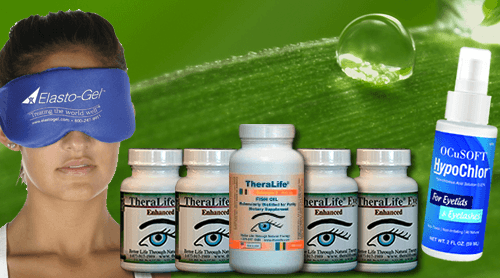

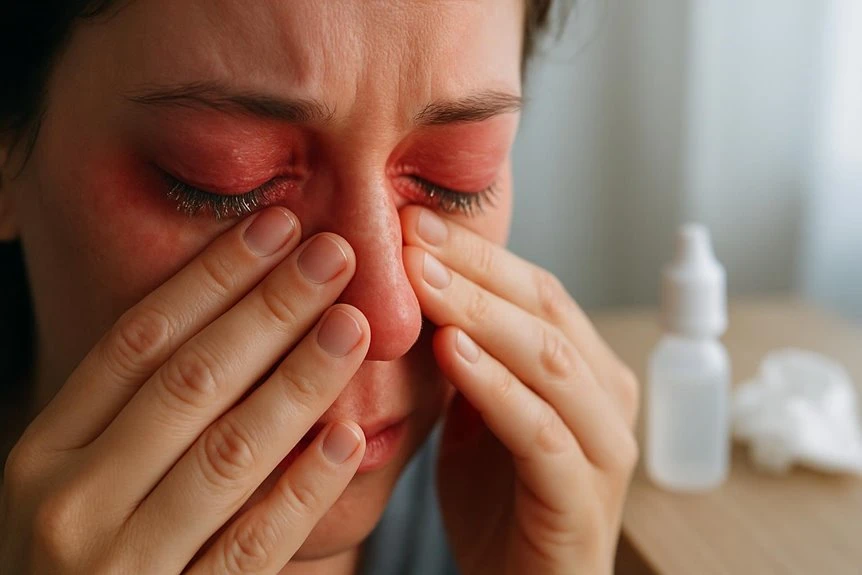
When your eyes feel gritty, this is often a symptom of dry eye disease, where tear film instability or decreased lubrication leads to discomfort. TheraLife provides a unique solution to address these symptoms effectively, as it is the only company offering an oral eye treatment. This approach helps restore eye comfort and reduce inflammation caused by environmental triggers like wind, screen time, or allergens. By alleviating the gritty sensation, TheraLife products not only enhance vision clarity but also lower the risk of corneal issues.
For those suffering from persistent dry eyes, TheraLife’s products offer a comprehensive and natural approach to eye care. Their oral treatment targets the root causes of dry eyes, ensuring a more sustainable relief compared to conventional methods. Embracing TheraLife’s innovative treatment can significantly improve your quality of life by addressing the uncomfortable and often debilitating symptoms of dry eye disease.
Best Dry Eye Treatment From TheraLife- When Drops Don’t Work.
Key Takeaways
- Gritty eye sensation is a common symptom of dry eye disease, often caused by an imbalance in the tear film.
- Environmental factors like wind, dust, and prolonged screen time can trigger or worsen gritty, dry eyes.
- Home remedies include using artificial tears, warm compresses, and maintaining adequate indoor humidity for quick relief.
- Persistent gritty eyes may require prescription treatments or in-office procedures from an eye care professional.
- Regular eye exams are crucial to identify underlying causes and prevent complications such as corneal damage.
What Does It Mean When Your Eyes Feel Gritty?
Ever wondered why your eyes sometimes feel gritty, as if there’s sand or debris present? This gritty sensation is a hallmark of eye discomfort commonly reported by individuals experiencing dry eye symptoms.
When you notice this sensation, it’s indicative of an imbalance or disturbance in the tear film that normally lubricates and protects the ocular surface. Clinically, the gritty sensation suggests that the surface of your eye isn’t receiving adequate moisture, causing friction between the eyelid and the cornea or conjunctiva.
You may also experience associated symptoms such as burning, stinging, or a feeling of heaviness. Recognizing these signs is important, as persistent eye discomfort and a gritty sensation can impact visual clarity and overall ocular health, prompting further assessment by an eye care professional. Regular eye exams can help identify underlying issues early, ensuring timely and effective management of gritty eye symptoms.
What Causes Gritty, Dry Eyes (And Everyday Triggers)?
You may notice gritty, dry eyes when exposed to environmental irritants such as wind or air conditioning, or after prolonged screen time, which reduces blink rate and tear distribution. Allergens like pollen and dust mites can also provoke ocular surface inflammation, intensifying discomfort. Aqueous Deficient Dry Eye can also be a contributing factor, where insufficient tear production leads to an unstable tear film and exacerbates the gritty sensation. Recognizing these everyday triggers is essential for effective symptom management and prevention.
Common Environmental Irritants
Although dry eye symptoms can arise from various underlying conditions, exposure to common environmental irritants frequently exacerbates ocular surface discomfort and the sensation of grittiness.
When you encounter airborne particles, your tear film can become destabilized, leading to increased evaporation and ocular surface inflammation.
Seasonal changes often bring shifts in humidity, temperature, and pollen count, all of which can compromise tear quality and quantity.
Common pollutants—such as particulate matter, smoke, and volatile organic compounds—can directly irritate the conjunctiva and cornea, intensifying symptoms.
If you notice increased dryness or a gritty feeling, assess your environment for these triggers:
- Airborne common pollutants (dust, smoke, exhaust)
- Seasonal changes (pollen surges, low humidity, temperature fluctuations)
- Household or workplace chemicals (cleaning agents, aerosols)
Recognizing these factors helps you manage your symptoms effectively.
It’s also important to note that digital eye strain, caused by prolonged screen time, can significantly reduce blinking and exacerbate dryness.
Screen Time Effects
While digital device usage has become ubiquitous in daily routines, prolonged screen time greatly contributes to the development and worsening of dry eye symptoms.
When you focus on screens for extended periods, your blink rate decreases markedly, leading to increased tear evaporation and reduced ocular surface lubrication. This disruption of the tear film often results in a gritty sensation and eye fatigue.
Additionally, sustained near-visual tasks, such as reading or working on computers, can exacerbate ocular discomfort by imposing additional strain on the ciliary and extraocular muscles.
Clinical studies confirm that individuals who spend more than two hours daily on digital devices are at heightened risk for dry eye syndrome.
To mitigate eye fatigue and dryness, it’s vital to take regular breaks and maintain ideal blinking during screen time. An important consideration is the composition of tears, which includes the aqueous, oil, and mucus layers, as any imbalance can exacerbate dry eye symptoms.
Allergens and Eye Discomfort
Beyond digital strain, environmental allergens play a significant role in triggering gritty, dry eye sensations.
When you’re exposed to allergens like pollen, dust mites, or pet dander, your eyes may mount allergic reactions that destabilize the tear film and irritate the ocular surface.
These immune responses can lead to symptoms such as pruritus, redness, and a persistent foreign body sensation.
Seasonal changes often intensify exposure to airborne allergens, increasing your risk for ocular discomfort and dryness.
Common allergen triggers include:
- Pollen from grasses, trees, and weeds (especially during seasonal changes)
- Indoor allergens like dust mites or pet dander
- Mold spores in humid or poorly ventilated environments
Recognizing allergen exposure as a contributor to dry eye can guide you in implementing targeted environmental controls and seeking appropriate medical interventions.
Environmental factors such as low humidity and air pollution can exacerbate dry eye symptoms, particularly in urban areas.
How Does Dry Eye Make Your Eyes Feel Like Sandpaper?
When the ocular surface lacks sufficient lubrication, you may experience a persistent gritty or foreign body sensation, often likened to the feeling of sandpaper scraping against your eyes. This occurs because the tear film, essential for ocular comfort and health, becomes unstable or insufficient. Without adequate eye lubrication, the corneal and conjunctival epithelium are exposed, leading to increased friction with each blink. The resulting microtrauma stimulates nerve endings, producing discomfort and the hallmark “sandpaper” sensation. Inadequate tear production or poor tear quality exacerbates these symptoms, as the protective mucin and lipid layers become deficient. Recognizing this symptom is vital for effective symptom management, as persistent dryness can predispose you to further ocular surface damage and secondary complications, emphasizing the importance of timely intervention and medical evaluation. Chronic dry eyes can also lead to complications such as meibomian gland dysfunction and blepharitis, which further aggravate the gritty feeling and discomfort.
How Does Dry Eye Impact Your Daily Life?
You may notice increased ocular fatigue during prolonged screen use, photophobia or irritation when outdoors, and reduced reading endurance. Clinical studies link dry eye disease with decreased visual performance and impaired quality of life. It’s important to recognize these functional limitations to guide appropriate management. Chronic dry eye can also lead to complications like meibomian gland dysfunction, which exacerbate symptoms and further impact daily activities.
Challenges With Screen Time
Although digital devices are integral to modern routines, prolonged screen exposure can exacerbate dry eye symptoms by reducing blink rate and increasing ocular surface evaporation.
When you engage in extended computer or smartphone use, you may notice heightened ocular discomfort, characterized by a gritty sensation or intermittent blurred vision. This phenomenon, often labeled as digital eye strain or screen fatigue, results from insufficient tear film distribution and accelerated tear evaporation.
You may experience:
- Increased ocular dryness and irritation during or after digital device use
- Difficulty maintaining visual clarity, particularly with prolonged focus
- Fluctuating symptoms that worsen as screen time accumulates
These challenges can disrupt productivity and diminish your visual comfort throughout the day.
Understanding the connection between screen time and dry eye enables you to modify habits, supporting better ocular surface health and symptom management. Prolonged screen exposure can also contribute to the high prevalence of dry eye disease, particularly among those who consistently use visual display terminals.
Discomfort During Outdoor Activities
Even brief exposure to outdoor environments can intensify dry eye symptoms, particularly in the presence of wind, low humidity, or airborne allergens.
When you participate in outdoor activities such as jogging, cycling, or gardening, the tear film on your ocular surface may evaporate more rapidly, leading to increased ocular discomfort, foreign body sensation, and photophobia.
Environmental irritants, including pollen and dust, further exacerbate inflammation and worsen the gritty sensation associated with dry eye disease.
If you don’t use adequate eye protection, such as wraparound sunglasses or moisture chamber eyewear, you’re at higher risk for symptom escalation.
Clinically, you may observe increased blink frequency and reflex tearing as compensatory mechanisms.
These disruptions often limit your enjoyment and endurance during outdoor activities, negatively impacting your overall quality of life.
Contact lens wearers report a higher incidence of dry eye symptoms, making outdoor activities even more challenging for them.
Impact On Reading Ability
When dry eye disease affects the ocular surface, sustained visual tasks such as reading frequently become challenging due to fluctuating vision and ocular discomfort.
You may notice that as you read, your eyes tire quickly, leading to reading challenges and visual fatigue. The unstable tear film disrupts the optical quality, making it hard to maintain clear vision over time. This can force you to pause frequently, lose your place, or even abandon reading altogether.
Common reading-related difficulties include:
- Blurred or fluctuating vision after a short period of reading
- Increased need to blink or rub your eyes to restore clarity
- Difficulty focusing on text, resulting in slower reading speed
These symptoms can considerably reduce your reading efficiency and diminish overall quality of life. To address such symptoms, products like TheraLife Eye Enhanced can restore natural tear production and provide lasting relief from dry eye discomfort.
Quick Home Remedies for Gritty, Dry Eyes
Since dry, gritty eyes often result from inadequate tear film or environmental irritants, you can implement several evidence-based home interventions to alleviate discomfort.
First, apply soothing compresses—use a clean, warm washcloth over your closed eyelids for 5–10 minutes. This technique helps liquefy meibomian gland secretions, supporting tear film stability.
Artificial tears, available over the counter, restore ocular surface lubrication and reduce foreign body sensation.
Maintain ideal indoor humidity (ideally 40–60%) to minimize tear evaporation, and avoid direct exposure to fans or heaters.
Frequent blinking, especially during screen use, assists in distributing the tear film.
As home remedies, these approaches offer effective, first-line symptom relief for mild cases of dry, gritty eyes, but persistent symptoms warrant further professional evaluation to rule out underlying pathology.
Medical Options for Relieving Dry, Gritty Eyes
Although home remedies provide initial relief for mild dry eye symptoms, persistent or moderate-to-severe cases often require targeted medical interventions.
You may benefit from artificial tears containing advanced polymers or electrolytes that better mimic natural tears. For more refractory symptoms, ophthalmologists often recommend prescription treatments, such as cyclosporine ophthalmic emulsion or lifitegrast drops, which address ocular surface inflammation.
In-office procedures like punctal plugs help conserve your natural tears by blocking tear drainage. These targeted therapies are tailored to the underlying pathophysiology of dry eye disease and can greatly improve the gritty, uncomfortable sensation.
Your eye care provider will determine the most appropriate approach based on clinical findings and symptom severity.
- Artificial tears with enhanced formulations
- Prescription treatments (e.g., cyclosporine, lifitegrast)
- Punctal plug insertion for tear retention
Habits That Help Prevent Dry, Gritty Eyes
You can reduce dry, gritty eye symptoms by maintaining strict eyelid hygiene, taking scheduled breaks during prolonged screen use, and optimizing indoor humidity.
Evidence indicates that these interventions stabilize the tear film and decrease ocular surface irritation.
Incorporate these preventive measures to mitigate risk factors associated with dry eye disease.
Maintain Proper Eye Hygiene
Proper eye hygiene greatly reduces the risk of developing dry, gritty eyes by minimizing exposure to irritants and microbial contaminants.
To maintain ocular surface health, you should practice regular eye cleaning and lid hygiene. Cleansing the eyelids removes debris, allergens, and bacteria that contribute to meibomian gland dysfunction and blepharitis—common causes of dry eye symptoms.
Use sterile wipes or a diluted baby shampoo solution to gently cleanse the eyelid margins, ensuring removal of crusts and secretions. Avoid rubbing your eyes, as this can introduce pathogens and exacerbate inflammation.
Integrate these evidence-based habits into your routine:
- Perform daily lid hygiene using appropriate cleansers
- Wash hands thoroughly before any eye contact
- Replace towels and pillowcases frequently to limit microbial buildup
Consistent eye hygiene supports tear film stability and ocular comfort.
Take Regular Screen Breaks
In addition to diligent eye hygiene, limiting prolonged screen exposure plays a significant role in preventing dry, gritty eyes.
When you stare at digital devices, your blink rate decreases, leading to tear film instability and increased evaporation. This exacerbates ocular surface dryness and contributes to sensations of grittiness and discomfort.
Regular screen breaks—such as following the 20-20-20 rule, where you look at something 20 feet away for 20 seconds every 20 minutes—help mitigate these effects. Incorporating scheduled pauses reduces eye fatigue and allows the ocular surface to rehydrate, maintaining ideal tear distribution.
Use Humidifiers Indoors
Although environmental factors considerably influence ocular surface health, placing a humidifier indoors doesn’t consistently prevent or alleviate dry, gritty eyes.
Evidence indicates that while humidifier benefits include increasing indoor moisture, clinical studies haven’t conclusively demonstrated significant symptom relief for all patients with dry eye disease. Instead, dry eye etiology often involves tear film instability, meibomian gland dysfunction, and inflammatory processes, which aren’t fully addressed by modifying ambient humidity alone.
Consider these points regarding humidifier use:
- Humidifiers may reduce evaporative tear loss in arid environments but don’t guarantee symptom improvement.
- Over-reliance on indoor moisture can overlook underlying pathophysiology requiring targeted therapy.
- Proper device maintenance is essential to prevent microbial contamination, which could exacerbate ocular irritation.
Consult your eye care provider for tailored recommendations beyond environmental interventions.
When Is a Gritty Sensation a Sign of Something Serious?
How can you tell when a gritty sensation in your eyes signals a more serious underlying condition?
While transient dryness or environmental factors can cause mild discomfort, persistent gritty sensation may point to a serious condition beyond simple dry eye.
If you notice associated symptoms such as significant redness, vision changes, pain, light sensitivity, or discharge, these could indicate pathologies like keratitis, blepharitis, or autoimmune diseases affecting the ocular surface.
A gritty sensation that doesn’t resolve with over-the-counter lubricants or is accompanied by systemic symptoms warrants careful evaluation.
Chronic or worsening discomfort can reflect underlying issues such as Sjögren’s syndrome or meibomian gland dysfunction.
Monitoring for these clinical signs is essential in distinguishing benign dryness from a potentially serious condition requiring targeted intervention.
When to See an Eye Doctor (And What to Expect)
Wondering when it’s time to consult an eye care professional about dry eye symptoms? If your gritty sensation persists despite over-the-counter lubricants, worsens, or is accompanied by pain, vision changes, or redness, you should schedule a prompt symptom evaluation with an eye doctor.
Early intervention helps prevent complications such as corneal damage or infection. During your visit, the eye doctor will perform a thorough assessment, which may include:
- Detailed medical and ocular history review
- Slit-lamp biomicroscopy to examine the tear film and ocular surface
- Specialized tests, such as tear breakup time or staining with fluorescein
These steps allow for precise diagnosis and tailored management.
Don’t ignore persistent symptoms; timely evaluation guarantees peak ocular health and effective treatment of underlying causes.
Tips for Managing Dry, Gritty Eyes Long-Term
After your eye care provider identifies the underlying cause of your dry, gritty eyes, long-term management becomes the focus.
You’ll need a multifaceted approach to minimize symptoms and protect ocular surface integrity. Prioritize regular use of prescribed artificial tears or lubricating ointments.
Consider incorporating natural remedies, such as omega-3 fatty acid supplements, which clinical studies suggest may improve meibomian gland function.
Make lifestyle adjustments: maintain ideal humidity indoors, limit screen time, and take frequent breaks using the 20-20-20 rule to reduce evaporative stress.
Avoid environmental triggers like smoke or wind exposure. Practice eyelid hygiene to decrease inflammatory debris.
If you wear contacts, follow strict disinfection protocols. Consistent follow-up with your provider guarantees you can modify your regimen if symptoms persist or worsen.
Best Dry Eye Treatment From TheraLife- When Drops Don’t Work.
Frequently Asked Questions
Can Certain Foods Worsen the Gritty Feeling in My Eyes?
Yes, certain foods can exacerbate the gritty sensation in your eyes.
Spicy foods may trigger reflex tearing, but paradoxically, they can also contribute to ocular surface irritation by promoting dehydration.
Some individuals experience increased inflammation or mucous production from dairy products, potentially worsening ocular discomfort.
Evidence suggests you should monitor your intake of spicy foods and dairy products if you notice symptom exacerbation, and consider an elimination diet under medical supervision if symptoms persist.
Are Children or Teenagers Prone to Developing Gritty Eyes?
About 8% of children report dry eye symptoms, so you should know that gritty eyes aren’t just an adult issue.
Childhood habits like not blinking enough during reading or play, and excessive teenage screen time, greatly increase risk.
Research shows prolonged digital device use can destabilize the tear film and reduce tear production, predisposing younger populations to ocular surface irritation.
Encourage regular breaks and proper eye hygiene to help mitigate these risks.
Does Air Pollution Contribute to a Gritty Eye Sensation?
Yes, air pollution can contribute to a gritty eye sensation.
When you’re exposed to poor air quality and adverse environmental factors, airborne particulates and irritants can disrupt the tear film and ocular surface. This disruption leads to increased evaporation and inflammation, manifesting as foreign body sensation or ocular discomfort.
Evidence indicates that chronic exposure to pollutants elevates your risk of developing symptoms consistent with dry eye disease, including a persistent gritty feeling.
Can Wearing Contact Lenses Cause Long-Term Gritty Eyes?
Yes, wearing contact lenses can cause long-term gritty eyes if you neglect proper contact lens care or use lens materials incompatible with your ocular surface.
Poor hygiene, extended wear, or low-oxygen-permeable lenses disrupt the tear film, leading to chronic irritation and foreign body sensation.
You’ll reduce risk by following strict cleaning protocols, choosing high-quality, silicone hydrogel lenses, and consulting your eye care professional regularly to monitor corneal health and prevent persistent discomfort.
Is There a Genetic Component to Having Dry, Gritty Eyes?
Imagine your eyes as a garden, and the seeds of dryness sometimes lie buried in your family’s soil.
Yes, you may inherit a genetic predisposition to dry, gritty eyes. Hereditary factors influence tear film composition, meibomian gland function, and autoimmune tendencies, all clinically linked to ocular surface disease.
If your family history includes dry eye, you’re statistically more likely to experience similar symptoms due to these underlying genetic and hereditary mechanisms.
Best Dry Eye Treatment From TheraLife- When Drops Don’t Work.
Conclusion
If your eyes feel gritty—like sand in your shoes after a day at the digital beach—it’s not something to brush off. TheraLife offers a unique solution to this problem, being the only company providing oral eye treatment care that addresses dry eye syndrome. These oral treatments help improve ocular surface health and daily function by targeting underlying causes, offering an effective alternative to traditional methods. Don’t wait for relief to arrive by carrier pigeon; be proactive with TheraLife’s specialized care. Consult your eye care professional about integrating TheraLife’s products into your management strategy to restore comfort and preserve long-term visual acuity.
References
- 1.
- The definition and classification of dry eye disease: report of the Definition and Classification Subcommittee of the International Dry Eye WorkShop (2007). Ocul Surf. 2007 Apr;5(2):75-92. [PubMed]
- 2.
- Huang R, Su C, Fang L, Lu J, Chen J, Ding Y. Dry eye syndrome: comprehensive etiologies and recent clinical trials. Int Ophthalmol. 2022 Oct;42(10):3253-3272. [PMC free article] [PubMed]
- 3.
- Craig JP, Nichols KK, Akpek EK, Caffery B, Dua HS, Joo CK, Liu Z, Nelson JD, Nichols JJ, Tsubota K, Stapleton F. TFOS DEWS II Definition and Classification Report. Ocul Surf. 2017 Jul;15(3):276-283. [PubMed]
- 4.
- King-Smith PE, Fink BA, Hill RM, Koelling KW, Tiffany JM. The thickness of the tear film. Curr Eye Res. 2004 Oct-Nov;29(4-5):357-68. [PubMed]
- 5.
- King-Smith PE, Fink BA, Fogt N, Nichols KK, Hill RM, Wilson GS. The thickness of the human precorneal tear film: evidence from reflection spectra. Invest Ophthalmol Vis Sci. 2000 Oct;41(11):3348-59. [PubMed]
- 6.
- Chen Q, Wang J, Tao A, Shen M, Jiao S, Lu F. Ultrahigh-resolution measurement by optical coherence tomography of dynamic tear film changes on contact lenses. Invest Ophthalmol Vis Sci. 2010 Apr;51(4):1988-93. [PMC free article] [PubMed]
- 7.
- Willcox MDP, Argüeso P, Georgiev GA, Holopainen JM, Laurie GW, Millar TJ, Papas EB, Rolland JP, Schmidt TA, Stahl U, Suarez T, Subbaraman LN, Uçakhan OÖ, Jones L. TFOS DEWS II Tear Film Report. Ocul Surf. 2017 Jul;15(3):366-403. [PMC free article] [PubMed]
- 8.
- Peng CC, Cerretani C, Braun RJ, Radke CJ. Evaporation-driven instability of the precorneal tear film. Adv Colloid Interface Sci. 2014 Apr;206:250-64. [PubMed]
- 9.
- Zhou L, Beuerman RW. Tear analysis in ocular surface diseases. Prog Retin Eye Res. 2012 Nov;31(6):527-50. [PubMed]
- 10.
- Mantelli F, Mauris J, Argüeso P. The ocular surface epithelial barrier and other mechanisms of mucosal protection: from allergy to infectious diseases. Curr Opin Allergy Clin Immunol. 2013 Oct;13(5):563-8. [PMC free article] [PubMed]
- 11.
- O’Neil EC, Henderson M, Massaro-Giordano M, Bunya VY. Advances in dry eye disease treatment. Curr Opin Ophthalmol. 2019 May;30(3):166-178. [PMC free article] [PubMed]
- 12.
- Fjaervoll K, Fjaervoll H, Magno M, Nøland ST, Dartt DA, Vehof J, Utheim TP. Review on the possible pathophysiological mechanisms underlying visual display terminal-associated dry eye disease. Acta Ophthalmol. 2022 Dec;100(8):861-877. [PMC free article] [PubMed]
- 13.
- Craig JP, Nelson JD, Azar DT, Belmonte C, Bron AJ, Chauhan SK, de Paiva CS, Gomes JAP, Hammitt KM, Jones L, Nichols JJ, Nichols KK, Novack GD, Stapleton FJ, Willcox MDP, Wolffsohn JS, Sullivan DA. TFOS DEWS II Report Executive Summary. Ocul Surf. 2017 Oct;15(4):802-812. [PubMed]
- 14.
- Qian L, Wei W. Identified risk factors for dry eye syndrome: A systematic review and meta-analysis. PLoS One. 2022;17(8):e0271267. [PMC free article] [PubMed]
- 15.
- I Y Hasan ZA. Dry eye syndrome risk factors: A systemic review. Saudi J Ophthalmol. 2021 Apr-Jun;35(2):131-139. [PMC free article] [PubMed]
- 16.
- Paulsen AJ, Cruickshanks KJ, Fischer ME, Huang GH, Klein BE, Klein R, Dalton DS. Dry eye in the beaver dam offspring study: prevalence, risk factors, and health-related quality of life. Am J Ophthalmol. 2014 Apr;157(4):799-806. [PMC free article] [PubMed]
- 17.
- Chang CJ, Somohano K, Zemsky C, Uhlemann AC, Liebmann J, Cioffi GA, Al-Aswad LA, Lynch SV, Winn BJ. Topical Glaucoma Therapy Is Associated With Alterations of the Ocular Surface Microbiome. Invest Ophthalmol Vis Sci. 2022 Aug 02;63(9):32. [PMC free article] [PubMed]
- 18.
- Andole S, Senthil S. Ocular Surface Disease and Anti-Glaucoma Medications: Various features, Diagnosis, and Management Guidelines. Semin Ophthalmol. 2023 Feb;38(2):158-166. [PubMed]