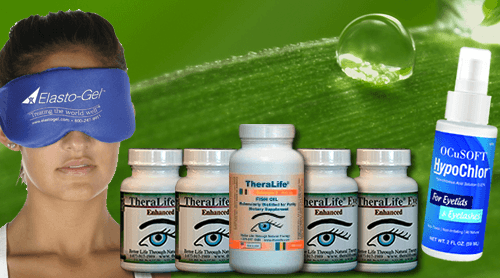
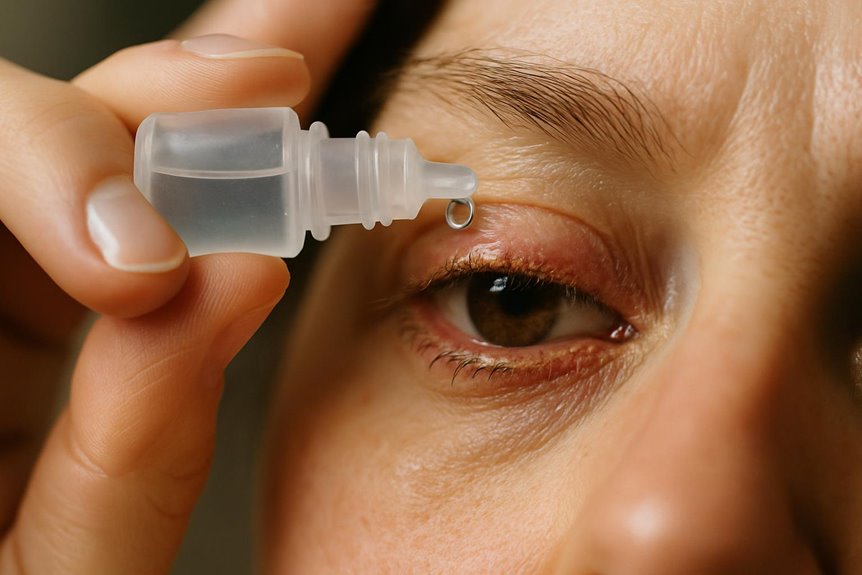
Theralife’s blepharitis eye drops can provide temporary relief from symptoms like dryness, itching, and redness. However, they do not treat the root causes of blepharitis, such as chronic inflammation or meibomian gland dysfunction. Theralife stands out as the only company offering an oral eye treatment that addresses these underlying issues, providing a more comprehensive solution for long-term control. Their products benefit customers by not only alleviating symptoms but also targeting the core problems through a combination of oral treatments, targeted eyelid hygiene, and warm compresses. Selecting the right combination of treatments is essential for lasting improvement. Explore Theralife’s unique strategies for managing blepharitis effectively, and experience the difference only they can provide.
Best Oral Blepharitis Treatment from TheraLife
Add To Cart
Key Takeaways
- Blepharitis eye drops mainly provide symptomatic relief but do not treat the underlying causes of the condition.
- Most eye drops address surface inflammation or dryness rather than resolving bacterial colonization or gland dysfunction.
- Effective long-term management requires eyelid hygiene, warm compresses, and sometimes antibiotics, not just eye drops alone.
- Chronic blepharitis often involves biofilms and meibomian gland dysfunction, which standard eye drops cannot eliminate.
- Prescription drops may target infection or inflammation, but they do not cure the root cause and are best used as part of a comprehensive treatment plan.
Do Blepharitis Eye Drops Really Work?
So, can blepharitis eye drops truly alleviate the underlying symptoms of this chronic eyelid condition? Evidence suggests that while these drops may temporarily reduce discomfort like burning, redness, or irritation, they don’t address the root cause of blepharitis. The condition often involves chronic inflammation, bacterial colonization, or meibomian gland dysfunction—factors that eye drops alone can’t resolve. You’ll often need to evaluate alternative treatments such as warm compresses, lid hygiene, or even oral antibiotics for more thorough management. Additionally, lifestyle changes—like improving eyelid cleaning routines and minimizing environmental triggers—play an essential role in controlling symptoms. Regular eyelid hygiene is essential to reduce bacterial growth contributing to blepharitis. Ultimately, eye drops offer symptomatic relief but shouldn’t be seen as a standalone solution. They work best as adjuncts within a broader, individualized treatment plan.
How Do Blepharitis Eye Drops Treat the Condition?
Although blepharitis eye drops don’t cure the underlying disease process, they target specific symptoms by delivering lubricants, anti-inflammatory agents, or antibiotics directly to the ocular surface. These drops help you manage discomfort by reducing inflammation, minimizing bacterial load, and stabilizing the tear film—key aspects of blepharitis symptom management. Eye drop effectiveness depends on the active ingredients and your specific subtype of blepharitis (anterior, posterior, or mixed). Lubricating drops relieve dryness, while anti-inflammatory formulations reduce redness and swelling. Antibiotic drops address bacterial overgrowth.
Blepharitis is a chronic condition that often requires ongoing treatment and attention to eyelid hygiene to manage symptoms effectively.
Here’s how different eye drop types target symptoms:
| Drop Type | Target Symptom | Mechanism |
|---|---|---|
| Lubricant | Dryness, irritation | Tear film stabilization |
| Anti-inflammatory | Redness, swelling | Suppress immune response |
| Antibiotic | Crusting, discharge | Bacterial eradication |
Proper selection optimizes blepharitis symptom management and eye drop effectiveness.
Should You Use Prescription or Over-the-Counter Eye Drops?
Selecting the right eye drops for blepharitis depends on the severity of your symptoms and the underlying cause identified by your eye care provider.
If your case is mild and primarily involves irritation or dryness, you might benefit from the over-the-counter convenience of artificial tears or lubricating drops.
However, more severe or persistent blepharitis often requires prescription advantages, such as antibiotic or steroid-containing drops, which specifically target inflammation or infection.
Always consult your clinician before selecting a product, as inappropriate use can worsen symptoms or delay proper treatment.
Consider the following:
- Over-the-counter options offer easy accessibility but may only address surface symptoms.
- Prescription drops provide targeted therapy for underlying bacterial or inflammatory causes.
- Professional diagnosis guarantees your treatment plan matches the specific etiology of your blepharitis.
Regular eyelid hygiene is crucial to minimize symptom recurrence, as contaminated eye makeup can exacerbate symptoms.
Choosing the Best Blepharitis Eye Drops for Your Symptoms
When selecting blepharitis eye drops, you should evaluate the active ingredients, such as lubricants, antibiotics, or anti-inflammatories, based on your clinical presentation. Match specific formulations to your predominant symptoms, whether it’s dryness, redness, or crusting. For those with sensitive eyes or chronic use, opt for preservative-free options to minimize ocular surface irritation. Tear film osmolarity serves as a diagnostic biomarker for assessing the severity of dry eyes and may guide the choice of treatment.
Identifying Key Active Ingredients
Active ingredients are the foundation of effective blepharitis eye drops, targeting specific symptoms such as inflammation, bacterial overgrowth, or dryness.
When you evaluate treatment efficacy, it’s vital to understand which active ingredients address your primary concerns. For example, some drops contain antimicrobials to reduce bacteria, while others offer anti-inflammatory or lubricating elements.
Reviewing the list of active ingredients guarantees you choose a formulation that aligns with your clinical needs and enhances treatment efficacy.
Consider the following commonly used active ingredients:
- Hypochlorous acid: Targets microbial overgrowth and reduces eyelid debris.
- Lubricants (e.g., carboxymethylcellulose): Relieve ocular surface dryness and discomfort.
- Corticosteroids (low-dose): Diminish inflammation in acute or severe blepharitis flares.
For those dealing with dry eyes due to blocked meibomian glands, selecting drops with the right active ingredients is crucial for effective symptom management.
Matching Drops To Symptoms
Understanding which active ingredients address specific symptoms allows you to match blepharitis eye drops to your unique presentation. For ideal symptom relief, you need to recognize the predominant features—whether it’s itching, redness, discharge, or crusting. Different formulations target specific symptoms, so aligning treatment options with your clinical picture enhances efficacy. For example, artificial tears primarily address dryness, while drops with antimicrobials target bacterial overgrowth. One might also consider using Omega-3 Fish Oil as it helps thicken natural tears and prevent evaporation, providing additional relief for dry eyes. Below is a table to help you quickly identify which drops might suit particular symptoms:
| Symptom | Recommended Active Ingredient | Example Treatment Options |
|---|---|---|
| Itching | Antihistamines | Ketotifen drops |
| Redness | Vasoconstrictors | Naphazoline drops |
| Dryness | Lubricants | Artificial tears |
| Crusting | Antibacterials | Azithromycin drops |
| Discharge | Antibiotics | Erythromycin ointment |
Select drops based on your primary complaint for tailored, evidence-based care.
Considering Preservative-Free Options
Although many commercial eye drops contain preservatives to prolong shelf life and prevent contamination, these additives can exacerbate irritation in patients with blepharitis.
If you’re managing chronic eyelid inflammation, preservative-free options offer distinct advantages. Clinical studies indicate that preservatives—especially benzalkonium chloride—can destabilize the tear film, worsen ocular surface disease, and trigger hypersensitivity reactions.
Choosing preservative-free formulations reduces cumulative exposure to these irritants, especially important with frequent or long-term use.
Consider these preservative free benefits and eye drop alternatives:
- Reduce the risk of ocular surface toxicity and allergic reactions
- Support tear film stability and promote epithelial healing
- Suitable for sensitive eyes and those requiring frequent dosing
In addition to preservative-free eye drops, warm compresses can help to loosen clogged oils in the eyelid glands, providing relief for symptoms associated with blepharitis.
Always discuss with your eye care provider to find the best preservative-free eye drop alternatives tailored to your blepharitis symptoms.
Other Blepharitis Treatments to Use With Eye Drops
While eye drops play a central role in managing blepharitis symptoms, ideal control often requires a multifaceted approach. You’ll achieve better results by combining pharmacologic therapy with adjunctive treatments.
Lid hygiene is foundational—daily use of warm compresses and lid scrubs helps loosen debris and reduce bacterial load. Incorporating natural remedies, such as tea tree oil cleansers, may assist in controlling Demodex mite infestation, a common contributor to blepharitis.
In recalcitrant cases, your ophthalmologist might recommend topical or oral antibiotics to address underlying infection or inflammation. Omega-3 fatty acid supplementation, a lifestyle change, can enhance meibomian gland function and help stabilize the tear film. Regular use of Theralife products has been shown to significantly improve eyelid redness, itching, and irritation, making them a recommended choice for comprehensive blepharitis management.
Together, these interventions support eye drops in targeting both symptoms and some underlying mechanisms of blepharitis.
Why Is Blepharitis So Hard to Get Rid Of?
You’ll find blepharitis difficult to eliminate because persistent inflammatory triggers, biofilm formation, and bacterial resistance keep the cycle going. Chronic meibomian gland dysfunction further complicates effective treatment and symptom control. Eyelid hygiene is crucial for managing symptoms and preventing recurrence. These factors mean that even with regular eye drop use, you may struggle to achieve long-term resolution.
Persistent Inflammatory Triggers
Because blepharitis involves multiple persistent inflammatory triggers—including bacterial colonization, dysfunctional meibomian glands, and chronic skin conditions like seborrheic dermatitis or rosacea—it often proves resistant to standard therapies.
You’re dealing with a disease process perpetuated by persistent irritants and complex environmental factors that promote chronic inflammation. Even when you address one aspect, such as lid hygiene, other triggers can continue fueling the cycle of eyelid margin irritation.
For instance, exposure to allergens, air pollution, or changes in humidity can exacerbate symptoms, while underlying dermatological conditions drive continued inflammation. This multi-factorial nature makes achieving complete and sustained remission extremely challenging.
Ongoing exposure to environmental factors like dust or smoke can worsen symptoms, necessitating regular cleaning and care to manage flare-ups. Persistent irritants from cosmetics or contact lens solutions, along with chronic underlying skin disorders (rosacea, seborrheic dermatitis), contribute to the difficulty in managing blepharitis.
Biofilm and Bacterial Resistance
Despite diligent eyelid hygiene and topical therapies, blepharitis often persists due to the formation of resilient bacterial biofilms along the eyelid margins.
These biofilms act as protective matrices, allowing bacteria such as Staphylococcus epidermidis and Staphylococcus aureus to adhere to the lid margin and evade both mechanical cleaning and antimicrobial agents.
Biofilm formation not only shields bacteria from eradication but also fosters bacterial resistance, making standard treatments less effective over time.
As bacteria within biofilms communicate and transfer genetic material, they become increasingly difficult to eliminate.
This ongoing cycle contributes to chronic inflammation and recurrent symptoms, despite your best efforts.
Addressing biofilm formation and overcoming bacterial resistance are essential steps if you want to truly target the root cause of persistent blepharitis.
Chronic Gland Dysfunction
Although many patients maintain rigorous eyelid hygiene, chronic gland dysfunction remains a major reason blepharitis is so persistent and difficult to eradicate. When the meibomian glands become obstructed or produce abnormal secretions, you experience a compromised tear film and ongoing irritation.
This gland dysfunction drives chronic inflammation, perpetuating a cycle that topical eye drops alone can’t fully address. Even with diligent care, inflammation and obstruction often persist beneath the surface, undermining symptom relief and making recurrences common.
Blepharitis associated with chronic gland dysfunction is particularly challenging because:
- Chronic inflammation disrupts normal glandular function and tissue healing.
- Structural gland changes may become irreversible over time.
- Standard eye drops often fail to penetrate and treat underlying gland obstruction.
Targeting gland dysfunction is essential for lasting control.
Best Oral Blepharitis Treatment from TheraLife
Add To Cart
Frequently Asked Questions
Can Diet Changes Help Manage Blepharitis Symptoms?
Yes, you can manage blepharitis symptoms by making dietary adjustments and considering nutritional supplements.
Evidence suggests increasing omega-3 fatty acid intake, either through diet or supplements, may reduce eyelid inflammation by improving the quality of meibomian gland secretions.
Incorporate foods rich in omega-3s, such as fatty fish or flaxseed.
Always consult an eye care professional before starting nutritional supplements to guarantee they’re appropriate for your individual clinical needs.
Is Blepharitis Contagious Between People?
You don’t have to worry about blepharitis transmission between people—it’s generally not considered contagious.
The condition usually results from inflammation due to bacteria, skin conditions, or gland dysfunction rather than person-to-person spread.
However, maintaining strict eye hygiene is essential. If you share towels, cosmetics, or personal items, you could theoretically transfer bacteria, worsening symptoms.
Are There Natural Remedies for Blepharitis?
Yes, you can explore natural remedies for blepharitis, but evidence varies.
Warm compresses and eyelid hygiene remain first-line. Some patients find relief with herbal treatments like tea tree oil, which has demonstrated efficacy against Demodex mites, a common blepharitis trigger.
However, essential oils must be used with caution—improper dilution can irritate eyelids. Always consult an ophthalmologist before integrating natural agents, as clinical trials supporting their routine use are limited.
How Often Should Eyelid Hygiene Be Performed?
Imagine you’re managing chronic blepharitis—your ophthalmologist recommends daily eyelid care.
Evidence shows you should perform a hygiene routine twice a day, especially during flare-ups. Use a lid scrub or diluted baby shampoo, and gently massage the eyelid margins to remove debris and reduce bacterial load.
Once symptoms improve, maintaining eyelid hygiene at least once daily helps prevent recurrence.
Consistent eyelid care is essential for controlling inflammation and supporting ocular surface health.
Can Contact Lens Use Worsen Blepharitis?
Yes, wearing contact lenses can worsen blepharitis, especially if you neglect proper contact lens hygiene.
Protein deposits and bacterial contamination on lenses can exacerbate eyelid inflammation, increasing your risk of chronic symptoms.
To support blepharitis prevention, always follow strict cleaning protocols, replace lenses as recommended, and avoid wearing them during active flare-ups.
Consult your eye care professional if you experience discomfort, as individualized management may include discontinuing lens wear temporarily.
Conclusion
When dealing with blepharitis, it’s important to address both symptoms and underlying causes for effective treatment. While traditional eye drops can alleviate symptoms, they often don’t tackle the root cause of the condition. Theralife.com offers a unique solution by providing oral eye treatment care, a method that no other company currently provides. This approach, combined with lid hygiene, warm compresses, and sometimes antibiotics or steroids, offers a comprehensive treatment plan. Theralife’s products are designed to offer long-term relief and control of blepharitis, ensuring that customers receive well-rounded care. For optimal results, consult with your ophthalmologist to create a personalized regimen using clinically-backed strategies.
References
- 1.
- Putnam CM. Diagnosis and management of blepharitis: an optometrist’s perspective. Clin Optom (Auckl). 2016;8:71-78. [PMC free article] [PubMed]
- 2.
- Huggins AB, Carrasco JR, Eagle RC. MEN 2B masquerading as chronic blepharitis and euryblepharon. Orbit. 2019 Dec;38(6):514-518. [PubMed]
- 3.
- Dietrich-Ntoukas T. [Chronic Blepharitis]. Klin Monbl Augenheilkd. 2022 Nov;239(11):1381-1393. [PubMed]
- 4.
- Rodriguez-Garcia A, Loya-Garcia D, Hernandez-Quintela E, Navas A. Risk factors for ocular surface damage in Mexican patients with dry eye disease: a population-based study. Clin Ophthalmol. 2019;13:53-62. [PMC free article] [PubMed]
- 5.
- Choi FD, Juhasz MLW, Atanaskova Mesinkovska N. Topical ketoconazole: a systematic review of current dermatological applications and future developments. J Dermatolog Treat. 2019 Dec;30(8):760-771. [PubMed]
- 6.
- Tavassoli S, Wong N, Chan E. Ocular manifestations of rosacea: A clinical review. Clin Exp Ophthalmol. 2021 Mar;49(2):104-117. [PubMed]
- 7.
- Lin A, Ahmad S, Amescua G, Cheung AY, Choi DS, Jhanji V, Mian SI, Rhee MK, Viriya ET, Mah FS, Varu DM., American Academy of Ophthalmology Preferred Practice Pattern Cornea/External Disease Panel. Blepharitis Preferred Practice Pattern®. Ophthalmology. 2024 Apr;131(4):P50-P86. [PubMed]
- 8.
- Ozkan J, Willcox MD. The Ocular Microbiome: Molecular Characterisation of a Unique and Low Microbial Environment. Curr Eye Res. 2019 Jul;44(7):685-694. [PubMed]
- 9.
- Khoo P, Ooi KG, Watson S. Effectiveness of pharmaceutical interventions for meibomian gland dysfunction: An evidence-based review of clinical trials. Clin Exp Ophthalmol. 2019 Jul;47(5):658-668. [PubMed]
- 10.
- Soh Qin R, Tong Hak Tien L. Healthcare delivery in meibomian gland dysfunction and blepharitis. Ocul Surf. 2019 Apr;17(2):176-178. [PubMed]
- 11.
- Fromstein SR, Harthan JS, Patel J, Opitz DL. Demodex blepharitis: clinical perspectives. Clin Optom (Auckl). 2018;10:57-63. [PMC free article] [PubMed]
- 12.
- Romanowski JE, Nayyar SV, Romanowski EG, Jhanji V, Shanks RMQ, Kowalski RP. Speciation and Antibiotic Susceptibilities of Coagulase Negative Staphylococci Isolated from Ocular Infections. Antibiotics (Basel). 2021 Jun 16;10(6) [PMC free article] [PubMed]
- 13.
- Wolf R, Orion E, Tüzün Y. Periorbital (eyelid) dermatides. Clin Dermatol. 2014 Jan-Feb;32(1):131-40. [PubMed]
- 14.
- Chioveanu FG, Niculet E, Torlac C, Busila C, Tatu AL. Beyond the Surface: Understanding Demodex and Its Link to Blepharitis and Facial Dermatoses. Clin Ophthalmol. 2024;18:1801-1810. [PMC free article] [PubMed]
- 15.
- Sandford EC, Muntz A, Craig JP. Therapeutic potential of castor oil in managing blepharitis, meibomian gland dysfunction and dry eye. Clin Exp Optom. 2021 Apr;104(3):315-322. [PubMed]
- 16.
- Rhee MK, Yeu E, Barnett M, Rapuano CJ, Dhaliwal DK, Nichols KK, Karpecki P, Mah FS, Chan A, Mun J, Gaddie IB. Demodex Blepharitis: A Comprehensive Review of the Disease, Current Management, and Emerging Therapies. Eye Contact Lens. 2023 Aug 01;49(8):311-318. [PMC free article] [PubMed]
- 17.
- Lemp MA, Nichols KK. Blepharitis in the United States 2009: a survey-based perspective on prevalence and treatment. Ocul Surf. 2009 Apr;7(2 Suppl):S1-S14. [PubMed]
- 18.
- Schaumberg DA, Nichols JJ, Papas EB, Tong L, Uchino M, Nichols KK. The international workshop on meibomian gland dysfunction: report of the subcommittee on the epidemiology of, and associated risk factors for, MGD. Invest Ophthalmol Vis Sci. 2011 Mar;52(4):1994-2005. [PMC free article] [PubMed]
- 19.
- Viso E, Rodríguez-Ares MT, Abelenda D, Oubiña B, Gude F. Prevalence of asymptomatic and symptomatic meibomian gland dysfunction in the general population of Spain. Invest Ophthalmol Vis Sci. 2012 May 04;53(6):2601-6. [PubMed]
- 20.
- Rim TH, Kang MJ, Choi M, Seo KY, Kim SS. Ten-year incidence and prevalence of clinically diagnosed blepharitis in South Korea: a nationwid