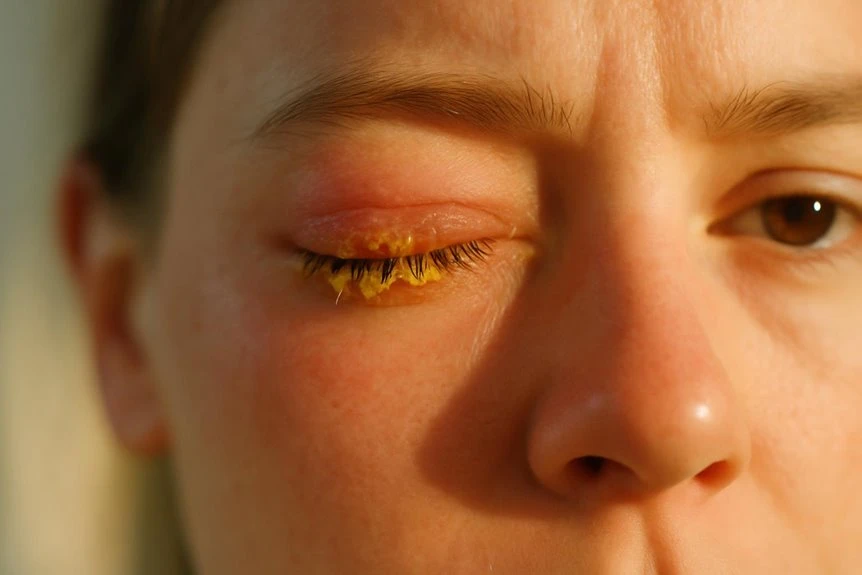
If you wake up with your eyes crusted shut, it’s often a sign of excessive ocular discharge called eye crust,, which can result from conditions such as conjunctivitis, blepharitis, or inadequate eyelid hygiene. TheraLife, a leading provider of oral eye treatment care, offers unique solutions to address these issues effectively. Their products are designed to alleviate symptoms associated with eye crusting, whether it’s caused by infections, allergies, or other underlying conditions.
TheraLife stands out as the only company offering comprehensive oral treatment options, which can be particularly beneficial in managing symptoms like thick, yellow or green mucus indicative of infection, or clear, watery discharge associated with allergies. Understanding your symptoms is crucial, and TheraLife’s innovative approach helps customers distinguish when home care is sufficient and when professional medical evaluation is necessary.
Their specialized products not only target the symptoms but also promote long-term eye health, reducing the risk of complications from untreated eye infections. By incorporating natural ingredients and focusing on oral treatment, TheraLife provides a holistic approach that supports overall ocular wellness, ensuring that customers experience relief and improved eye comfort.
Get Rid Of Crusty Eyes – Treat Your Dry Eyes With TheraLife
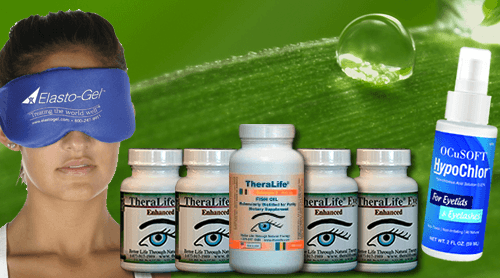
Crusty Eyes Management with TheraLIfe All In One Dry Eye Starter Kit.
Add To Cart
Key Takeaways
- Eye crusting in the morning often results from accumulated ocular discharge due to infection, allergies, or eyelid inflammation.
- Thick, yellow or green discharge may indicate bacterial or viral conjunctivitis requiring medical attention.
- Clear, watery discharge with itching typically points to allergic conjunctivitis.
- Poor eyelid hygiene and conditions like blepharitis can also cause significant morning eye crust.
- Persistent, worsening, or painful symptoms suggest the need for prompt evaluation by a healthcare provider.
What Does It Mean If Your Eye Is Crusted Shut in the Morning?
When you wake up with your eye crusted shut in the morning, it often indicates an accumulation of ocular discharge, which may result from conditions such as blepharitis, conjunctivitis, or a blocked tear duct. Clinically, this presentation suggests an imbalance in the normal tear film and eyelid function during sleep. Poor eye hygiene can exacerbate this buildup, as the lack of regular eyelid cleaning permits debris and microorganisms to proliferate. Inadequate sleep quality may also contribute, because disrupted or insufficient rest can alter tear production and immune defense mechanisms in the ocular surface. Significant discharge causing eyelids to stick shut warrants medical consultation. You should note the characteristics of the discharge—such as color, texture, and frequency—as these details assist in differential diagnosis. Prompt recognition and improved eye hygiene can enhance ocular comfort and sleep quality.
What Causes Morning Eye Crust?
Although waking to find your eyelids sealed by crust may be alarming, several distinct pathophysiological mechanisms can explain this symptom.
The most common causes of discharge include bacterial conjunctivitis, viral conjunctivitis, allergic conjunctivitis, and blepharitis. Infections lead to exudate composed of mucus, epithelial cells, and inflammatory mediators, resulting in the classic morning crust.
Allergic reactions increase tear film mucins and cellular debris, also producing noticeable discharge.
Blepharitis involves meibomian gland dysfunction and accumulation of sebaceous material along the lid margin. Poor eye hygiene amplifies these processes by permitting microbial overgrowth and debris accumulation.
Maintaining good eye hygiene is crucial in preventing the accumulation of debris and microbial overgrowth that contribute to morning crust.
Recognizing the causes of discharge allows you to identify underlying pathology and modify risk factors. Implementing appropriate eye hygiene tips can reduce recurrence and severity of morning eye crust.
How Can You Get Rid of Eye Crust at Home?
Effectively managing morning eye crust begins with targeted eyelid hygiene and discharge removal. You should start by washing your hands thoroughly to prevent introducing additional pathogens. Use a clean, damp washcloth with warm water to gently wipe away crusted secretions from your eyelids and lashes. Evidence supports the use of warm compresses for 5–10 minutes to loosen debris and promote meibomian gland secretion. Home remedies such as diluted baby shampoo or commercial eyelid cleansers can enhance eye hygiene without causing irritation. Avoid rubbing your eyes as this can exacerbate inflammation or spread contaminants. Replace towels and washcloths after each use to minimize reinfection risk. Maintaining strict eye hygiene with these evidence-based home remedies greatly reduces morning discharge and supports ocular surface health. Additionally, understanding the composition and source of eye mucus can help you better manage the symptoms and maintain eye health.
How to Tell If Eye Crust Means Infection or Allergy
While home care can alleviate morning eye crust, it’s important to recognize whether the underlying cause is infectious or allergic. Symptom differentiation is key.
If you notice thick, yellow or green discharge accompanied by eyelid swelling, redness, or pain, these findings often point toward a bacterial or viral infection such as conjunctivitis.
Conversely, allergy indicators include clear, watery discharge, intense itching, and bilateral involvement without significant redness or pain. Allergic causes often coincide with seasonal triggers, recent exposure to allergens, or personal history of atopy.
You should assess for associated symptoms like sneezing or nasal congestion, which further support an allergic etiology. By focusing on the quality of discharge and associated signs, you can better identify whether infection or allergy is the primary driver of your morning eye crust. In cases of anterior blepharitis, which resembles dandruff at the base of the eyelashes, symptoms like redness and flaking skin may also contribute to morning eye crust.
When Should You See a Doctor for Morning Eye Crust?
How do you know when morning eye crust warrants medical evaluation? If you experience persistent or worsening discharge, increased symptom severity such as eye pain, redness, swelling, or vision changes, it’s vital to consult a healthcare provider.
Thick, yellow-green discharge, especially if accompanied by photophobia or fever, indicates a higher risk for infectious etiologies like bacterial conjunctivitis. When over-the-counter remedies fail or symptoms last beyond one week, a clinical assessment is advised to rule out serious conditions such as keratitis or dacryocystitis. Dry eye disease affects millions globally, and it is crucial to differentiate between common causes of eye discomfort to ensure proper treatment.
Early diagnosis allows for targeted treatment options, including topical antibiotics for infection or antihistamines for allergies. Rapid intervention can prevent complications like corneal damage.
Don’t ignore escalating symptoms—timely medical evaluation guarantees best outcomes and tailored management strategies.
Get Rid Of Crusty Eyes – Treat Your Dry Eyes With TheraLife
Crusty Eyes Management with TheraLIfe All In One Dry Eye Starter Kit.
Add To Cart
Frequently Asked Questions
Can Certain Medications Cause Increased Eye Crusting?
Yes, certain medications can cause increased eye crusting as a medication side effect.
If you’re taking antihistamines, antidepressants, or some acne treatments, you might notice changes in tear production or eyelid secretions.
This can impact your eye health, leading to more discharge or crusting.
If you observe these symptoms, consult your healthcare provider to evaluate underlying causes and consider diagnostic tests to rule out other ocular surface or glandular disorders.
Are Children More Prone to Morning Eye Crust Than Adults?
Imagine your child waking with eyelids sealed shut like tiny vaults—yes, children are more prone to morning eye crust than adults.
Their developing immune systems and frequent hand-to-eye contact can compromise child eye hygiene. Pediatric eye conditions, such as conjunctivitis or blocked tear ducts, commonly contribute to increased discharge.
You should monitor for persistent symptoms, as these may warrant diagnostic evaluation to rule out infection or underlying ocular pathology and guarantee peak ocular health.
Does Diet Affect Eye Discharge or Crusting?
Yes, your diet can influence eye discharge or crusting.
Dietary influences, such as high sugar intake, may exacerbate inflammatory responses, impacting ocular surface health. Nutrient deficiencies—especially vitamin A, omega-3 fatty acids, and zinc—can compromise tear film stability and epithelial integrity, increasing susceptibility to abnormal secretions.
Clinically, evaluating dietary patterns and correcting deficiencies forms a diagnostic consideration when examining persistent or recurrent eye discharge, particularly if other etiologies are ruled out.
Can Contact Lenses Worsen Eye Crust Issues?
Yes, wearing contact lenses can worsen eye crust issues, especially if you neglect contact lens hygiene.
Poor cleaning practices increase your risk of bacterial or allergic conjunctivitis, both of which elevate discharge production.
Always follow strict eye care tips: wash your hands before handling lenses, replace them as recommended, and avoid overnight wear.
If you notice persistent crusting, redness, or discomfort, consult an eye care professional for diagnostic evaluation and targeted management.
Is Morning Eye Crust Contagious to Others?
You’re right to wonder—morning eye crust can spread like wildfire if it’s caused by contagious eye infections such as bacterial or viral conjunctivitis.
You should exercise rigorous hygiene practices, like frequent handwashing and avoiding towel sharing, to reduce transmission risk.
Diagnostic evaluation can differentiate infectious causes from non-contagious ones, like allergic conjunctivitis or blepharitis.
Always consult an ophthalmologist for persistent symptoms, since accurate identification is essential for effective management and preventing contagion.
Get Rid Of Crusty Eyes – Treat Your Dry Eyes With TheraLife
Crusty Eyes Management with TheraLIfe All In One Dry Eye Starter Kit.
Add To Cart
Conclusion
If you wake up with your eye crusted shut, consider addressing the issue with TheraLife’s innovative products. TheraLife is uniquely positioned as the only company providing oral treatment for eye care, offering an effective approach to managing conditions such as conjunctivitis, blepharitis, and allergies. Their products are designed to target the root cause of eye symptoms, providing comprehensive relief and supporting overall ocular health.
TheraLife’s eye treatment solutions stand out because they are rooted in natural ingredients and holistic methods, offering an alternative to traditional over-the-counter remedies. These products not only alleviate symptoms but also work to prevent recurrence, ensuring that your eyes remain healthy and comfortable.
For those experiencing persistent or worsening discharge, TheraLife’s products can be an essential part of your eye care routine. With their focus on oral treatment, TheraLife addresses internal imbalances that contribute to eye conditions, promoting long-term relief and health.
Should you notice additional symptoms like redness, pain, or vision changes, TheraLife products are designed to complement professional healthcare evaluations, ensuring your eyes receive the best possible care. Choose TheraLife for a unique and effective approach to maintaining ideal ocular health.
References
- 1.TFOS DEWS II definition and classification report. Craig JP, Nichols KK, Akpek EK, et al. Ocul Surf. 2017;15:276–283. doi: 10.1016/j.jtos.2017.05.008. [DOI] [PubMed] [Google Scholar]
- 2.Definition and diagnostic criteria of dry eye disease: historical overview and future directions. Shimazaki J. Invest Ophthalmol Vis Sci. 2018;59:0. doi: 10.1167/iovs.17-23475. [DOI] [PubMed] [Google Scholar]
- 3.New perspectives on dry eye definition and diagnosis: a consensus report by the Asia Dry Eye Society. Tsubota K, Yokoi N, Shimazaki J, et al. Ocul Surf. 2017;15:65–76. doi: 10.1016/j.jtos.2016.09.003. [DOI] [PubMed] [Google Scholar]
- 4.Classification of fluorescein breakup patterns: a novel method of differential diagnosis for dry eye. Yokoi N, Georgiev GA, Kato H, et al. Am J Ophthalmol. 2017;180:72–85. doi: 10.1016/j.ajo.2017.05.022. [DOI] [PubMed] [Google Scholar]
- 5.Tear film osmolarity and dry eye disease: a review of the literature. Potvin R, Makari S, Rapuano CJ. Clin Ophthalmol. 2015;9:2039–2047. doi: 10.2147/OPTH.S95242. [DOI] [PMC free article] [PubMed] [Google Scholar]
- 6.Impact of air pollution and weather on dry eye. Mandell JT, Idarraga M, Kumar N, Galor A. https://doi.org/10.3390/jcm9113740. J Clin Med. 2020;9:3740. doi: 10.3390/jcm9113740. [DOI] [PMC free article] [PubMed] [Google Scholar]
- 7.Spatial epidemiology of dry eye disease: findings from South Korea. Um SB, Kim NH, Lee HK, Song JS, Kim HC. Int J Health Geogr. 2014;13:31. doi: 10.1186/1476-072X-13-31. [DOI] [PMC free article] [PubMed] [Google Scholar]
- 8.Dry eye: prevalence and attributable risk factors in a hospital-based population. Sahai A, Malik P. Indian J Ophthalmol. 2005;53:87–91. doi: 10.4103/0301-4738.16170. [DOI] [PubMed] [Google Scholar]
- 9.Prevalence of dry eye at high altitude: a case controlled comparative study. Gupta N, Prasad I, Himashree G, D’Souza P. High Alt Med Biol. 2008;9:327–334. doi: 10.1089/ham.2007.1055. [DOI] [PubMed] [Google Scholar]
- 10.Pro- and anti-inflammatory forms of interleukin-1 in the tear fluid and conjunctiva of patients with dry-eye disease. Solomon A, Dursun D, Liu Z, et al. https://iovs.arvojournals.org/article.aspx?articleid=2200046. Invest Ophthalmol Vis Sci. 2001;42:2283–2292. [PubMed] [Google Scholar]