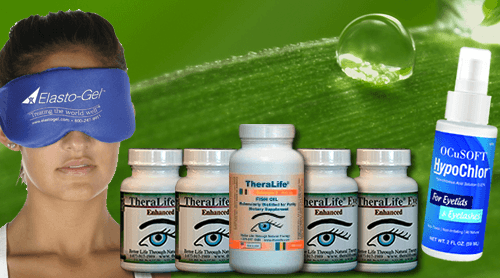


You can experience relief from inner corner eye itching with Theralife’s unique approach. As the only company offering oral eye treatment, Theralife focuses on addressing the underlying causes such as inflammation and tear instability rather than just alleviating symptoms. The products, which include clinically-backed Omega-3 fatty acids, antioxidants, and botanicals, work to enhance your eyes’ natural lubrication and safely reduce irritation. Regular use promises noticeable relief within days, eliminating the need for harsh chemicals or unnecessary additives. If you’re seeking lasting comfort and healthier eyes, explore more about Theralife’s innovative solutions.
Best Eye Itching Treatment From TheraLife- When Drops Don’t Work.
Key Takeaways
- Theralife’s natural formula targets chronic inflammation and tear film instability, addressing the root causes of inner corner eye itching.
- Omega-3 fatty acids and antioxidants in Theralife enhance lubrication and reduce oxidative stress for lasting comfort.
- Botanicals like turmeric and eyebright provide gentle, anti-inflammatory relief for irritated eyes without harsh chemicals.
- Consistent daily use, especially with meals, supports optimal absorption and sustained itch relief.
- Theralife’s molecular distillation process ensures pure, effective ingredients for safe long-term eye health support.
Why Do the Inner Corners of Your Eyes Itch?
Ever wondered why the inner corners of your eyes itch? This common symptom often points to allergies triggers, such as pollen, dust mites, or pet dander.
Your eyes react when these allergens come into contact with the sensitive conjunctiva, causing itching, redness, and irritation. Environmental factors like wind, smoke, and air pollution can also compromise your eye surface, leading to discomfort.
Sometimes, exposure to chemical irritants in cosmetics or eye drops can make symptoms worse. Rubbing your eyes might feel relieving at first, but it actually releases more histamines, worsening the itch.
If you wear contact lenses, improper hygiene or extended wear can further irritate the inner corners. Identifying your specific triggers is essential for effective prevention and long-term relief. For those dealing with autoimmune conditions like Sjogren’s syndrome, TheraLife Autoimmune can provide targeted relief for dry eyes, which often contribute to itchiness and irritation.
Home Remedies for Itchy Inner Eyes (What Works and What Doesn’t)
While itchy inner eyes can be frustrating, not all home remedies provide real relief—or are even safe. Applying cold compresses may reduce itching and inflammation temporarily, and using preservative-free artificial tears can support basic eye care by washing away irritants.
However, avoid rubbing your eyes, as this can worsen irritation or introduce bacteria. Some people try natural solutions like cucumber slices or chamomile tea bags, but there’s limited clinical evidence backing their effectiveness for inner eye itching.
Home remedies such as applying essential oils or vinegar should be avoided, as these can irritate the sensitive eye area and potentially cause harm. For persistent or severe symptoms, always consult an eye care professional.
Consider using TheraLife Eye capsules to aid in restoring natural tear production for sustainable relief. Prioritize proven, gentle methods and avoid untested natural solutions around your eyes.
How Theralife Targets the Root Cause of Itchy Eyes
Many home remedies offer only temporary relief from itchy inner eyes and don’t address the underlying problem. If you’re seeking lasting relief, it’s important to focus on the root cause—often linked to chronic inflammation, tear film instability, or meibomian gland dysfunction. Theralife’s approach targets these underlying mechanisms, supporting your overall eye health rather than just masking symptoms. By addressing the internal imbalances that contribute to eye irritation, Theralife’s natural remedies work from within to restore tear production and reduce inflammation. This evidence-based method differentiates Theralife from conventional solutions, which may only provide surface comfort. You’ll experience more sustainable relief as your eyes regain their natural moisture balance. Prioritizing the root cause means fewer flare-ups and a healthier long-term outlook for your eyes. Additionally, incorporating Omega-3 Fish Oil into your regimen can further support eye health by thickening natural tears and preventing evaporation.
Theralife Ingredients That Relieve Eye Itching
Although itchy eyes can have various causes, Theralife formulas use carefully selected ingredients known to address inflammation, support tear production, and improve meibomian gland function.
You’ll find that omega-3 fatty acids are included to enhance the natural eye lubrication process, while antioxidants like vitamin C and E help reduce oxidative stress and inflammation.
Theralife also incorporates botanicals such as turmeric and eyebright, which have demonstrated anti-inflammatory and allergy relief properties in clinical studies.
These ingredients work together to soothe irritation, providing comfort for those struggling with persistent inner corner eye itching.
The molecular distillation process used in TheraLife Omega-3 ensures the removal of impurities, enhancing the product’s purity and effectiveness.
How to Use Theralife for Quick, Lasting Relief
With Theralife’s blend of targeted ingredients supporting eye health, knowing how to use these supplements correctly can make a significant difference in managing eye itching.
For ideal Theralife application, follow the recommended dosage outlined on the product label or as advised by your healthcare provider. Take the supplements consistently, ideally with meals, to support absorption and effectiveness. Most users report quick relief from inner corner eye itching within days, but lasting results require regular use over several weeks.
Stay hydrated and avoid rubbing your eyes, as this can worsen irritation. If you wear contact lenses, follow your eye care professional’s guidelines for use during supplementation.
TheraLife supports normal function of meibomian oil glands, reducing inflammation and dryness which contributes to eye itching.
Should symptoms persist or worsen, consult your doctor promptly. Using Theralife as directed maximizes comfort and supports long-term eye health.
Best Eye Itching Treatment From TheraLife- When Drops Don’t Work.
Frequently Asked Questions
Is Theralife Safe to Use With Contact Lenses?
Yes, you can safely use Theralife products with contact lenses, but you should follow proper contact lens safety guidelines.
Always wash your hands before applying any eye product, and avoid direct contact between the supplement and your lenses.
If you experience irritation, remove your contacts and consult your eye care professional.
For best eye health, follow your doctor’s eye health tips and make certain any supplement you use is compatible with your lens type.
Can Children Use Theralife’s Natural Formula?
You might wonder if children can safely use Theralife’s natural formula.
While natural ingredients often suggest a safer profile, you shouldn’t assume all products are suitable for young users.
Children’s safety requires evidence from pediatric studies and approval from healthcare providers.
Currently, there’s limited clinical data on Theralife in children.
Always consult your child’s doctor before starting any supplement, even those marketed as natural, to guarantee it’s appropriate and safe for their needs.
Are There Any Side Effects With Long-Term Theralife Use?
You won’t typically experience significant side effects with long-term Theralife use, as current evidence suggests good long term safety.
However, it’s smart to stay aware of potential risks, especially if you have allergies or underlying health conditions. Always review the ingredient list carefully, and if you notice any unusual symptoms, consult your healthcare provider.
Clinical studies haven’t shown major adverse effects, but ongoing monitoring and open communication with your doctor are essential.
How Soon After Eye Surgery Can I Use Theralife?
Following eye surgery, you should focus on safe, steady steps during your eye surgery recovery.
For post operative care, always ask your ophthalmologist before adding any supplements.
Depending on your specific procedure and healing pace, you might need to wait several weeks before starting Theralife or any other product.
Your doctor’s guidance guarantees you won’t compromise healing, reduce inflammation, or risk complications during the critical early recovery process.
Does Theralife Interact With Prescription Eye Drops?
You typically won’t experience interactions between Theralife ingredients and most prescription eye drops, as Theralife is formulated with natural ingredients taken orally, not applied to the eye.
However, its effectiveness depends on consistent use and your specific eye health needs.
Always consult your eye care provider before combining Theralife with any prescription treatments to guarantee safety and ideal results tailored to your condition.
Professional guidance guarantees your therapy is both safe and effective.
Best Eye Itching Treatment From TheraLife- When Drops Don’t Work.
Conclusion
When the corners of your eyes demand attention, it’s a signal that requires genuine care. Theralife stands out as the only company offering oral eye treatment, uniquely designed to tackle the root causes of discomfort. By leveraging evidence-based, natural ingredients, Theralife’s products provide lasting relief and promote overall eye health. Don’t let irritation silently interrupt your daily life—opt for Theralife’s comprehensive solutions that prioritize your well-being and restore balance to your eyes.
References
- 1.Hom MM, Nguyen AL, Bielory L. Allergic conjunctivitis and dry eye syndrome. Ann Allergy Asthma Immunol 2012;108:163–6. [DOI] [PubMed] [Google Scholar]
- 2.Wolf R, Orion E, Tuzun Y. Periorbital (eyelid) dermatides. Clin Dermatol 2014;32:131–40. [DOI] [PubMed] [Google Scholar]
- 3.Guin JD. Eyelid dermatitis: experience in 203 cases. J Am Acad Dermatol 2002;47:755–65. [DOI] [PubMed] [Google Scholar]
- 4.Nakano T, Mizoue S, Fuse N, et al. Fixed combination of travoprost and timolol maleate reduces intraocular pressure in Japanese patients with primary open-angle glaucoma or ocular hypertension: a prospective multicenter open-label study. Adv Ther 2015;32:823–37. [DOI] [PMC free article] [PubMed] [Google Scholar]
- 5.Mahvan TD, Hornecker JR, Buckley WA, et al. The role of besifloxacin in the treatment of bacterial conjunctivitis. Ann Pharmacother 2014;48:616–25. [DOI] [PubMed] [Google Scholar]
- 6.Moisseiev E, Varssano D. Comparison of ocular tolerability between preserved and preservative-free diclofenac sodium drops. J Ocul Pharmacol Ther 2011;27:333–7. [DOI] [PubMed] [Google Scholar]
- 7.Dawn A, Papoiu AD, Chan YH, et al. Itch characteristics in atopic dermatitis: results of a web-based questionnaire. Br J Dermatol 2009;160:642–4. [DOI] [PubMed] [Google Scholar]
- 8.Stander S, Weisshaar E, Mettang T, et al. Clinical classification of itch: a position paper of the international forum for the study of itch. Acta Derm Venereol 2007;87:291–4. [DOI] [PubMed] [Google Scholar]
- 9.Phan NQ, Blome C, Fritz F, et al. Assessment of pruritus intensity: prospective study on validity and reliability of the visual analogue scale, numerical rating scale and verbal rating scale in 471 patients with chronic pruritus. Acta Derm Venereol 2012;92:502–7. [DOI] [PubMed] [Google Scholar]
- 10.Matterne U, Apfelbacher CJ, Loerbroks A, et al. Prevalence, correlates and characteristics of chronic pruritus: a population-based cross-sectional study. Acta Derm Venereol 2011;91:674–9. [DOI] [PubMed] [Google Scholar]
- 11.Ikoma A, Steinhoff M, Stander S, et al. The neurobiology of itch. Nat Rev Neurosci 2006;7:535–47. [DOI] [PubMed] [Google Scholar]
- 12.O’Neill JL, Chan YH, Rapp SR, et al. Differences in itch characteristics between psoriasis and atopic dermatitis patients: results of a web-based questionnaire. Acta Derm Venereol 2011;91:537–40. [DOI] [PubMed] [Google Scholar]
- 13.Singh K, Axelrod S, Bielory L. The epidemiology of ocular and nasal allergy in the United States, 1988-1994. J Allergy Clin Immunol 2010;126:778–83. e6. [DOI] [PubMed] [Google Scholar]
- 14.Abelson MB, Smith L, Chapin M. Ocular allergic disease: mechanisms, disease sub-types, treatment. Ocul Surf 2003;1:127–49. [DOI] [PubMed] [Google Scholar]
- 15.Rehal B, Modjtahedi BS, Morse LS, et al. Ocular psoriasis. J Am Acad Dermatol 2011;65:1202–12. [DOI] [PubMed] [Google Scholar]