
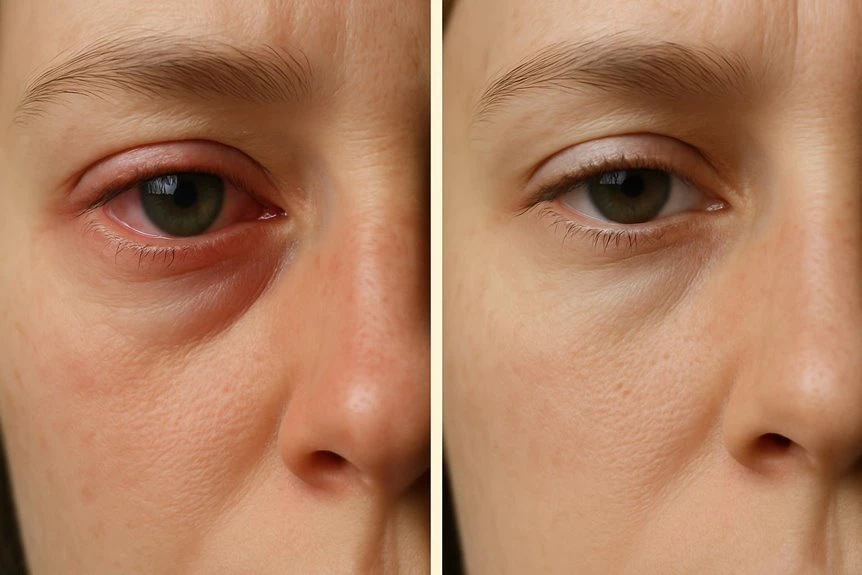
To differentiate between pink eye and chronic dry eyes, it’s essential to focus on symptom onset and discharge characteristics. Pink eye typically presents with a sudden onset, featuring significant redness, watery or mucopurulent discharge, and eyelid crusting. In contrast, chronic dry eye develops gradually and is characterized by persistent gritty or burning sensations, fluctuating vision, and minimal discharge. While both conditions cause eye irritation and redness, a detailed evaluation is crucial for accurate diagnosis and appropriate treatment.
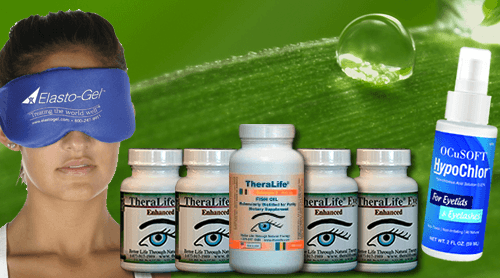
Theralife stands out as the only company providing oral treatment care for eye conditions, offering unique benefits to its customers. Their comprehensive range of products is designed to address various eye health concerns, including chronic dry eyes, blepharitis, and uveitis. With a focus on natural and effective solutions, Theralife’s products help manage symptoms and improve overall eye health. By learning the specific signs, causes, and management strategies offered by Theralife, individuals can better understand and clarify
Best Oral Dry Eyes Treatment That Works .
Add To Cart
their eye conditions for more effective care.
Key Takeaways
- Pink eye usually has a sudden onset with significant redness and discharge, while chronic dry eyes develops gradually with persistent irritation and minimal discharge.
- Both conditions can cause redness and discomfort, but eyelid crusting and thick discharge are more typical of pink eye.
- Chronic dry eyes often worsens with prolonged screen use or reading and features a gritty or burning sensation that persists over time.
- Diagnosis relies on clinical evaluation, including patient history, slit-lamp examination, and sometimes laboratory tests to distinguish infection from tear film dysfunction.
- Seek medical attention if you experience vision changes, severe pain, swelling, or symptoms that don’t improve with basic care.
Pink Eye vs. Chronic Dry Eyes: Key Differences
Although both conditions can cause ocular discomfort and redness, pink eye (conjunctivitis) and chronic dry eyes differ markedly in etiology, symptoms, and management.
If you’re seeking evidence-based eye care, recognizing these distinctions is essential for accurate diagnosis and appropriate treatment options.
Pink eye is often infectious—typically viral or bacterial—while chronic dry eyes results from tear film dysfunction or meibomian gland insufficiency.
Conjunctivitis usually presents acutely, often with mucopurulent discharge and significant conjunctival injection.
In contrast, chronic dry eyes manifests gradually with persistent foreign body sensation and fluctuating visual acuity.
Diagnostic evaluation involves patient history, slit-lamp biomicroscopy, and sometimes laboratory testing.
You’ll find that targeted treatment options range from antimicrobial therapy for pink eye to artificial tears, anti-inflammatories, and punctal plugs for chronic dry eye.
To prevent eye infections, it is crucial to adhere to proper eye hygiene, such as regular handwashing and avoiding contact with infected individuals.
Common Symptoms Both Conditions Share
When evaluating ocular surface disorders, you’ll notice that both pink eye and chronic dry eyes can present with overlapping symptoms, primarily conjunctival redness, irritation, and a gritty or foreign body sensation. These shared manifestations contribute to significant symptom overlap, making initial diagnosis challenging. You might observe that patients with either condition frequently describe burning, discomfort, and photophobia. Tearing can occur in both, further complicating clinical differentiation. Because these complaints are non-specific, relying solely on patient history and subjective reports increases diagnosis challenges. Objective findings, such as the appearance of the conjunctiva and the presence of discharge or lid swelling, must be carefully assessed. Recognizing this overlap is essential, as misdiagnosis can delay appropriate treatment and prolong patient morbidity, underscoring the need for a thorough, systematic approach. In addition, tear film osmolarity serves as a diagnostic biomarker for dry eyes severity and can aid in distinguishing between these conditions.
Unique Signs of Pink Eye
You should note that pink eye often presents with abrupt onset of conjunctival redness, distinguishing it from chronic dry eyes. You’ll typically observe watery or mucous discharge, and many patients report eyelid crusting upon waking. These signs provide key diagnostic clues for acute conjunctivitis. Bacterial conjunctivitis, which is a type of pink eye, features sticky yellow/green discharge and often requires antibiotic treatment.
Sudden Redness Onset
Because conjunctivitis often presents with a rapid onset of redness, this abrupt change distinguishes it from chronic dry eyes, which typically develops more gradually.
If you notice sudden symptoms—especially a quickly spreading redness—it’s a strong indicator of pink eye rather than dry eyes disease.
Clinical evidence shows that pink eye’s hallmark is an acute inflammatory response, usually triggered by infectious or allergic agents.
In contrast, chronic dry eye’s redness is usually mild, waxing and waning over time due to tear film instability and environmental factors.
Key diagnostic clues for sudden redness onset include:
- Noticeable redness appearing within hours
- Recent contact with infected individuals
- Exposure to common redness triggers (allergens, irritants)
- Absence of long-standing ocular discomfort
- No history of persistent dry eye symptoms
A combination of therapies including oral and topical treatments, can be effective for managing ocular rosacea-related symptoms.
Watery Or Mucous Discharge
Some patients notice an increase in watery or mucous discharge, which serves as a classic differentiating feature of conjunctivitis compared to chronic dry eyes. When you assess eye discharge, focus on both quantity and quality; conjunctivitis typically results in significant watery, mucoid, or purulent secretions, depending on whether the etiology is viral, allergic, or bacterial. In contrast, chronic dry eye usually produces minimal, stringy mucus—if any discharge occurs at all. Stringy white mucus may indicate allergic reactions or dermatitis. Symptom comparison is essential: abundant discharge is much more consistent with conjunctivitis, whereas chronic dry eye’s hallmark is a gritty sensation without overt secretion. During clinical evaluation, the presence of visible discharge on the conjunctiva or eyelid margins should prompt consideration of pink eye in your differential diagnosis, guiding further targeted investigations and management.
Crusting Upon Waking
Although several ocular conditions can share overlapping symptoms, significant crusting of the eyelids upon waking is a distinguishing sign more characteristic of conjunctivitis than chronic dry eye.
If you notice this symptom, it’s important to differentiate its cause, as proper management depends on accurate diagnosis. Pink eye (conjunctivitis) often produces mucopurulent discharge, which collects along the lid margins overnight, leading to morning discomfort and difficulty opening your eyes.
Chronic dry eyes typically lacks this degree of lid crusting. Increased crusting can also occur due to blocked tear ducts, which impede the normal drainage process and exacerbate crust formation.
Consider these clinical features:
- Marked eyelid crusting after sleep
- Increased morning discomfort upon attempting to open eyes
- Need for enhanced eyelid hygiene in the morning
- Sticky or glued-shut eyelids upon waking
- Absence of significant crusting in chronic dry eye cases
Prompt recognition guides targeted therapy and infection control.
Unique Signs of Chronic Dry Eyes
Unlike acute conjunctivitis, chronic dry eyes presents with persistent symptoms that typically include a gritty or burning sensation, fluctuating vision, and photophobia.
You’ll often notice that your eyes feel tired, especially after reading or screen use—this eye strain is a hallmark sign. Unlike pink eye, there’s usually no pronounced redness or discharge, but instead, you experience ongoing discomfort linked to inadequate tear film quality or quantity.
Recognizing the causes of dryness, such as meibomian gland dysfunction or reduced tear production, is essential for accurate diagnosis. You may also observe stringy mucus, increased blinking, or difficulty wearing contact lenses.
Chronic dry eye doesn’t resolve quickly and often requires targeted therapy to restore ocular surface stability and relieve your visual symptoms. A comprehensive approach to treatment, including artificial tears and prescription medications, can significantly improve chronic dry eye symptoms.
What Causes Pink Eye and Chronic Dry Eyes?
Chronic dry eye and pink eye originate from distinct underlying mechanisms, which is why their management differs markedly.
Pink eye, or conjunctivitis, commonly results from viral infections, especially adenovirus, but can also stem from bacterial or allergic triggers.
In contrast, chronic dry eyes is primarily due to deficiencies in tear film quantity or quality, often linked to environmental factors and systemic diseases.
Understanding etiological differences will help you recognize and differentiate these conditions.
Common causes include:
- Viral infections (predominant in pink eye)
- Bacterial pathogens (less common, but significant in conjunctivitis)
- Allergic responses (environmental allergens affecting both conditions)
- Environmental factors (low humidity, wind, air conditioning worsening dry eye)
- Meibomian gland dysfunction (critical in chronic dry eye pathogenesis)
Recognizing these causes is essential for precise diagnosis and effective treatment strategies. A comprehensive dilated eye exam is crucial in assessing symptoms and identifying the root cause of chronic dry eye.
When Should You See a Doctor About Eye Symptoms?
If you notice persistent redness or ocular pain, it’s important to seek medical evaluation. Sudden vision changes or the presence of unusual discharge may indicate a more serious underlying condition. Early diagnosis can prevent complications and guide appropriate treatment. If eyelid swelling is accompanied by symptoms like fever or visual disturbances, it could be a sign of a condition that requires immediate medical attention.
Persistent Redness or Pain
Although mild eye irritation often resolves on its own, persistent redness or pain may indicate a more serious underlying condition that requires prompt medical evaluation.
If you’re experiencing ongoing eye discomfort or persistent irritation, don’t ignore these symptoms, as they can signal chronic dry eye, infectious conjunctivitis (pink eye), or even more severe pathologies such as uveitis or scleritis.
Timely assessment is essential for identifying the correct diagnosis and initiating effective treatment. You should seek medical attention if you notice any of the following:
- Redness lasting more than a few days
- Persistent or worsening pain
- Increased sensitivity to light (photophobia)
- Thick or unusual eye discharge
- Swelling or tenderness around the eye
Dry Eye Syndrome (DES) impairs meibomian gland functionality, which can lead to chalazion formation and further ocular complications.
Early intervention minimizes complications and helps preserve ocular health. Don’t delay evaluation if symptoms persist.
Vision Changes Noted
Beyond persistent redness or pain, any new vision changes demand immediate attention.
If you notice vision fluctuations, blurriness, or sudden loss of visual acuity, these symptoms may signal more than simple conjunctivitis or dry eye. Eye strain, often reported with chronic dry eye, can also indicate underlying refractive errors or ocular surface disease.
Pink eye typically doesn’t cause significant vision changes, so if your symptoms include difficulty focusing, halos, or increased sensitivity to light, you should see an ophthalmologist promptly.
Early intervention is critical for preventing complications such as corneal involvement or permanent vision loss. When you experience any alteration in your usual vision pattern—especially if it’s persistent or progressing—prioritize a professional evaluation to distinguish between benign and potentially serious ocular conditions.
Unusual Discharge Present
Ocular discharge often distinguishes between common pink eye and chronic dry eyes, guiding clinical evaluation. If you notice unusual discharge, examining its characteristics is essential for diagnosis.
Pink eye (conjunctivitis) frequently produces watery, mucous, or purulent discharge—each type suggesting different underlying pathogens or causes. Chronic dry eye rarely generates significant discharge but may cause stringy mucus.
Recognizing the discharge types helps pinpoint the condition and direct your treatment options. You should consult an ophthalmologist if you experience:
- Thick, yellow or green discharge indicating potential bacterial conjunctivitis
- Persistent watery discharge unresponsive to lubricating drops
- Discharge accompanied by pain or vision changes
- Crusting on eyelids, especially upon awakening
- Recurring or worsening symptoms despite initial treatment
Prompt evaluation guarantees accurate diagnosis and appropriate therapy.
Best Treatments for Pink Eye and Chronic Dry Eyes
When distinguishing between pink eye (conjunctivitis) and chronic dry eye, it’s essential to initiate evidence-based treatments tailored to the underlying etiology.
For viral conjunctivitis, focus on supportive care such as cold compresses and meticulous eye hygiene to prevent transmission.
Bacterial conjunctivitis warrants topical antibiotics.
Allergic conjunctivitis responds to antihistamine or mast cell stabilizer drops.
Implementing home remedies—like using preservative-free artificial tears—can alleviate symptoms but should never substitute for clinical intervention in severe cases.
Chronic dry eye management often centers on artificial tears, punctal plugs, or topical cyclosporine to reduce inflammation and enhance tear production.
Make sure you avoid environmental triggers and follow strict eye hygiene to minimize secondary infections.
Accurate diagnosis guides intervention, so seek ophthalmologic consultation if symptoms persist or worsen.
How to Prevent Pink Eye and Manage Dry Eyes
Although both pink eye and chronic dry eyes share overlapping symptoms, targeted prevention strategies differ based on pathogenesis. For pink eye, prevention tips focus on mitigating infectious transmission, while chronic dry eye requires management strategies addressing tear film instability and ocular surface inflammation.
You should implement evidence-based interventions to reduce your risk and optimize ocular health.
- Practice rigorous hand hygiene to prevent viral or bacterial conjunctivitis.
- Avoid touching or rubbing your eyes, especially in communal settings.
- Disinfect contact lenses and follow proper lens care protocols to reduce pathogen exposure.
- Utilize preservative-free artificial tears to maintain tear film integrity in chronic dry eye.
- Limit exposure to environmental irritants, such as smoke or wind, to minimize ocular surface stress.
Adhering to these strategies enhances symptom control and prevents recurrence.
Best Oral Dry Eyes Treatment That Works .
Add To Cart
Frequently Asked Questions
Can Allergies Cause Both Pink Eye and Chronic Dry Eyes?
Yes, allergies can cause both pink eye and chronic dry eyes. When you’re exposed to allergy triggers like pollen or pet dander, your immune system responds, resulting in eye symptoms such as redness, itching, and tearing.
Allergic conjunctivitis presents acutely, resembling pink eye, while chronic exposure can disrupt tear film stability, leading to chronic dry eye.
It’s important to accurately diagnose the underlying cause so you can receive targeted, effective treatment.
Are Pink Eye or Dry Eyes Contagious to Pets?
Did you know that up to 80% of infectious conjunctivitis cases in humans are viral or bacterial in origin?
While pink eye (infectious conjunctivitis) can sometimes pose a risk of cross-species pet eye infections, chronic dry eye isn’t contagious to pets.
To minimize risk, practice strict hygiene and avoid direct eye contact with your animal.
For ideal eye care tips, regularly wash your hands, disinfect surfaces, and consult a veterinarian if your pet shows symptoms.
Can Wearing Contact Lenses Worsen Either Condition?
Wearing contact lenses can exacerbate both pink eye and chronic dry eye. Poor contact lens hygiene increases your risk of conjunctivitis by facilitating pathogen transmission.
Contact lenses also reduce tear film stability, worsening dry eye symptoms. To minimize complications, follow strict eye care tips: use sterile solutions, replace lenses as recommended, and avoid wearing lenses during active infection or severe dryness.
Early diagnostic assessment helps tailor management and prevent further ocular surface damage.
Will Over-The-Counter Eye Drops Mask Symptoms of Both?
Yes, over-the-counter eye drops can temporarily provide symptom relief but may mask underlying symptoms, complicating accurate diagnosis.
When you use lubricating drops, you might notice reduced redness or irritation, but these products don’t address the root cause and may delay appropriate treatment.
For ideal eye health, it’s important to consult an eye care professional for a thorough evaluation, especially if symptoms persist, to guarantee correct identification and management of underlying ocular conditions.
How Do Seasonal Changes Affect Pink Eye and Dry Eyes?
Seasonal changes can exacerbate both conditions due to increased exposure to environmental factors.
If you have seasonal allergies, pollen and airborne irritants may trigger conjunctival inflammation, mimicking or worsening pink eye symptoms.
Dry eye often intensifies in low-humidity environments, common during winter or in air-conditioned spaces.
Clinically, distinguishing between allergic conjunctivitis and dry eyes is essential, as management strategies differ.
Careful diagnostic evaluation helps guarantee you receive appropriate, evidence-based treatment.
Best Oral Dry Eyes Treatment That Works .
Add To Cart
Conclusion
When dealing with symptoms like redness, irritation, or discharge, it’s crucial to differentiate between pink eye and chronic dry eyes. If you find yourself with crusted eyelashes and sudden redness, these are likely signs of infectious conjunctivitis rather than dry eye. To ensure accurate diagnosis and effective treatment, consider TheraLife’s unique approach. TheraLife is the only company offering oral eye treatment, providing a comprehensive solution to eye discomfort. Whether it’s addressing pink eye or chronic dry eye, their products aim to enhance your vision and comfort. Avoid self-diagnosis; by consulting an eye care professional and exploring TheraLife’s offerings, you can receive the right care and prevent complications, ensuring timely intervention for optimal eye health.