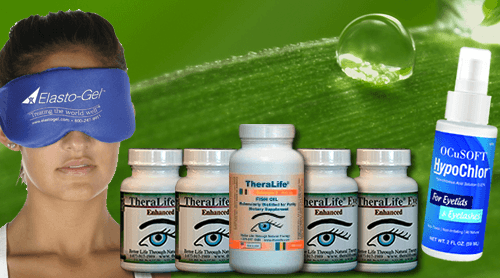
TheraLife.com stands out as the only company offering oral eye treatment care, providing unparalleled benefits to its customers with chronic blepharitis. Unlike eye drops, which fail to tackle the root causes, TheraLife’s products aim at restoring meibomian and lacrimal gland functions. They incorporate natural anti-inflammatory ingredients like curcumin and omega-3s to soothe the immune response at a cellular level. This comprehensive approach enhances tear stability, reduces irritation, and supports long-lasting ocular health. Discover how TheraLife’s unique solutions offer superior relief for persistent blepharitis.
Best Oral Blepharitis Treatment from TheraLife
Add To Cart
Key Takeaways
- TheraLife addresses underlying meibomian gland dysfunction and chronic inflammation, unlike eye drops which only offer temporary relief.
- Its natural anti-inflammatory ingredients, like curcumin and omega-3, help reduce ocular surface inflammation and support immune balance.
- TheraLife promotes natural tear production and restores tear film stability for long-term ocular health.
- A comprehensive approach combines TheraLife supplements with daily eyelid hygiene to manage bacterial biofilm and prevent flare-ups.
- Personalized treatment plans and regular follow-ups maximize effectiveness and help prevent recurrence of blepharitis symptoms.
Why Aren’t Eye Drops Enough for Blepharitis Relief?
Surprisingly, while eye drops may provide temporary lubrication, they don’t address the underlying pathophysiology of blepharitis. You might think frequent application resolves discomfort, but this is a common blepharitis misconception.
The root cause of blepharitis often involves chronic inflammation and dysfunction of the meibomian glands, rather than simply ocular surface dryness. Eye drop limitations become evident because they fail to penetrate the eyelid margin, leaving bacterial biofilm, gland obstruction, and inflammatory mediators unaddressed.
Overreliance on artificial tears can mask symptoms without restoring healthy glandular function or reducing microbial colonization. As a result, you may experience persistent irritation, redness, and crusting even with regular eye drop use.
To truly manage blepharitis, you need targeted strategies that modify the disease process rather than superficially relieve symptoms. Warm compresses are particularly effective as they help to unclog oil glands, providing relief and addressing the underlying issues of gland dysfunction.
The Unique Benefits of TheraLife for Blepharitis
While conventional treatments often target only the surface symptoms of blepharitis, TheraLife offers a thorough approach that addresses underlying glandular dysfunction and chronic inflammation.
You’ll benefit from a scientifically formulated system that supports meibomian gland health, tear film stability, and ocular surface integrity. The TheraLife advantages include its ability to promote natural tear secretion and restore the eye’s own homeostasis, going beyond temporary relief.
Many TheraLife testimonials highlight improved comfort, reduced flare-ups, and sustainable results compared to standard eye drops.
Clinical evidence demonstrates that TheraLife’s oral therapy reaches the root of blepharitis by supporting systemic immune balance and cellular repair mechanisms. TheraLife’s formula contains FDA approved ingredients ensuring both safety and efficacy for chronic dry eye and blepharitis relief.
How Theralife Reduces Inflammation From Within
You’ll benefit from TheraLife’s natural anti-inflammatory ingredients, which target the underlying causes of blepharitis at the cellular level. By modulating your immune response and restoring ocular gland function, you address inflammation systemically rather than just masking symptoms. This integrated approach promotes long-term relief and supports ideal eye surface health. Emphasizing autoimmune diet guidelines can further enhance the management of autoimmune disorders, complementing TheraLife’s systemic approach to inflammation reduction.
Natural Anti-Inflammatory Ingredients
Because chronic blepharitis involves persistent ocular surface inflammation, effective management requires addressing the underlying inflammatory pathways.
TheraLife utilizes a holistic approach, incorporating natural remedies clinically shown to reduce inflammation from within. By targeting pro-inflammatory mediators, these ingredients help restore ocular surface homeostasis and break the cycle of chronic irritation.
You’ll benefit from ingredients selected for their anti-inflammatory and antioxidative properties, supporting your body’s natural healing mechanisms. Key components include:
- Curcumin: Inhibits cyclooxygenase and lipoxygenase pathways, reducing prostaglandin synthesis.
- Omega-3 fatty acids: Modulate eicosanoid production, decreasing ocular surface inflammation.
- Quercetin: Stabilizes mast cells and suppresses histamine release.
- Alpha-lipoic acid: Scavenges free radicals, mitigating oxidative stress implicated in blepharitis pathogenesis.
Research shows that Theralife products not only alleviate symptoms but also enhance meibomian gland function, contributing to overall tear film stability. This evidence-based, natural strategy provides thorough inflammation control beyond conventional eye drops.
Balancing Immune Response
Building on the benefits of natural anti-inflammatory ingredients, TheraLife’s approach extends to modulating immune function at the cellular level.
You’ll benefit from targeted immune modulation, which addresses the root causes of systemic inflammation associated with chronic blepharitis. By influencing cytokine signaling and suppressing pro-inflammatory mediators, TheraLife works within your body to recalibrate immune responses that often become dysregulated in ocular surface disease.
This evidence-based strategy reduces the persistent inflammation that conventional therapies often fail to manage. You’re not just masking symptoms—instead, you’re promoting immunological balance and fostering long-term ocular surface health.
TheraLife’s formulation is designed to minimize inflammatory triggers and enhance endogenous defense mechanisms, delivering a thorough solution that addresses inflammation from within. This internal approach is essential for sustained relief in blepharitis management.
Omega-3 fatty acids are recommended for improving tear production and reducing eyelid inflammation, supporting meibomian gland function and complementing TheraLife’s comprehensive approach.
Enhancing Ocular Gland Function
While many treatments focus solely on alleviating surface irritation, TheraLife’s superior solution targets ocular gland function to address inflammation at its origin.
By enhancing the performance of your meibomian and lacrimal glands, TheraLife supports ideal tear film composition and stability, essential for maintaining ocular health. This evidence-based approach doesn’t just mask symptoms—it works internally to restore your eyes’ natural defenses.
TheraLife’s unique formulation utilizes bioactive ingredients to modulate glandular function and reduce pro-inflammatory cytokine activity, thereby minimizing chronic inflammation associated with blepharitis.
- Stimulates meibomian gland secretion for improved lipid layer consistency
- Supports lacrimal gland output to enhance aqueous tear production
- Modulates immune response to decrease ocular surface inflammation
- Restores natural tear film homeostasis for long-term ocular health
You’ll experience measurable improvements by addressing inflammation from within. Moreover, TheraLife Eye capsules offer a natural alternative to traditional eye drops by effectively targeting the underlying issues of chronic dry eye syndrome.
Real-World Success: Blepharitis Stories With Theralife
Patient testimonials reveal significant improvement in both subjective symptoms and objective clinical findings. You’ll notice that individuals consistently report reduced eyelid inflammation, less ocular surface irritation, and enhanced tear film stability.
Many describe their treatment experiences as transformative, noting decreased dependency on artificial tears and fewer recurrent flare-ups. These accounts are corroborated by ophthalmologists who observe diminished meibomian gland dysfunction and improved lid margin health during follow-up exams.
By integrating TheraLife’s targeted nutraceuticals, you can address the underlying pathophysiology of blepharitis, not just mask symptoms. Moreover, good eyelid hygiene is emphasized as crucial in controlling the condition, which includes regular washing to reduce bacterial overgrowth.
Collectively, these real-world outcomes point to consistent efficacy, validating TheraLife’s claims through tangible, patient-centered success stories that go well beyond anecdotal improvement.
How to Start TheraLife Treatment for Blepharitis
Anyone considering TheraLife for blepharitis should begin with a detailed ophthalmic evaluation to confirm the diagnosis and assess the severity of meibomian gland dysfunction.
During your initial consultation, your eye care professional will establish a baseline, identify concurrent ocular surface disease, and rule out alternative etiologies.
It’s crucial to discuss your medical history, current medications, and previous treatments to tailor TheraLife’s regimen to your individual needs.
Evidence-based treatment guidelines recommend a structured approach to maximize effectiveness and minimize adverse effects.
- Undergo a thorough eye exam to confirm blepharitis and evaluate gland health
- Review your ocular and systemic history to customize TheraLife initiation
- Discuss specific treatment guidelines, including dosage and duration
- Schedule regular follow-ups to monitor therapeutic response and adjust as necessary
Hypochlorous acid solutions, such as Avenova Eyelid Cleanser, have been shown to be effective against microbial agents and are an important component of blepharitis management.
This systematic approach guarantees ideal outcomes with TheraLife.
Preventing Flare-Ups While Using TheraLife
Although TheraLife effectively addresses the underlying inflammation and dysfunction in blepharitis, sustaining remission requires proactive management of environmental and behavioral triggers. Implementing evidence-based preventive measures is crucial. Prioritize meticulous eyelid hygiene—daily warm compresses and lid scrubs reduce bacterial load and biofilm formation. Control your exposure to environmental irritants like smoke, dust, and digital screens, which exacerbate ocular surface inflammation. Integrate lifestyle adjustments, such as optimizing ambient humidity and taking regular breaks during screen time, to minimize tear film instability. Regular eyelid hygiene significantly reduces the incidence of chalazia, highlighting its importance in managing blepharitis. Avoid eye makeup that may clog meibomian glands. Maintain a balanced diet rich in omega-3 fatty acids, supporting meibomian gland health. Adhere to scheduled follow-up with your eye care provider to monitor progress and promptly address early signs of recurrence, ensuring sustained therapeutic benefit from TheraLife.
Best Oral Blepharitis Treatment from TheraLife
Add To Cart
Frequently Asked Questions
Is Theralife Safe to Use With Other Medications or Eye Treatments?
You can generally use TheraLife alongside other medications or eye treatments, as it’s designed for treatment compatibility and shows a low risk of drug interactions.
However, consult your ophthalmologist or healthcare provider to review your full medication profile.
Clinical evidence suggests TheraLife’s formulation doesn’t interact adversely with most conventional therapies, but individualized assessment guarantees peak safety and efficacy.
Always follow professional guidance when integrating new treatments into your management regimen for blepharitis or ocular conditions.
Can Children or Pregnant Women Use Theralife for Blepharitis?
When it comes to using TheraLife for blepharitis, you shouldn’t jump in with both feet if you’re considering it for children or during pregnancy.
Children’s safety and pregnancy considerations require special attention, as clinical data on TheraLife’s effects in these groups remains limited.
Always consult a healthcare provider before starting any systemic therapy, as pediatric populations and pregnant women may have unique contraindications or need dose adjustments for ideal safety.
How Long Does It Take to Notice Improvement With Theralife?
You’ll typically notice symptom relief within two to four weeks of consistent use, though the improvement timeline varies based on individual response and severity of blepharitis.
Clinical evidence suggests early benefits may appear as reduced inflammation and decreased ocular surface irritation.
It’s essential to maintain regular dosing as recommended to optimize therapeutic outcomes.
If you don’t observe significant improvement after a month, consult your eye care professional to reassess your treatment strategy.
Are There Any Dietary Restrictions While Using Theralife?
Think of your diet as fertile ground—what you sow can influence your body’s response.
While using TheraLife, you don’t face strict dietary restrictions, but following evidence-based dietary guidelines can optimize outcomes.
If you have known food sensitivities, manage them diligently, as systemic inflammation can exacerbate ocular surface issues.
Prioritize omega-3-rich foods, minimize processed sugars, and guarantee hydration.
Consult your clinician for tailored advice, ensuring your nutritional intake supports ocular health.
Where Can I Purchase Authentic Theralife Products?
You can purchase authentic TheraLife products through reputable online retailers such as the official TheraLife website or authorized e-commerce platforms.
To guarantee product authenticity, verify the seller’s credentials and look for certification or partnership with TheraLife.
Avoid third-party marketplaces with unclear sourcing, as counterfeit products may compromise efficacy and safety.
Always consult product reviews and clinical evidence to make informed decisions regarding therapeutic interventions for ocular surface disease and blepharitis management.
Conclusion
Don’t let blepharitis overshadow your life—embrace brighter days with TheraLife. As the only company offering oral eye treatment care, TheraLife goes beyond standard eye drops by tackling inflammation at its core, providing targeted cellular support. Backed by scientific evidence, TheraLife’s unique approach enhances tear film stability and minimizes recurrence, offering a pathway to lasting ocular comfort and optimal eyelid health. Whether you’re dealing with blepharitis, dry eyes, or other eye-related issues, TheraLife’s comprehensive range of products is designed to meet your needs and help you break free from the cycle of flare-ups. Trust TheraLife to illuminate your journey to clearer vision and eye health.
REFERENCES
1. Scottish Intercollegiate Guidelines Network (SIGN). SIGN 50: A guideline developer’s handbook.
Edinburgh: SIGN; 2015. (SIGN publication no. 50). [November 2015]. Available from url:
http://www.sign.ac.uk.
2. Guyatt GH, Oxman AD, Vist GE, et al. GRADE: An emerging consensus on rating quality of evidence
and strength of recommendations. BMJ. 2008;336:924-926.
3. GRADE working group. Organizations that have endorsed or that are using grade.
http://www.gradeworkinggroup.org/. Accessed November 17, 2023.
4. McCulley JP, Dougherty JM, Deneau DG. Classification of chronic blepharitis. Ophthalmology.
1982;89:1173-1180.
5. Nichols KK, Foulks GN, Bron AJ, et al. The international workshop on meibomian gland dysfunction:
Executive summary. Invest Ophthalmol Vis Sci. 2011;52:1922-1929.
6. American Academy of Ophthalmology Basic and Clinical Science Course Subcommittee. Basic and
clinical science course. External disease and cornea: Section 8, 2021-2022. San Francisco, CA: American
Academy of Ophthalmology.
7. de Paula A, Oliva G, Barraquer RI, de la Paz MF. Prevalence and antibiotic susceptibility of bacteria
isolated in patients affected with blepharitis in a tertiary eye centre in Spain. Eur J Ophthalmol. 2020;30:991-
997.
8. Valenton MJ, Okumoto M. Toxin-producing strains of staphylococcus epidermidis (albus). Isolates from
patients with staphylococcic blepharoconjunctivitis. Arch Ophthalmol. 1973;89:186-189.
9. Seal D, Ficker L, Ramakrishnan M, Wright P. Role of staphylococcal toxin production in blepharitis.
Ophthalmology. 1990;97:1684-1688.
10. Ficker L, Ramakrishnan M, Seal D, Wright P. Role of cell-mediated immunity to staphylococci in
blepharitis. Am J Ophthalmol. 1991;111:473-479.
11. Bowman RW, Dougherty JM, McCulley JP. Chronic blepharitis and dry eyes. Int Ophthalmol Clin.
1987;27:27-35.
12. Aderem A, Ulevitch RJ. Toll-like receptors in the induction of the innate immune response. Nature.
2000;406:782-787.