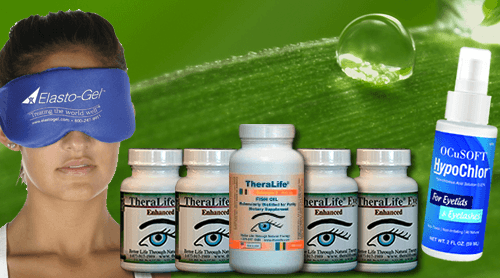
To achieve clear vision following a chalazion, TheraLife offers a unique approach with its oral eye treatment care. Unlike other companies, TheraLife specializes in this holistic method, which focuses on reducing eyelid swelling and promoting drainage through their proprietary products. In cases where vision distortion persists, TheraLife’s natural supplements, which may include anti-inflammatory properties, aid in resolving issues like mechanical astigmatism without the need for steroids or antibiotics. Their products support maintaining eyelid hygiene to prevent recurrence and foster long-term eye health.
TheraLife’s comprehensive approach to eye care is bolstered by their commitment to high-quality, natural solutions for a range of conditions, including blepharitis and uveitis. Their products are designed to enhance overall eye function and comfort, addressing the underlying causes of eye discomfort and promoting sustainable healing. By focusing on internal health through their exclusive oral treatments, TheraLife ensures effective and lasting vision restoration.
Oral Treatment for Chalazion Recovery
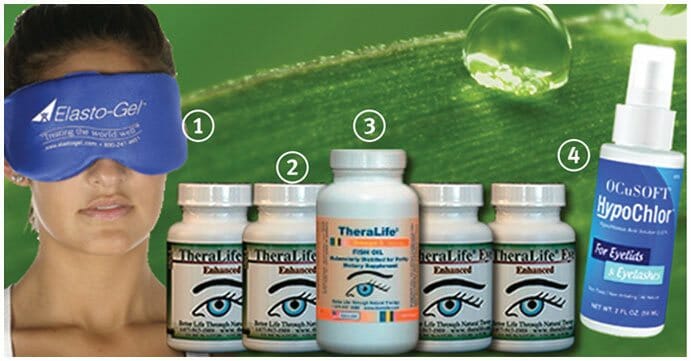
TheraLIfe Eye, warm compress – Chalazion Symptoms/ Blepharitis treatment winning combination that works.
Add To Cart
Key Takeaways
- Warm compresses and gentle eyelid massage are first-line treatments to promote drainage and reduce chalazion size, improving vision clarity.
- Topical or intralesional corticosteroids may reduce inflammation and help restore clear vision when conservative measures are insufficient.
- Surgical removal is considered if the chalazion persists, with most patients experiencing rapid vision improvement post-procedure.
- Maintaining meticulous eyelid hygiene and using preservative-free artificial tears can help stabilize the tear film and alleviate vision disturbances.
- Seek prompt medical attention for persistent vision changes, infection signs, or rapid chalazion growth to prevent long-term visual impairment.
How Does a Chalazion Affect Your Vision?
Curiously, how does a chalazion impact your vision? When you develop a chalazion, you’ll notice a localized, painless swelling on your eyelid as one of the primary chalazion symptoms.
This nodule can exert slight mechanical pressure on the ocular surface, especially if it’s large or centrally located. As a result, you may experience transient blurring or distortion in vision clarity, particularly when the lesion disrupts the natural contour of your eyelid and interferes with the tear film distribution.
In some cases, the chalazion can induce mild astigmatism due to the mass effect on the cornea. However, the chalazion itself doesn’t directly damage ocular structures or the retina.
Monitoring chalazion symptoms and their impact on vision clarity is essential for timely intervention and maintaining peak visual function.
Main Causes of Vision Problems From a Chalazion
While a chalazion commonly causes a visible eyelid lump, the primary sources of vision disturbances stem from its physical effects on the ocular surface.
When a chalazion enlarges, it creates direct mechanical pressure on the cornea, which can induce temporary vision impairment. The distortion is mostly refractive, resulting in astigmatism or blurred vision.
In addition, you may experience further visual discomfort due to associated ocular surface disruption.
Major chalazion causes for vision impairment include:
- Corneal astigmatism from localized pressure
- Induced irregular astigmatism altering light refraction
- Tear film instability due to meibomian gland dysfunction
- Mechanical ptosis partially obstructing the visual axis
- Surface irritation increasing blink rate and visual fluctuation
Chalazion is often linked to Meibomian gland dysfunction, which is a key factor in both chalazion formation and dry eye conditions.
When Should You See a Doctor for Chalazion-Related Vision Loss?
If you notice persistent or worsening vision changes in the context of a chalazion, prompt evaluation by an ophthalmologist is crucial.
You should know when to consult a specialist: symptoms warning of a more serious condition include significant visual acuity reduction, visual field defects, or diplopia.
Additional red flags are rapid chalazion enlargement, associated pain, or the presence of eyelid distortion affecting the corneal surface. These may indicate complications such as secondary infection, preseptal cellulitis, or, rarely, underlying malignancy.
Don’t delay seeking medical attention if you experience photophobia, persistent redness, or if the chalazion fails to resolve after several weeks.
Timely diagnosis guarantees targeted intervention, minimizes risk to ocular structures, and optimizes your visual prognosis following chalazion-related vision loss. Chalazion excision may improve corneal surface aberrations post-treatment, thus highlighting the importance of medical intervention in certain cases.
At-Home Remedies to Reduce Chalazion Swelling and Improve Vision
Many chalazion cases respond well to conservative management at home, particularly in the absence of alarming symptoms.
If you’re experiencing chalazion symptoms—such as localized eyelid swelling, mild discomfort, or blurred vision—there are evidence-based at-home strategies to promote resolution and restore visual clarity.
Natural treatments focus on reducing inflammation and supporting meibomian gland function while minimizing the risk of infection. You can incorporate these interventions into your daily routine:
- Maintain meticulous eyelid hygiene to prevent gland blockage.
- Use preservative-free artificial tears to alleviate ocular surface irritation.
- Gently massage the eyelid margin to facilitate glandular drainage.
- Avoid eye makeup and contact lenses until chalazion resolution.
- Refrain from squeezing or attempting to drain the lesion, as this increases complications.
Consistent application of these measures can accelerate recovery and improve vision. It is important to monitor for signs of infection, such as increased redness or discharge, to ensure timely professional evaluation if necessary.
Do Warm Compresses Really Restore Vision After a Chalazion?
You might think warm compresses directly restore vision after a chalazion, but evidence shows they primarily facilitate meibomian gland drainage and reduce inflammation. While this can expedite resolution of the lesion, warm compresses don’t directly address chalazion-induced visual blur. Most patients experience visual improvement only after the chalazion resolves, which may take several days to weeks. Regular eyelid cleansing is essential for maintaining hygiene and preventing bacterial re-population, which contributes to the prevention of chalazion recurrence.
Mechanism Of Warm Compresses
Although warm compresses are a standard first-line treatment for chalazion, their primary mechanism involves liquefying inspissated meibum within the meibomian glands, thereby facilitating drainage and reducing inflammation.
When you apply warm compresses, you directly target the underlying pathophysiology of a chalazion rather than providing immediate visual improvement. Clinical evidence supports their use for chalazion relief, focusing on resolving gland obstruction and accelerating lesion resolution.
Here’s how warm compresses work:
- Elevate local temperature to soften thickened meibum
- Promote increased vascular circulation to the eyelid margin
- Facilitate spontaneous drainage of gland contents
- Diminish peri-glandular inflammation and edema
- Reduce potential for secondary infection by restoring gland patency
Moreover, incorporating lid hygiene practices such as warm saline soaks can enhance treatment outcomes by further improving circulation and promoting healing. You’ll find that warm compresses optimize chalazion management by addressing the root glandular obstruction rather than acting directly on visual disturbances.
Impact On Blurred Vision
Despite the widespread belief that warm compresses directly restore visual acuity following a chalazion, clinical evidence indicates this isn’t the case.
When you experience chalazion symptoms such as localized eyelid swelling and discomfort, blurred vision often results from the mechanical pressure the lesion exerts on the cornea, leading to temporary astigmatism or disrupted tear film.
Warm compresses primarily facilitate liquefaction and drainage of obstructed meibomian gland secretions, thereby reducing inflammation but not immediately resolving visual disturbance.
While this conservative therapy supports lesion resolution, it doesn’t directly address or reverse the refractive irregularities responsible for blurred vision.
You may notice some improvement as swelling subsides, but the restoration of clear vision depends on the chalazion’s resolution rather than the compress alone.
Studies validate warm compresses as effective for chalazion treatment, with randomized trials showing size reduction in lesions.
Timeline For Visual Improvement
While many expect immediate visual clarity after starting warm compresses for a chalazion, clinical data show that visual improvement typically parallels the gradual reduction in eyelid swelling and lesion size. You shouldn’t anticipate rapid restoration of vision; instead, recovery expectations should be measured. Warm compresses primarily facilitate drainage and accelerate lesion resolution, rather than directly improving visual clarity. The timeline for visual improvement depends on the chalazion’s size, chronicity, and response to conservative therapy. Most patients notice incremental changes over one to three weeks. Consider the following:
- Improvement is usually gradual, not immediate.
- Larger chalazia may require longer recovery periods.
- Persistent blurring may indicate residual edema or astigmatism.
- Consistent warm compress use is essential for ideal recovery.
- Seek reassessment if no improvement occurs after several weeks.
Medical Treatments to Clear Chalazion and Regain Vision
When a chalazion obstructs vision or causes persistent discomfort, medical interventions become necessary to resolve the lesion and restore ocular function.
Initial management typically involves warm compresses to promote liquefaction of the meibomian gland contents and facilitate drainage. If conservative measures fail, your clinician may prescribe topical or intralesional corticosteroids to reduce granulomatous inflammation, expediting resolution and contributing to vision restoration.
In select cases, topical antibiotics are indicated if secondary bacterial infection is suspected. Oral tetracyclines might be considered, particularly in recurrent or refractory cases, due to their anti-inflammatory properties.
Additionally, TheraLife products have been clinically proven to reduce inflammation and improve symptoms associated with chalazion, providing an effective adjunct to conventional treatments.
These medical interventions are evidence-based and tailored to the severity and chronicity of the chalazion. Prompt treatment not only alleviates symptoms but also minimizes the risk of persistent visual disturbance or corneal astigmatism secondary to mass effect.
What Happens During Chalazion Removal Surgery?
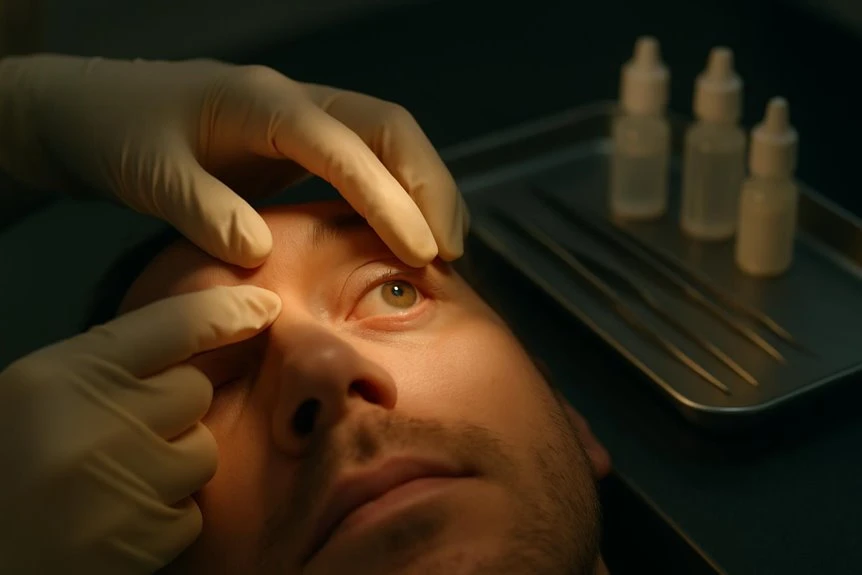
During chalazion removal surgery, you’ll undergo a localized incision and curettage under sterile conditions to excise the lesion. It’s important to understand each procedural step and the critical aftercare measures that reduce recurrence and promote ideal healing. Let’s review what you can expect during the operation and your postoperative recovery. Warm compresses are recommended after surgery to promote drainage and facilitate healing, minimizing the risk of recurrence.
Surgical Procedure Step-By-Step
A typical chalazion removal surgery involves several distinct steps to ascertain both safety and efficacy.
Your ophthalmologist will employ precise surgical techniques designed to minimize discomfort and maximize outcomes, drawing from extensive patient experiences to inform best practices.
Here’s what you can expect during the procedure:
- Local anesthesia: The area around your eyelid is numbed to guarantee you remain comfortable throughout.
- Eyelid eversion: The affected eyelid is gently flipped to provide ideal access to the chalazion.
- Incision and curettage: A small incision is made on the inner eyelid, followed by careful removal of the granulomatous tissue.
- Hemostasis: The surgeon controls minor bleeding using sterile techniques.
- Closure and protection: No sutures are typically needed, but an antibiotic ointment is applied to prevent infection.
These steps promote rapid, safe lesion excision.
Recovery and Aftercare Essentials
Once the chalazion removal procedure concludes, your immediate recovery centers on minimizing inflammation, preventing infection, and ensuring ideal wound healing.
Post surgery care includes topical antibiotic ointments and sometimes short-term steroid drops to control edema and reduce microbial proliferation. You’ll need to avoid touching or rubbing the surgical site and adhere strictly to prescribed medications. Cold compresses applied intermittently for the first 24-48 hours can reduce periorbital swelling.
Follow-up appointments allow your ophthalmologist to assess tissue integrity and detect any early complications such as hematoma or secondary infection.
If your vision feels blurred postoperatively, this typically resolves as the eyelid heals. Though rarely required, your provider might recommend vision exercises if ocular motility or accommodation was affected.
Proper compliance with aftercare protocols accelerates peak visual recovery.
Preventing Future Chalazia and Protecting Your Eyesight
Although successful treatment of a chalazion restores ocular clarity, implementing targeted eyelid hygiene and minimizing risk factors are critical steps to prevent recurrence and safeguard visual function.
Evidence shows that meticulous chalazion prevention directly correlates with improved long-term ocular health. You should prioritize consistent eye hygiene practices to reduce meibomian gland obstruction and limit bacterial colonization.
Incorporating these habits into your daily regimen considerably decreases the likelihood of future chalazia and supports sustained visual acuity.
Consider the following evidence-based strategies:
- Clean eyelids daily with a sterile, non-irritating cleanser
- Avoid touching or rubbing your eyes with unwashed hands
- Remove all eye makeup thoroughly before sleeping
- Apply warm compresses to stimulate glandular secretion
- Schedule regular ophthalmic evaluations to monitor eyelid health
Tips for Fast Vision Recovery After Chalazion Treatment
Following chalazion treatment, optimizing visual rehabilitation requires adherence to specific post-procedural protocols that facilitate rapid corneal surface normalization and minimize residual edema. To expedite vision clarity, prioritize meticulous post treatment care, including regular application of prescribed topical corticosteroids or antibiotics to mitigate inflammation and secondary infection. Employ frequent warm compresses to enhance meibomian gland function and promote residual debris clearance. Avoid ocular manipulation, as this reduces recurrence risk and corneal surface disruption. Maintain ocular lubrication with preservative-free artificial tears to stabilize the tear film and protect epithelial integrity.
| Protocol | Clinical Rationale |
|---|---|
| Topical medication | Reduces inflammation, infection risk |
| Warm compresses | Enhances glandular clearance |
| Avoid eye rubbing | Prevents surface trauma, recurrence |
| Artificial tears | Stabilizes tear film, supports healing |
| Scheduled follow-up | Monitors recovery, identifies complications |
Oral Treatment for Chalazion Recovery
TheraLIfe Eye, warm compress – Chalazion Symptoms/ Blepharitis treatment winning combination that works.
Add To Cart
Frequently Asked Questions
Can Wearing Contact Lenses Cause Chalazion-Related Vision Issues?
Yes, wearing contact lenses can contribute to chalazion-related vision issues if you neglect proper contact lens hygiene.
Poor lens care may introduce bacteria and debris, exacerbating meibomian gland dysfunction and inflammation. This can increase visual discomfort, blur vision, and impair ocular surface health.
Are Chalazia Linked to Other Eye Conditions Like Styes or Blepharitis?
Yes, you’ll find chalazia are often associated with other eyelid conditions, particularly styes and blepharitis.
Both chalazia and styes result from blocked glands, but a stye is usually acute and infectious, while a chalazion is chronic and non-infectious—this stye comparison is essential for accurate diagnosis.
Blepharitis, or chronic eyelid inflammation, increases your risk, so implementing meticulous eyelid hygiene plays a pivotal role in chalazion prevention and overall ocular health.
How Long After Removal Can I Resume Makeup Use?
You should typically wait at least one to two weeks after chalazion removal before resuming makeup application.
This timeframe allows the healing process to progress, reducing the risk of infection or irritation.
Confirm the surgical site shows complete epithelialization and absence of erythema or discharge before applying cosmetics.
Always use new, hypoallergenic products to prevent contamination.
If you notice redness, swelling, or discomfort, discontinue use and consult your ophthalmologist promptly.
Is There a Risk of Scarring That Affects Vision Permanently?
You rarely experience permanent vision loss from scarring after chalazion removal, especially if you follow proper scarring prevention protocols.
Most procedures preserve the integrity of the cornea and tarsal plate, minimizing risk. Adhering to postoperative wound care and prescribed anti-inflammatory regimens enhances vision restoration.
However, if scarring occurs on the cornea or within the visual axis, it can impair vision, so early intervention and follow-up are essential for ideal outcomes.
Can Diet or Allergies Contribute to Recurring Chalazia?
Yes, dietary triggers and inadequate allergy management can contribute to recurring chalazia.
If you consume a diet high in saturated fats or have underlying conditions like seborrheic dermatitis, you may experience increased meibomian gland dysfunction.
Allergic responses can exacerbate inflammation, leading to gland blockage.
To reduce recurrence, you should optimize your nutritional intake for ocular surface health and implement effective allergy management strategies, such as antihistamines or allergen avoidance, as clinically indicated.
Conclusion
At TheraLife, we believe in restoring clarity to your vision with our unique oral eye treatment products. Imagine your vision as a clear window, temporarily blurred by a chalazion or other eye condition. Our evidence-based solutions—including the only oral eye treatment care available—are designed to cleanse and rejuvenate, ensuring that window shines bright once more.
TheraLife’s commitment to eye health is unparalleled, offering a comprehensive range of products that address various conditions such as blepharitis, dry eyes, and chalazion. Our approach integrates natural ingredients and clinical wisdom to provide effective, holistic care. From warm compresses and hygiene practices to advanced oral treatments, we guide you through each step to prevent permanent impairment and maintain eye health.
Our site offers insights into managing conditions like blepharitis with practical tips on eye makeup and lifestyle changes. We also provide guidance on the best environments for those with dry eyes and explore dietary influences on eye health. Trust TheraLife to be your partner in eye care, helping you see the world through a clear, unobstructed pane once more.
References
- 1.
- Jin KW, Shin YJ, Hyon JY. Effects of chalazia on corneal astigmatism : Large-sized chalazia in middle upper eyelids compress the cornea and induce the corneal astigmatism. BMC Ophthalmol. 2017 Mar 31;17(1):36. [PMC free article] [PubMed]
- 2.
- Fukuoka S, Arita R, Shirakawa R, Morishige N. Changes in meibomian gland morphology and ocular higher-order aberrations in eyes with chalazion. Clin Ophthalmol. 2017;11:1031-1038. [PMC free article] [PubMed]
- 3.
- Mittal R, Tripathy D, Sharma S, Balne PK. Tuberculosis of eyelid presenting as a chalazion. Ophthalmology. 2013 May;120(5):1103.e1-4. [PubMed]
- 4.
- Hanafi Y, Oubaaz A. [Leishmaniasis of the eyelid masquerading as a chalazion: Case report]. J Fr Ophtalmol. 2018 Jan;41(1):e31-e33. [PubMed]
- 5.
- Wu AY, Gervasio KA, Gergoudis KN, Wei C, Oestreicher JH, Harvey JT. Conservative therapy for chalazia: is it really effective? Acta Ophthalmol. 2018 Jun;96(4):e503-e509. [PMC free article] [PubMed]
- 6.
- Chang M, Park J, Kyung SE. Extratarsal presentation of chalazion. Int Ophthalmol. 2017 Dec;37(6):1365-1367. [PubMed]
- 7.
- Carlisle RT, Digiovanni J. Differential Diagnosis of the Swollen Red Eyelid. Am Fam Physician. 2015 Jul 15;92(2):106-12. [PubMed]
- 8.
- Ozer PA, Gurkan A, Kurtul BE, Kabatas EU, Beken S. Comparative Clinical Outcomes of Pediatric Patients Presenting With Eyelid Nodules of Idiopathic Facial Aseptic Granuloma, Hordeola, and Chalazia. J Pediatr Ophthalmol Strabismus. 2016 Jul 01;53(4):206-11. [PubMed]
- 9.
- Aycinena AR, Achiron A, Paul M, Burgansky-Eliash Z. Incision and Curettage Versus Steroid Injection for the Treatment of Chalazia: A Meta-Analysis. Ophthalmic Plast Reconstr Surg. 2016 May-Jun;32(3):220-4. [PubMed]
- 10.
- Park YM, Lee JS. The effects of chalazion excision on corneal surface aberrations. Cont Lens Anterior Eye. 2014 Oct;37(5):342-5. [PubMed]
- 11.
- 12.
- Görsch I, Loth C, Haritoglou C. [Chalazion – diagnosis and therapy]. MMW Fortschr Med. 2016 Jun 23;158(12):52-5. [PubMed]