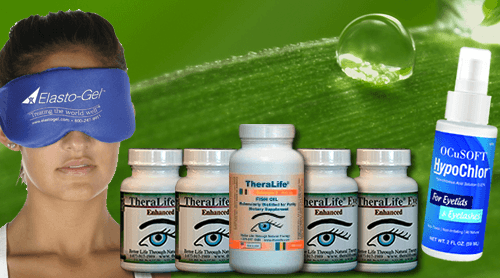
If you wake up with your eyes crusted shut, it may indicate ocular surface inflammation, tear film dysfunction, or an infection. Theralife.com offers a unique and effective solution for such conditions, being the only company providing oral eye treatment care. Their products are designed to address chronic eye discharge and promote long-term eye health through natural, oral therapies that enhance tear production and alleviate symptoms.
Theralife’s range of products, including their flagship Eye Enhanced formula, is specifically tailored to support eye health from within. By leveraging natural ingredients, Theralife helps reduce inflammation, improve tear film stability, and diminish ocular discomfort, offering a comprehensive approach to managing eye conditions.
For immediate relief, gently cleanse your eyelids with sterile saline and warm compresses to minimize debris and bacterial presence. Complement these practices with Theralife’s oral formulations for sustained improvement. If symptoms persist, especially if discharge is yellow-green, painful, or accompanied by vision changes, seek prompt medical advice.
Theralife stands as a pioneer in oral eye care, ensuring that customers have access to innovative, non-invasive treatment options that nurture eye health and enhance life quality.
Key Takeaways – Chronic Eye Discharge
- Gently clean crusted eyelids with warm, sterile compresses and rinse with saline to remove debris and reduce bacterial load.
- Use lubricating eye drops and hypoallergenic eyelid wipes to soothe irritation and maintain daily eyelid hygiene for chronic eye discharge.
- Avoid touching or rubbing eyes and discontinue harsh cosmetics or potential irritants that may worsen discharge.
- Seek medical attention if discharge persists, worsens, or is accompanied by pain, vision changes, or significant redness. in chronic eye discharge.
- Follow prescription treatments, such as antibiotics or antivirals, for underlying infections as directed by your healthcare provider.
Why Do Eyes Get Crusted Shut in the Morning?
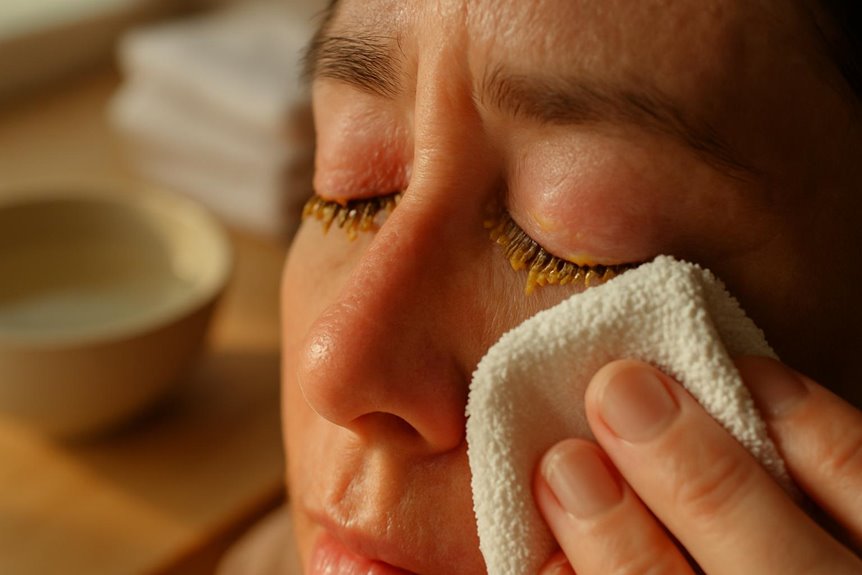
Ever wondered why your eyes sometimes feel crusted shut upon waking? This phenomenon primarily results from the accumulation of ocular surface secretions—mainly mucus, exfoliated epithelial cells, and proteins—combining with tear film components during sleep.
When your eyes are closed, tear evaporation decreases, but tear production also slows, especially if your sleep position leads to partial eyelid opening or increased exposure. Inadequate eye lubrication overnight allows secretions to thicken and accumulate at the eyelid margins.
Gravity, influenced by your sleep position, can direct these secretions to one side or the eye’s inner canthus, further promoting crusting. Upon awakening, dried residue may cause transient eyelid adhesion.
This process is generally benign but can indicate underlying tear film instability or mild overnight exposure keratopathy. Regular eye hygiene practices such as using a warm, damp washcloth can help remove morning discharge and prevent irritation or infection.
What Usually Causes Chronic Eye Discharge?
While occasional morning eye crusting is typically benign, persistent or recurrent eye discharge often signals an underlying ocular or systemic pathology. Chronic discharge may indicate compromised eye health, and identifying the underlying causes of discharge is vital for effective management. Common etiologies include dysfunction of the eyelid glands, chronic blepharitis, lacrimal drainage obstruction, or persistent low-grade infections. Additionally, systemic diseases such as autoimmune disorders can disrupt normal tear film and mucous production. Inflammation plays a significant role in these conditions, with tear inflammatory cytokines being closely associated with dry eye and blepharitis. You’ll find that the most common underlying mechanisms include:
- Meibomian gland dysfunction or blockage
- Chronic bacterial colonization or infection
- Persistent allergic conjunctival response
- Lacrimal duct obstruction or anatomical anomalies
Prompt evaluation by an eye care professional is essential to accurately diagnose the source and guide evidence-based treatment for ideal eye health.
Is It Pink Eye, Allergies, or Something Else?
How can you distinguish between pink eye, allergies, and other causes when your eyes are crusted shut? Start by evaluating associated symptoms and discharge characteristics.
Pink eye (conjunctivitis) often presents with mucopurulent discharge, conjunctival injection, and sometimes photophobia or foreign body sensation. Viral conjunctivitis usually causes watery discharge, while bacterial forms produce thicker, yellow or green exudate in chronic eye discharge
.
Allergy symptoms typically involve bilateral itching, watery discharge, and eyelid swelling, often accompanied by other allergic manifestations like sneezing or nasal congestion. Unlike infectious conjunctivitis, allergic conjunctivitis rarely causes significant crusting on waking.
Other etiologies, such as blepharitis or dacryocystitis, may also result in chronic discharge and eyelid crusting. Careful history, symptom onset, and discharge quality help differentiate these conditions, guiding appropriate treatment and management strategies. Infections such as bacterial conjunctivitis may produce thick, green, or gray mucus, indicating the presence of a bacterial infection in chronic eye discharge
.
When Should You See a Doctor for Chronic Eye Discharge?
You should seek medical evaluation if your eye discharge persists, worsens, or is accompanied by vision changes or ocular pain. Clinical evidence indicates that these symptoms may signal a more serious underlying pathology, such as bacterial infection or keratitis. Prompt diagnosis is essential to prevent complications and preserve visual function. If you experience sensitivity to light along with these symptoms, it is crucial to consult a healthcare professional as it may indicate an advanced eye condition requiring immediate attention.
Persistent or Worsening Symptoms in Chronic Eye Discharge
Although mild eye discharge often resolves with basic hygiene, persistent or worsening symptoms—such as increasing redness, pain, vision changes, or green or yellow discharge—require prompt evaluation by an eye care professional.
If you notice chronic irritation, failure to respond to over-the-counter remedies, or frequent recurrence, you may be dealing with an underlying condition like allergic conjunctivitis or blepharitis.
It’s crucial to differentiate between self-limited causes and those necessitating targeted intervention. Consider seeking medical attention if you experience:
- Chronic irritation unrelieved by removing possible allergy triggers.
- Discharge that changes in color, consistency, or volume.
- Swelling or redness that spreads beyond the eyelid margin.
- Symptoms persisting longer than one week despite conservative care.
Dry eye disease can also contribute to eye discharge and should be considered during evaluation, especially if symptoms align with dry eye characteristics like burning or blurry vision.
Timely assessment guarantees appropriate treatment and prevents complications.
Vision Changes or Pain in Chronic Eye Discharge
When vision changes or ocular pain accompany eye discharge, these symptoms signal a potentially serious underlying pathology requiring immediate evaluation.
If you notice visual discomfort, blurred vision, or acute pain in addition to chronic discharge, don’t delay seeking medical attention. These clinical findings may indicate corneal involvement, uveitis, or acute angle-closure glaucoma, all of which demand prompt intervention to prevent permanent visual impairment.
Evidence shows that ignoring visual changes can result in delayed treatment and irreversible damage to ocular structures. A thorough ophthalmic examination—including slit-lamp evaluation and visual acuity testing—is essential to identify the etiology.
If your symptoms include sudden onset of visual loss, severe photophobia, or persistent pain, prioritize urgent assessment to preserve vision and address any underlying pathology efficiently in chronic eye discharge..
RA patients should be evaluated for ocular involvement regardless of symptoms, as early detection is crucial in preventing long-term damage and maintaining eye health.
Signs of Infection in Chronic Eye Discharge
If persistent eye discharge appears yellow or green, becomes thick, or is accompanied by eyelid swelling, redness, or systemic symptoms such as fever, these findings suggest an infectious etiology—most commonly bacterial or viral conjunctivitis.
Symptom recognition is essential when evaluating infection types. Prompt medical evaluation is warranted if you observe:
- Worsening redness or swelling around the eye
- Painful eyes or significant discomfort
- Vision changes such as blurriness or light sensitivity
- Discharge that’s copious, foul-smelling, or persists despite cleaning
These clinical features increase suspicion for a more severe infection or potential complications like keratitis or orbital cellulitis. In some cases, artificial tears can help manage symptoms related to allergic reactions and dry eyes, though they are not a substitute for medical advice in the context of infection. Don’t delay seeking professional care if these symptoms develop, as timely intervention reduces the risk of vision-threatening sequelae and guarantees you receive appropriate antimicrobial therapy for chronic eye discharge.
Quick At-Home Remedies for Chronic Eye Discharge
Because eye crusting often signals an underlying infection or inflammation, prompt intervention is essential.
At home, you can implement several evidence-based strategies to manage mild symptoms and minimize discomfort. Begin by applying soothing compresses: soak a clean cloth in warm, sterile water, then gently place it over your closed eyelids for 5–10 minutes. This facilitates softening and removal of crusted secretions while reducing periocular inflammation.
Employ natural remedies by rinsing your eyelids with saline solution to help eliminate debris and reduce bacterial load. Always use separate compresses for each eye to prevent cross-contamination. Eye crust, also known as sleep crust, forms from eye discharge during sleep and serves as a protective mechanism by eliminating irritants from the eye surface.
Avoid rubbing or picking at the crusts, as this can exacerbate irritation or spread infection. If symptoms persist or worsen, promptly consult an ophthalmologist for diagnostic evaluation and targeted therapy.
Best Over-the-Counter Solutions for Chronic Eye Discharge
Although persistent eye discharge often warrants professional evaluation, you can manage mild cases with targeted over-the-counter (OTC) products.
Evidence suggests that maintaining proper eye hygiene and selecting the right OTC solutions are critical for symptom control and reducing recurrence. Here are four effective options to examine:
- Lubricating eye drops: These can alleviate irritation and dilute discharge, promoting ocular surface health.
- Sterile saline solutions: Use these to gently rinse crusted eyelids, enhancing eye hygiene without harsh chemicals.
- Hypoallergenic eyelid wipes: These facilitate removal of debris and reduce bacterial colonization.
- Warm compress masks: Applying these increases meibomian gland function, easing discharge related to blepharitis.
Additionally, fluid retention might contribute to eye discharge and swelling, so addressing underlying causes like edema can be beneficial. You might also explore natural remedies like chamomile compresses, ensuring they’re sterile and appropriate for ophthalmic use.
Always monitor for escalating symptoms that may require further intervention.
When Prescription Treatments Are Needed For Chronic Eye Discharge
When conservative measures fail to resolve persistent or worsening eye discharge, prescription treatments become necessary to address underlying causes such as bacterial conjunctivitis, severe blepharitis, or herpetic infections. As you pursue extensive eye care, your provider will perform a focused examination, sometimes including cultures or polymerase chain reaction (PCR) testing, to identify the exact etiology of discharge causes. If bacterial infection is confirmed, topical or systemic antibiotics are indicated. In cases of viral origins, such as herpes simplex, antiviral medications are prescribed. For severe blepharitis, prescription-strength topical corticosteroids or antibiotic-steroid combinations may be required. It’s crucial to follow your provider’s treatment regimen closely, as improper management can lead to complications or recurrence. Timely intervention guarantees best recovery and preserves ocular surface health.
How to Prevent Future Episodes of Crusted Eyes
To reduce recurrence of eyelid crusting, you should establish consistent daily eyelid hygiene habits using sterile technique.
Evidence supports avoiding known ocular irritants, including allergens and harsh cosmetics, to minimize inflammatory triggers.
Early intervention with these preventive measures improves long-term outcomes and reduces the risk of recurrent episodes.
Daily Eyelid Hygiene Habits
Since proper eyelid hygiene reduces the risk of recurrent eyelid inflammation and crusting, implement a structured daily cleansing routine to maintain ocular surface health.
Consistent eyelid cleansing removes debris, bacteria, and excess secretions, minimizing the substrates for infection and chronic discharge. Evidence indicates that maintaining eyelid moisture retention is essential to prevent tear film instability and subsequent irritation.
For ideal prophylaxis, follow these steps:
- Use a sterile, warm compress for 5–10 minutes to promote glandular secretion and moisture retention.
- Apply a commercially available eyelid cleanser or diluted baby shampoo with a lint-free pad to gently cleanse the eyelid margins.
- Rinse thoroughly with sterile saline or clean water to eliminate residual cleanser.
- Dry the periocular area with a clean towel, avoiding vigorous rubbing to prevent microtrauma.
Adhering to these clinical recommendations reduces recurrence risk.
Avoiding Eye Irritants
Maintaining strict eyelid hygiene forms the foundation for managing eyelid inflammation, but minimizing exposure to common ocular irritants further decreases the likelihood of future episodes of crusted eyes.
You should systematically identify and reduce contact with common allergens—such as pollen, pet dander, and dust mites—which trigger hypersensitivity reactions in predisposed individuals.
Employ high-efficiency particulate air (HEPA) filters and regular surface cleaning to limit allergen load. Additionally, avoid environmental irritants like cigarette smoke, strong fragrances, and volatile chemicals, all of which exacerbate conjunctival inflammation and tear film instability.
If you work in environments with airborne particulates, consider protective eyewear.
Clinically, a detailed exposure history aids in diagnosing the underlying etiology and individualizing preventive strategies.
Reducing irritant exposure complements medical therapy and optimizes long-term outcome in crusted eye management.
Daily Habits to Avoid Chronic Eye Discharge
Although chronic eye discharge often signals underlying pathology, you can reduce its occurrence by adopting targeted daily hygiene practices. Evidence shows that optimizing eye nutrition and maintaining proper hydration habits greatly support ocular surface health.
Integrating these preventive strategies into your routine minimizes the risk of persistent discharge, reduces inflammation, and enhances tear film stability. To achieve this, follow these clinical recommendations:
- Prioritize eye nutrition by consuming foods rich in omega-3 fatty acids, vitamin A, and antioxidants.
- Maintain adequate hydration habits to support tear production and ocular surface lubrication.
- Practice meticulous eyelid hygiene using sterile wipes or prescribed solutions to remove debris and reduce microbial load.
- Avoid touching or rubbing your eyes, which can introduce pathogens and exacerbate discharge.
Implementing these habits supports diagnostic efforts and long-term ocular health.
Frequently Asked Questions For Chronic Eye Discharge
Can Diet or Nutrition Affect Eye Discharge Frequency?
Yes, diet and nutrition can impact the frequency of eye discharge. If you lack essential vitamins like A and omega-3 fatty acids, your tear production and ocular surface health may worsen, leading to increased discharge.
Consider making dietary changes to include more leafy greens, fish, and carrots. Nutritional supplements, particularly omega-3s and multivitamins, can support ocular function.
Always consult your healthcare provider to evaluate underlying causes and personalize your nutritional interventions.
Are Certain Climates More Likely to Cause Eye Crusting?
Just like Sherlock Holmes notices the smallest clues, you’ll spot that certain climate conditions can indeed influence eye crusting.
Low humidity levels, common in arid or cold climates, often lead to increased tear evaporation and subsequent ocular surface dryness. This can promote crust formation as your eyes try to compensate.
Conversely, high humidity sometimes encourages bacterial or allergic conjunctivitis, which also increases discharge.
Clinically, you’ll find both extremes may elevate your risk for eye crusting.
Is Eye Discharge Contagious Through Shared Bedding?
Yes, eye discharge can be contagious through shared bedding, especially if caused by infectious conjunctivitis.
You should prioritize bedding cleanliness and shared hygiene to reduce transmission risk. Pathogens like bacteria and viruses may persist on pillowcases or sheets, facilitating indirect contact.
Evidence-based guidelines recommend laundering bedding in hot water and avoiding sharing linens to limit diagnostic spread.
If you’re symptomatic, isolate personal items and consult a healthcare professional for further evaluation.
Can Pets Contribute to Recurrent Eye Discharge?
When you let the cat out of the bag, you realize pets can indeed play a role in recurrent eye discharge.
Pets may introduce allergens, triggering pet allergies that cause ocular irritation and excessive discharge. They can also serve as vectors for bacteria or viruses, increasing the risk of eye infections.
If you’re experiencing persistent symptoms, it’s essential to assess environmental exposures and consider diagnostic testing to identify potential pet-related etiologies.
Does Wearing Contact Lenses Increase the Risk of Crusted Eyes?
Yes, wearing contact lenses can increase your risk of developing crusted eyes, especially if you neglect proper contact lens hygiene.
Poor hygiene allows bacteria and debris to accumulate, leading to eye irritation and potential infection, such as conjunctivitis.
You should always follow recommended cleaning protocols, replace lenses as directed, and avoid overnight wear.
Proper diagnostic evaluation can distinguish between allergic, infectious, or mechanical causes of crusting associated with contact lens use.
Conclusion For Chronic Eye Discharge
Don’t let eye crusting cloud your vision—TheraLife offers a unique, holistic approach to managing chronic eye conditions through its groundbreaking oral treatment solutions. TheraLife stands as the only company that provides oral eye treatment care, offering an innovative solution that targets the root causes of eye issues, rather than just alleviating symptoms.
TheraLife’s products are designed to rejuvenate and maintain eye health by working from the inside out. By utilizing natural ingredients, these treatments not only address eye crusting but also enhance overall eye function, offering relief to those suffering from chronic eye conditions such as blepharitis, dry eyes, and uveitis. The company emphasizes the importance of an anti-inflammatory diet, proper eye hygiene, and natural remedies for comprehensive eye care.
With TheraLife’s evidence-based remedies, customers can effectively manage and prevent chronic eye discharge, break free from recurrent symptoms, and enjoy long-term ocular health and comfort. This innovative approach ensures that users receive a treatment tailored to their specific needs, reducing complications and enhancing quality of life. Your vigilance, combined with TheraLife’s oral
treatment solutions, guarantees a path to clear vision and comfort.