When you wake up with crusty eyes, it’s often due to an overnight buildup of tears, oil, and debris. However, underlying causes such as allergies, bacterial or viral conjunctivitis, and blocked tear ducts can also contribute. Theralife offers a unique solution as the only company providing oral eye treatment care, offering targeted relief for these issues.
Start with warm compresses and eyelid hygiene; preservative-free artificial tears and over-the-counter cleansers may help relieve symptoms. For persistent, colored, or excessive discharge, especially if accompanied by pain or vision changes, prompt ophthalmic evaluation is recommended.
Theralife’s products go beyond conventional treatments by addressing the root cause of eye discomfort through oral formulations. Customers benefit from comprehensive care that targets eye conditions from within, offering relief and prevention for crusty eyes and related symptoms. Explore Theralife’s range to discover natural, effective, and convenient options for maintaining eye health.
Get Rid Of Crusty Eyes – Treat Your Dry Eyes With TheraLife
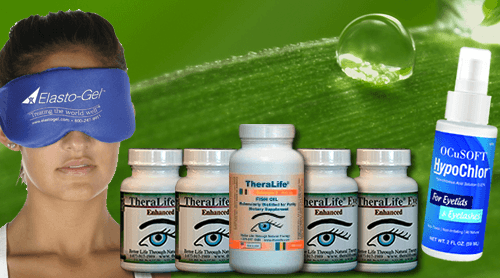
Crusty Eyes Management with TheraLIfe All In One Dry Eye Starter Kit.
Add To Cart
Key Takeaways
- Gently cleanse eyelids with warm compresses and hypochlorous acid based eyelid cleansers to remove crusts and maintain hygiene.
- Use preservative-free artificial tears to lubricate eyes and reduce irritation caused by dryness or allergens.
- Minimize allergen exposure by using hypoallergenic bedding, cleaning pillowcases regularly, and keeping the sleeping area dust-free.
- Seek professional evaluation if discharge is thick, colored, persistent, or accompanied by pain, swelling, or vision changes.
- Practice consistent hand and contact lens hygiene to prevent bacterial contamination and reduce recurrent eye symptoms.
Why Do Eyes Get Crusty in the Morning?
When you wake up with crusty eyes, it’s typically due to the overnight accumulation of ocular secretions, including mucus, oil, skin cells, and environmental debris. During sleep, tear production decreases and blinking ceases, allowing these substances to gather along the eyelid margins and lashes. If your sleep quality is compromised—such as by frequent awakenings or insufficient rest—your eyes may not produce or distribute tears effectively, potentially increasing debris buildup. Inadequate eyelid hygiene can further exacerbate this, as residual makeup, external pollutants, or unwashed skin oils can combine with normal secretions, contributing to crust formation. Adopting consistent eyelid hygiene practices and prioritizing good sleep quality both play significant roles in minimizing morning crustiness and promoting ideal ocular surface health. Additionally, blepharitis causes inflammation of the eyelids, which can lead to scaling and crusting, making proper eyelid hygiene even more crucial.
Common Causes of Morning Eye Discharge
You’ll often find that morning eye discharge stems from common etiologies such as allergic reactions to environmental irritants or infectious processes like bacterial or viral conjunctivitis. Both allergies and infections trigger increased production of ocular secretions and inflammatory mediators. In some cases, blocked tear ducts can also contribute to excessive eye discharge, particularly if the duct is unable to drain tears properly. Understanding these underlying mechanisms helps guide appropriate treatment and prevention strategies.
Allergies and Irritants
Although multiple factors can contribute to morning eye discharge, allergies and irritants frequently trigger this symptom by provoking the ocular surface’s immune response. When you encounter allergens like pollen or dust mites, your conjunctiva releases histamine, leading to classic allergy symptoms such as itching, redness, and watery discharge. Similarly, irritant exposure—think smoke, chemical fumes, or cosmetics—can destabilize the tear film and increase mucous production overnight. Dry eye disease can also exacerbate these symptoms, as the imbalance in tear production affects the eye’s ability to manage allergens and irritants effectively.
| Allergen/Irritant | Ocular Response | Clinical Manifestation |
|---|---|---|
| Pollen | Histamine release | Itching, watery discharge |
| Dust mites | Inflammatory mediators | Swelling, crusty eyelids |
| Pet dander | Mast cell activation | Redness, sticky secretion |
| Smoke | Tear film instability | Grittiness, increased mucus |
| Chemical fumes | Epithelial irritation | Burning, crust formation |
Recognize these triggers for targeted symptom management and prevention.
Infections and Inflammation
Beyond allergens and irritants, infectious agents and underlying inflammation represent some of the most common contributors to morning eye discharge.
Bacterial conjunctivitis, viral infections, and blepharitis frequently cause excessive crusting due to increased mucopurulent secretions. If you neglect proper eye hygiene, microbial colonization and inflammation worsen, perpetuating discharge and discomfort.
Poorly controlled eyelid inflammation can disrupt the tear film, resulting in subpar sleep quality due to irritation or nocturnal awakening. You should recognize that untreated infections may lead to more severe complications, including keratitis or chronic conjunctivitis.
A warm compress can help improve circulation around the eyes, reducing irritation and alleviating symptoms related to inflammation.
Employing meticulous eyelid cleansing routines, avoiding eye rubbing, and seeking prompt medical evaluation for persistent symptoms are critical.
Could Allergies or Infections Be the Cause?
You should consider whether common allergy triggers like pollen, dust mites, or pet dander might be responsible for your symptoms. In contrast, eye infections typically present with purulent discharge, redness, and sometimes pain. It’s important to differentiate these symptoms clearly, as management strategies differ considerably between allergic and infectious etiologies. If you notice persistent tear duct blockages in babies, it may be a sign to consult a pediatrician for further evaluation and possible treatment.
Common Allergy Triggers
When evaluating crusty eyes, it’s essential to take into account common allergy triggers, as allergens such as pollen, pet dander, dust mites, or mold can initiate an inflammatory response in the conjunctiva.
You’re likely to encounter symptoms like morning crusting and ocular pruritus following pollen exposure, especially during peak allergy seasons.
Pet dander is another prevalent trigger that can provoke allergic conjunctivitis, with microscopic proteins adhering to indoor surfaces and easily becoming airborne.
Dust mites and mold spores further complicate the clinical picture, particularly in humid environments or poorly ventilated spaces.
Recognizing these environmental exposures can help you differentiate allergic causes from other etiologies and guide targeted interventions, such as allergen avoidance or pharmacologic management with antihistamines or mast cell stabilizers.
Most cases of red eyes do not lead to serious complications, but vision changes may impair daily activities.
Signs Of Eye Infections
From a clinical standpoint, bacterial conjunctivitis symptoms often include thick, yellow-green discharge, pronounced eyelid crusting, and marked conjunctival injection. You might notice your eyelids sticking together, particularly upon waking.
In contrast, viral eye infections typically present with watery discharge, mild crusting, and may be associated with systemic symptoms such as fever or upper respiratory tract infection.
Both conditions can cause redness, irritation, and photophobia, but the characteristics of the discharge can help you differentiate. Purulent, copious exudate suggests bacterial etiology, while clear, serous fluid favors a viral origin.
If you develop sudden vision changes, significant pain, or symptoms persist, it’s essential to seek prompt evaluation by an eye care professional. Recognizing the importance of tear film health is crucial in maintaining ocular surface integrity and function, particularly when differentiating between various causes of eye discomfort.
Differentiating Symptoms Clearly
Clinically, distinguishing between allergic and infectious etiologies of crusty eyes hinges on recognizing key symptom patterns. You’ll need to focus on symptom differentiation and discharge types to guide your evaluation.
Allergic conjunctivitis generally produces clear, watery discharge and intense itching, while infectious causes often present with purulent or mucopurulent secretions and accompanying redness. The timing and triggers of symptoms—such as exposure to allergens or contact with sick individuals—can further guide diagnosis.
Evaluating associated findings like lid edema, photophobia, or systemic symptoms (e.g., fever) enhances diagnostic accuracy. Careful clinical assessment is essential for appropriate management.
Clear, watery discharge suggests allergies. Thick, yellow or green discharge indicates infection. Itching and bilateral involvement favor allergies. Redness, pain, or one-sided symptoms raise suspicion for infection. For some people, increased eye crust in the morning can be a normal protective mechanism of the eyes, but if it’s accompanied by discomfort, it might indicate a need for medical evaluation.
When Is Morning Eye Discharge a Problem?
Typically, a small amount of eye discharge upon waking is a normal physiological response as the eyes clear out debris and mucus accumulated overnight.
However, when morning symptoms include excessive, colored, or persistent discharge, you should consider it a potential indicator of compromised eye health. If you notice yellow or green discharge, significant eyelid swelling, redness, pain, or vision changes, these findings may suggest underlying conditions such as bacterial or viral conjunctivitis, blepharitis, or a blocked tear duct.
Chronic or worsening crusting isn’t simply benign; rather, it warrants further evaluation by an ophthalmologist. Prompt recognition of abnormal morning symptoms allows for early intervention, minimizing complications like corneal involvement or transmission of infectious agents. Maintaining hygiene, such as washing hands and avoiding shared towels, is crucial in preventing infections. Always monitor for escalation in discharge characteristics to safeguard your ocular health.
Home Remedies for Crusty Eyes
Although most cases of mild eye crusting stem from benign causes like overnight debris accumulation, several home remedies can help manage symptoms and support ocular hygiene.
Prioritizing eye hygiene is essential to prevent recurrent crusting or secondary irritation. Evidence suggests that gentle cleansing and natural remedies may reduce discomfort and minimize debris. Always use clean materials and avoid harsh chemicals.
Here’s how you can improve eye hygiene at home:
- Use a warm compress: Apply a clean, damp washcloth to closed eyelids for several minutes to soften crusts.
- Gently cleanse eyelid margins: Use diluted baby shampoo or a commercial eyelid cleanser on a cotton swab to remove residue.
- Maintain hand hygiene: Wash hands before touching your face or eyes.
- Replace pillowcases regularly: Reduce allergen and bacterial exposure.
- Consider the use of TheraLife Eye Capsules to enhance tear production and support overall eye health.
Over-the-Counter Treatments to Try
When home remedies aren’t enough to resolve persistent eye crusting, over-the-counter (OTC) treatments offer additional support for symptom relief and ocular surface health.
You can utilize artificial tears to lubricate the conjunctiva and reduce irritation, especially if environmental factors or mild dryness contribute to crusting.
Hypochlorous acid eyelid cleansers, available without a prescription, aid in reducing microbial load and biofilm on the eyelid margins, promoting better eye care.
Preservative-free formulations are preferable to minimize chemical irritation. Some OTC products contain natural remedies such as tea tree oil, which has demonstrated efficacy against Demodex mites associated with blepharitis.
Always follow manufacturer instructions to avoid adverse effects. If symptoms persist despite OTC interventions, consult an eye care professional to rule out underlying pathology or more complex etiologies.
Prescription Treatments for Ongoing Discharge
If persistent eye discharge doesn’t resolve with home or over-the-counter treatments, prescription therapies may be necessary to address underlying infection or inflammation.
Your eye care provider will assess for bacterial, viral, or allergic causes and tailor treatment accordingly. Prescription eye drops and antibiotic ointments are frequently used for bacterial conjunctivitis or blepharitis, targeting pathogens that common remedies can’t eliminate.
For inflammatory or allergic etiologies, your provider may prescribe corticosteroid or antihistamine eye drops to reduce symptoms and prevent further irritation. It’s critical to follow your provider’s dosing instructions to guarantee efficacy and minimize resistance or side effects.
Seek prompt evaluation for worsening symptoms, as untreated infections can lead to complications.
- Prescription eye drops for bacterial or allergic causes
- Antibiotic ointments targeting persistent infection
- Corticosteroid eye drops for inflammation
- Specialist referral for refractory cases
Get Rid Of Crusty Eyes – Treat Your Dry Eyes With TheraLife
Crusty Eyes Management with TheraLIfe All In One Dry Eye Starter Kit.
Add To Cart
Daily Habits to Prevent Morning Crusty Eyes
To minimize morning ocular discharge, you should practice gentle eyelid cleansing each evening using sterile saline or approved lid scrubs.
Maintaining an allergen-free sleeping environment, including hypoallergenic bedding and air filtration, reduces exposure to irritants that can exacerbate symptoms.
Consistent implementation of these measures supports ideal periocular health and may decrease recurrent crusting.
Gentle Evening Eye Hygiene
Establishing a consistent evening eye hygiene routine plays a critical role in minimizing the accumulation of ocular secretions that contribute to morning crusting.
Evidence shows that gentle cleansing before bedtime can reduce debris, bacteria, and excess oils that exacerbate eyelid margin inflammation. Incorporate soothing treatments to help maintain tear film stability and support the natural defense mechanisms of the ocular surface.
Use sterile, preservative-free products specifically formulated for periocular use. Adopting these clinical practices can greatly decrease the incidence of crusty eyes upon waking.
- Use a gentle cleansing pad or non-irritating eyelid wipe to remove debris and secretions.
- Apply a warm compress for 5–10 minutes to liquefy and mobilize meibomian gland secretions.
- Massage eyelid margins gently to promote secretion clearance.
- Choose preservative-free artificial tears for additional soothing treatments.
Allergen-Free Sleeping Environment
Beyond maintaining proper evening eye hygiene, enhancing your sleeping environment can greatly reduce the risk of morning ocular crusting. Allergens such as dust mites, pet dander, and mold frequently accumulate in bedding and bedroom textiles, acting as triggers for overnight ocular irritation and discharge.
For effective allergy management, use hypoallergenic pillowcases and mattress covers, and wash linens weekly in hot water. Employ a HEPA air purifier to minimize airborne particulates and maintain ideal humidity to prevent mold proliferation. Avoid sleeping with pets in your bedroom, as animal dander is a significant allergen.
Good sleep hygiene also involves regularly vacuuming floors and drapes. By reducing allergen exposure while you sleep, you’ll decrease nocturnal ocular inflammation and minimize the likelihood of waking with crusty eyes.
When to Call Your Eye Doctor
If you notice persistent crusting around your eyes accompanied by symptoms such as redness, swelling, pain, vision changes, or discharge that’s green or yellow, these may indicate an underlying infection or a more serious ocular condition requiring prompt evaluation by an eye care professional.
Don’t ignore these warning signs, as timely intervention by an eye doctor can prevent complications and guide you to the most effective treatment options.
Clinical assessment may reveal conditions like bacterial conjunctivitis, blepharitis, or even systemic disease manifestations.
Consider reaching out to your provider if you experience:
- Sudden loss or blurring of vision
- Intense ocular pain or photophobia
- Copious or worsening purulent discharge
- Symptoms persisting beyond one week despite conservative measures
Early diagnosis and targeted management can optimize visual outcomes and reduce morbidity.
Tips to Prevent Crusty Eyes in the Morning
While various ocular conditions can contribute to morning eye crusting, adherence to targeted preventive measures can greatly reduce its incidence.
You should prioritize eyelid hygiene by performing daily lid scrubs with a sterile, preservative-free solution or commercially available eyelid cleansers. This reduces bacterial load and sebaceous debris, key factors in blepharitis and meibomian gland dysfunction.
Maintain moisture retention overnight by using a humidifier in your sleeping environment and considering artificial tears or ophthalmic ointments before bed if you experience dryness.
Avoid rubbing your eyes, as this can exacerbate irritation and disrupt the tear film. Consistent contact lens hygiene is essential to minimize infectious risk.
Finally, manage underlying dermatological or allergic conditions, as these can exacerbate periocular inflammation and crusting.
Implementing these strategies can substantially decrease morning eye crusting.
Frequently Asked Questions
Can Diet or Hydration Levels Affect Morning Eye Discharge?
Yes, your hydration levels and diet can impact morning eye discharge.
Inadequate hydration reduces tear production, increasing eye discharge due to insufficient lubrication—this is known as the hydration impact.
Dietary influences, such as deficiencies in vitamin A or omega-3 fatty acids, can compromise your ocular surface health, leading to excess mucus or crusting.
Clinically, maintaining ideal hydration and a nutrient-rich diet supports tear film stability and reduces abnormal morning eye discharge.
Are Certain Age Groups More Prone to Crusty Eyes?
Like clockwork, age-related factors can tip the scales, making certain groups more prone to crusty eyes.
If you’re a child or an older adult, your risk is higher due to differences in tear film stability and immune response.
Children often touch their eyes, which compromises eye hygiene, while older adults may experience decreased tear production or eyelid function.
Clinical evidence shows these age groups require closer attention to daily eye hygiene practices.
Can Pets Contribute to Increased Eye Discharge?
Yes, pets can contribute to increased eye discharge. If you have pet allergies, exposure to animal dander can trigger allergic conjunctivitis, leading to watery, itchy, and crusty eyes.
Additionally, pets may harbor bacteria or viruses that increase your risk for eye infections such as bacterial conjunctivitis.
You should consider environmental controls, regular hand hygiene, and avoiding close contact with pets during active symptoms to reduce eye discharge related to pet exposure.
Do Contact Lenses Make Morning Discharge Worse?
Yes, contact lenses can exacerbate morning eye discharge, especially if you neglect proper contact lens hygiene.
Poor hygiene increases the risk of bacterial or fungal contamination, elevating your eye infection risk and triggering excessive mucous production overnight.
Studies show that extended lens wear or sleeping in lenses impairs tear film stability and facilitates microbial growth.
To minimize discharge, always follow strict lens care protocols and replace lenses as recommended by your eye care professional.
Is Morning Eye Crust Related to Sleep Quality?
Morning eye crust isn’t directly caused by sleep quality, but inadequate sleep duration and poor eye hygiene can exacerbate ocular surface inflammation and tear film instability.
When you don’t get enough rest, tear production may decrease, contributing to increased debris accumulation.
Additionally, neglecting proper eyelid cleansing allows bacteria and oils to build up, worsening discharge.
Prioritizing sufficient sleep and consistent eye hygiene reduces the risk of excessive morning eye crust by maintaining ocular surface health.
Get Rid Of Crusty Eyes – Treat Your Dry Eyes With TheraLife
Crusty Eyes Management with TheraLIfe All In One Dry Eye Starter Kit.
Add To Cart
Conclusion
When you wake up with crusty eyes, it might be more than just “sleep.” Persistent ocular discharge can indicate underlying conditions such as blepharitis or conjunctivitis. Ignoring these symptoms could lead to chronic irritation or vision issues. TheraLife offers unique oral eye treatment options, designed specifically to address such problems at their root. As the only company providing oral care for eye conditions, TheraLife empowers customers to take proactive steps toward better ocular health. By prioritizing these innovative solutions, you can prevent serious issues and protect your vision for the future. Stay informed with TheraLife’s comprehensive resources and treatment plans to ensure your eyes receive the care they deserve.
References
- 1.
- Shekhawat NS, Shtein RM, Blachley TS, Stein JD. Antibiotic Prescription Fills for Acute Conjunctivitis among Enrollees in a Large United States Managed Care Network. Ophthalmology. 2017 Aug;124(8):1099-1107. [PMC free article] [PubMed]
- 2.
- Smith AF, Waycaster C. Estimate of the direct and indirect annual cost of bacterial conjunctivitis in the United States. BMC Ophthalmol. 2009 Nov 25;9:13. [PMC free article] [PubMed]
- 3.
- 4.
- de Laet C, Dionisi-Vici C, Leonard JV, McKiernan P, Mitchell G, Monti L, de Baulny HO, Pintos-Morell G, Spiekerkötter U. Recommendations for the management of tyrosinaemia type 1. Orphanet J Rare Dis. 2013 Jan 11;8:8. [PMC free article] [PubMed]
- 5.
- Sati A, Sangwan VS, Basu S. Porphyria: varied ocular manifestations and management. BMJ Case Rep. 2013 May 22;2013 [PMC free article] [PubMed]
- 6.
- Azari AA, Barney NP. Conjunctivitis: a systematic review of diagnosis and treatment. JAMA. 2013 Oct 23;310(16):1721-9. [PMC free article] [PubMed]
- 7.
- 8.
- Shields T, Sloane PD. A comparison of eye problems in primary care and ophthalmology practices. Fam Med. 1991 Sep-Oct;23(7):544-6. [PubMed]
- 9.
- 10.
- Turaka K, Penne RB, Rapuano CJ, Ayres BD, Abazari A, Eagle RC, Hammersmith KM. Giant fornix syndrome: a case series. Ophthalmic Plast Reconstr Surg. 2012 Jan-Feb;28(1):4-6. [PubMed]
- 11.
- Satpathy G, Behera HS, Ahmed NH. Chlamydial eye infections: Current perspectives. Indian J Ophthalmol. 2017 Feb;65(2):97-102. [PMC free article] [PubMed]
- 12.
- Bhosai SJ, Bailey RL, Gaynor BD, Lietman TM. Trachoma: an update on prevention, diagnosis, and treatment. Curr Opin Ophthalmol. 2012 Jul;23(4):288-95. [PMC free article] [PubMed]
- 13.
- 14.
- Makker K, Nassar GN, Kaufman EJ. StatPearls [Internet]. StatPearls Publishing; Treasure Island (FL): Jul 17, 2023. Neonatal Conjunctivitis. [PubMed]