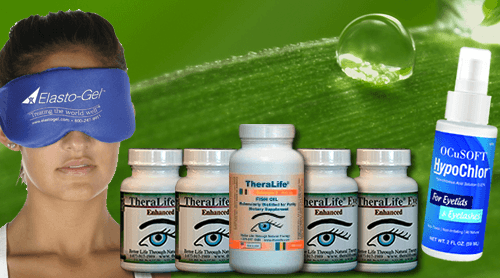
If you’re experiencing eye itching in the corner of your eye, it could be due to several common conditions. However, TheraLife® offers a unique approach to eye care, being the only company to provide oral treatment options. Their products are designed to address various eye-related issues, including allergic conjunctivitis, dry eye syndrome, and irritation from contact lenses.
TheraLife®’s oral eye treatment care is beneficial because it targets the root causes of eye discomfort from within, promoting natural tear production and reducing inflammation. This internal approach can be more effective than topical treatments alone.
Persistent symptoms like discharge or swelling may indicate an infection, and TheraLife® offers guidance on identifying and addressing these issues. Understanding the underlying cause of your symptoms is crucial, and TheraLife® provides a comprehensive solution to support eye health and alleviate discomfort.
Best Eye Itching / Blepharitis Treatment From TheraLife- When Drops Don’t Work.
Key Takeaways
- Eye itching in the corners is often caused by allergic conjunctivitis from pollen, dust, or pet dander exposure.
- Dry eye syndrome can lead to a gritty, itchy sensation at the inner or outer corners due to poor tear film stability.
- Environmental irritants like smoke and prolonged screen time exacerbate localized ocular surface irritation and itching.
- Persistent itching with redness or discharge may signal an eye infection, especially if accompanied by swelling or crusting.
- Improper contact lens hygiene can introduce irritants and microorganisms, increasing the risk of irritation and infection at the eye corners.
Common Causes of Itching in the Corner of Your Eye
Although eye itching can occur for various reasons, the most common causes in the corner of your eye include allergic conjunctivitis, exposure to irritants such as dust or smoke, and dry eye syndrome.
You may notice increased discomfort after prolonged visual tasks, as eye strain exacerbates underlying irritation. Environmental irritants—like pollen, pet dander, or airborne chemicals—can directly trigger localized itching at the inner or outer canthus by disrupting the ocular surface and promoting inflammatory responses.
Dry eye syndrome, often resulting from insufficient tear film production or excessive tear evaporation, leads to a gritty, itchy sensation particularly at the corners where tears tend to accumulate.
Dry eye disease, also known as dysfunctional tear syndrome, can manifest with symptoms like irritation, gritty sensation, and blurred vision.
Identifying the specific causative agent is essential for targeted management and preventing recurrent symptoms of ocular pruritus.
How Allergies Can Make Your Eye Corners Itchy
You may notice increased pruritus in the medial canthus when airborne allergens such as pollen and pet dander interact with the conjunctival mucosa. Clinical data show that exposure to these antigens can trigger mast cell degranulation, leading to histamine release and localized itching. Symptom patterns often correspond with seasonal fluctuations, highlighting the link between environmental allergens and ocular discomfort. Wearing protective eyewear can help minimize exposure to irritants like pollen and dust, reducing the likelihood of allergic reactions and subsequent eye itching.
Pollen Triggers Eye Discomfort
When airborne pollen contacts the ocular surface, it can trigger an allergic reaction mediated by mast cell degranulation and histamine release, leading to pruritus, particularly at the inner and outer canthi. You’re likely to notice this discomfort during peak seasons for specific pollen types, such as tree pollens in spring, grass pollens in summer, or weed pollens in autumn. The severity of ocular itching often corresponds with local pollen counts and individual sensitization profiles. Clinical symptoms include conjunctival hyperemia, chemosis, and watery discharge accompanying the itching. For effective allergy prevention, consider minimizing outdoor exposure during high pollen periods and using wraparound eyewear to reduce direct contact. Topical antihistamines or mast cell stabilizers can further mitigate the allergic response and improve ocular comfort. Preservative-free eye drops are crucial for reducing ocular surface irritation and inflammation, enhancing patient comfort and satisfaction.
Pet Dander Sensitivity Effects
Beyond pollen, exposure to pet dander represents a common environmental trigger for ocular pruritus, particularly at the inner and outer canthi. When you encounter pet dander—microscopic skin flakes shed by animals—your immune system may recognize these particles as allergens, leading to a cascade of allergy symptoms. You’ll often notice itching at the corners of your eyes as mast cells in the conjunctiva release histamine and other mediators. This localized response results in redness, tearing, and persistent discomfort. Chronic exposure can exacerbate symptoms, making avoidance and environmental control vital. Consistent use of eyelid cleansers can help maintain hygiene and prevent further irritation in sensitive individuals. If you have a known sensitivity, antihistamine eye drops or oral medications can mitigate ocular allergy symptoms. Prompt identification and management of pet dander exposure are important to reducing recurrent eye itching episodes.
Seasonal Allergy Symptom Patterns
Why do seasonal allergies often target the sensitive corners of your eyes? The answer lies in the direct interaction between airborne allergens and the conjunctival tissue.
When pollen exposure peaks, these tiny particles settle in the canthal region—the inner and outer eye corners—triggering a localized histamine response. This leads to pruritus, redness, and tearing.
Managing these symptoms requires understanding the typical clinical pattern:
- Itching intensifies during high pollen seasons, especially spring and fall.
- Symptoms often coincide with nasal congestion and sneezing, indicating systemic allergic rhinitis.
- Without prompt allergy management, chronic inflammation may develop, increasing ocular surface sensitivity.
Additionally, urban areas with high pollution might exacerbate symptoms due to increased eye discomfort.
You’ll need to minimize pollen exposure, use pharmacologic interventions like antihistamine drops, and maintain strict ocular hygiene.
Evidence underscores early intervention for maximum comfort and prevention of complications.
Why Dry Eyes Lead to Corner Itching
Although dry eyes often present with generalized discomfort, they can specifically cause itching at the inner and outer corners of the eyes due to localized tear film instability.
When you experience dry eye syndrome, the tear film’s ability to retain moisture becomes compromised. This disruption is most pronounced at the eye’s corners, where tear distribution is often uneven. Insufficient moisture retention leads to increased evaporation and exposure of the delicate conjunctival tissue, resulting in pruritus localized to these regions.
Inadequate tear production or altered lipid composition further exacerbates dryness, heightening corner irritation. Environmental factors, contact lens wear, or prolonged screen time can intensify these symptoms by accelerating tear film breakdown.
Recognizing this mechanism underscores the importance of targeted therapies that restore moisture retention and stabilize the ocular surface. TheraLife Eye capsules, which target the root cause of dry eyes by addressing underactive tear production, offer an effective approach to managing chronic dry eye symptoms.
Signs Your Eye Itch Might Be an Infection
If you notice persistent itching, it’s vital to evaluate for infection symptoms rather than attributing discomfort solely to dryness or allergies. Maintaining proper eye hygiene becomes even more important when these warning signs emerge.
Watch for these clinical indicators:
- Mucopurulent discharge: Thick, yellow or green discharge often signals bacterial conjunctivitis.
- Redness and swelling localized to the inner or outer canthus: This may indicate dacryocystitis or canaliculitis, both infections of the tear drainage system.
- Crusting of eyelids upon waking: Frequently observed in infectious blepharitis or conjunctivitis.
Timely intervention is crucial, as old makeup can accumulate germs, increasing the risk of infection. Prompt recognition and intervention are essential to prevent complications—consult your healthcare provider if you observe these infection symptoms.
Can Contact Lenses Cause Eye Corner Itching?
You may experience itching at the corners of your eyes if you wear contact lenses, especially with inadequate lens hygiene or improper cleaning practices. Protein deposits and microbial contamination on lenses can irritate the conjunctiva. Additionally, some individuals develop allergic reactions to components in contact lens solutions, further contributing to localized ocular pruritus. It is essential to maintain proper lens hygiene to prevent exacerbation of symptoms and ensure comfort while wearing contact lenses.
Lens Hygiene and Irritation
If contact lenses aren’t properly cleaned or replaced as recommended, they can introduce irritants and microorganisms to the ocular surface, but they don’t specifically cause itching at the inner or outer corners of the eyes. Rigorous lens maintenance and consistent hygiene practices are critical for minimizing the risk of ocular irritation. Evidence demonstrates that improper handling can lead to nonspecific conjunctival inflammation, but localized pruritus in the eye corners isn’t a typical presenting symptom from contact lens use alone. To maintain ocular health when wearing lenses, adhere to these clinical guidelines: 1. Replace lenses and storage cases at the intervals suggested by your eye care provider. 2. Clean lenses with appropriate solution, avoiding tap water or saliva. 3. Wash and dry hands thoroughly before handling lenses. Proper lens maintenance reduces infection and irritation risks. In addition to lens hygiene, environmental factors can exacerbate symptoms of eye discomfort, such as dryness or irritation, emphasizing the importance of a holistic approach to eye care.
Allergic Reactions to Solution
While proper lens hygiene minimizes general ocular irritation, some patients experience localized itching, particularly at the inner or outer corners of the eyes, due to hypersensitivity reactions to contact lens cleaning solutions rather than the lenses themselves. This phenomenon, termed solution sensitivity, manifests as contact lens discomfort, mild conjunctival injection, and pruritus that’s often misattributed to lens material. Preservatives like polyquaternium-1, thimerosal, or chlorhexidine in multipurpose solutions frequently serve as allergens or irritants. If you notice persistent eye corner itching despite meticulous cleaning and lens replacement, consider evaluating your solution composition. Switching to preservative-free saline or a hydrogen peroxide–based system often alleviates these symptoms. Consulting an eye care professional guarantees accurate diagnosis and management, reducing unnecessary lens discontinuation and restoring ocular comfort. For those suffering from autoimmune conditions like Sjögren’s syndrome, addressing systemic inflammation through diet and lifestyle changes can also provide relief and improve overall eye health.
Common Everyday Eye Irritants
Although eye itching often signals an underlying condition, exposure to everyday irritants frequently triggers this symptom.
You encounter numerous substances and environmental factors daily that can compromise ocular surface integrity and cause discomfort. Eye makeup, for example, may contain preservatives or fragrances that provoke localized hypersensitivity reactions or mechanical irritation.
Environmental factors, such as airborne particulates and pollutants, can also disrupt the tear film and stimulate the conjunctival mucosa.
Consider these common triggers:
- Eye makeup—Mascara, eyeliner, and eye shadow introduce potential allergens and particulates close to the ocular surface.
- Airborne irritants—Dust, pollen, and smog elevate the risk of conjunctival irritation and pruritus.
- Household chemicals—Cleaning agents or aerosol sprays produce volatile compounds that may aggravate the delicate tissues around your eyes.
Recognizing these triggers helps you minimize exposure and manage symptoms effectively.
Skin Conditions That Cause Eye Itching
Certain dermatologic conditions, including atopic dermatitis, contact dermatitis, and seborrheic dermatitis, frequently manifest with pruritus involving the periocular region.
If you experience eye itching mainly at the inner or outer corners, it’s often related to eczema flare ups or an acute response to dermatitis triggers such as allergens, irritants, or even changes in environmental humidity.
Atopic dermatitis presents with erythema, lichenification, and excoriation, while contact dermatitis results from exposure to specific substances, causing localized inflammation.
Seborrheic dermatitis commonly affects areas with sebaceous glands, leading to scaling and persistent discomfort.
Recognizing these patterns can help you differentiate between primary ophthalmologic conditions and cutaneous origins of pruritus.
Identifying and avoiding potential dermatitis triggers is key to reducing symptom severity and preventing recurrent episodes of periocular itching.
When to See a Doctor About Eye Itching
You should seek medical evaluation if your eye itching persists, worsens, or is accompanied by signs of infection such as discharge, redness, or pain.
Persistent symptoms may indicate underlying ocular pathology requiring targeted intervention.
Early diagnosis and treatment can prevent complications and preserve visual function.
Persistent Or Worsening Symptoms
If eye itching persists beyond a few days, intensifies, or is accompanied by additional symptoms such as pain, vision changes, significant redness, or discharge, clinical evaluation becomes essential.
Persistent discomfort or chronic irritation may signal an underlying condition that requires targeted intervention. It’s important not to ignore symptoms that don’t resolve with over-the-counter remedies or basic hygiene.
Consider seeking professional assessment if you notice:
- Persistent itching that interferes with daily activities or sleep.
- Chronic irritation unresponsive to lubricating drops or allergen avoidance.
- Escalating symptoms such as swelling, sensitivity to light, or impaired vision.
These indicators suggest that self-care measures are insufficient.
Early recognition and management of persistent or worsening symptoms can prevent complications and support ideal ocular health. Don’t delay consultation when symptoms progress.
Signs Of Eye Infection
While mild eye itching often results from benign causes like allergies or dryness, the development of specific signs can indicate an underlying eye infection that requires prompt medical attention. You should watch for symptoms such as purulent discharge, conjunctival redness, photophobia, or reduced visual acuity. These clinical features may signal conjunctivitis, keratitis, or other ocular infections. Early recognition is essential for infection prevention and to avoid complications such as corneal scarring or vision loss. Maintain strict eye hygiene—avoid touching your eyes with unwashed hands, and do not share towels or cosmetics. Consult an ophthalmologist if any of the following occur:
| Symptom | Clinical Significance | Action Required |
|---|---|---|
| Purulent Discharge | Bacterial Infection | Immediate Evaluation |
| Severe Redness | Possible Conjunctivitis | Medical Consultation |
| Blurred Vision | Corneal Involvement | Urgent Assessment |
Easy Home Remedies for Relieving Corner Eye Itching
Although corner eye itching often signals underlying irritation or allergy, several home interventions can offer symptomatic relief. You can implement evidence-based, natural treatments to address discomfort while minimizing the risk of further irritation.
Cool, soothing compresses are clinically recognized for their ability to constrict superficial blood vessels and reduce localized inflammation. Adhering to a sterile technique, apply a clean, cold cloth over closed eyelids for 10–15 minutes.
Other strategies include:
- Utilize preservative-free artificial tears to dilute allergens and lubricate the conjunctival surface.
- Practice meticulous eyelid hygiene by gently cleansing the eyelid margins with a hypoallergenic solution to remove potential irritants.
- Avoid rubbing your eyes, as mechanical friction can exacerbate histamine release and perpetuate pruritus.
These interventions frequently achieve symptomatic relief without pharmacological agents.
Tips to Prevent Eye Itching in the Future
Because recurrent eye itching often results from ongoing exposure to irritants or allergens, implementing targeted preventive measures is essential for long-term ocular comfort.
Prioritize rigorous eye care by minimizing direct contact with known allergens such as pollen, dust, and pet dander. Employ protective eyewear in high-risk environments, and maintain strict hand hygiene to reduce transference of irritants.
Integrate hydration methods, such as regular application of preservative-free lubricating eye drops, to stabilize the tear film and reduce ocular surface dryness. Optimize indoor humidity levels to prevent desiccation of the conjunctiva.
If you use contact lenses, adhere to recommended cleaning protocols and replacement schedules.
Finally, schedule periodic eye examinations to detect early signs of allergic conjunctivitis or other underlying pathology and receive personalized recommendations from an eye care professional.
Best Eye Itching / Blepharitis Treatment From TheraLife- When Drops Don’t Work.
Frequently Asked Questions
Can Eye Makeup Worsen Itching in the Eye Corners?
Yes, eye makeup can worsen itching in the corners of your eyes, especially if you’re sensitive to makeup allergens such as fragrances, preservatives, or pigments.
Poor hygiene practices—like not removing makeup thoroughly or sharing products—can further exacerbate irritation by introducing bacteria or debris.
Evidence shows that allergic or irritant contact dermatitis is common in the periocular area due to cosmetic use, so prioritize hypoallergenic products and rigorous hygiene to minimize symptoms.
Is Corner Eye Itching Related to Digital Eye Strain?
Yes, corner eye itching can be linked to digital eye strain—a theory supported by clinical studies on digital fatigue.
When you spend extended screen time, you blink less, causing tear film instability and localized dryness, particularly at the eye corners. This dryness can trigger pruritus, or itching, in those regions.
Evidence suggests that managing digital fatigue by taking regular breaks and adjusting screen ergonomics can reduce these ocular surface symptoms effectively.
Can Diet Impact Eye Corner Itchiness?
Yes, your diet can directly impact eye corner itchiness.
Dietary allergies often trigger localized ocular pruritus due to immune-mediated histamine release. Nutritional deficiencies, particularly in vitamin A, essential fatty acids, and zinc, compromise tear film stability and conjunctival health, increasing susceptibility to irritation.
Evidence demonstrates that addressing these deficiencies or eliminating allergens from your diet can greatly reduce symptoms.
Consult with a healthcare professional for targeted dietary adjustments based on your clinical presentation.
Are Children More Prone to Itching in Eye Corners?
Yes, children are more prone to itching in eye corners due to higher susceptibility to childhood allergies and less developed eye hygiene habits.
You’ll notice that allergens like pollen, dust mites, and pet dander frequently trigger allergic conjunctivitis in pediatric populations.
Additionally, children often touch their faces with unwashed hands, increasing exposure to irritants and pathogens.
Reinforcing proper eye hygiene and managing environmental allergens can greatly reduce the incidence of ocular pruritus in children.
Does Eye Corner Itching Affect Vision Long-Term?
You might think a little eye corner itching is your express ticket to vision impairment, but evidence says otherwise.
In most cases, eye itching doesn’t lead to long-term effects or compromise your visual acuity. However, if you chronically rub your eyes or an underlying pathology like allergic conjunctivitis goes untreated, you could increase risks for corneal damage or infection.
Best Eye Itching / Blepharitis Treatment From TheraLife- When Drops Don’t Work.
Conclusion
If you’re experiencing persistent itching in the corner of your eyes, it could be due to a variety of reasons such as allergies, dryness, or infections. Instead of relying on temporary fixes, consider the comprehensive approach offered by TheraLife. As the sole provider of oral eye treatment care, TheraLife’s products are designed to diagnose, treat, and prevent eye discomfort with precision. Their unique formulations target underlying conditions, providing lasting relief and improving eye health. When your eyes feel like they’re auditioning for a red, itchy horror film, consulting TheraLife’s solutions can be more beneficial than a quick search on the internet. Your eyes will appreciate the care.
References
- 1.Hom MM, Nguyen AL, Bielory L. Allergic conjunctivitis and dry eye syndrome. Ann Allergy Asthma Immunol 2012;108:163–6. [DOI] [PubMed] [Google Scholar]
- 2.Wolf R, Orion E, Tuzun Y. Periorbital (eyelid) dermatides. Clin Dermatol 2014;32:131–40. [DOI] [PubMed] [Google Scholar]
- 3.Guin JD. Eyelid dermatitis: experience in 203 cases. J Am Acad Dermatol 2002;47:755–65. [DOI] [PubMed] [Google Scholar]
- 4.Nakano T, Mizoue S, Fuse N, et al. Fixed combination of travoprost and timolol maleate reduces intraocular pressure in Japanese patients with primary open-angle glaucoma or ocular hypertension: a prospective multicenter open-label study. Adv Ther 2015;32:823–37. [DOI] [PMC free article] [PubMed] [Google Scholar]
- 5.Mahvan TD, Hornecker JR, Buckley WA, et al. The role of besifloxacin in the treatment of bacterial conjunctivitis. Ann Pharmacother 2014;48:616–25. [DOI] [PubMed] [Google Scholar]
- 6.Moisseiev E, Varssano D. Comparison of ocular tolerability between preserved and preservative-free diclofenac sodium drops. J Ocul Pharmacol Ther 2011;27:333–7. [DOI] [PubMed] [Google Scholar]
- 7.Dawn A, Papoiu AD, Chan YH, et al. Itch characteristics in atopic dermatitis: results of a web-based questionnaire. Br J Dermatol 2009;160:642–4. [DOI] [PubMed] [Google Scholar]
- 8.Stander S, Weisshaar E, Mettang T, et al. Clinical classification of itch: a position paper of the international forum for the study of itch. Acta Derm Venereol 2007;87:291–4. [DOI] [PubMed] [Google Scholar]
- 9.Phan NQ, Blome C, Fritz F, et al. Assessment of pruritus intensity: prospective study on validity and reliability of the visual analogue scale, numerical rating scale and verbal rating scale in 471 patients with chronic pruritus. Acta Derm Venereol 2012;92:502–7. [DOI] [PubMed] [Google Scholar]
- 10.Matterne U, Apfelbacher CJ, Loerbroks A, et al. Prevalence, correlates and characteristics of chronic pruritus: a population-based cross-sectional study. Acta Derm Venereol 2011;91:674–9. [DOI] [PubMed] [Google Scholar]
- 11.Ikoma A, Steinhoff M, Stander S, et al. The neurobiology of itch. Nat Rev Neurosci 2006;7:535–47. [DOI] [PubMed] [Google Scholar]
- 12.O’Neill JL, Chan YH, Rapp SR, et al. Differences in itch characteristics between psoriasis and atopic dermatitis patients: results of a web-based questionnaire. Acta Derm Venereol 2011;91:537–40. [DOI] [PubMed] [Google Scholar]
- 13.Singh K, Axelrod S, Bielory L. The epidemiology of ocular and nasal allergy in the United States, 1988-1994. J Allergy Clin Immunol 2010;126:778–83. e6. [DOI] [PubMed] [Google Scholar]
- 14.Abelson MB, Smith L, Chapin M. Ocular allergic disease: mechanisms, disease sub-types, treatment. Ocul Surf 2003;1:127–49. [DOI] [PubMed] [Google Scholar]
- 15.Rehal B, Modjtahedi BS, Morse LS, et al. Ocular psoriasis. J Am Acad Dermatol 2011;65:1202–12. [DOI] [PubMed] [Google Scholar]