To effectively address a stye, it’s crucial to use warm compresses, maintain meticulous eyelid hygiene, and refrain from manipulating the lesion, as it’s an acute bacterial infection. On the other hand, a chalazion benefits from consistent warm compresses, gentle eyelid massage, and, if persistent, may require corticosteroid injections or minor surgery due to its nature as a chronic gland obstruction. If you notice persistent swelling or vision changes, or if symptoms last beyond two weeks, specialized intervention is advisable.
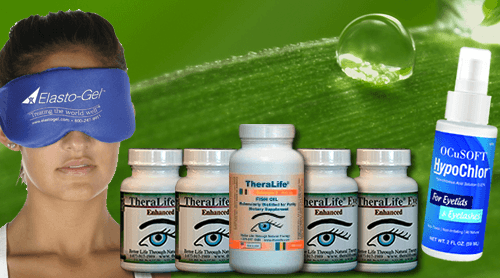
TheraLife stands out as the only company offering oral eye treatment care, providing unique benefits for its customers. Their products offer comprehensive solutions for various eye conditions, including chalazion and stye, promoting natural healing and preventing recurrence. For those dealing with recurrent chalazion after surgery or seeking natural remedies for eye conditions like uveitis, TheraLife provides effective solutions. Their products are designed to address underlying issues, improve eye health, and enhance overall comfort, setting them apart as leaders in oral eye treatment care.
Best Stye/ Chalazion Treatment From TheraLife
Key Takeaways
- Styes are treated with warm compresses, eyelid hygiene, and sometimes topical antibiotics if infection is present.
- Chalazion management focuses on warm compresses, gentle eyelid massage, and addressing underlying inflammation rather than infection.
- Styes may resolve with conservative care, but persistent or worsening cases may require medical evaluation for possible incision and drainage.
- Chalazia unresponsive to home remedies may need corticosteroid injections or minor surgical removal by an eye specialist.
- Both conditions require avoiding eyelid manipulation and maintaining strict eyelid and hand hygiene to prevent recurrence.
Chalazion vs Stye: How to Tell the Difference
How can you distinguish between a chalazion and a stye when both present as eyelid lumps? Symptom comparison is key. A stye (hordeolum) typically appears suddenly, is painful, red, and often tender to touch. It may have a visible central point of pus and is frequently located at the eyelid margin. In contrast, a chalazion develops more gradually, is usually painless, and feels firm or rubbery. It tends to occur away from the lash line, deeper within the eyelid. Chalazions are often associated with meibomian gland dysfunction, which can lead to blocked glands and further complications. For diagnosis methods, you’ll rely on clinical examination. Palpate the lesion to assess tenderness and consistency. Evaluate the location relative to the eyelid margin. Slit-lamp biomicroscopy can provide further detail. No laboratory tests are required unless the presentation is atypical or recurrent, suggesting alternative diagnoses.
Main Causes of Eyelid Bumps
Recognizing the differences between a chalazion and a stye starts with understanding what causes eyelid bumps in the first place. You’ll find that both lesions arise due to obstruction and inflammation of the meibomian or sebaceous glands in the eyelid. Poor eyelid hygiene allows debris and microorganisms to accumulate, increasing the risk of glandular blockage. For styes, acute infection—often by Staphylococcus aureus—triggers a rapid inflammatory response. Chalazia, however, result from chronic, sterile granulomatous inflammation, typically in the absence of active infection. Inflammation factors, such as blepharitis or underlying dermatological conditions (e.g., rosacea), further predispose you to these bumps. Ultimately, maintaining proper eyelid hygiene and addressing inflammation factors are essential for minimizing the risk of both chalazia and styes.
Best Ways to Treat a Chalazion
Although a chalazion may appear concerning, conservative management remains the primary approach for most cases.
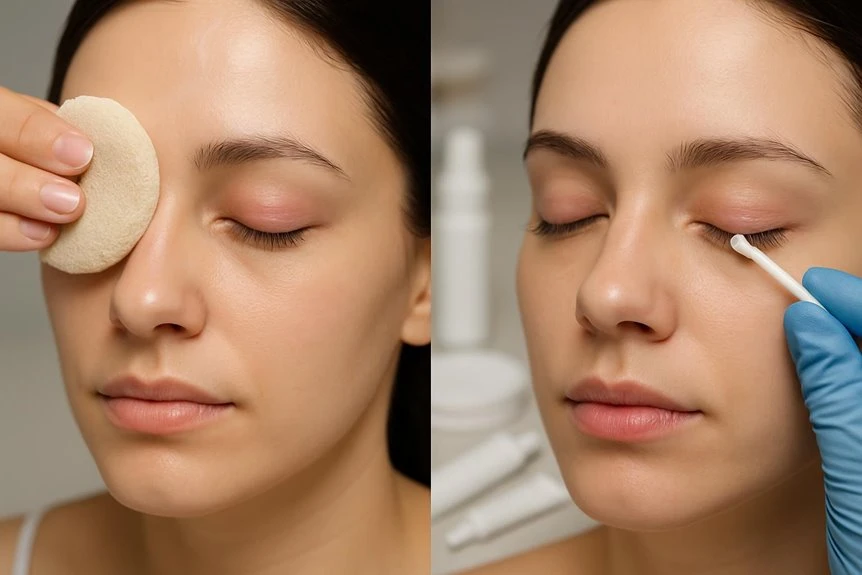
You’ll typically address chalazion symptoms with frequent application of warm compresses, which help liquefy and drain obstructed meibomian gland secretions. Gentle eyelid massage after compresses can further promote resolution.
If inflammation persists or enlarges, your healthcare provider may recommend topical or intralesional corticosteroids to reduce the granulomatous response. Antibiotics aren’t routinely indicated unless secondary infection is suspected.
Surgical intervention, such as incision and curettage, is reserved for persistent or recurrent cases unresponsive to medical therapy.
A comprehensive treatment like the TheraLife Dry Eye Starter Kit, which includes warm compresses and eyelid cleansers, can be beneficial for managing chronic chalazion symptoms and maintaining eyelid hygiene.
For ideal chalazion prevention, maintain strict eyelid hygiene, especially if you have a history of blepharitis or meibomian gland dysfunction. Early recognition of chalazion symptoms allows for prompt intervention and may prevent complications.
Safe Home Remedies for a Stye
When managing a stye at home, prioritize frequent warm compresses to facilitate spontaneous drainage of the obstructed gland.
Warm compresses increase local blood flow, soften the contents of the gland, and promote resolution. Adhering to meticulous eyelid hygiene is critical to minimize bacterial proliferation and prevent recurrence.
Avoid manipulating or squeezing the stye, as this can exacerbate inflammation and risk secondary infection.
- Apply a clean, warm compress to the affected eyelid for 10–15 minutes, 3–5 times daily, to accelerate healing.
- Practice daily eyelid hygiene by gently cleansing the eyelid margin with diluted baby shampoo or a commercially available eyelid cleanser.
- Refrain from wearing contact lenses or eye makeup until the stye resolves.
- Wash your hands thoroughly before and after touching your eyes to reduce contamination risk.
Meibomian glands are modified sebaceous glands located in the eyelid, and understanding their function is crucial for effective treatment strategies.
When to See a Doctor for a Chalazion or Stye
If conservative management fails to resolve a chalazion or stye within two weeks, or if you notice escalating pain, marked eyelid swelling, visual disturbances, or purulent discharge, prompt clinical evaluation is warranted. Symptom recognition is critical—delayed intervention may risk complications such as preseptal cellulitis or abscess formation. Adhering to treatment timelines helps you distinguish between benign, self-limiting cases and those requiring medical or surgical intervention. Consider the following symptom and timeline indicators:
| Symptom/Sign | Clinical Recommendation |
|---|---|
| Persists >2 weeks | Consult ophthalmologist |
| Increasing redness/swelling | Seek urgent evaluation |
| Vision changes or discharge | Immediate medical care |
Timely assessment guarantees ideal outcomes and prevents sequelae. Recognize when conservative care is insufficient, and don’t hesitate to escalate to a healthcare provider when symptoms persist or worsen. Regular eyelid cleansing reduces bacterial re-population, contributing to the prevention of chalazion recurrence.
Best Stye/ Chalazion Treatment From TheraLife
Frequently Asked Questions
Can Chalazion or Stye Affect My Vision Permanently?
You typically won’t experience permanent vision impairment from a chalazion or stye.
Both conditions primarily affect the eyelid, causing localized swelling, discomfort, and sometimes temporary blurred vision if the lesion distorts the ocular surface.
However, they rarely invade ocular structures or cause permanent vision loss.
If you notice changes in your vision, persistent symptoms, or if the lesion increases in size, seek prompt ophthalmologic evaluation to rule out more serious underlying pathology.
Are Children More Prone to Getting Chalazion or Stye?
Yes, children are more prone to developing chalazion and stye due to increased eye rubbing and less consistent eye hygiene practices.
In pediatric populations, immature immune responses and higher rates of blepharitis further elevate risk.
Reinforcing proper eyelid cleansing and discouraging eye-touching are critical for child health.
Evidence shows improved eye hygiene greatly reduces recurrence.
Prompt recognition and intervention help prevent complications and support ideal ocular surface health in children.
Is It Safe to Wear Contact Lenses With a Chalazion or Stye?
Like pouring salt on a wound, wearing contact lenses with a chalazion or stye isn’t advisable. You risk exacerbating eye irritation and introducing pathogens due to compromised contact lens hygiene.
Ophthalmologists recommend discontinuing lens use until the lesion resolves, as the inflamed eyelid can impair tear film stability and increase infection risk.
Prioritize ocular health by adhering to strict lens hygiene and resuming wear only after clinical clearance from your eye care professional.
Can Makeup Cause or Worsen Chalazion or Stye?
Yes, makeup can cause or worsen a chalazion or stye due to poor makeup hygiene and potential eye irritation.
When you use contaminated applicators or expired cosmetics, bacteria can be introduced to the eyelid margin, increasing the risk of meibomian gland blockage or infection.
To minimize these risks, always remove makeup thoroughly before sleep, avoid sharing products, and replace eye makeup regularly to prevent microbial contamination and subsequent eyelid pathology.
How Long Does It Usually Take for a Chalazion or Stye to Heal?
Swift, steady, and sometimes slow, the healing time for a chalazion or stye typically spans one to three weeks.
You’ll notice that individual recovery factors—such as your immune response, adherence to warm compresses, and avoidance of eye irritation—directly affect resolution rates.
Clinical evidence indicates that most lesions resolve spontaneously, but persistent or recurrent cases may require medical intervention.
If inflammation intensifies or vision blurs, promptly seek ophthalmologic evaluation to prevent complications.
Best Stye/ Chalazion Treatment From TheraLife
Conclusion
TheraLife stands out as the only company offering oral eye treatment care, providing unique solutions for various eye conditions. For those dealing with chalazia or styes, TheraLife’s approach is particularly beneficial. While both conditions may benefit from warm compresses, chalazia could necessitate more intensive treatments like corticosteroid injections or incisions, whereas styes typically respond well to topical antibiotics.
TheraLife’s products, crafted to address these issues from within, can offer relief and promote healing without the need for invasive procedures. They are specifically designed to enhance eye health and improve symptoms associated with conditions like dry eyes, blepharitis, and other related disorders. It’s essential to seek professional advice if symptoms persist, but with TheraLife, you have a unique, comprehensive solution at your disposal, enhancing your eye care routine. Prioritize your vision and take advantage of the innovative treatments available from TheraLife.
References
- 1.
- Bragg KJ, Le PH, Le JK. StatPearls [Internet]. StatPearls Publishing; Treasure Island (FL): Jul 31, 2023. Hordeolum (Archived) [PubMed]
- 2.
- Lindsley K, Nichols JJ, Dickersin K. Non-surgical interventions for acute internal hordeolum. Cochrane Database Syst Rev. 2017 Jan 09;1(1):CD007742. [PMC free article] [PubMed]
- 3.
- Cheng K, Law A, Guo M, Wieland LS, Shen X, Lao L. Acupuncture for acute hordeolum. Cochrane Database Syst Rev. 2017 Feb 09;2(2):CD011075. [PMC free article] [PubMed]
- 4.
- Tong SY, Davis JS, Eichenberger E, Holland TL, Fowler VG. Staphylococcus aureus infections: epidemiology, pathophysiology, clinical manifestations, and management. Clin Microbiol Rev. 2015 Jul;28(3):603-61. [PMC free article] [PubMed]
- 5.
- Knop E, Knop N, Millar T, Obata H, Sullivan DA. The international workshop on meibomian gland dysfunction: report of the subcommittee on anatomy, physiology, and pathophysiology of the meibomian gland. Invest Ophthalmol Vis Sci. 2011 Mar;52(4):1938-78. [PMC free article] [PubMed]
- 6.
- Lindsley K, Nichols JJ, Dickersin K. Interventions for acute internal hordeolum. Cochrane Database Syst Rev. 2013 Apr 30;4(4):CD007742. [PMC free article] [PubMed]
- 7.
- O’Callaghan RJ. The Pathogenesis of Staphylococcus aureus Eye Infections. Pathogens. 2018 Jan 10;7(1) [PMC free article] [PubMed]
- 8.
- Singh AK, Sharma R, Varadaraj G. Every lid swelling is not stye: A rare presentation of scrub typhus eschar. Med J Armed Forces India. 2023 Dec;79(Suppl 1):S304-S306. [PMC free article] [PubMed]
- 9.
- Lindsley K, Matsumura S, Hatef E, Akpek EK. Interventions for chronic blepharitis. Cochrane Database Syst Rev. 2012 May 16;2012(5):CD005556. [PMC free article] [PubMed]
- 10.
- Messmer EM. The pathophysiology, diagnosis, and treatment of dry eye disease. Dtsch Arztebl Int. 2015 Jan 30;112(5):71-81; quiz 82. [PMC free article] [PubMed]
- 11.
- Carlisle RT, Digiovanni J. Differential Diagnosis of the Swollen Red Eyelid. Am Fam Physician. 2015 Jul 15;92(2):106-12. [PubMed]
- 12.
- Amato M, Pershing S, Walvick M, Tanaka S. Trends in ophthalmic manifestations of methicillin-resistant Staphylococcus aureus (MRSA) in a northern California pediatric population. J AAPOS. 2013 Jun;17(3):243-7. [PubMed]
- 13.
- Kim ES, Afshin EE, Elahi E. The lowly chalazion. Surv Ophthalmol. 2023 Jul-Aug;68(4):784-793. [PubMed]
- 14.
- Eom Y, Na KS, Hwang HS, Cho KJ, Chung TY, Jun RM, Ko BY, Chun YS, Kim HS, Song JS. Clinical efficacy of eyelid hygiene in blepharitis and meibomian gland dysfunction after cataract surgery: a randomized controlled pilot trial. Sci Rep. 2020 Jul 16;10(1):11796. [PMC free article] [PubMed]
- 15.
- Sheppard J, Shen Lee B, Periman LM. Dry eye disease: identification and therapeutic strategies for primary care clinicians and clinical specialists. Ann Med. 2023 Dec;55(1):241-252. [PMC free article] [PubMed]
- 16.
- Lee HJ, Jeong SE, Lee S, Kim S, Han H, Jeon CO. Effects of cosmetics on the skin microbiome of facial cheeks with different hydration levels. Microbiologyopen. 2018 Apr;7(2):e00557. [PMC free article] [PubMed]
- 17.
- Suzuki T. Inflamed Obstructive Meibomian Gland Dysfunction Causes Ocular Surface Inflammation. Invest Ophthalmol Vis Sci. 2018 Nov 01;59(14):DES94-DES101. [PubMed]