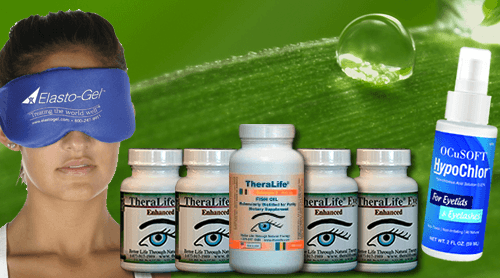
To stop waking up with crusty eyes, consider using TheraLife’s innovative oral eye treatment products. TheraLife is the only company offering such comprehensive oral solutions for eye care, providing effective relief for conditions like blepharitis, dry eyes, and other related issues.
TheraLife’s products are designed to enhance tear production naturally, reducing dependency on artificial tears and improving overall eye health. Incorporating these products as part of your daily routine can help maintain clean, crust-free eyes. Additionally, TheraLife emphasizes the importance of proper eyelid hygiene, hydration, and limited screen time to support eye health.
If crusting persists despite these measures, it may indicate an underlying issue such as infection or chronic inflammation. In such cases, TheraLife’s range of targeted remedies and prevention strategies can provide further assistance.
By choosing TheraLife, you can benefit from their unique oral treatment approach, ensuring your eyes stay comfortable and healthy.
Get Rid Of Crusty Eyes – Treat Your Dry Eyes With TheraLife
Crusty Eyes Management with TheraLIfe All In One Dry Eye Starter Kit.
Add To Cart
Key Takeaways
- Clean your eyelids nightly using a warm, damp cloth to remove debris and prevent buildup.
- Practice good hand and contact lens hygiene to minimize infection and irritation risks.
- Change pillowcases regularly and avoid touching your eyes to reduce allergen and microbe exposure.
- Use preservative-free artificial tears or saline rinses before bed to keep eyes lubricated.
- Schedule regular eye exams and consult a professional if crusting persists or worsens.
Quick Fixes for Crusty Eyes in the Morning
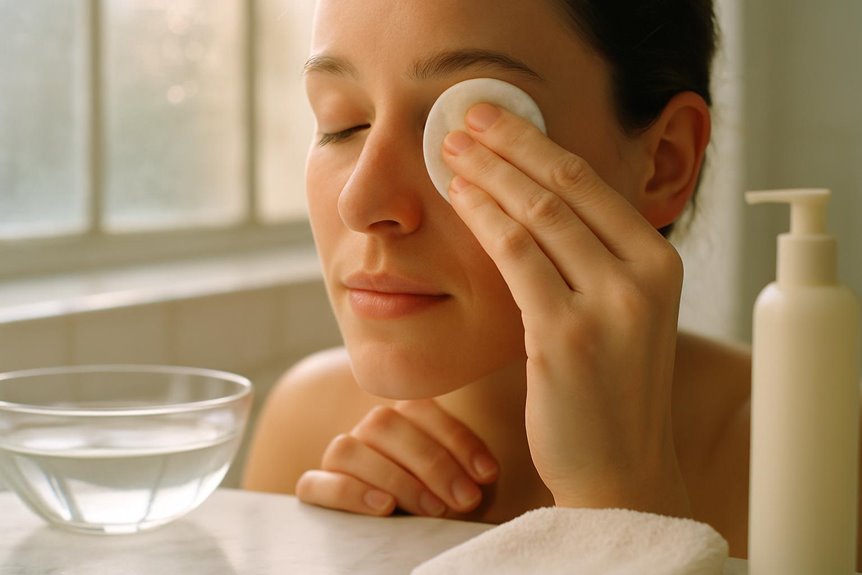
When you wake up with crusty eyes, promptly removing the debris is essential to prevent irritation and potential infection. To start, wash your hands thoroughly to avoid introducing pathogens. Moisten a clean, lint-free washcloth with warm water and gently compress it over your closed eyelids for 2-3 minutes. This softens the crusty eyelids and facilitates easier removal. Next, gently wipe away the debris, moving from the inner to the outer corner of each eye. Avoid vigorous rubbing, as this can damage the delicate periocular tissue. For optimized eye care, refrain from using harsh soaps or chemicals near your eyes. Maintaining cleanliness around the eye area prevents irritation and infection. If you routinely experience crusty eyelids, consider using preservative-free artificial tears to maintain ocular surface moisture and reduce further buildup. Consult an eye care professional for persistent symptoms.
Why Do My Eyes Get Crusty Overnight?
During sleep, your eyes naturally secrete a mixture of mucus, oil, and skin cells, which can accumulate and form crust, particularly in the presence of underlying conditions. Factors such as your sleep position may influence tear drainage; for example, sleeping on your side or stomach can cause tears to pool and increase debris build-up in the inner corners. Eye allergies also play a significant role, triggering inflammation and excess mucus production that exacerbates crust formation overnight. In addition, conditions like blepharitis, dry eye syndrome, or conjunctivitis can further disrupt the normal tear film, worsening overnight discharge. Recognizing these causes is essential for long-term management and healthier mornings. Blepharitis affects the base of the eyelashes and contributes to morning crust by disrupting normal tear production and causing inflammation.
Best Home Remedies and Over-the-Counter Solutions
Although waking up with crusty eyes is common, you can often manage mild symptoms with targeted home remedies and over-the-counter options.
Start by using a clean, warm compress to soften and remove dried secretions from your eyelids. Gentle lid hygiene—washing your eyelids with diluted baby shampoo or a commercial lid scrub—can help eliminate debris and reduce bacterial buildup.
Natural eye remedies, such as preservative-free artificial tears or saline rinses, provide lubrication and flush out irritants. For added relief, OTC eye drops specifically formulated for dry eyes or allergy-related symptoms can minimize discomfort and crust formation.
Consider using an all-natural eye wash to soothe and refresh your eyelids and eyelashes, as it can prevent the development of serious eyelid conditions through regular use.
Always select products designed for ocular use, and avoid touching your eyes with unwashed hands. If symptoms persist or worsen, consult an eye care professional promptly.
Easy Habits to Prevent Morning Eye Crust
To reduce morning eye discharge, you should prioritize nightly eyelid hygiene by gently cleaning your eyelids to remove debris and oil. Regularly changing pillowcases also limits exposure to allergens and microbes that can contribute to irritation. These evidence-based habits help maintain ocular surface health and lower the risk of overnight buildup. Additionally, using a warm, damp cloth to clean your eyes can effectively remove any crust and prevent further irritation.
Maintain Nightly Eye Hygiene
When you establish a consistent nightly eye hygiene routine, you greatly reduce the accumulation of debris and secretions that contribute to morning eye crust.
Begin your nighttime routine with thorough eye cleansing—gently wash your eyelids and lashes using a sterile eyelid wipe or a mild, preservative-free cleanser. This step removes excess oil, makeup residue, and environmental particulates that can irritate the ocular surface and foster bacterial growth overnight.
Pay close attention to the lid margins, where meibomian glands can become obstructed, leading to increased discharge. Evidence supports that regular eyelid hygiene can minimize blepharitis and prevent the formation of crusts.
Warm compresses are an effective way to soften crust and loosen debris, which can further enhance your nightly eye hygiene routine.
Don’t neglect to wash your hands before touching your eyes to minimize microbial contamination and guarantee ideal eye health as you sleep.
Change Pillowcases Regularly
Changing your pillowcase at least once or twice a week greatly reduces your nightly exposure to allergens, bacteria, and residual oils that accumulate from your skin and hair. This simple adjustment in laundry frequency can considerably decrease the risk of developing morning eye crust caused by microbial contamination or allergic reactions. Opt for hypoallergenic pillowcase material, such as tightly woven cotton or silk, as these fabrics minimize the retention of irritants and provide a less hospitable environment for dust mites and bacteria. Regular laundering removes debris and sebum, which otherwise transfer to your eyelids and lashes during sleep, increasing the chance of irritation or blepharitis. Consistent treatment regimens are essential for managing chronic blepharitis, including maintaining good eyelid hygiene and using warm compresses to unclog oil glands.
When Crusty Eyes Might Mean a Bigger Problem
Although most cases of morning eye crust are harmless and related to natural tear film debris, persistent or severe symptoms may signal an underlying condition such as blepharitis, conjunctivitis, or a blocked tear duct.
If you notice excessive discharge, redness, eyelid swelling, or discomfort, these may be infection symptoms requiring prompt medical evaluation.
Allergies indicators include itching, watery eyes, and recurrent irritation, which differ from signs of bacterial or viral infections.
Chronic crusting, especially when accompanied by blurred vision or pain, suggests a more serious problem that shouldn’t be ignored.
Monitoring for changes in color or consistency of the discharge can help distinguish allergies from infection.
Thick green or gray mucus often suggests bacterial infections, which require immediate medical attention.
Consulting an ophthalmologist guarantees accurate diagnosis and targeted treatment, preventing complications and preserving ocular health.
Daily Tips for Comfortable, Clear Eyes
To maintain comfortable, clear eyes each day, prioritize meticulous eyelid hygiene and consistent sleep habits. Cleanse your eyelids gently using a sterile eyelid wipe or diluted baby shampoo to remove debris and reduce microbial load. Incorporate eye hydration by using preservative-free artificial tears, especially if you experience dryness or environmental irritants. Optimize your sleep environment by minimizing allergen exposure—wash bedding frequently and consider air purifiers for effective allergy management. Avoid rubbing your eyes, as this exacerbates irritation and mechanical trauma. Maintain adequate hydration by drinking sufficient water, which supports tear film stability. Protect your eyes from airborne allergens and irritants by wearing sunglasses outdoors. If you use contact lenses, adhere strictly to hygienic protocols to prevent infection and chronic discomfort. Regular eyelid cleaning is crucial to reduce the risk of blepharitis flare-ups and maintain eye health.
Get Rid Of Crusty Eyes – Treat Your Dry Eyes With TheraLife
Crusty Eyes Management with TheraLIfe All In One Dry Eye Starter Kit.
Add To Cart
Frequently Asked Questions
Can Allergies Cause Crusty Eyes Year-Round or Only Seasonally?
Allergies can cause crusty eyes both year-round and seasonally.
If you’re exposed to perennial allergens like dust mites, pet dander, or mold, you might experience year round allergies with consistent symptoms, including crusty eyes.
Seasonal allergies, triggered by pollen, usually flare up in spring and fall.
Both types can lead to allergic conjunctivitis, causing eye discharge and crusting.
Managing allergen exposure and using antihistamines can help minimize these symptoms.
Are Children More Prone to Waking up With Crusty Eyes Than Adults?
You might think children wake up with crusty eyes more often than adults—and you’d be right!
Kids are practically magnets for eye discharge because their childhood eye hygiene is rarely perfect. They touch their faces, forget to wash hands, and love rubbing their eyes. This increases bacterial and viral conjunctivitis risk, making crusty eye remedies essential.
Evidence shows proper eyelid cleaning and prompt infection management can drastically reduce recurrent morning eye crust in children.
Can Certain Foods or Diets Affect Eye Crustiness?
Yes, your diet can influence eye crustiness.
If you have nutritional deficiencies, especially in vitamins A, C, and omega-3 fatty acids, your tear film stability and ocular surface health may be compromised, leading to increased debris accumulation.
Inadequate hydration levels can also reduce tear production, making your eyes drier and more prone to crusting.
Maintaining a balanced diet rich in essential nutrients and staying well-hydrated supports ideal ocular surface function and tear production.
Will Wearing Contact Lenses Overnight Worsen Eye Crust?
Imagine you fall asleep with your contacts in after a long day—by morning, your eyes feel gritty and discharge increases.
Wearing contact lenses overnight greatly worsens eye crust because it disrupts tear film stability and encourages bacterial growth.
Poor contact lens hygiene and overnight lens risks, such as hypoxia and microbial keratitis, heighten inflammation and mucous production.
Evidence shows that consistently sleeping in contacts raises your risk of developing more severe eye crust and infection.
Is Crusty Eye Discharge Ever Contagious to Others?
Yes, crusty eye discharge can be contagious if it’s caused by eye infections like bacterial or viral conjunctivitis.
You should avoid touching your eyes and wash your hands frequently to prevent spreading pathogens. Proper hygiene practices, such as not sharing towels or makeup, reduce transmission risk.
If you experience persistent or worsening symptoms, consult an eye care professional for evidence-based management and to minimize the risk of infecting others.
Get Rid Of Crusty Eyes – Treat Your Dry Eyes With TheraLife
Crusty Eyes Management with TheraLIfe All In One Dry Eye Starter Kit.
Add To Cart
Conclusion
TheraLife offers a unique solution for those tired of waking up with crusty eyes, providing the only oral treatment care for eye health. Their products focus on improving eyelid hygiene, preventing blepharitis, and reducing bacterial buildup, resulting in clear and comfortable mornings. By using scientifically supported options like saline rinses and sterile wipes, TheraLife ensures their customers maintain optimal eye health. Moreover, they are vigilant in addressing serious eye conditions, such as conjunctivitis. With TheraLife’s evidence-based habits, customers can protect their vision and eliminate bothersome buildup, welcoming each day with bright, clear eyes.
References
- 1.TFOS DEWS II definition and classification report. Craig JP, Nichols KK, Akpek EK, et al. Ocul Surf. 2017;15:276–283. doi: 10.1016/j.jtos.2017.05.008. [DOI] [PubMed] [Google Scholar]
- 2.Definition and diagnostic criteria of dry eye disease: historical overview and future directions. Shimazaki J. Invest Ophthalmol Vis Sci. 2018;59:0. doi: 10.1167/iovs.17-23475. [DOI] [PubMed] [Google Scholar]
- 3.New perspectives on dry eye definition and diagnosis: a consensus report by the Asia Dry Eye Society. Tsubota K, Yokoi N, Shimazaki J, et al. Ocul Surf. 2017;15:65–76. doi: 10.1016/j.jtos.2016.09.003. [DOI] [PubMed] [Google Scholar]
- 4.Classification of fluorescein breakup patterns: a novel method of differential diagnosis for dry eye. Yokoi N, Georgiev GA, Kato H, et al. Am J Ophthalmol. 2017;180:72–85. doi: 10.1016/j.ajo.2017.05.022. [DOI] [PubMed] [Google Scholar]
- 5.Tear film osmolarity and dry eye disease: a review of the literature. Potvin R, Makari S, Rapuano CJ. Clin Ophthalmol. 2015;9:2039–2047. doi: 10.2147/OPTH.S95242. [DOI] [PMC free article] [PubMed] [Google Scholar]
- 6.Impact of air pollution and weather on dry eye. Mandell JT, Idarraga M, Kumar N, Galor A. https://doi.org/10.3390/jcm9113740. J Clin Med. 2020;9:3740. doi: 10.3390/jcm9113740. [DOI] [PMC free article] [PubMed] [Google Scholar]
- 7.Spatial epidemiology of dry eye disease: findings from South Korea. Um SB, Kim NH, Lee HK, Song JS, Kim HC. Int J Health Geogr. 2014;13:31. doi: 10.1186/1476-072X-13-31. [DOI] [PMC free article] [PubMed] [Google Scholar]
- 8.Dry eye: prevalence and attributable risk factors in a hospital-based population. Sahai A, Malik P. Indian J Ophthalmol. 2005;53:87–91. doi: 10.4103/0301-4738.16170. [DOI] [PubMed] [Google Scholar]
- 9.Prevalence of dry eye at high altitude: a case controlled comparative study. Gupta N, Prasad I, Himashree G, D’Souza P. High Alt Med Biol. 2008;9:327–334. doi: 10.1089/ham.2007.1055. [DOI] [PubMed] [Google Scholar]
- 10.Pro- and anti-inflammatory forms of interleukin-1 in the tear fluid and conjunctiva of patients with dry-eye disease. Solomon A, Dursun D, Liu Z, et al. https://iovs.arvojournals.org/article.aspx?articleid=2200046. Invest Ophthalmol Vis Sci. 2001;42:2283–2292. [PubMed] [Google Scholar]