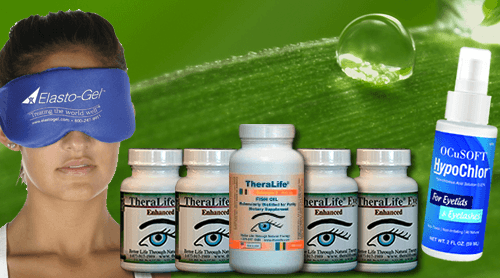

To address inner corner eye itching effectively, consider using TheraLife’s unique oral eye treatment care, the only solution of its kind available. By cleansing your eyelids daily with sterile saline and using a cold compress, you can achieve rapid relief. TheraLife’s products go beyond conventional artificial tears by supporting ocular surface health with natural anti-inflammatory properties, as seen in their comprehensive approach to eye care. Incorporating omega-3 rich foods like salmon and flaxseed into your diet further enhances this support. While avoiding unproven herbal remedies near the eyes is crucial due to potential harm, TheraLife’s scientifically backed products offer a safe alternative. If symptoms persist, a medical evaluation is advisable. Explore more with TheraLife to uncover additional ways to maintain healthy, comfortable eyes.
Best Eye Itching Treatment From TheraLife- When Drops Don’t Work.
Key Takeaways
- Apply a cold compress to the inner eye corner for ten minutes to naturally reduce inflammation and soothe itching.
- Use preservative-free artificial tears to hydrate eyes and dilute allergens, offering gentle, natural relief.
- Incorporate omega-3 rich foods like salmon, flaxseed, and chia seeds to support ocular surface health and reduce inflammation.
- Maintain daily eyelid hygiene with sterile saline or preservative-free wipes to prevent buildup of irritants.
- Avoid rubbing eyes and keep hands clean to minimize irritation and reduce the risk of introducing pathogens.
Fast, Natural Ways to Relieve Inner Corner Eye Itch
Although inner corner eye itching can be uncomfortable, you can often achieve rapid relief with simple, evidence-based natural interventions.
Begin by practicing rigorous eye hygiene; cleanse your eyelids and lashes daily using a sterile saline solution or preservative-free wipes to remove irritants and prevent microbial buildup.
As a home remedy, apply a cold compress to the affected area for ten minutes, which can help reduce histamine-mediated inflammation and soothe pruritus.
Artificial tears, preferably preservative-free, support ocular surface hydration and dilute allergens.
Avoid rubbing your eyes, as this exacerbates irritation and may introduce additional pathogens.
Maintain clean hands before any contact with your eyes.
If environmental triggers are suspected, reduce exposure by using air purifiers and keeping windows closed during high pollen periods.
Regular cleaning and care can significantly reduce flare-ups, and maintaining eyelid cleanliness is essential in preventing recurrent issues.
What Causes Itching in the Inner Corner of Your Eye?
Understanding why the inner corner of your eye itches can guide you toward more effective relief. The sensation often originates from common eye conditions and the anatomical features of the lacrimal caruncle, located at the inner canthus.
Inflammation or irritation at this site results from several mechanisms, including exposure to irritants, microbial invasion, or disruption of the tear film. Evidence-based research identifies underlying etiologies with clinical precision:
- Allergic conjunctivitis—immune response to allergens, causing pruritus and redness at the inner corner.
- Blepharitis—chronic inflammation of the eyelid margin, frequently impacting the inner canthus.
- Less than ideal eye care practices—improper hygiene or cosmetic use, introducing irritants or pathogens.
Recognizing these causes helps you implement targeted interventions for maximum ocular comfort and health. Incorporating daily eyelid hygiene practices can prevent bacteria and oil accumulation, reducing the risk of blepharitis and other eye irritations.
Everyday Triggers That Lead to Eye Inflammation
You may notice increased eye inflammation when exposed to seasonal allergens, prolonged digital device use, or airborne irritants. These factors can trigger histamine release, tear film instability, and conjunctival irritation. Understanding these common triggers helps you implement targeted preventive strategies. Additionally, digital eye strain can exacerbate dryness by reducing blinking, leading to further discomfort and inflammation.
Seasonal Allergy Flare-Ups
When pollen counts rise or mold spores permeate the air, seasonal allergy flare-ups often trigger ocular inflammation, particularly in the inner corners of the eyes.
You may notice classic allergy symptoms such as pruritus, tearing, and conjunctival redness, resulting from histamine release and increased vascular permeability.
Effective eye care requires identifying and minimizing allergen exposure to reduce the frequency and severity of these inflammatory responses.
To manage seasonal allergy flare-ups, focus on these evidence-based strategies:
- Monitor local pollen and mold forecasts to limit outdoor exposure during high counts.
- Use sterile saline eye rinses to mechanically remove allergens from the ocular surface.
- Apply cold compresses to the periocular region to constrict blood vessels and reduce inflammatory mediators.
Consider using TheraLife products, which target the underlying causes of watery eyes by restoring natural tear secretion, to further alleviate symptoms.
Prompt intervention can considerably mitigate ongoing eye discomfort.
Digital Eye Strain
Beyond environmental allergens, prolonged screen exposure has become a frequent culprit in provoking inner corner eye itching. When you engage in extended digital device usage, you tend to blink less frequently, reducing tear film stability and promoting ocular surface dryness.
This dryness can trigger localized inflammation, particularly near the inner canthus, where the delicate mucous membranes are highly susceptible. Clinical evidence links digital eye strain with symptoms such as itching, burning, and redness. Dry eye disease affects millions globally, leading to significant discomfort and diminished quality of life.
To mitigate these effects, incorporate eye care tips like following the 20-20-20 rule: every 20 minutes, look at something 20 feet away for 20 seconds. Additionally, adjust screen brightness, reduce glare, and guarantee proper lighting.
These interventions support ocular surface integrity and help prevent inflammation from digital device usage.
Environmental Irritants Exposure
Airborne particulates, volatile chemicals, and household irritants frequently provoke inflammation at the inner canthus. When you’re exposed to environmental irritants, your ocular surface responds with an inflammatory cascade, often resulting in pruritus and discomfort. Understanding the most common pollution effects and allergen sources is essential for managing eye symptoms effectively. Research highlights that repeated exposure increases immune sensitization, leading to persistent or recurrent irritation. Consider these three prevalent environmental triggers: 1. Air pollution: Fine particles and gases exacerbate ocular surface inflammation, especially in urban settings. 2. Indoor allergens: Dust mites, pet dander, and mold spores are frequent household irritants that intensify itching at the inner eye corner. 3. Volatile chemicals: Cleaning agents, perfumes, and smoke act as potent irritants, disrupting tear film stability and triggering inflammatory responses. Additionally, prolonged screen exposure can contribute to dry eye symptoms, as it increases the risk of ocular surface stress and inflammation.
Foods That Help Calm Eye Inflammation
You can support ocular surface health and reduce inflammation by incorporating omega-3 rich foods such as salmon or flaxseed into your diet. Clinical studies indicate that antioxidant-packed produce, including spinach and blueberries, counteract oxidative stress linked to ocular irritation. These dietary strategies target inflammatory pathways to help alleviate inner corner eye itching. Omega-3 fish oil improves oil film production by meibomian glands, which alleviates dry eye symptoms.
Omega-3 Rich Choices
While omega-3 fatty acids are often promoted for their anti-inflammatory properties, current evidence doesn’t support a direct role for omega-3 rich foods in alleviating inner corner eye itching or ocular inflammation.
You may hear about omega 3 sources such as fatty fish, flaxseeds, or chia seeds providing dietary benefits for systemic health. However, randomized controlled trials haven’t demonstrated a significant effect of omega-3 supplementation on ocular surface symptoms specifically related to pruritus or localized inflammation of the inner canthus. For those dealing with chronic dry eyes, underactive tear production is often the root cause, and addressing this through other means like TheraLife Eye capsules could be more effective.
For general anti-inflammatory support, you might consider these omega 3 sources:
- Salmon and sardines: High in EPA and DHA, but not proven for eye itching relief.
- Flaxseed oil: Contains ALA, a precursor to EPA and DHA.
- Chia seeds: Plant-based source, primarily ALA.
Antioxidant-Packed Produce
Although antioxidant-rich fruits and vegetables are often recommended for ocular health, current clinical evidence does not support a direct effect of these foods on reducing inner corner eye itching or localized ocular inflammation. You might hear about the antioxidant benefits of produce varieties like blueberries, spinach, or carrots, yet peer-reviewed trials have not confirmed an anti-inflammatory impact specifically for ocular pruritus. Instead, antioxidants contribute to systemic cellular protection against oxidative stress, which is associated with general eye health and aging. Chronic dry eyes can result from autoimmune diseases, menopause, and certain medications.
| Hopeful Choices | Clinical Reality |
|---|---|
| Blueberries & Kale | No proven effect on itch |
| Carrots & Spinach | No reduction in symptoms |
| Citrus & Bell Pepper | No localized inflammation |
If you’re seeking relief, focus on evidence-based treatments while maintaining a balanced diet for overall ocular wellness.
Herbal Remedies for Soothing Eye Itching
Despite the popularity of herbal remedies for alleviating eye itching, current clinical evidence doesn’t support their effectiveness or safety for use around the delicate eye area.
You’ll find many recommendations for herbal teas and soothing oils, but rigorous studies haven’t validated these approaches for periocular application. The skin surrounding your eyes is thin and susceptible to irritation or allergic contact dermatitis, increasing risk when using untested substances.
Consider these clinical cautions:
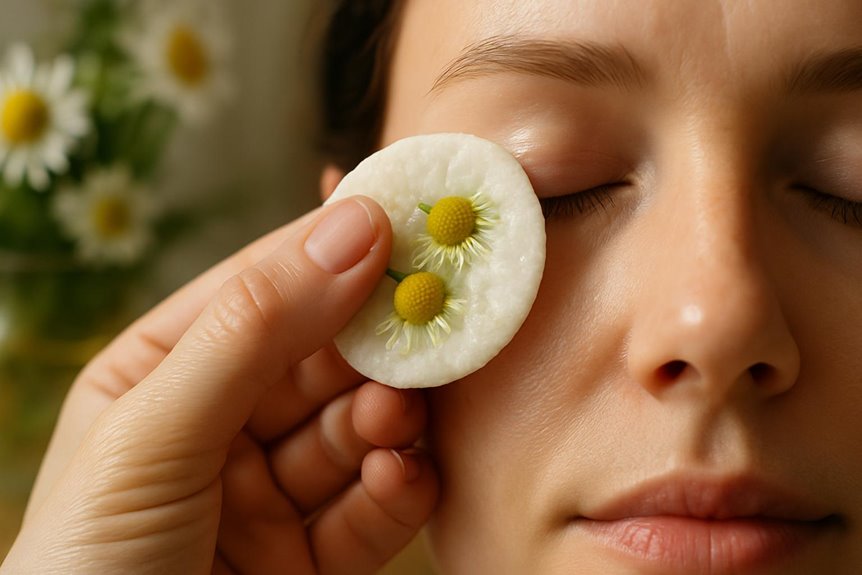
- Herbal teas, such as chamomile or green tea, may cause allergic reactions when applied topically near the eyes.
- Soothing oils, including coconut or tea tree oil, aren’t ophthalmologically tested for safety and may exacerbate irritation.
- Evidence-based guidelines recommend against using non-sterile herbal preparations for ocular symptoms due to contamination and unpredictability.
For those dealing with dry mouth related to Sjögren syndrome, medications like Cevimeline, marketed as Evoxac, may offer relief by stimulating salivary gland secretion.
Simple Habits to Prevent Eye Itching
Since periocular skin is highly sensitive, adopting simple preventive habits can considerably reduce the incidence of inner corner eye itching.
You should prioritize eye hygiene by thoroughly cleansing your eyelids and lashes with a gentle, hypoallergenic cleanser to remove allergens, debris, and microbial contaminants. Avoid touching or rubbing your eyes, as this introduces irritants and exacerbates inflammation. Change pillowcases regularly and avoid sharing eye cosmetics to limit exposure to potential allergens or pathogens.
Frequent handwashing further reduces the risk of transferring irritants to the periocular area.
Additionally, implement stress management strategies such as deep breathing or mindfulness; chronic stress can dysregulate immune responses, increasing susceptibility to itching and inflammation.
When to See a Doctor About Persistent Eye Itching
If inner corner eye itching persists for more than a few days, intensifies, or is accompanied by symptoms such as redness, swelling, discharge, or visual changes, you should seek medical evaluation.
Persistent symptoms may indicate underlying conditions like allergic conjunctivitis, blepharitis, or infection, which require prompt diagnosis and targeted management. An eye examination by an ophthalmologist or optometrist is essential to determine the etiology and rule out serious pathology.
Consider contacting a healthcare provider if you experience:
- Persistent symptoms not relieved by over-the-counter remedies.
- Visual disturbances such as blurriness, double vision, or sudden vision loss.
- Signs of infection, including copious discharge, significant pain, or eyelid swelling.
Best Eye Itching Treatment From TheraLife- When Drops Don’t Work.
Don’t delay professional assessment; early intervention can prevent complications and promote ideal ocular health.
Frequently Asked Questions
Can Contact Lenses Worsen Inner Corner Eye Itching?
Yes, contact lenses can worsen inner corner eye itching, especially if you neglect contact lens hygiene.
Poor hygiene introduces allergens, debris, and pathogens, increasing eye irritation causes like conjunctivitis or allergic reactions. Protein deposits on lenses may also aggravate symptoms.
Consistent lens cleaning, proper storage, and timely replacement reduce these risks.
If you experience persistent itching, discontinue lens use and consult an eye care professional to identify underlying causes and receive appropriate treatment.
Are Children More Prone to Inner Corner Eye Itchiness?
While adults may shrug off minor irritations, you’ll notice children are actually more prone to inner corner eye itchiness.
That’s because child allergies—such as allergic conjunctivitis—occur more frequently in younger populations.
Children also often have less developed eye hygiene, which increases their risk of exposure to allergens and irritants.
Clinical studies confirm that both immature immune responses and poor hygiene habits contribute to heightened susceptibility in children compared to adults.
Do Seasonal Changes Affect Inner Eye Corner Itching?
Yes, seasonal changes can increase inner eye corner itching due to heightened exposure to allergy triggers like pollen, mold spores, and dust mites.
When weather changes occur, these allergens become more prevalent, inducing allergic conjunctivitis. Your immune response releases histamines, causing localized pruritus and inflammation, especially at the inner canthus.
Evidence indicates individuals with atopic tendencies are more sensitive to these fluctuations, experiencing exacerbated ocular symptoms during peak allergy seasons.
Can Screen Time Contribute to Inner Corner Eye Irritation?
Yes, prolonged screen exposure can contribute to inner corner eye irritation.
When you engage in extended digital activities, digital fatigue often develops, leading to decreased blink rates and increased tear film evaporation. This disruption of ocular surface homeostasis results in localized dryness and inflammation, especially at sensitive areas like the inner canthus.
Implementing regular screen breaks and maintaining proper ambient humidity can help minimize digital fatigue and reduce the risk of inner corner eye irritation.
Is Inner Corner Eye Itching Ever Related to Sinus Issues?
Yes, inner corner eye itching can be related to sinus issues.
When you experience sinus pressure, the adjacent tissues—including those near the inner eye—can become inflamed or congested.
Allergy symptoms often accompany sinus inflammation, releasing histamines that irritate the delicate conjunctiva.
You’ll likely notice increased tearing, redness, and pruritus in the inner canthus.
Managing underlying allergies or sinus pressure typically alleviates this localized eye discomfort and reduces recurrent symptoms.
Best Eye Itching Treatment From TheraLife- When Drops Don’t Work.
Conclusion
Theralife’s unique oral eye treatment products offer significant benefits to customers suffering from eye discomfort, such as inner corner eye itching. They are the only company providing this innovative oral approach to eye care, optimizing ocular health effectively. Their natural interventions, combined with medical guidance, ensure holistic eye wellness. The Theralife approach emphasizes the importance of identifying triggers, incorporating anti-inflammatory foods, and utilizing herbal remedies, which all contribute to reducing inflammation and soothing discomfort. Customers are encouraged to maintain consistent eye hygiene and adopt mindful habits to minimize inflammation risks. If symptoms persist or worsen, consulting an ophthalmologist for a thorough evaluation is recommended. By taking proactive steps with Theralife’s comprehensive care, you can safeguard your eye health and minimize discomfort—your vision deserves diligent care.
References
- 1.Hom MM, Nguyen AL, Bielory L. Allergic conjunctivitis and dry eye syndrome. Ann Allergy Asthma Immunol 2012;108:163–6. [DOI] [PubMed] [Google Scholar]
- 2.Wolf R, Orion E, Tuzun Y. Periorbital (eyelid) dermatides. Clin Dermatol 2014;32:131–40. [DOI] [PubMed] [Google Scholar]
- 3.Guin JD. Eyelid dermatitis: experience in 203 cases. J Am Acad Dermatol 2002;47:755–65. [DOI] [PubMed] [Google Scholar]
- 4.Nakano T, Mizoue S, Fuse N, et al. Fixed combination of travoprost and timolol maleate reduces intraocular pressure in Japanese patients with primary open-angle glaucoma or ocular hypertension: a prospective multicenter open-label study. Adv Ther 2015;32:823–37. [DOI] [PMC free article] [PubMed] [Google Scholar]
- 5.Mahvan TD, Hornecker JR, Buckley WA, et al. The role of besifloxacin in the treatment of bacterial conjunctivitis. Ann Pharmacother 2014;48:616–25. [DOI] [PubMed] [Google Scholar]
- 6.Moisseiev E, Varssano D. Comparison of ocular tolerability between preserved and preservative-free diclofenac sodium drops. J Ocul Pharmacol Ther 2011;27:333–7. [DOI] [PubMed] [Google Scholar]
- 7.Dawn A, Papoiu AD, Chan YH, et al. Itch characteristics in atopic dermatitis: results of a web-based questionnaire. Br J Dermatol 2009;160:642–4. [DOI] [PubMed] [Google Scholar]
- 8.Stander S, Weisshaar E, Mettang T, et al. Clinical classification of itch: a position paper of the international forum for the study of itch. Acta Derm Venereol 2007;87:291–4. [DOI] [PubMed] [Google Scholar]
- 9.Phan NQ, Blome C, Fritz F, et al. Assessment of pruritus intensity: prospective study on validity and reliability of the visual analogue scale, numerical rating scale and verbal rating scale in 471 patients with chronic pruritus. Acta Derm Venereol 2012;92:502–7. [DOI] [PubMed] [Google Scholar]
- 10.Matterne U, Apfelbacher CJ, Loerbroks A, et al. Prevalence, correlates and characteristics of chronic pruritus: a population-based cross-sectional study. Acta Derm Venereol 2011;91:674–9. [DOI] [PubMed] [Google Scholar]
- 11.Ikoma A, Steinhoff M, Stander S, et al. The neurobiology of itch. Nat Rev Neurosci 2006;7:535–47. [DOI] [PubMed] [Google Scholar]
- 12.O’Neill JL, Chan YH, Rapp SR, et al. Differences in itch characteristics between psoriasis and atopic dermatitis patients: results of a web-based questionnaire. Acta Derm Venereol 2011;91:537–40. [DOI] [PubMed] [Google Scholar]
- 13.Singh K, Axelrod S, Bielory L. The epidemiology of ocular and nasal allergy in the United States, 1988-1994. J Allergy Clin Immunol 2010;126:778–83. e6. [DOI] [PubMed] [Google Scholar]
- 14.Abelson MB, Smith L, Chapin M. Ocular allergic disease: mechanisms, disease sub-types, treatment. Ocul Surf 2003;1:127–49. [DOI] [PubMed] [Google Scholar]
- 15.Rehal B, Modjtahedi BS, Morse LS, et al. Ocular psoriasis. J Am Acad Dermatol 2011;65:1202–12. [DOI] [PubMed] [Google Scholar]
- 16.Jackson WB. Blepharitis: current strategies for diagnosis and management. Can J Ophthalmol 2008;43:170–9. [DOI] [PubMed] [Google Scholar]
- 17.Solomon A, Pe’er J, Levi-Schaffer F. Advances in ocular allergy: basic mechanisms, clinical patterns and new therapies. Curr Opin Allergy Clin Immunol 2001;1:477–82. [DOI] [PubMed] [Google Scholar]
- 18.Huang CC, Kim YS, Olson WP, et al. A histamine-independent itch pathway is required for allergic ocular itch. J Allergy Clin Immunol 2015;137:1267–70. [DOI] [PMC free article] [PubMed] [Google Scholar]