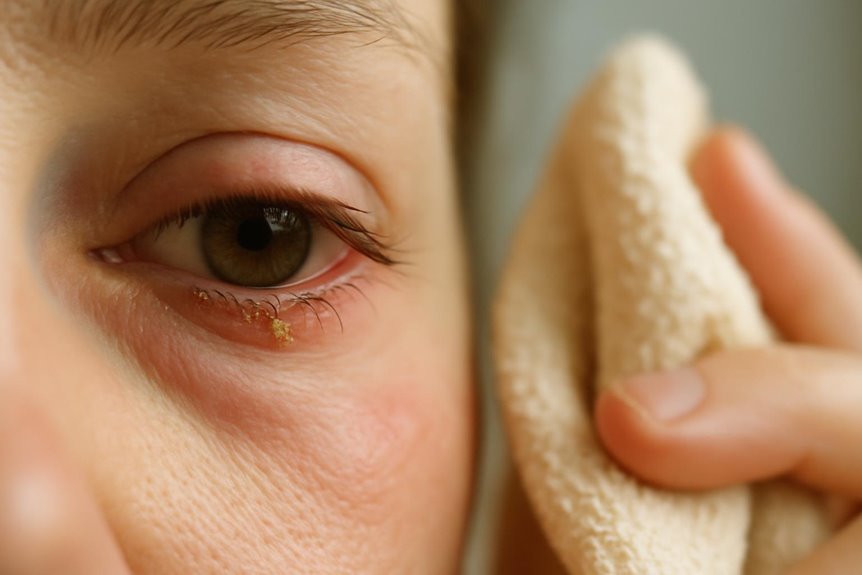
If you find your crusty eyes in the morning due to accumulated secretions like dried tears, oils, and sloughed skin cells, this is generally normal. However, if the discharge increases, or if there’s a change in color, persistent redness, itching, or irritation, these could be warning signs of allergies, blepharitis, meibomian gland dysfunction, or infection.
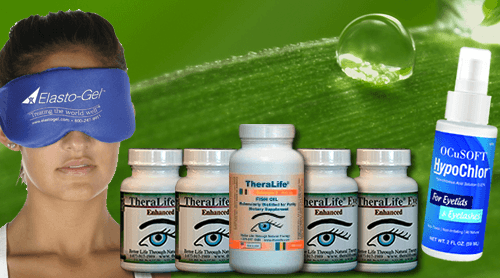
TheraLife provides a unique solution as the only company offering oral eye treatment care, specifically designed to address and alleviate these symptoms. Their products benefit customers by improving eyelid hygiene, preventing eye rubbing, and maintaining hydration. If symptoms persist or worsen, TheraLife’s targeted solutions can address these issues effectively with their specialized oral treatments.
TheraLife’s approach to eye health, including their product offerings, offers a comprehensive solution for various eye conditions, providing relief and promoting overall eye health.
Get Rid Of Crusty Eyes – Treat Your Dry Eyes With TheraLife
Crusty Eyes Management with TheraLIfe All In One Dry Eye Starter Kit.
Add To Cart
Key Takeaways
- Mild morning eye crust is usually normal due to overnight buildup of natural eye secretions and debris.
- Thick, yellow-green discharge or persistent crusting may signal an underlying infection like conjunctivitis and needs prompt medical evaluation.
- Itchy, watery, red eyes with clear, stringy mucus often suggest allergies or environmental irritation.
- Good eyelid hygiene, avoiding eye rubbing, and using hydrating eye drops help prevent and manage everyday crustiness.
- Sudden vision changes, pain, or significant swelling require immediate attention from an eye care professional.
Why Do My Eyes Get Crusty in the Morning?
Ever wonder why your eyes feel crusty when you wake up? During sleep, your eyelids produce meibum, a lipid secretion that prevents tear evaporation. This combines with mucus and cellular debris, accumulating at the lid margins overnight. Incomplete blinking during sleep means this material isn’t cleared away like it’s during the day. Sleep habits play a role—if you sleep in environments with elevated dust or pet dander, these allergy triggers can exacerbate discharge production. Additionally, reduced tear film turnover while you’re asleep allows secretions to build up. When exposed to allergens, your conjunctiva may produce more mucus as a protective response. Consequently, eye crust in the morning reflects normal ocular surface physiology, modulated by environmental exposures and individual sleep behaviors. If increased eye crust is accompanied by pain or redness, it may be time to consult with an eye doctor to rule out underlying issues.
Is Eye Crust Normal or a Sign of a Problem?
Occasionally, you may wonder whether eye crust is simply a benign accumulation or an indicator of underlying pathology. Most individuals experience a small amount of crusting, especially upon waking, due to the overnight collection of tear film debris, sloughed epithelial cells, and meibomian gland secretions. In such cases, maintaining proper eye hygiene—such as gentle cleansing of the eyelids—effectively removes this physiological discharge and poses no concern. However, you should pay attention to changes in amount, color, or consistency. If eye crust is accompanied by allergy symptoms like itching, redness, or watery eyes, it may suggest a hypersensitivity reaction rather than a simple hygiene issue. Persistent symptoms may require professional attention to differentiate between normal physiology and potential pathology. Persistent or unusual discharge warrants further evaluation. Differentiating normal physiology from pathology relies on symptom context and consistent eye hygiene practices.
What Medical Issues Cause Persistent Eye Crust?
You may notice persistent eye crust if you have common eye infections like conjunctivitis or blepharitis. Chronic inflammatory conditions, such as meibomian gland dysfunction, also contribute to ongoing discharge. Identifying the underlying etiology is essential for targeted treatment and symptom relief. Inflammatory cytokines like IL-1beta and TNF-alpha are induced by hyperosmolar stress, playing a crucial role in the inflammatory basis of dry eye disease.
Common Eye Infections
Although mild eye crust is often harmless, persistent or excessive discharge frequently signals an underlying eye infection. You may experience this symptom due to several common infectious etiologies.
Viral conjunctivitis, frequently caused by adenovirus, typically presents with watery discharge, redness, and a gritty sensation. Bacterial conjunctivitis, on the other hand, often produces thicker, yellow or green purulent exudate and pronounced eyelid crusting, especially after sleep.
Allergic reactions can also result in mucoid discharge, ocular pruritus, and bilateral involvement, though they’re non-infectious and triggered by environmental allergens.
Consider these common causes:
- Viral conjunctivitis—watery discharge and irritation.
- Bacterial conjunctivitis—thick, purulent crusting.
- Allergic reactions—clear, stringy mucus with itching.
Persistent symptoms may require professional consultation with an eye doctor, especially if accompanied by pain or significant vision changes. Prompt diagnosis and targeted management reduce complications and transmission.
Chronic Inflammatory Conditions
When persistent eye crust develops, chronic inflammatory conditions such as blepharitis, meibomian gland dysfunction, and dry eye syndrome frequently underlie the symptom. Blepharitis involves chronic inflammation of the eyelid margins, leading to abnormal secretion of oil and increased debris buildup at the lash line. Meibomian gland dysfunction impairs the glands’ ability to secrete protective lipids, resulting in unstable tear film and increased crust formation. Dry eyes, often associated with both of these conditions, further exacerbate irritation and debris accumulation. Additionally, chronic allergies can perpetuate inflammation, causing persistent itching and mucus discharge. You may notice ongoing crusting, redness, and discomfort. Effective management targets the underlying pathology—such as eyelid hygiene, artificial tears, and sometimes anti-inflammatory medications—to reduce symptoms and prevent recurrences. Regular follow-ups with an ophthalmologist can help tailor treatment plans and ensure effective management of the condition.
When Should You See a Doctor About Eye Crust?
While mild eye crust is typically benign, certain symptoms indicate the need for prompt medical evaluation. If you notice persistent or worsening eye symptoms, a doctor visit is essential to rule out serious conditions such as bacterial conjunctivitis, keratitis, or dacryocystitis.
Pay close attention to the following warning signs:
- Vision changes—sudden blurriness, double vision, or loss of vision demand immediate assessment.
- Intense pain or photophobia—severe discomfort, light sensitivity, or a sensation of a foreign body may signal corneal involvement or infection.
- Profuse discharge or swelling—thick, colored discharge, significant eyelid swelling, or redness extending beyond the eye margin indicates a potential for systemic infection.
Prompt recognition and intervention for these eye symptoms can prevent complications and preserve ocular health. Dry Eye Syndrome can also contribute to eye crust and should be managed with appropriate treatments such as artificial tears or prescription eye drops.
Home Remedies for Crusty Eyes
If your eye crust isn’t accompanied by severe symptoms, you can often manage mild cases at home with simple interventions to promote ocular hygiene and comfort. Begin by cleansing your eyelids with a sterile saline solution or a diluted baby shampoo to remove crusts and reduce microbial load. Applying soothing compresses—such as a clean, warm, damp washcloth—can help soften discharge and facilitate debris removal. This method improves meibomian gland function and alleviates irritation. For those seeking natural treatments, consider sterile tea bags as compresses; their mild astringent properties may decrease inflammation. Always wash your hands thoroughly before touching your eyes to minimize pathogen transfer. If symptoms persist, worsen, or if you develop pain or vision changes, promptly consult an eye care professional for further evaluation. For severe cases with large amounts of discharge, medical attention is necessary to rule out infections or other significant conditions.
How to Prevent Crusty Eyes
Although crusty eyes can result from various benign or infectious causes, you can greatly reduce your risk by maintaining strict eyelid hygiene and minimizing eye exposure to irritants.
Implementing evidence-based prevention strategies is essential. Consistent eye hygiene removes debris and reduces bacterial load, decreasing the likelihood of eyelid inflammation or infection. Optimizing sleep habits also limits overnight accumulation of ocular secretions and promotes overall eye health.
Consider the following:
- Cleanse eyelids daily: Use a sterile eyelid wipe or diluted baby shampoo on a cotton pad to gently remove secretions and reduce microbial colonization.
- Avoid eye rubbing: Rubbing introduces pathogens and exacerbates irritation, increasing the risk of crust formation.
- Prioritize adequate sleep: Maintain regular sleep habits to support tear film stability and natural ocular surface repair mechanisms.
Additionally, using hydrating eye drops can help moisturize the eyes and reduce dryness, which in turn decreases the recurrence of discharge.
Adhering to these practices noticeably mitigates risk.
Get Rid Of Crusty Eyes – Treat Your Dry Eyes With TheraLife
Crusty Eyes Management with TheraLIfe All In One Dry Eye Starter Kit.
Add To Cart
Frequently Asked Questions
Can Allergies Cause Eye Crust Even Without Other Symptoms?
Yes, allergies can cause eye crust even if you don’t notice other symptoms.
Exposure to allergy triggers like pollen or dust can result in localized conjunctival inflammation, leading to excess mucus production and crust formation. You mightn’t always experience itching or redness.
Maintaining strict eye hygiene—like gentle eyelid cleansing—can help reduce crusting. If symptoms persist or worsen, consult an ophthalmologist to rule out other conditions such as blepharitis or infection.
Is Eye Crustiness Related to Contact Lens Use?
Yes, eye crustiness can relate to contact lens use, particularly if you don’t maintain proper contact lens hygiene.
Poor lens care may introduce bacteria, leading to eye irritation, conjunctivitis, or blepharitis, all of which can cause crust formation along your eyelid margins.
Evidence shows that overnight wear or infrequent lens cleaning increases the risk of these complications.
Always follow recommended cleaning protocols and replace lenses as directed to minimize eye irritation and crustiness.
Are Certain Medications Linked to Increased Eye Discharge?
Imagine your eyes as a calm pond; certain medication side effects can stir the waters, causing increased eye discharge, much like sudden ripples on the surface.
Antihistamines, decongestants, and some antidepressants commonly reduce tear production, leading to irritation and compensatory discharge.
If you notice these symptoms, don’t ignore them—consult your provider.
They’ll recommend eye discharge treatments like artificial tears or medication adjustments to restore ocular surface stability and comfort.
Does Diet Impact the Likelihood of Developing Crusty Eyes?
Yes, your diet can impact the likelihood of developing crusty eyes.
If you have nutritional deficiencies, especially in vitamins A, C, and omega-3 fatty acids, your tear film stability and ocular surface integrity may decrease, predisposing you to increased eye discharge.
Inadequate hydration levels also contribute to less-than-ideal tear production, promoting dryness and subsequent crust formation.
Ensuring a nutrient-rich diet and sufficient fluid intake supports excellent ocular surface health and tear film function.
Can Pets Transmit Infections That Cause Eye Crust?
Yes, pets can transmit infections like conjunctivitis-causing bacteria or viruses through direct contact, increasing your risk of developing eye crust.
Practicing proper pet hygiene—regularly cleaning your pet and their living areas—reduces pathogenic exposure.
Infection prevention strategies include frequent handwashing after handling pets, avoiding touching your eyes, and promptly addressing any pet illnesses.
Evidence shows zoonotic transmission can occur, so maintaining these habits helps safeguard your ocular health from potential pet-associated pathogens.
Get Rid Of Crusty Eyes – Treat Your Dry Eyes With TheraLife
Crusty Eyes Management with TheraLIfe All In One Dry Eye Starter Kit.
Add To Cart
Conclusion
If you notice persistent eye crust, it may be a sign of an underlying condition such as blepharitis or conjunctivitis. TheraLife offers a unique approach to eye care as the only company providing oral eye treatment options. Their products are designed to address chronic eye discharge and other symptoms by promoting overall eye health from within. By using TheraLife’s evidence-based solutions, many have found relief from symptoms associated with conditions like dry eyes, uveitis, and blepharitis. However, if you experience redness, pain, or vision changes, it is crucial to consult an ophthalmologist for professional advice. Early intervention, supported by TheraLife’s innovative oral treatments, ensures peak eye health and minimizes complications. Staying vigilant and choosing the right care, such as TheraLife’s products, plays a key role in preventing eye diseases.
References
- 1.
- Shekhawat NS, Shtein RM, Blachley TS, Stein JD. Antibiotic Prescription Fills for Acute Conjunctivitis among Enrollees in a Large United States Managed Care Network. Ophthalmology. 2017 Aug;124(8):1099-1107. [PMC free article] [PubMed]
- 2.
- Smith AF, Waycaster C. Estimate of the direct and indirect annual cost of bacterial conjunctivitis in the United States. BMC Ophthalmol. 2009 Nov 25;9:13. [PMC free article] [PubMed]
- 3.
- 4.
- de Laet C, Dionisi-Vici C, Leonard JV, McKiernan P, Mitchell G, Monti L, de Baulny HO, Pintos-Morell G, Spiekerkötter U. Recommendations for the management of tyrosinaemia type 1. Orphanet J Rare Dis. 2013 Jan 11;8:8. [PMC free article] [PubMed]
- 5.
- Sati A, Sangwan VS, Basu S. Porphyria: varied ocular manifestations and management. BMJ Case Rep. 2013 May 22;2013 [PMC free article] [PubMed]
- 6.
- Azari AA, Barney NP. Conjunctivitis: a systematic review of diagnosis and treatment. JAMA. 2013 Oct 23;310(16):1721-9. [PMC free article] [PubMed]
- 7.
- 8.
- Shields T, Sloane PD. A comparison of eye problems in primary care and ophthalmology practices. Fam Med. 1991 Sep-Oct;23(7):544-6. [PubMed]
- 9.
- 10.
- Turaka K, Penne RB, Rapuano CJ, Ayres BD, Abazari A, Eagle RC, Hammersmith KM. Giant fornix syndrome: a case series. Ophthalmic Plast Reconstr Surg. 2012 Jan-Feb;28(1):4-6. [PubMed]
- 11.
- Satpathy G, Behera HS, Ahmed NH. Chlamydial eye infections: Current perspectives. Indian J Ophthalmol. 2017 Feb;65(2):97-102. [PMC free article] [PubMed]
- 12.
- Bhosai SJ, Bailey RL, Gaynor BD, Lietman TM. Trachoma: an update on prevention, diagnosis, and treatment. Curr Opin Ophthalmol. 2012 Jul;23(4):288-95. [PMC free article] [PubMed]
- 13.
- 14.
- Makker K, Nassar GN, Kaufman EJ. StatPearls [Internet]. StatPearls Publishing; Treasure Island (FL): Jul 17, 2023. Neonatal Conjunctivitis. [PubMed]
- 15.
- Hoffman J. Adenovirus: ocular manifestations. Community Eye Health. 2020;33(108):73-75. [PMC free article] [PubMed]
- 16.
- Giladi N, Herman J. Pharyngoconjunctival fever. Arch Dis Child. 1984 Dec;59(12):1182-3. [PMC free article] [PubMed]
- 17.
- Meyer-Rüsenberg B, Loderstädt U, Richard G, Kaulfers PM, Gesser C. Epidemic keratoconjunctivitis: the current situation and recommendations for prevention and treatment. Dtsch Arztebl Int. 2011 Jul;108(27):475-80. [PMC free article] [PubMed]
- 18.
- Wright PW, Strauss GH, Langford MP. Acute hemorrhagic conjunctivitis. Am Fam Physician. 1992 Jan;45(1):173-8. [PubMed]
- 19.
- Saleh D, Yarrarapu SNS, Sharma S. StatPearls [Internet]. StatPearls Publishing; Treasure Island (FL): Aug 28, 2023. Herpes Simplex Type 1. [PubMed]