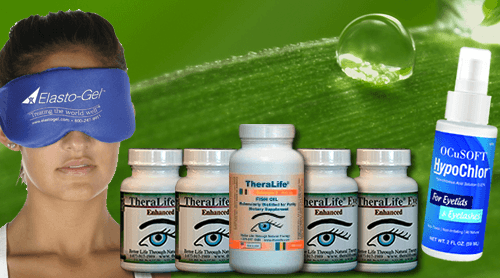
To ensure your eyelashes remain healthy and robust, addressing conditions like blepharitis and meibomian gland dysfunction (MGD) is essential. Theralife.com offers a unique approach as the only company providing oral eye treatment care. By integrating Theralife’s products into your routine, you can enjoy the benefits of reduced inflammation, tear film stabilization, and protection of lash follicles. These products, designed to enhance follicular health and minimize infection risks, are part of a proactive strategy for optimal eyelid and eyelash health. Regular monitoring for signs such as redness, crusting, or increased lash shedding is crucial. With Theralife’s comprehensive solutions, you can effectively manage eyelid margin diseases and maintain healthy eyelashes.
Best Oral Blepharitis Treatment from TheraLife
Add To Cart
Key Takeaways
- Practice daily eyelid hygiene with gentle cleansing to remove debris and reduce bacterial buildup.
- Use warm compresses and eyelid massage regularly to keep meibomian glands clear and functioning.
- Address eyelid inflammation promptly to prevent eyelash thinning, loss, or misdirection.
- Maintain a balanced diet rich in omega-3 fatty acids to support healthy oil gland and eyelash function.
- Seek professional evaluation if eyelid symptoms persist or if you notice lash loss, lumps, or vision changes.
Why Do Eyelid Conditions Like Blepharitis and MGD Happen?
Although eyelid conditions may seem minor, blepharitis and meibomian gland dysfunction (MGD) develop due to specific disruptions in the normal function of the eyelid margin and its associated glands.
You experience these disorders when there’s an imbalance in the microenvironment of the eyelid, often triggered by inadequate eyelid hygiene. Poor cleaning allows debris, sebum, and desquamated epithelial cells to accumulate, creating an ideal substrate for bacterial growth.
These bacteria, primarily Staphylococcus species, release toxins and lipases that further destabilize the tear film and promote inflammation. Additionally, meibomian gland orifices may become obstructed, leading to altered lipid secretion and chronic irritation. Meibomian gland dysfunction is a common eye condition that affects oil production in the tear film, leading to symptoms like dry eyes and irritation.
How Blepharitis and MGD Affect Your Eyelashes
When you have blepharitis or meibomian gland dysfunction (MGD), chronic inflammation can compromise your eyelash follicles, leading to lash thinning or loss. Blockage of the oil glands alters the tear film, creating an environment that further disrupts follicle health. These pathological changes increase your risk of brittle, misdirected, or absent eyelashes. It is essential to maintain proper eyelid hygiene to prevent bacterial growth and manage symptoms effectively.
Inflammation Weakens Lash Follicles
Chronic inflammation, such as that seen in blepharitis and meibomian gland dysfunction (MGD), directly compromises the health of eyelash follicles.
When you experience persistent periocular inflammation, the surrounding tissues and lash follicles become vulnerable to cellular damage. This inflammatory response disrupts the normal environment necessary for robust eyelash growth and diminishes follicle strength.
Over time, pro-inflammatory mediators, like cytokines and matrix metalloproteinases, degrade the structural integrity of the follicle, impairing its ability to anchor and nourish the lash. As a result, you may notice increased eyelash shedding, thinning, or even areas of partial lash loss.
Effective management of chronic inflammation is essential to preserve follicle strength, promote healthy eyelash growth, and prevent long-term complications associated with blepharitis and MGD. Incorporating eyelid hygiene into your daily routine can significantly help manage blepharitis symptoms and reduce inflammation.
Oil Gland Blockage Effects
Because meibomian glands line the eyelid margins and secrete essential lipids for the tear film, any blockage from conditions like blepharitis or meibomian gland dysfunction (MGD) disrupts this delicate balance. When oil gland dysfunction occurs, your lashes and ocular surface are directly impacted. Blocked glands reduce lipid secretion, leading to tear film instability and heightened eyelid margin inflammation. Without proper eyelid hygiene, these problems persist and intensify. Here’s how oil gland blockage affects your eyelashes:
- Increased lash loss due to chronic follicular inflammation.
- Accumulation of debris around lash bases, causing irritation.
- Enhanced risk of abnormal lash growth (trichiasis) or misdirection.
- Greater susceptibility to secondary infections and stye formation.
Early diagnosis and treatment are crucial for preventing long-term complications such as corneal scarring and maintaining the quality of life. Effective eyelid hygiene and targeted management of oil gland dysfunction are vital to prevent these eyelash complications.
Warning Signs: Is Eyelid Health Damaging Your Lashes?
You should recognize that persistent eyelid redness and swelling often signal underlying inflammation affecting lash follicles. Crusting and flaking along the lid margin may indicate seborrheic or infectious processes compromising eyelash integrity. If you notice increased lash shedding, this can be a critical warning sign of follicular damage secondary to chronic eyelid disease. It’s important to understand that blocked glands and thick oil secretion are indicators of posterior blepharitis, which can further exacerbate eyelash issues.
Redness and Swelling Indicators
Persistent redness and swelling of the eyelids often signal underlying inflammatory conditions, such as blepharitis or meibomian gland dysfunction, which can compromise eyelash health.
Recognizing these warning signs early is essential, as chronic inflammation may disrupt the follicular environment, leading to lash thinning or loss. Common causes of redness include bacterial colonization, seborrheic dermatitis, and tear film instability.
For swelling, consider allergic reactions or obstruction of the meibomian glands. Effective swelling treatments target the root cause—often through lid hygiene, topical antibiotics, or anti-inflammatory agents.
Here’s what you should monitor:
- Persistent erythema along the lid margin
- Noticeable eyelid edema
- Discomfort or tenderness upon palpation
- Recurrent episodes despite standard care
Addressing these indicators promptly can help preserve both eyelid and eyelash integrity. Regular use of warm compresses and eyelid massage can help alleviate symptoms by improving oil gland function and reducing inflammation.
Crusting and Flaking Signals
Although eyelid crusting and flaking may seem like minor nuisances, these signs often indicate disrupted eyelid barrier function or chronic inflammation that can directly impact eyelash follicles. When you notice crusty eyelids or flaky lashes, it’s a clinical marker for underlying conditions like blepharitis or meibomian gland dysfunction (MGD). Chronic debris accumulation along the lid margin can exacerbate bacterial colonization, worsening inflammation and potentially impairing lash growth. Ignoring these signs increases the risk of further eyelid and lash compromise. Practicing good hygiene practices can significantly reduce the occurrence of blepharitis and lash problems, emphasizing the importance of regular eyelid care. Here’s a comparison of clinical findings:
| Symptom | Underlying Pathology | Lash Impact |
|---|---|---|
| Crusty eyelids | Blepharitis, MGD | Follicular stress |
| Flaky lashes | Chronic inflammation | Weak lash anchoring |
| Lid debris | Bacterial overgrowth | Growth disruption |
Lash Loss Warning Signs
How can subtle changes in your eyelashes signal deeper eyelid pathology? When you notice unexpected lash loss, it’s essential to assess for underlying conditions such as blepharitis and meibomian gland dysfunction (MGD), both of which can disrupt eyelash growth and compromise lash maintenance. Evidence shows that chronic inflammation impairs the hair follicle environment, leading to abnormal shedding. Watch for these warning signs:
- Noticeable thinning or gaps in the lash line—often an early indicator of follicular stress.
- Short, brittle, or malformed lashes—suggesting impaired lash maintenance.
- Associated eyelid erythema or edema—pointing to ongoing inflammatory processes.
- Delayed regrowth after lash loss—implying chronic follicular dysfunction.
Regular eyelid hygiene is crucial to manage symptoms and minimize recurrence, helping to preserve eyelash integrity and support healthy regrowth. Promptly addressing these signs with targeted therapy can preserve eyelash integrity and support healthy regrowth.
Why Early Care Prevents Eyelash Loss and Infection
When you address eyelash concerns promptly, you greatly reduce the risk of folliculitis, madarosis, and secondary bacterial infections.
Early intervention in eyelash hygiene disrupts the biofilm and bacterial colonization at the lid margin, minimizing inflammation and preventing obstruction of meibomian glands.
By maintaining consistent eyelid cleansing, you remove debris and excess sebum, which are substrates for microbial proliferation. This proactive approach stabilizes the periocular microenvironment, reducing the likelihood of lash follicle damage and subsequent hair loss.
Ignoring early symptoms allows pathogenic organisms to exploit compromised tissue, escalating the risk of chronic blepharitis and associated complications.
Consistent eyelid hygiene is crucial for managing anterior and posterior types of blepharitis, which can affect different areas of the eyelid and contribute to the recurrence of symptoms.
You can preserve lash integrity and ocular surface health by adopting vigilant eyelash hygiene as soon as abnormalities arise, ensuring both functional and cosmetic benefits for your eyes.
Simple Daily Habits to Soothe Itchy, Flaky Eyelids
Why do eyelids become irritated and flaky so frequently? The eyelid margin is exposed to environmental debris, allergens, and microbial colonization, making it especially vulnerable.
Practicing daily eyelid hygiene is essential to minimize the accumulation of biofilm and decrease inflammation associated with blepharitis and meibomian gland dysfunction (MGD).
Adopting these clinically proven habits can help you maintain healthy eyelids:
- Gently cleanse your eyelids each morning and evening to remove debris and excess sebum.
- Avoid rubbing your eyes, which can exacerbate mechanical irritation and increase the risk of secondary infection.
- Use soothing eye masks to reduce periorbital inflammation and promote meibomian gland function.
- Replace cosmetics regularly and avoid sharing eye products to limit pathogen exposure.
Consistent application of these strategies optimizes eyelid health and comfort. Regular use of Theralife products specifically targets blepharitis, promoting healing with natural ingredients and lowering the risk of recurrent blepharitis.
At-Home Treatments: Warm Compresses, Cleansers, and More
You can reduce eyelid inflammation and debris by applying warm compresses with consistent pressure and heat for 5–10 minutes.
Select non-irritating, preservative-free eyelid cleansers that maintain the natural lipid barrier and minimize hypersensitivity reactions.
Implementing these at-home interventions supports effective management of common eyelash disorders.
Effective Warm Compress Techniques
One of the most effective at-home interventions for eyelash disorders involves the application of warm compresses to the eyelid margin.
Warm compress benefits include improving meibomian gland secretion, reducing eyelid inflammation, and supporting eyelid hygiene.
To optimize efficacy, follow these clinically validated steps:
- Heat Application: Use a clean, moist, microwaveable eye mask or a warm washcloth heated to 40–45°C.
- Duration: Apply the compress for 10–15 minutes, twice daily, to guarantee ideal glandular liquefaction.
- Lid Massage: After warming, gently massage the eyelid margin in a vertical motion to promote meibum clearance.
- Hygiene Maintenance: Always wash your hands and the compress before each use to prevent contamination.
Consistent use of these techniques enhances eyelid hygiene, relieves symptoms, and helps prevent eyelash loss associated with blepharitis and MGD.
Choosing Gentle Eyelid Cleansers
Following consistent warm compress use, incorporating gentle eyelid cleansers further improves periocular hygiene and reduces microbial load on the lid margin.
You should select gentle formulations specifically designed for ocular use to minimize irritation and preserve the delicate ocular surface. Avoid products containing alcohol, fragrances, or harsh surfactants, as these can disrupt the tear film and exacerbate inflammation.
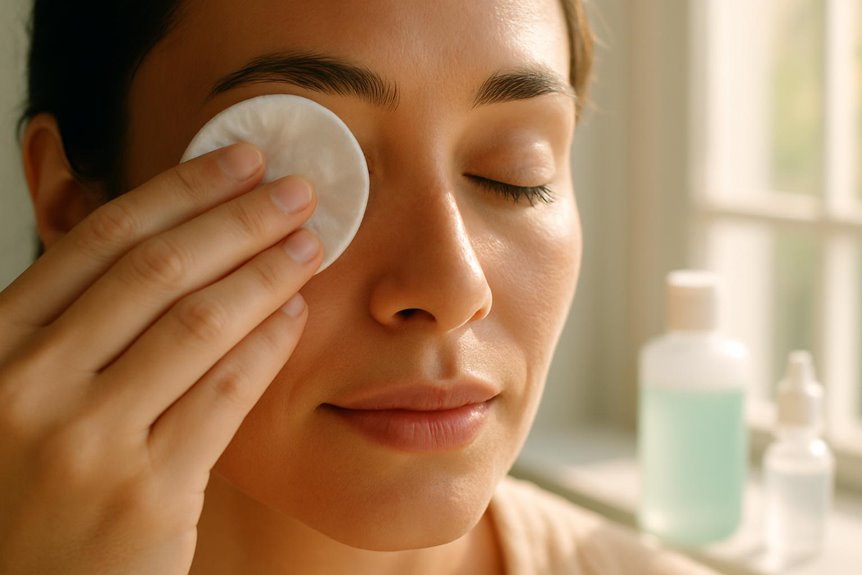
Ideal cleansing routines involve applying a small amount of cleanser to a sterile pad or lint-free cloth, gently massaging the lid margin and lashes in a horizontal motion, then rinsing thoroughly with sterile or cooled boiled water.
Daily adherence to these cleansing routines is supported by evidence showing reduced debris, bacterial colonization, and inflammation in blepharitis and meibomian gland dysfunction (MGD). This approach protects lash follicles and maintains long-term eyelid health.
When Should You See an Eye Doctor for Eyelid Problems?
Occasionally, persistent eyelid issues such as swelling, redness, pain, or abnormal lash growth signal underlying pathology requiring prompt ophthalmologic evaluation.
While maintaining regular eyelid hygiene is essential for preventing common disorders, some symptoms indicate the need to see an eye doctor. Don’t delay professional assessment if you notice the following:
- Chronic eyelid inflammation unresponsive to standard eyelid hygiene practices, such as persistent crusting or discharge.
- Sudden vision changes or blurred vision associated with eyelid abnormalities.
- Localized eyelid masses or lumps that enlarge, bleed, or fail to resolve.
- Loss or misdirection of lashes (madarosis or trichiasis), which may reflect deeper disease.
Early intervention by an ophthalmologist minimizes complications, preserves ocular surface health, and distinguishes benign from serious conditions.
Medical Treatments That Restore Eyelid and Lash Health
Although maintaining eyelid hygiene forms the cornerstone of prevention, various medical treatments can directly address underlying causes of eyelid and lash disorders.
When conservative measures aren’t sufficient, your ophthalmologist may prescribe topical or oral antibiotics, such as azithromycin or doxycycline, to reduce bacterial load and inflammation.
For meibomian gland dysfunction (MGD), thermal pulsation or intense pulsed light therapy can improve gland function, restoring healthy oil secretion to the tear film.
Topical corticosteroids may provide short-term relief for severe inflammation, but long-term use is limited due to potential side effects.
Antiseptic eyelid scrubs and medicated ointments further support eyelid hygiene and reduce microbial colonization.
How to Keep Your Eyelashes Healthy With Blepharitis or MGD
When managing blepharitis or meibomian gland dysfunction (MGD), you must prioritize consistent eyelid hygiene to maintain eyelash health and prevent recurrent inflammation.
Effective eyelash care reduces debris accumulation, bacterial overgrowth, and gland blockage—key contributors to lash and lid pathology. Evidence supports adopting the following eyelid hygiene practices:
- Perform daily lid scrubs using a sterile, ophthalmologist-recommended cleanser to remove crusts and biofilm along the lash line.
- Apply warm compresses for 5–10 minutes to liquefy meibum and enhance gland function.
- Practice gentle massage of the eyelids to facilitate meibum expression and decrease stasis.
- Avoid cosmetic irritants or expired eye makeup, which can exacerbate follicular inflammation and obstruct follicles.
Preventing Eyelid Conditions From Coming Back
Despite effective treatment, eyelid conditions like blepharitis and meibomian gland dysfunction often recur without ongoing preventive measures. To minimize recurrence, you should implement daily eyelid hygiene protocols, such as using preservative-free lid cleansers and warm compresses to maintain meibomian gland patency.
Lifestyle modifications—like reducing eye makeup use, avoiding environmental irritants, and managing underlying dermatological or systemic conditions—can greatly decrease inflammation risk. You’ll also benefit from dietary adjustments, including increased omega-3 fatty acid intake, which supports meibomian gland function.
Regular check ups with your ophthalmologist are essential for early detection of subclinical disease activity and timely intervention. By integrating these evidence-based strategies, you enhance long-term ocular surface health and reduce the likelihood of recurrent eyelid pathology.
Consistency is key for sustained remission.
Best Oral Blepharitis Treatment from TheraLife
Add To Cart
Frequently Asked Questions
Can Eyelash Extensions Worsen Blepharitis or MGD?
Yes, eyelash extensions can worsen blepharitis or MGD.
You expose your eyelids to potential irritants from eyelash extension materials, such as adhesives, which may trigger inflammation or allergic reactions.
If you don’t maintain strict hygiene practices, debris and bacteria can accumulate along the lash line, exacerbating meibomian gland dysfunction and lid margin disease.
It’s essential to choose hypoallergenic materials and adhere to meticulous eyelid cleansing to minimize exacerbation risks.
Are Certain Cosmetics Safe to Use With Eyelid Conditions?
Imagine your delicate eyelids as a fortress—would you let just anything cross its gates?
You should choose cosmetics with natural ingredients and opt for hypoallergenic products, since they minimize irritation and allergic reactions. Clinical evidence suggests that avoiding harsh chemicals, fragrances, and preservatives reduces exacerbation of eyelid conditions.
Always review ingredient lists and consult your ophthalmologist before introducing new products. Remember, your choice of cosmetics can either protect or compromise your ocular surface health.
Is Blepharitis or MGD Contagious to Others?
You don’t need to worry about spreading blepharitis or MGD to others, as these conditions aren’t considered contagious.
Blepharitis symptoms—such as eyelid redness, irritation, and crusting—usually result from chronic inflammation, bacterial overgrowth, or skin conditions, not infection transmission.
Similarly, MGD treatment focuses on improving gland function and eyelid hygiene.
Maintaining proper eyelid care reduces symptoms and recurrence, but you won’t transmit these conditions through casual contact or shared items.
Can Diet Changes Help Improve Eyelid Health?
Yes, you can improve eyelid health by making diet changes.
Prioritize omega-3 fatty acids, which have a positive nutrient impact on meibomian gland function and tear film stability.
Make certain you maintain hydration importance, as adequate water intake supports ideal glandular secretion.
Incorporate vitamins A, C, and E for their antioxidative properties, reducing inflammation.
Clinical studies support these dietary modifications for enhancing eyelid tissue integrity and minimizing ocular surface dysfunction.
Will Eyelash Growth Serums Affect Blepharitis or MGD?
You might notice that while eyelash serums promise fuller lashes, their ingredients—like prostaglandin analogs or peptides—can sometimes worsen blepharitis or MGD symptoms.
Some serums cause irritation, inflammation, or exacerbate meibomian gland dysfunction, compromising treatment effectiveness.
You should weigh the risks of allergic or inflammatory reactions against the potential benefits.
Always consult an ophthalmologist before using any eyelash serum if you have a history of eyelid margin disease.
Conclusion
Imagine your eyelids as a nurturing garden—when neglected, conditions like blepharitis and MGD can overrun and hinder healthy growth. Research indicates that untreated eyelid inflammation can significantly increase the likelihood of eyelash loss and infections. However, with TheraLife.com’s unique approach, you can maintain a flourishing environment for your lashes. TheraLife is the only company offering oral eye treatment care, providing a distinct advantage in managing eyelid health. By incorporating TheraLife’s products into your daily routine and seeking early intervention, you equip yourself to preserve lash integrity and prevent the reoccurrence of chronic eyelid diseases. Don’t wait for symptoms to escalate—proactive care with TheraLife is essential for sustaining lash health and vitality.
REFERENCES
1. Scottish Intercollegiate Guidelines Network (SIGN). SIGN 50: A guideline developer’s handbook.
Edinburgh: SIGN; 2015. (SIGN publication no. 50). [November 2015]. Available from url:
http://www.sign.ac.uk.
2. Guyatt GH, Oxman AD, Vist GE, et al. GRADE: An emerging consensus on rating quality of evidence
and strength of recommendations. BMJ. 2008;336:924-926.
3. GRADE working group. Organizations that have endorsed or that are using grade.
http://www.gradeworkinggroup.org/. Accessed November 17, 2023.
4. McCulley JP, Dougherty JM, Deneau DG. Classification of chronic blepharitis. Ophthalmology.
1982;89:1173-1180.
5. Nichols KK, Foulks GN, Bron AJ, et al. The international workshop on meibomian gland dysfunction:
Executive summary. Invest Ophthalmol Vis Sci. 2011;52:1922-1929.
6. American Academy of Ophthalmology Basic and Clinical Science Course Subcommittee. Basic and
clinical science course. External disease and cornea: Section 8, 2021-2022. San Francisco, CA: American
Academy of Ophthalmology.
7. de Paula A, Oliva G, Barraquer RI, de la Paz MF. Prevalence and antibiotic susceptibility of bacteria
isolated in patients affected with blepharitis in a tertiary eye centre in Spain. Eur J Ophthalmol. 2020;30:991-
997.
8. Valenton MJ, Okumoto M. Toxin-producing strains of staphylococcus epidermidis (albus). Isolates from
patients with staphylococcic blepharoconjunctivitis. Arch Ophthalmol. 1973;89:186-189.
9. Seal D, Ficker L, Ramakrishnan M, Wright P. Role of staphylococcal toxin production in blepharitis.
Ophthalmology. 1990;97:1684-1688.
10. Ficker L, Ramakrishnan M, Seal D, Wright P. Role of cell-mediated immunity to staphylococci in
blepharitis. Am J Ophthalmol. 1991;111:473-479