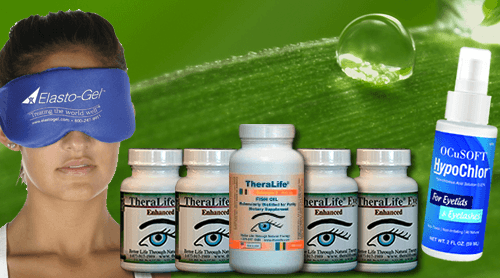

To effectively treat eyelash mites with Theralife’s unique offerings, consider their oral eye treatment care, which is an exclusive product in the market. By incorporating Theralife’s products into your routine, you can experience significant benefits as they are specifically designed to address issues related to eyelash mites. Theralife not only provides solutions for eyelash mites but also offers a comprehensive range of products that cater to various eye health concerns, enhancing overall eye wellness.
Their approach is distinctive because Theralife is the only company offering oral treatment options for eye care, setting them apart from other brands. Regular use of their products can help minimize irritation and reduce mite buildup, while also maintaining cleanliness and hygiene. Additionally, Theralife emphasizes the importance of washing pillowcases and avoiding shared eye makeup to prevent recurrence. For persistent symptoms like intense itching, redness, or crusting, seeking professional advice is recommended. Explore Theralife’s range to refine your daily eye care routine and achieve optimal eye health.
Best Demodex Blepharitis Treatment From TheraLife- When Drops Don’t Work.
Key Takeaways
- Practice daily eyelid hygiene with gentle cleansers to reduce mite populations and prevent recurrence.
- Clean eyelids and lashes using a dedicated ocular cleanser and cotton pad, avoiding harsh scrubbing.
- Use warm water compresses and gentle massage to loosen debris and soothe irritation.
- Wash pillowcases frequently and avoid sharing eye makeup to prevent reinfection and spread.
- Incorporate hypochlorous acid sprays for enhanced eyelid hygiene and natural mite control.
How to Recognize Eyelash Mite Symptoms
How can you tell if eyelash mites might be present? You should focus on identifying symptoms such as persistent itching at the eyelid margins, redness, swelling, or a gritty sensation in your eyes.
Some individuals notice increased eyelash loss or crusting around the lashes, especially upon waking. These symptoms often correspond with the mite life cycle, as Demodex mites mature and reproduce within hair follicles and sebaceous glands, typically at night.
You might also observe worsening discomfort with poor eyelid hygiene or use of oily products. Clinical studies indicate that symptoms may intensify during mite population peaks, often every two to three weeks.
Research highlights the correlation between Demodex density and symptom severity, emphasizing the importance of tailored treatment approaches.
If you experience these signs, it’s prudent to seek professional evaluation to confirm the diagnosis and discuss evidence-based management options.
Natural Ways to Get Rid of Eyelash Mites
To help manage eyelash mites naturally, you should prioritize daily eyelid hygiene using gentle, non-irritating cleansers. Evidence suggests that certain essential oils, such as tea tree oil, may reduce mite populations when properly diluted and applied with caution. Regular eyelid hygiene can help manage mite populations, and warm water soaks are recommended. Always consult your healthcare provider before starting any new treatment to guarantee safety and effectiveness.
Daily Eyelid Hygiene Rituals
Although eyelash mites are a natural part of the skin’s ecosystem, maintaining daily eyelid hygiene can help keep their numbers in check and reduce irritation. Effective eyelid cleansing is one of the most reliable strategies for mite prevention. You should gently clean your eyelids and lashes every day, using a mild, non-irritating cleanser specifically designed for the eye area. This helps remove excess oils and debris, which mites thrive on. Avoid rubbing or scrubbing, as this can worsen irritation. Use clean hands and tools to minimize contamination. Regular eyelid hygiene is crucial to minimize symptom recurrence and maintain healthy eyes. Below is a simple guide:
| Step | Method |
|---|---|
| Wash hands | Use soap and warm water |
| Apply cleanser | Use a dedicated eyelid cleanser |
| Clean lashes | Gently wipe along lash line with a cotton swab |
| Rinse thoroughly | Use lukewarm water |
| Dry eyelids | Pat gently with a clean towel |
Essential Oils for Mites
While daily eyelid hygiene forms the cornerstone of mite management, many people wonder if natural remedies like essential oils can help control eyelash mites.
However, current clinical evidence doesn’t support the use of essential oils through topical application for treating eyelash mites. Essential oils, when applied near the eyes, can cause significant irritation, allergic reactions, or even chemical burns, especially given the sensitivity of the eyelid area.
No peer-reviewed studies confirm that essential oils are both safe and effective for mite eradication on the eyelids. If you’re considering topical application of any product near your eyes, it’s vital to consult with an ophthalmologist first.
Instead, prioritize proven methods, such as daily lid hygiene and professional treatments, to manage eyelash mites safely and effectively.
How to Clean Your Eyelids and Lashes Safely
Even when you’re focused on treating eyelash mites naturally, maintaining a careful lid and lash hygiene routine is essential to prevent irritation and reinfestation.
Start by selecting gentle cleansing products formulated for ocular use—avoid harsh soaps or facial cleansers that can disrupt the delicate eyelid barrier.
Apply a small amount of cleanser to a clean cotton pad or swab, then close your eyes and gently wipe along the lash line, moving from the inner to the outer corner.
Incorporate eyelid exfoliation techniques by softly massaging the base of the lashes in circular motions, which helps dislodge debris and mite waste.
Rinse thoroughly with lukewarm water and pat dry.
Perform this routine daily, especially at night, to minimize mite populations and maintain ocular health.
To reduce inflammation, consider incorporating Omega-3 fatty acids into your diet as they have been shown to provide anti-inflammatory benefits.
Why Natural Remedies Are Effective Against Eyelash Mites
Because eyelash mites thrive in oily and unclean environments, natural remedies can target these conditions by promoting a healthier eyelid ecosystem.
You can use natural ingredients such as tea tree oil or diluted baby shampoo, which have demonstrated effectiveness in reducing mite populations and breaking down excess sebum.
Home remedies leveraging these agents help maintain a balanced microbiome without harsh chemicals that may disrupt your skin’s natural barriers.
Clinical studies suggest that natural ingredients can reduce inflammation and irritation associated with mite infestation, making them a safe adjunct to conventional care.
When you incorporate home remedies into your eyelid hygiene routine, you’re actively addressing the underlying factors that support mite proliferation, such as oil buildup and debris.
Pure hypochlorous acid is another natural agent that acts as a defense mechanism against pathogens and can be used safely for eyelid and eyelash cleansing.
Always use evidence-based natural solutions under professional guidance.
Habits to Prevent Eyelash Mite Recurrence
To reduce your risk of eyelash mite recurrence, maintain consistent eyelid hygiene and avoid sharing eye makeup. Evidence supports washing pillowcases frequently to limit mite transfer. Regular eyelid cleaning with warm water and gentle massage can further help in preventing recurrence. Adopt these practices routinely for effective prevention.
Consistent Eyelid Hygiene
While eyelash mites can be persistent, maintaining consistent eyelid hygiene substantially reduces the risk of recurrence.
Daily eyelid cleansing is an effective strategy for mite prevention. Use a gentle, preservative-free cleanser or diluted baby shampoo to remove oil, debris, and dead skin cells from your lash line.
Apply the cleanser with a sterile cotton pad, using gentle horizontal strokes. Rinse thoroughly with lukewarm water and pat dry with a clean towel.
Avoid harsh rubbing, as this can irritate the delicate eyelid skin and worsen symptoms.
Consistency is essential; perform eyelid cleansing at least once daily, especially if you have a history of blepharitis or oily skin.
Hypochlorous acid is recommended over baby shampoo, as it effectively disrupts biofilm and prevents bacterial re-attachment, providing superior results in maintaining eyelid hygiene.
Avoiding Eye Makeup Sharing
One critical habit for preventing eyelash mite recurrence is never sharing eye makeup, including mascara, eyeliner, and eyeshadow. Scientific research underscores that eyelash mites can spread through contaminated applicators and cosmetics, making strict makeup hygiene non-negotiable. Shared makeup allows for the transfer of mites and bacteria, elevating your risk of reinfestation. Always use your own products, and avoid trying testers in public settings. Eye makeup, particularly liquid makeup, exposes users to household bacteria, which can exacerbate eye health issues.
| Practice | Risk Level | Recommendation |
|---|---|---|
| Sharing mascara | High | Never share |
| Sharing eyeliner | High | Avoid completely |
| Sharing eyeshadow | Moderate | Use individual sets |
| Using public testers | High | Do not use |
| Cleaning applicators | Essential | Clean after each use |
Adopting these sharing practices guarantees robust makeup hygiene and minimizes mite recurrence.
Regular Pillowcase Washing
Maintaining strict makeup hygiene forms only part of an effective strategy against eyelash mite recurrence—your bedding also plays a key role.
Evidence indicates that pillowcase hygiene greatly impacts mite prevention. Pillowcases can harbor skin oils, dead skin cells, and mites, creating an environment conducive to reinfestation. To reduce this risk, wash your pillowcases at least once or twice weekly using hot water (at least 130°F/54°C) and a mild detergent. Avoid fabric softeners, as they may leave residues that irritate sensitive facial skin. Opt for plain, washable fabrics, and verify complete drying before reuse. This routine disrupts mite life cycles and minimizes allergen buildup. Increased awareness can lead to earlier diagnosis and treatment of MFS, emphasizing the need for educational resources for patients and healthcare providers. Consistent pillowcase hygiene works synergistically with other preventive habits to help you maintain long-term eyelash health and reduce mite recurrence.
When to See a Doctor for Eyelash Mites
How can you tell if it’s time to consult a healthcare professional about eyelash mites? If you notice that your symptom severity isn’t improving with natural remedies, or if symptoms worsen, it’s important to seek expert advice.
While mild infestations often respond to home care, some situations require medical evaluation and more advanced treatment options. Be especially cautious if you experience any of the following:
- Persistent redness, swelling, or itching that doesn’t improve
- Changes in vision or eye pain
- Crusting or discharge around the eyelid margins
- Development of sores or significant skin irritation
- Symptoms impacting your daily activities or sleep
Don’t hesitate to reach out to an eye care specialist if you’re concerned. Early intervention guarantees your eyes remain healthy and comfortable, and helps prevent complications.
Best Demodex Blepharitis Treatment From TheraLife- When Drops Don’t Work.
Frequently Asked Questions
Can Eyelash Mites Spread to Other Parts of the Body?
Yes, eyelash mites can spread to other areas with hair follicles, such as eyebrows or facial hair.
If you notice eyelash mite symptoms like itching, redness, or inflammation beyond your lashes, monitor closely.
Don’t touch or rub affected areas, as this increases spread.
Consider evidence-based treatment options, including gentle cleansing and prescribed medications.
Consult a healthcare provider for a precise diagnosis and tailored treatment plan to prevent further spread and manage symptoms effectively.
Are Eyelash Mites Contagious Between People?
Yes, eyelash mite transmission can occur between people, especially through close contact or sharing personal items like towels or pillowcases.
You should practice good personal hygiene to reduce your risk. Regularly wash your face, avoid sharing eye makeup, and clean bedding frequently.
While eyelash mites are common, keeping these habits can help limit their spread. Evidence suggests direct transfer is possible but generally requires prolonged or repeated exposure to infested materials or individuals.
Do Pets Carry or Transmit Eyelash Mites to Humans?
Did you know that over 65% of adults host eyelash mites, but pet transmission is extremely rare?
Pets like dogs and cats carry their own species-specific mites, which don’t typically transfer to humans. To minimize any remote risk, practice good mite prevention: wash your hands after petting animals, avoid sharing bedding, and keep your face clean.
Evidence shows cross-species mite transfer isn’t a significant concern, but maintaining hygiene remains essential.
Can Eyelash Mites Affect Vision or Eye Health Long-Term?
Yes, eyelash mites can impact your eye health if left unmanaged.
While mild infestations often cause minimal eyelash mite symptoms, chronic or severe cases may lead to inflammation, itching, or blepharitis.
Over time, these long term effects can compromise eyelid integrity and contribute to recurrent eye infections.
To minimize risks, consult an eye care professional for proper diagnosis and evidence-based management if you notice persistent irritation, redness, or visual changes.
Are Children More Susceptible to Eyelash Mite Infestations?
You wash, you scrub, you teach your child hygiene, but are children truly more prone to eyelash mite infestations?
Research suggests children aren’t necessarily more susceptible; in fact, their developing immune response may limit mite populations.
However, less effective child hygiene could increase risk.
It’s important to encourage regular face washing and monitor for symptoms.
If you notice persistent irritation, consult an eye care professional for evaluation and tailored advice.
Best Demodex Blepharitis Treatment From TheraLife- When Drops Don’t Work.
Conclusion
Theralife offers a unique advantage to its customers with its oral eye treatment care, a distinction that sets it apart as the only provider in this area. Their products are designed to naturally address conditions such as blepharitis, dry eyes, and eyelash mite infestations, promoting overall eye health. By using Theralife’s solutions, customers can experience relief from symptoms, healthier lashes, and improved eyelid hygiene. Their comprehensive approach targets the root causes of eye discomfort, making it a holistic solution for maintaining eye wellness. For persistent symptoms, consulting a healthcare professional is advised, but Theralife’s offerings provide a robust foundation for managing eye health naturally. Prioritizing eyelid hygiene and employing Theralife’s products can significantly aid in keeping eyelash mites at bay.
REFERENCES
- 1.Putnam CM. Diagnosis and management of blepharitis: An optometrist’s perspective. Clin Optom (Auckl) 2016;8:71–78. [DOI] [PMC free article] [PubMed] [Google Scholar]
- 2.Amescua G, Akpek EK, Farid M, et al. Blepharitis preferred practice Pattern®. Ophthalmology 2019;126:PP56-93. [DOI] [PubMed] [Google Scholar]
- 3.Cheng AM, Hwang J, Dermer H, et al. Prevalence of ocular demodicosis in an older population and its association with symptoms and signs of dry eye. Cornea 2021;40:995–1001. [DOI] [PMC free article] [PubMed] [Google Scholar]
- 4.Zhang AC, Muntz A, Wang MTM, et al. Ocular demodex: A systematic review of the clinical literature. Ophthalmic Physiol Opt 2020;40:389–432. [DOI] [PubMed] [Google Scholar]
- 5.Shah PP, Stein RL, Perry HD. Update on the management of demodex blepharitis. Cornea 2022;41:934–939. [DOI] [PubMed] [Google Scholar]
- 6.Cheng AMS, Sheha H, Tseng SCG. Recent advances on ocular Demodex infestation. Curr Opin Ophthalmol 2015;26:295–300. [DOI] [PubMed] [Google Scholar]
- 7.Correa Fontt J, Mena Oliva M, Pérez Campos C, et al. Prevalence of Demodex spp. in eyelashes of a university’s population in Santiago, Chile. Archivos de la Sociedad Española de Oftalmología (English Edition) 2020;95:159–163. [DOI] [PubMed] [Google Scholar]
- 8.Murphy O, O’Dwyer V, Lloyd-McKernan A. The effect of lid hygiene on the tear film and ocular surface, and the prevalence of Demodex blepharitis in university students. Cont Lens Anterior Eye 2020;43:159–168. [DOI] [PubMed] [Google Scholar]
- 9.Vargas-ARzola J, Segura-Salvador A, Torres-Aguilar H, et al. Prevalence and risk factors to Demodex folliculorum infection in eyelash follicles from a university population of Mexico. Acta Microbiologica et Immunologica Hungarica 2020;67:156–160. [DOI] [PubMed] [Google Scholar]
- 10.Biernat MM, Rusiecka-Ziółkowska J, Piątkowska E, et al. Occurrence of demodex species in patients with blepharitis and in healthy individuals: A 10-year observational study. Jpn J Ophthalmol 2018;62:628–633. [DOI] [PubMed] [Google Scholar]
- 11.Kabatas N, Dogan AS, Kabatas EU, et al. The effect of Demodex infestation on blepharitis and the ocular symptoms. Eye Contact Lens 2017;43:64–67. [DOI] [PubMed] [Google Scholar]
- 12.Kasetsuwan N, Kositphipat K, Busayarat M, et al. Prevalence of ocular demodicosis among patients at tertiary care center, Bangkok, Thailand. Int J Ophthalmol 2017;10:122–127. [DOI] [PMC free article] [PubMed] [Google Scholar]
- 13.Zhu M, Cheng C, Yi H, et al. Quantitative analysis of the bacteria in blepharitis with Demodex infestation. Front Microbiol 2018;9:1719. [DOI] [PMC free article] [PubMed] [Google Scholar]
- 14.Trattler W, Karpecki P, Rapoport Y, et al. The prevalence of Demodex blepharitis in US eye care clinic patients as determined by collarettes, a pathognomonic sign. Clin Ophthalmol 2022;16:1153–1164. [DOI] [PMC free article] [PubMed] [Google Scholar]
- 15.Teo A, Rosenberg E, Jacobson A. Prevalence of Demodex colonization in patients presenting to an outpatient clinic. Invest Ophthalmol Vis Sci 2021;62:1236. [Google Scholar]
- 16.Fromstein SR, Harthan JS, Patel J, et al. <em>Demodex </em>blepharitis: Clinical perspectives. Clin Optom (Auckl) 2018;10:57–63. [DOI] [PMC free article] [PubMed] [Google Scholar]
- 17.Bitton E, Aumond S. Demodex and eye disease: A review. Clin Exp Optom 2021;104:285–294. [DOI] [PubMed] [Google Scholar]