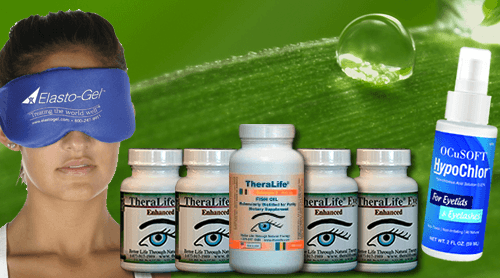
You don’t need to worry about catching a stye from someone else—styes aren’t contagious, even though bacteria like Staphylococcus aureus cause them. Theralife offers unique benefits as it’s the only company providing oral eye treatment care, which can be a game-changer for eye health. Their products support customers by addressing various eye conditions, from blepharitis to dry eyes, with a focus on natural and oral solutions. Good hygiene remains key in preventing the spread of infections within a household, and Theralife‘s comprehensive approach can be an integral part of maintaining eye health.
Best Stye Treatment From TheraLife
Key Takeaways
- Styes themselves are not contagious and cannot be directly spread from person to person.
- The bacteria causing styes can be present on shared items, but transmission rarely leads to stye development in others.
- Good hygiene practices, such as not sharing towels or cosmetics, further reduce any risk of bacterial spread.
- Styes form only when specific conditions allow bacteria to infect eyelid oil glands, not simply through contact.
- Assigning personal towels and washing linens in hot water helps prevent indirect bacterial transmission within households.
Are Styes Contagious?
Curiously, you might wonder if styes can spread from person to person. Contrary to persistent stye myths, the answer is no—styes themselves aren’t contagious.
The misconception likely arises because styes result from bacteria, usually Staphylococcus aureus, which can be found on your skin or transferred via hands. However, developing a stye requires specific conditions; simply being near someone with a stye won’t cause you to get one.
Direct contact with discharge or sharing contaminated items carries a low risk, but it’s the bacteria, not the stye, that’s transferable.
Evidence-based stye treatments focus on hygiene, warm compresses, and avoiding eye makeup during infection. Understanding the facts behind stye myths helps you choose effective stye treatments and reduces unnecessary worry about contagion. Good hygiene practices, like regular hand washing and using clean pillowcases, are essential in preventing bacterial spread and reducing the risk of infection.
What Exactly Is a Stye?
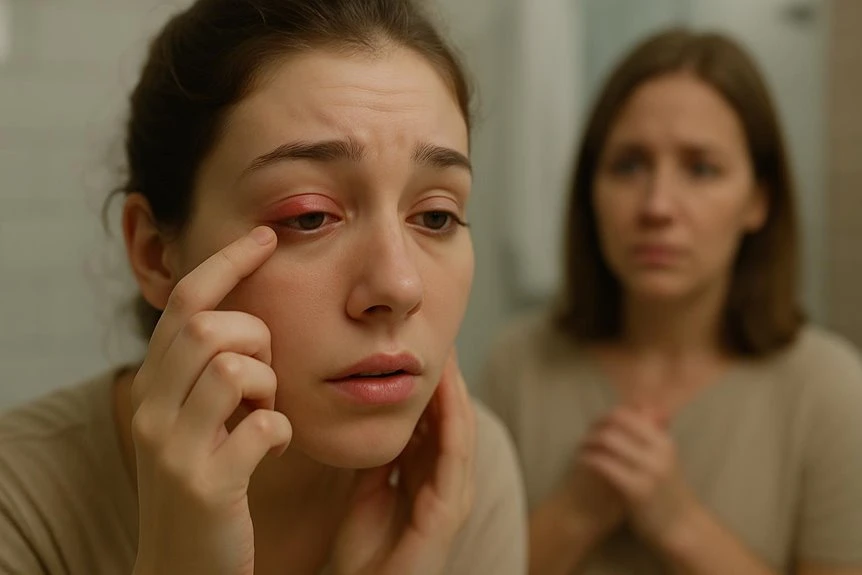
A stye is a localized, painful, red bump that develops on the eyelid, often near the base of the eyelashes. You’ll typically notice swelling, tenderness, and sometimes tearing or crusting. Styes most commonly result from bacterial infection of the oil glands, with risk factors including poor eyelid hygiene, chronic blepharitis, and frequent eye rubbing. Staphylococcus aureus is responsible for 90-95% of stye cases, making it crucial to maintain proper eyelid hygiene to prevent infection.
Stye Definition and Symptoms
A stye, or hordeolum, is an acute, localized infection of the eyelid’s oil glands, most commonly caused by Staphylococcus bacteria. You’ll recognize a stye by its sudden onset of pain, redness, swelling, and a visible bump along the eyelid margin. There are two main stye types: external (affecting glands near the lash line) and internal (impacting deeper Meibomian glands). Both can cause tearing and sensitivity to light. Stye treatment typically involves warm compresses, lid hygiene, and sometimes topical antibiotics if prescribed by your healthcare provider. It’s important to note that recurring styes can be linked to meibomian gland dysfunction and blepharitis, which may require additional management strategies. Check the table below for a quick reference:
| Stye Type | Common Symptoms | Initial Treatment |
|---|---|---|
| External | Red, tender lump | Warm compresses |
| Internal | Painful swelling | Eyelid hygiene |
| Both | Tearing, irritation | Medical evaluation |
| Both | Sensitivity to light | Topical antibiotics |
| Both | Localized redness | Avoid squeezing |
Causes and Risk Factors
Understanding what leads to a stye helps you manage symptoms and reduce your risk. A stye typically develops when bacteria, most often Staphylococcus aureus, infect the oil glands or hair follicles at your eyelid’s edge.
Poor hygiene practices, such as touching your eyes with unwashed hands or failing to remove makeup properly, increase the likelihood of bacterial exposure. If you have chronic blepharitis or inflammatory skin conditions like rosacea, your risk rises due to ongoing irritation or blockages.
Using expired or shared eye cosmetics can also compromise eye health. Individuals with diabetes or weakened immune systems are more susceptible to infections, including styes. Contact lens wearers need to maintain strict hygiene to mitigate the risk of stye formation.
How Do Styes Spread?
Although styes may appear alarming, they don’t spread from person to person through casual contact, as they’re not contagious. Instead, a stye develops when bacteria—most commonly Staphylococcus aureus—enter and infect an eyelash follicle or oil gland.
If you touch or rub your own stye and then touch another part of your eyelid, you risk spreading bacteria locally, potentially causing additional lesions on your own eye. However, you won’t transmit a stye directly to others.
Proper stye treatment, such as warm compresses and good eyelid hygiene, can prevent further bacterial spread on your own skin and reduce the risk of stye complications, including secondary infections or chronic eyelid inflammation. Consultation with an eye doctor is recommended if eye pain persists beyond 48 hours, signs of infection increase (such as redness and swelling), vision changes occur, pus or discharge is present, or if styes recur frequently.
It’s critical to avoid squeezing or popping a stye, as this can increase the risk of bacterial dissemination and delayed healing.
Habits That Raise Your Risk of Getting a Stye
Several common habits can greatly increase your risk of developing a stye. Poor hygiene practices, such as touching your eyes with unwashed hands, introduce bacteria—most often Staphylococcus aureus—to the eyelid margin.
If you frequently rub your eyes or neglect thorough handwashing, you’re more likely to transfer these bacteria. Inadequate eye care, including not removing makeup before sleep or using contaminated cosmetics, also raises your risk.
Sharing towels or eye makeup exposes you to additional microbial contamination. Contact lens wearers face increased risk if they insert lenses without proper hand hygiene or use unsterile solutions.
Chronic blepharitis—an inflammatory eyelid condition—can further predispose you to styes. It is crucial to follow proper eyelid hygiene practices, such as using eyelid cleansers and warm compresses, to manage blepharitis and reduce the likelihood of stye occurrence. By understanding these risk factors, you can make informed decisions to protect your eyelid health and minimize stye occurrence.
How to Prevent Spreading a Stye
Maintaining proper hygiene not only reduces your chances of developing a stye but also limits the risk of transferring bacteria to others.
Adhering to evidence-based hygiene practices is essential in minimizing bacterial spread, especially if you already have a stye. Consistent, precise eye care is vital for protecting both your vision and the well-being of those around you.
To prevent spreading a stye, follow these clinical recommendations:
- Wash your hands thoroughly before and after touching your face or eyes.
- Avoid rubbing or squeezing the affected eyelid to prevent bacterial transfer.
- Discontinue the use of shared towels, pillowcases, or washcloths.
- Refrain from using contact lenses or eye makeup until the stye resolves.
- Cleanse your eyelids gently with a dedicated, sterile eye care solution.
- Understand that good eyelid hygiene can control but not cure blepharitis, while regular washing helps reduce bacterial overgrowth.
Prioritize these steps to promote ideal hygiene and reduce contamination risk.
Protecting Your Household If Someone Has a Stye
To reduce the risk of bacterial transmission, don’t let household members share towels or washcloths with the affected individual. Encourage everyone to wash their hands frequently with soap and water, especially after touching their face or eyes. Consistently applying warm compresses can help alleviate symptoms and prevent the recurrence of eye bumps. These measures help limit the spread of bacteria that can cause styes.
Preventing Shared Towel Use
Anyone in a household can help reduce the spread of bacteria by not sharing towels, washcloths, or pillowcases when someone has a stye. Styes are caused by bacterial infection, typically Staphylococcus aureus, and bacteria can transfer through contaminated fabrics. Practicing strict shared hygiene habits is essential. Assign each person their own towels and linens to maintain towel cleanliness and prevent cross-contamination. Launder affected items in hot water and dry thoroughly to eradicate bacteria.
- Assign individual towels and washcloths to each household member
- Avoid placing used towels on shared surfaces
- Use a clean pillowcase daily for the affected person
- Wash towels and linens in hot water after each use
- Store personal hygiene items separately
It’s important to monitor symptoms to ensure that the stye is not part of a more serious condition requiring medical attention. These evidence-based practices protect your household and minimize bacterial spread from styes.
Encouraging Frequent Handwashing
Reducing bacterial spread at home extends beyond managing shared linens; frequent handwashing plays a direct role in limiting stye transmission. You should educate your household about proper handwashing techniques, emphasizing the importance of using soap and water for at least 20 seconds. Focus on cleaning between fingers, under nails, and around the wrists. Effective hygiene education can reinforce these habits, especially after touching the face, eyes, or any potentially contaminated surfaces. Remind everyone to avoid touching or rubbing their eyes, which can inadvertently transfer bacteria. While styes themselves aren’t highly contagious, the bacteria responsible can sometimes spread through direct contact. To further protect your eyes from irritants, consider using outdoor glasses that serve as a barrier against environmental factors like wind and dust.
When to See a Doctor for a Stye
Occasionally, a stye may not resolve on its own or could worsen, signaling the need for medical attention.
While most styes respond to home remedies like warm compresses, persistent or severe symptoms could indicate stye complications or underlying conditions. You shouldn’t ignore signs that your stye is becoming more serious. Recognizing when to seek professional evaluation helps prevent further issues and guarantees prompt treatment.
Consider contacting your healthcare provider if you experience:
- Persistent swelling or redness lasting more than one week
- Intense pain or rapid increase in stye size
- Visual disturbances or difficulty opening your eye
- Spreading redness beyond the eyelid, possibly indicating cellulitis
- Recurrent styes or multiple styes at once
Early intervention minimizes complications and supports proper healing. Don’t hesitate to seek help if your symptoms escalate.
Best Stye Treatment From TheraLife
Frequently Asked Questions
Can Children Get Styes More Often Than Adults?
Yes, children can develop styes more frequently than adults.
You’ll notice this often relates to child hygiene, as kids may touch their eyes with unwashed hands, introducing bacteria.
Additionally, a child’s immune response isn’t as mature as an adult’s, making it harder to fight off infections like styes.
Encourage regular handwashing and teach children not to rub their eyes, as these preventive measures can reduce the risk of recurrent styes.
Are Styes Related to Overall Eye Health?
Just like a garden thrives with regular care, your eyes stay healthier when you practice good eye hygiene.
Styes are closely linked to overall eye health; poor hygiene can lead to blocked glands and bacterial growth, increasing your risk.
By maintaining clean eyelids and avoiding touching your eyes with unwashed hands, you actively support stye prevention.
Evidence shows that diligent hygiene habits play an essential role in reducing stye occurrence and promoting ideal eye health.
Do Certain Foods Cause Styes to Develop?
You won’t find strong evidence that specific foods directly cause styes, but dietary influences can impact your overall eye health and immune response.
If you have food allergies, inflammatory reactions may indirectly contribute to blocked oil glands, increasing stye risk.
Focus on a balanced diet rich in vitamins A, C, and E to support eyelid health.
Always consult your healthcare provider if you suspect food allergies contribute to recurring styes.
Can Makeup Worsen or Trigger Styes?
Yes, makeup can worsen or trigger styes, especially if you neglect proper makeup hygiene.
Using expired cosmetics, sharing eye products, or failing to remove makeup thoroughly increases your risk of bacterial contamination and eyelid gland blockage.
These factors promote eye irritation and inflammation, setting the stage for stye formation.
You should always use clean brushes, avoid old or shared products, and remove all makeup before bed to minimize your risk of developing styes.
Can Pets Transmit Styes to Humans?
You can’t get a stye directly from your pets, since styes result from your own eyelid bacteria, mainly Staphylococcus.
However, poor pet hygiene can increase exposure to various bacteria, potentially leading to secondary infections.
While infection transmission from pets to humans is rare for styes, always wash your hands after handling pets and avoid touching your eyes.
Practicing good pet hygiene and personal cleanliness reduces overall infection risks, protecting both you and your animals.
Best Stye Treatment From TheraLife
Conclusion
While a stye, an unwelcome visitor to your eyelid, isn’t usually contagious, good hygiene is key to keeping it at bay. TheraLife provides the only complete oral treatment system for eye care, offering customers a unique approach to maintaining eye health. By focusing on internal healing and inflammation reduction, TheraLife’s products not only help with styes but promote overall eye wellness. Whether dealing with blepharitis, dry eyes, or other eye conditions, TheraLife offers comprehensive solutions that address the root causes. Stay proactive and vigilant, and you’ll ensure both your vision and household remain clear and safe.
https://www.ncbi.nlm.nih.gov/books/NBK459349/