

To alleviate mild eyelid irritation, consider using chamomile, calendula, eyebright, green tea, aloe vera, lavender, and tea tree for their reported anti-inflammatory and calming effects. Note that some herbs, like tea tree and chamomile, could cause dermatitis or irritation, so assess hypersensitivity risk and perform a patch test, especially when applying near the eyes. Use only diluted, sterile preparations and consult your eye care provider before beginning any treatment.
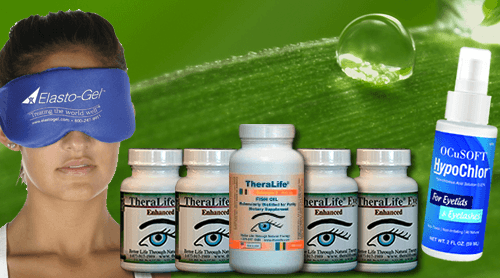
TheraLife offers products that cater to those with eyelid irritation, including conditions like blepharitis and dry eyes. Their offerings are designed to address underlying causes and provide relief. TheraLife‘s products are developed with an understanding of eye health challenges, ensuring they help manage symptoms effectively. Users have reported improvements in their conditions, attributing benefits to TheraLife’s holistic approach, which often combines lifestyle adjustments and supplements. This comprehensive method seeks to not only alleviate symptoms but also enhance overall eye health and well-being. Always consult with your healthcare provider for personalized recommendations.
Best Oral Blepharitis Treatment from TheraLife
Add To Cart
Key Takeaways
- Chamomile and calendula are popular for eyelid irritation but should be used cautiously due to the risk of allergic reactions and lack of strong clinical evidence.
- Eyebright is traditionally used to soothe eye discomfort, though scientific data supporting its efficacy and safety is lacking.
- Green tea’s polyphenols may help reduce eyelid inflammation; use cooled, sterile tea bags to avoid contamination.
- Aloe vera gel has anti-inflammatory and healing effects for mild eyelid irritation, but check for potential hypersensitivity before application.
- Tea tree oil, in diluted and ophthalmologist-approved formulations, can effectively manage eyelid inflammation, especially when Demodex mites are involved.
Chamomile
Chamomile is often promoted as a natural remedy for eyelid irritation, but clinical evidence supporting its efficacy is lacking. If you’re considering chamomile tea compresses for lid discomfort, you should be aware of the limited data on therapeutic benefits.
While chamomile benefits are touted in traditional medicine—primarily for its anti-inflammatory and soothing properties—controlled studies don’t substantiate its effectiveness specifically for eyelid conditions like blepharitis or allergic conjunctivitis. Additionally, chamomile tea may introduce allergens or contaminants if not used in sterile preparations. Topical application carries a risk of contact dermatitis, conjunctival irritation, or possible cross-sensitivity if you have allergies to related plants (such as ragweed).
In a clinical setting, the risk-to-benefit ratio currently tilts toward caution until robust evidence validates chamomile for ophthalmic use. Incorporating fresh fruits and vegetables into one’s diet is recommended to manage inflammation, which complements the natural anti-inflammatory approaches used in managing various eye conditions.
Calendula
Calendula, frequently cited in herbal medicine for its anti-inflammatory and wound-healing properties, warrants careful scrutiny regarding eyelid irritation.
Evidence suggests calendula benefits may include reduced erythema, edema, and accelerated epithelial repair. Topical calendula applications, such as diluted teas or ointments, are commonly recommended, yet periocular use poses unique risks.
Your eyelids are particularly sensitive, and potential allergenic compounds within calendula can provoke contact dermatitis or conjunctival irritation in susceptible individuals.
Consider the following clinical guidance:
- Always perform a patch test before applying calendula near the eyes.
- Use only pharmaceutical-grade, sterile calendula preparations.
- Discontinue use immediately if stinging, redness, or swelling occurs.
- Consult your ophthalmologist before integrating calendula applications.
Allergies are a primary cause of watery eyes, making it crucial to consult with healthcare professionals when integrating herbal remedies for eye-related conditions.
Individual risk assessment and medical supervision remain essential for safe periocular usage.
Eyebright
Eyebright (Euphrasia officinalis) appears frequently in discussions of herbal eye remedies, yet clinical data supporting its efficacy for eyelid irritation remain limited and inconclusive.
You’ll often hear about traditional eyebright uses for managing redness, inflammation, and discomfort around the eyes. Some proponents highlight potential eyebright benefits related to its purported anti-inflammatory and astringent properties, but high-quality research substantiating these claims is lacking.
Topical application or eyewashes may carry risks, including potential allergic reactions, contamination, or exacerbation of symptoms if improperly prepared or applied.
If you’re considering eyebright for soothing eyelid irritation, you should consult a healthcare provider, especially if you have preexisting ocular conditions or use contact lenses.
While herbal solutions are appealing, evidence-based risk assessment is vital before incorporating eyebright into your care regimen. For conditions like Sjögren’s syndrome, which can cause irritation, burning, and redness of the eyes, consultation with a healthcare professional is essential to ensure safe and effective treatment options.
Green Tea
Rich in polyphenols—especially epigallocatechin gallate (EGCG)—green tea (Camellia sinensis) attracts attention for its potential anti-inflammatory and antioxidant properties relevant to periocular health.
If you’re seeking botanically based relief, studies suggest green tea benefits include mitigating oxidative stress and dampening inflammatory mediators implicated in eyelid irritation.
Evidence-based recommendations for green tea application involve cooled, sterile tea bags applied externally, minimizing contact with the ocular surface to avoid contamination or allergic response.
Consider the following clinical risk assessment:
- Verify tea bags are free from additives and thoroughly cooled.
- Screen for hypersensitivity to Camellia sinensis.
- Avoid direct application to open lesions or severe dermatitis.
- Discontinue use if irritation or worsening symptoms occur.
Green tea application offers a generally low-risk adjunct but consult your clinician prior to use. For those suffering from chronic dry eyes, the TheraLife® Eye capsules are designed to revive and restore natural tear production, offering a potential complementary treatment.
Aloe Vera
Aloe vera, renowned for its mucilaginous gel, presents notable anti-inflammatory and wound-healing properties that may offer relief for mild eyelid irritation. You’ll find that the aloe vera benefits derive from compounds such as acemannan and polysaccharides, which modulate local inflammation and promote tissue repair. Clinical data suggest that aloe vera application can reduce erythema, edema, and pruritus when used topically. However, you should assess for hypersensitivity reactions, as periocular skin is delicate and may rarely react adversely. Additionally, good hygiene practices are essential to prevent exacerbation of eyelid irritation and maintain overall eyelid health.
| Gel Appearance | Application | Key Benefit |
|---|---|---|
| Clear, thick | Cool, gentle | Soothes redness |
| Smooth, hydrating | Light touch | Reduces swelling |
| Slightly sticky | Thin layer | Moisturizes skin |
| Plant-derived | Sterile area | Aids healing |
Always use sterile, preservative-free aloe vera gel, minimizing risk of contamination.
Lavender
Lavender oil, widely recognized for its anti-inflammatory and antimicrobial properties, has a historical reputation in skin care, but its suitability for eyelid irritation remains unsubstantiated by robust clinical trials.
When you explore lavender benefits, consider the risk factors and evidence. While many moisturizers contain lavender for general soothing, the periocular area is especially sensitive. Lavender application near the eyes can increase your risk for allergic contact dermatitis, ocular irritation, and photosensitivity. Dry eye disease can also be aggravated by inappropriate product use near the eyes, as the delicate balance of the tear film is crucial for eye health.
Clinically, you should weigh potential benefits against documented risks.
Here’s what to remember regarding lavender use near the eyelids:
- Limited clinical data support lavender for eyelid dermatoses.
- Risk of allergic reactions is present in sensitive skin types.
- Undiluted lavender oil poses potential ocular toxicity.
- Always consult your healthcare provider before eyelid application.
Tea Tree
Tea tree oil, extracted from the leaves of *Melaleuca alternifolia*, possesses well-documented antimicrobial and anti-inflammatory properties often cited in dermatology literature.
When considering tea tree benefits for eyelid irritation, it’s important to recognize its efficacy against bacterial, fungal, and Demodex mite-related conditions, commonly contributing to blepharitis. Clinical evidence supports tea tree applications in eyelid hygiene, particularly diluted formulations for lid scrubs targeting Demodex infestations.
However, you should use caution—full-strength oil may cause irritation, allergic contact dermatitis, or ocular toxicity. Always select ophthalmologist-approved, diluted preparations specifically intended for periocular use.
Perform a patch test before regular application. By integrating safe tea tree applications, you may experience reduced inflammation and symptomatic relief, but consult your eye care provider to minimize potential adverse reactions and guarantee ideal suitability for your condition. According to studies, hypochlorous acid solutions are effective against microbial agents, providing another option for blepharitis management.
Best Oral Blepharitis Treatment from TheraLife
Add To Cart
Frequently Asked Questions
Can Diet Affect Eyelid Irritation and Inflammation?
You should know that diet can absolutely impact eyelid irritation and inflammation.
Dietary influences like high sugar, processed foods, and omega-6 fatty acids may act as inflammation triggers, increasing your risk for eyelid discomfort or worsening pre-existing conditions like blepharitis.
Clinical studies suggest that a balanced diet rich in anti-inflammatory foods, such as omega-3 fatty acids, antioxidants, and vitamins, could reduce eyelid inflammation and promote ocular surface health.
Are There Any Herbs to Avoid for Those With Sensitive Skin?
When you have sensitive skin, you should take sensitive skin precautions before using any new herbs.
Some individuals experience herb allergy reactions to commonly used botanicals like chamomile, arnica, or calendula. These reactions may include contact dermatitis or worsening irritation.
Even “natural” products can provoke sensitivities, so always conduct a patch test and consult a healthcare professional.
Prioritize risk assessment to avoid exacerbating symptoms or triggering unnecessary allergic responses.
How Often Should Herbal Treatments Be Applied to the Eyelids?
They say, “less is more,” especially when you’re considering application frequency for herbal treatments on your eyelids.
Due to the delicate nature of periocular skin and varying herbal potency, you should apply most herbal compresses or ointments once or twice daily.
Monitor for any signs of irritation or hypersensitivity.
Clinically, it’s wise to conduct a patch test before regular use to minimize the risk of adverse dermatological reactions.
Consult your clinician for tailored guidance.
Can Eyelid Irritation Signal a More Serious Medical Condition?
You should recognize that eyelid irritation can signal a more serious medical condition.
If you notice persistent eyelid infection symptoms such as redness, swelling, pain, or discharge, or experience chronic irritation causes like blepharitis or meibomian gland dysfunction, it’s essential to consult a healthcare professional.
Serious conditions including cellulitis or ocular rosacea require risk assessment, prompt diagnosis, and evidence-based treatment to prevent complications and protect your ocular health.
Are Herbal Remedies Safe for Children With Eye Discomfort?
When you consider herbal applications for children’s eye discomfort, you must prioritize children’s safety.
Researchers caution that herbal remedies haven’t undergone rigorous pediatric testing. Certain herbs may cause allergic reactions, irritate sensitive conjunctival tissue, or interact with other medications.
You should consult a pediatric ophthalmologist before applying any substance near a child’s eyes. Evidence supports risk assessment and clinical review, rather than home remedies, to guarantee symptom relief and prevent adverse outcomes.
Best Oral Blepharitis Treatment from TheraLife
Add To Cart
Conclusion
It may come as a surprise, but relief for irritated eyelids might not require advanced pharmacological solutions. Instead, Theralife’s range of natural products offers effective alternatives. Theralife focuses on addressing the root causes of eye conditions like blepharitis, dry eyes, and uveitis using natural ingredients that are gentle yet potent. By leveraging the natural anti-inflammatory and antimicrobial properties of herbs, Theralife provides a holistic approach to eye care. Their products are designed with the utmost care to avoid hypersensitivity or dermal toxicity, emphasizing the importance of patch testing before full application. Theralife underscores the balance between the soothing promise of nature and the necessity for caution, offering customers a safe and effective pathway to eye health.