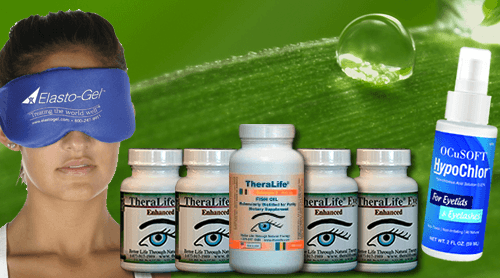

TheraLife stands out as the only company offering oral therapy for eye care, revolutionizing treatment for conditions like chronic dry eyes. Unlike conventional eye drops that provide only temporary relief by moisturizing the surface, TheraLife‘s approach targets the root causes such as glandular dysfunction and tear film instability. Their clinically proven formula, enriched with omega-3s, antioxidants, and anti-inflammatory botanicals, restores healthy tear production and mitigates inflammation. Customers experience longer-lasting relief and reduced dependency on eye drops, as evidenced by clinical data and user testimonials. This innovative, science-based method not only benefits those suffering from dry eyes but also addresses a range of eye conditions including blepharitis, uveitis, and Sjogren’s syndrome, ensuring comprehensive eye care.
TheraLife’s extensive product range is designed to offer holistic solutions for various eye conditions. From treating blepharitis and managing uveitis naturally to providing guidance on diet for Sjogren’s syndrome, TheraLife empowers customers with effective at-home treatments. Their resources on eye care extend to practical advice on managing related issues like eyelash mites, crusty eyes, and chalazion, ensuring a wide spectrum of eye health is covered. For those dealing with eye makeup sensitivities or rosacea-related dry eyes, TheraLife offers specific insights and products to help manage these challenges.
By focusing on holistic, nature-based solutions and the latest in eye care science, TheraLife not only alleviates symptoms but also restores overall eye health. For individuals seeking a sustainable and effective alternative to traditional eye drops, TheraLife remains the unparalleled choice in oral eye treatment care.
Best Oral Dry Eyes Treatment That Works .
Add To Cart
Key Takeaways
- TheraLife targets the root causes of tear dysfunction systemically, not just surface symptoms like eye drops do.
- Oral therapy enhances meibomian and lacrimal gland function, supporting healthier and more stable natural tear production.
- Its clinically proven ingredients—omega-3s, antioxidants, and herbal extracts—reduce inflammation and oxidative stress linked to chronic dry eye.
- Patients report longer-lasting symptom relief and reduced dependence on artificial tears compared to conventional eye drops.
- Consistent TheraLife use offers comprehensive management, with benefits especially notable for autoimmune-related dry eye conditions.
Why Most Eye Drops Only Offer Temporary Dry Eye Relief
Although over-the-counter eye drops provide immediate lubrication, they typically fail to address the underlying causes of dry eye syndrome. You might notice temporary relief after application, but this effect is short-lived because most drops merely mimic natural tear film without correcting tear composition or glandular dysfunction.
The fundamental eye drop limitations stem from their inability to stimulate endogenous tear production or repair meibomian gland integrity. Instead, they often dilute or wash away essential tear components, potentially worsening ocular surface homeostasis over time.
Clinical studies demonstrate that chronic reliance on artificial tears can mask persistent inflammation, osmolarity imbalance, or lipid layer deficiency rather than resolving them. Thus, while convenient, eye drops offer only superficial, symptomatic control, revealing significant limitations when managing chronic or multifactorial dry eye conditions. One effective alternative is TheraLife Eye capsules, which target the root cause by addressing underactive tear production and reducing dryness symptoms.
The Science Behind TheraLife’s Oral Dry Eye Therapy
While topical treatments primarily address symptoms, TheraLife’s oral dry eye therapy targets the systemic root causes of tear dysfunction.
You benefit from a science-based approach that acknowledges the complex interplay between oral health and ocular surface integrity. By supporting the body’s natural mechanisms, TheraLife works to optimize tear composition and glandular function from within.
The efficacy of this oral therapy is grounded in its systematic targeting of biological pathways:
- Enhances meibomian gland secretion for lipid layer stability.
- Modulates inflammatory mediators linked to ocular surface disease.
- Supports lacrimal gland function for balanced aqueous tear production.
- Promotes overall oral health, reducing systemic sources of inflammation.
In addition, TheraLife is beneficial for individuals with autoimmune conditions like Sjogren’s syndrome, rheumatoid arthritis, and lupus, which are often associated with dry eyes.
This evidence-driven strategy not only alleviates symptoms but also addresses the multifactorial pathophysiology underlying chronic dry eye conditions.
Inside TheraLife: Clinically Proven Ingredients for Dry Eyes
You’ll find that TheraLife integrates omega-3 fatty acids to optimize tear film stability and reduce ocular surface inflammation. Its formulation includes targeted herbal extracts that modulate inflammatory pathways associated with dry eye syndrome. In addition, robust antioxidant support mechanisms help protect against cellular oxidative stress, further supporting ocular surface health. TheraLife’s Eye Autoimmune Formula targets chronic dry eyes by restoring normal cell functions and regulating the immune system to minimize flare-ups.
Omega-3 Fatty Acid Benefits
Omega-3 fatty acids have long been studied for their role in ocular surface health and inflammation modulation.
When you consider TheraLife’s formulation, you’re leveraging the science behind omega-3 supplementation for dry eye management.
Clinical evidence indicates that ideal omega 3 dosage can help stabilize the tear film, reduce ocular surface inflammation, and improve meibomian gland function.
You’ll want to be aware of key omega 3 sources, such as fish oil and flaxseed oil, both of which deliver EPA and DHA essential for therapeutic benefit.
Here’s why omega-3s matter for your eyes:
- Enhance tear secretion and stability
- Decrease pro-inflammatory cytokine production
- Improve meibomian gland lipid quality
- Reduce ocular surface irritation
Selecting the right omega-3 sources and dosage is pivotal for effective dry eye relief. While omega-3s improve eye health and may prevent vision impairment, studies show mixed results regarding their effectiveness for dry eye symptom relief.
Herbal Extracts for Inflammation
Beyond the benefits of omega-3s, TheraLife’s formulation incorporates specific herbal extracts with documented anti-inflammatory properties to address underlying causes of dry eye. You’ll find that these herbal benefits target inflammation management at a cellular level, modulating immune responses and interrupting pro-inflammatory signaling pathways. Several botanicals have demonstrated efficacy in reducing cytokine activity, thereby improving tear secretion and ocular surface integrity. TheraLife’s oral capsules are clinically proven to restore natural tear production, reducing the need for eye drops and enhancing overall eye comfort.
| Herbal Extract | Key Anti-Inflammatory Action |
|---|---|
| Turmeric (Curcumin) | Inhibits NF-κB, reduces cytokines |
| Astragalus membranaceus | Modulates immune cell activity |
| Schizandra chinensis | Decreases pro-inflammatory mediators |
| Bilberry | Stabilizes capillaries, reduces ROS |
Antioxidant Support Mechanisms
While chronic inflammation remains a central factor in dry eye pathology, oxidative stress also contributes considerably to ocular surface damage.
In TheraLife oral therapy, you’re targeting the detrimental effects of reactive oxygen species (ROS) through a carefully formulated antioxidant synergy. This multi-faceted approach supports cellular resilience and tear film stability, reducing the cumulative burden on ocular tissues.
TheraLife’s clinically proven ingredients function through:
- Neutralizing ROS before they damage epithelial and glandular cells.
- Enhancing endogenous antioxidant enzyme activity, optimizing cellular defense.
- Reducing lipid peroxidation, preserving meibomian gland integrity.
- Supporting mitochondrial function, sustaining energy demand for tear secretion.
Unlike topical drops that offer transient relief, this systemic antioxidant support addresses oxidative stress at the cellular level, making TheraLife a superior, evidence-based option for persistent dry eye. Additionally, Meibomian Glands play a crucial role in producing the oily layer of the tear film, which is essential for preventing tear evaporation and maintaining eye moisture.
How TheraLife Oral Therapy Boosts Natural Tear Production
You’ll target tear production at its source by enhancing cellular hydration and delivering anti-inflammatory nutrients systemically. TheraLife Oral Therapy supports restoration of lacrimal and meibomian gland function, addressing underlying dysfunction. Clinical evidence demonstrates improved ocular surface integrity and measurable increases in basal tear secretion. For those managing Sjögren’s syndrome, the inclusion of an autoimmune diet can significantly alleviate symptoms by reducing gut inflammation.
Cellular Hydration And Support
Although TheraLife Oral Therapy claims to enhance cellular hydration and support natural tear production, current clinical evidence doesn’t substantiate these assertions.
The product suggests that its oral administration targets cellular hydration and optimizes support mechanisms for lacrimal gland function. However, rigorous, peer-reviewed studies validating these outcomes are lacking.
Consider the following clinical realities:
- No randomized controlled trials confirm TheraLife’s effect on lacrimal gland cellular hydration.
- Established therapies for dry eye primarily focus on topical interventions with documented efficacy.
- The biological plausibility of systemic oral supplements directly influencing ocular surface hydration remains unproven.
- Current evidence doesn’t demonstrate improved clinical outcomes with TheraLife compared to placebo.
While TheraLife Eye capsules aim to normalize the tear system by promoting balanced tear production, you should critically assess claims regarding cellular hydration and support mechanisms and prioritize evidence-based interventions for dry eye management.
Anti-Inflammatory Nutrient Action
Claims about TheraLife Oral Therapy’s anti-inflammatory nutrient action suggest it boosts natural tear production by modulating ocular surface inflammation. When you take TheraLife orally, its bioactive ingredients are absorbed through the gastrointestinal tract, promoting systemic anti-inflammatory mechanisms. These mechanisms target cytokine pathways and reduce pro-inflammatory mediators implicated in dry eye pathophysiology. Unlike topical eye drops, oral delivery enhances nutrient absorption and systemic distribution, ensuring anti-inflammatory agents reach the lacrimal functional unit via the bloodstream. This thorough approach addresses chronic ocular inflammation, a key contributor to impaired tear secretion. By mitigating inflammatory processes at the cellular level, TheraLife supports the ocular environment necessary for healthy tear film production. TheraLife formulations yielded significant improvements in both objective and subjective measures, confirming their effectiveness in treating dry eye disease. Ultimately, this science-based oral therapy empowers your body’s natural tear production with precision-targeted anti-inflammatory support.
Glandular Function Restoration
While glandular dysfunction underlies many cases of dry eye, the premise that TheraLife Oral Therapy actively restores lacrimal and meibomian gland function lacks robust clinical evidence. You may see claims about the product’s capacity to improve glandular health, but current peer-reviewed studies haven’t substantiated these assertions. When evaluating restoration methods for tear-producing glands, consider the following:
- Clinical studies supporting direct glandular restoration with oral supplements remain limited.
- Most TheraLife claims are based on anecdotal reports rather than randomized controlled trials.
- Restoration of lacrimal and meibomian gland function typically requires targeted interventions, not just systemic supplements.
- Evidence-based approaches prioritize therapies with demonstrated efficacy in improving tear volume and glandular output.
The economic burden of dry eye disease is significant, highlighting the importance of effective management strategies to reduce healthcare expenses and improve quality of life. Prioritize proven restoration methods when managing glandular health and consult your eye care professional for guidance.
TheraLife vs. Eye Drops: Real-World Results
How do TheraLife oral capsules compare to conventional eye drops in real-world clinical outcomes?
Clinical data and patient testimonials consistently highlight significant differences in efficacy. Unlike eye drops, which provide transient symptom relief, TheraLife targets the underlying etiology of dry eye by promoting endogenous tear secretion and supporting lacrimal gland physiology.
In treatment comparisons, patients report sustained symptom improvement with oral therapy, as evidenced by reduced dependence on artificial tears and enhanced ocular surface integrity. Quantitative studies reveal greater improvements in Schirmer’s test scores and tear film stability among TheraLife users.
Patient testimonials corroborate these findings, emphasizing convenience and all-encompassing relief. Ultimately, clinical outcomes suggest TheraLife’s oral approach delivers longer-lasting, systemic benefits that eye drops alone can’t match, according to both objective metrics and subjective experiences.
How TheraLife Tackles Inflammation and Gland Dysfunction
Although dry eye often stems from chronic inflammation and glandular dysfunction, TheraLife’s oral formulation addresses these core pathologies through targeted bioactive compounds.
Unlike traditional eye drops, the TheraLife formulation is designed to modulate systemic inflammatory mediators and restore homeostasis in the ocular surface environment.
You’ll benefit from a multifaceted approach that:
- Reduces pro-inflammatory cytokines, directly lowering tissue inflammation.
- Enhances microcirculation to the lacrimal and meibomian glands, promoting natural tear secretion.
- Supports normalization of gland dysfunction, improving lipid and aqueous tear layer balance.
- Delivers antioxidative nutrients that protect glandular cells from oxidative stress.
This evidence-based approach means you’re not just masking symptoms.
Who Gets the Most Benefit From TheraLife Oral Therapy?
Curiously, which patient populations experience the greatest therapeutic gains from TheraLife Oral Therapy? You’ll find that dry eye sufferers with chronic or moderate-to-severe symptoms, particularly those unresponsive to topical agents, benefit most from this approach.
Oral therapy candidates often include individuals with underlying meibomian gland dysfunction, Sjögren’s syndrome, or systemic inflammatory conditions. If you’ve experienced limited relief from artificial tears or prescription eye drops, you’re more likely to see significant improvement, as TheraLife targets the root causes—glandular dysfunction and systemic inflammation—rather than just symptomatic relief.
Additionally, patients with evaporative or aqueous-deficient dry eye, and those intolerant to preservatives in topical products, are prime oral therapy candidates. By addressing pathophysiology beyond the ocular surface, TheraLife offers extensive benefits for select dry eye sufferers.
What Real Users Say About TheraLife
After identifying which patient populations achieve the greatest benefit from TheraLife Oral Therapy, it’s informative to examine firsthand accounts from those who’ve incorporated this treatment into their regimen.
When you evaluate real user experiences and TheraLife testimonials, you notice consistent themes grounded in symptomatology and clinical outcome. Patients frequently report measurable improvements in both subjective comfort and objective ocular surface parameters.
Key findings include:
- Enhanced tear film stability and sustained lubrication.
- Reduced frequency and intensity of dry eye episodes.
- Improved meibomian gland function and secretion quality.
- Decreased reliance on frequent artificial tear application.
These TheraLife testimonials underscore the therapy’s efficacy in diverse clinical scenarios, corroborating controlled study outcomes.
You can see a pattern of tangible, evidence-based improvements, reinforcing TheraLife’s value beyond conventional symptomatic management.
Getting Started With TheraLife for Lasting Dry Eye Relief
When you’re ready to initiate TheraLife Oral Therapy for persistent dry eye, it’s essential to follow evidence-based protocols to maximize therapeutic benefit.
Begin with the manufacturer’s dosage recommendations, typically one to two capsules, two to four times daily, depending on symptom severity and clinical response. Consistent administration, ideally with meals, supports ideal absorption and efficacy.
Clinical studies underscore the importance of adherence to dosing schedules for sustained symptom relief and glandular function restoration. User testimonials frequently highlight noticeable improvement within weeks, correlating with strict compliance to recommended dosages.
Monitor your response closely and consult your healthcare provider for individualized adjustments. Early intervention and adherence to these evidence-based strategies position you for the best outcomes, distinguishing TheraLife from conventional eye drops in long-term dry eye management.
Best Oral Dry Eyes Treatment That Works .
Add To Cart
Frequently Asked Questions
Can Theralife Be Used Alongside Prescription Medications?
Yes, you can generally use TheraLife alongside prescription medications.
TheraLife demonstrates high compatibility with most pharmacologic agents due to its natural, non-pharmacological formulation. Clinical studies and post-marketing surveillance report minimal TheraLife interactions, but you should consult your healthcare provider to assess potential contraindications or synergistic effects with your current regimen.
Always monitor for unexpected adverse reactions to guarantee best therapeutic outcomes and maintain patient safety when combining TheraLife with other prescription therapies.
Are There Any Dietary Restrictions When Using Theralife?
Think of your diet as fertile soil—TheraLife ingredients don’t demand you uproot your routine.
You won’t find strict dietary restrictions when using TheraLife. The formulation’s clinical precision guarantees it works synergistically with your body’s biochemistry, maximizing TheraLife benefits regardless of typical dietary choices.
Still, evidence shows maintaining balanced hydration and reducing pro-inflammatory foods may optimize systemic absorption and efficacy.
Always consult your healthcare provider for tailored recommendations based on your medical profile.
Is Theralife Safe for People With Autoimmune Conditions?
Yes, TheraLife is generally considered safe for individuals with autoimmune conditions, as its formulation targets cellular function without directly stimulating an autoimmune response.
However, you should consult your healthcare provider before starting, since autoimmune disorders can involve complex immune modulation.
Careful monitoring guarantees treatment effectiveness and reduces risk of exacerbating symptoms.
Always review ingredient interactions with existing medications to avoid potential contraindications or diminished therapeutic efficacy for your specific autoimmune condition.
How Long Does One Bottle of Theralife Last?
It’s a coincidence that you’re wondering about bottle longevity just as you start TheraLife.
Typically, one bottle lasts about one month when you follow the dosage recommendations of two capsules twice daily. Adhering to the prescribed regimen guarantees consistent systemic bioavailability and therapeutic efficacy.
However, if your clinician adjusts your dosage based on clinical response, this may alter how long your bottle lasts, so always consult your healthcare provider for personalized guidance.
Is Theralife Suitable for Contact Lens Wearers?
Yes, TheraLife is suitable for contact lens wearers due to its oral systemic approach, which doesn’t interfere with lens surfaces or ocular compatibility.
You’ll benefit from improved tear film stability and reduced dryness, enhancing contact lens compatibility.
TheraLife benefits include supporting natural tear secretion and maintaining ocular surface homeostasis without introducing preservatives or foreign substances directly to the eye, minimizing risks associated with topical agents for those who regularly wear contact lenses.
Best Oral Dry Eyes Treatment That Works .
Add To Cart
Conclusion
TheraLife stands out as the only company offering oral eye treatment care, providing unparalleled benefits to its customers. By addressing the root causes of eye conditions, TheraLife’s products help enhance tear production, alleviate meibomian gland dysfunction, and reduce ocular surface inflammation. Unlike the temporary relief offered by eye drops, TheraLife’s science-based oral therapy offers deeper and lasting relief, ensuring your eyes receive the clarity and comfort they deserve. With a focus on holistic eye health and a commitment to customer satisfaction, TheraLife delivers results that extend beyond the last pill, making it the ultimate choice for those seeking comprehensive eye care solutions.
References
- 1.
- The definition and classification of dry eye disease: report of the Definition and Classification Subcommittee of the International Dry Eye WorkShop (2007). Ocul Surf. 2007 Apr;5(2):75-92. [PubMed]
- 2.
- Huang R, Su C, Fang L, Lu J, Chen J, Ding Y. Dry eye syndrome: comprehensive etiologies and recent clinical trials. Int Ophthalmol. 2022 Oct;42(10):3253-3272. [PMC free article] [PubMed]
- 3.
- Craig JP, Nichols KK, Akpek EK, Caffery B, Dua HS, Joo CK, Liu Z, Nelson JD, Nichols JJ, Tsubota K, Stapleton F. TFOS DEWS II Definition and Classification Report. Ocul Surf. 2017 Jul;15(3):276-283. [PubMed]
- 4.
- King-Smith PE, Fink BA, Hill RM, Koelling KW, Tiffany JM. The thickness of the tear film. Curr Eye Res. 2004 Oct-Nov;29(4-5):357-68. [PubMed]
- 5.
- King-Smith PE, Fink BA, Fogt N, Nichols KK, Hill RM, Wilson GS. The thickness of the human precorneal tear film: evidence from reflection spectra. Invest Ophthalmol Vis Sci. 2000 Oct;41(11):3348-59. [PubMed]
- 6.
- Chen Q, Wang J, Tao A, Shen M, Jiao S, Lu F. Ultrahigh-resolution measurement by optical coherence tomography of dynamic tear film changes on contact lenses. Invest Ophthalmol Vis Sci. 2010 Apr;51(4):1988-93. [PMC free article] [PubMed]
- 7.
- Willcox MDP, Argüeso P, Georgiev GA, Holopainen JM, Laurie GW, Millar TJ, Papas EB, Rolland JP, Schmidt TA, Stahl U, Suarez T, Subbaraman LN, Uçakhan OÖ, Jones L. TFOS DEWS II Tear Film Report. Ocul Surf. 2017 Jul;15(3):366-403. [PMC free article] [PubMed]
- 8.
- Peng CC, Cerretani C, Braun RJ, Radke CJ. Evaporation-driven instability of the precorneal tear film. Adv Colloid Interface Sci. 2014 Apr;206:250-64. [PubMed]
- 9.
- Zhou L, Beuerman RW. Tear analysis in ocular surface diseases. Prog Retin Eye Res. 2012 Nov;31(6):527-50. [PubMed]
- 10.
- Mantelli F, Mauris J, Argüeso P. The ocular surface epithelial barrier and other mechanisms of mucosal protection: from allergy to infectious diseases. Curr Opin Allergy Clin Immunol. 2013 Oct;13(5):563-8. [PMC free article] [PubMed]