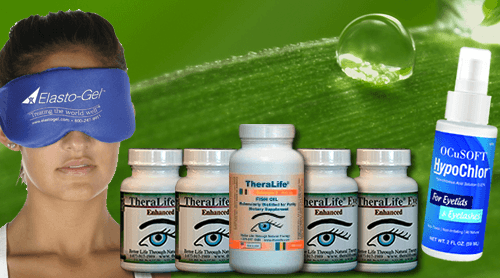

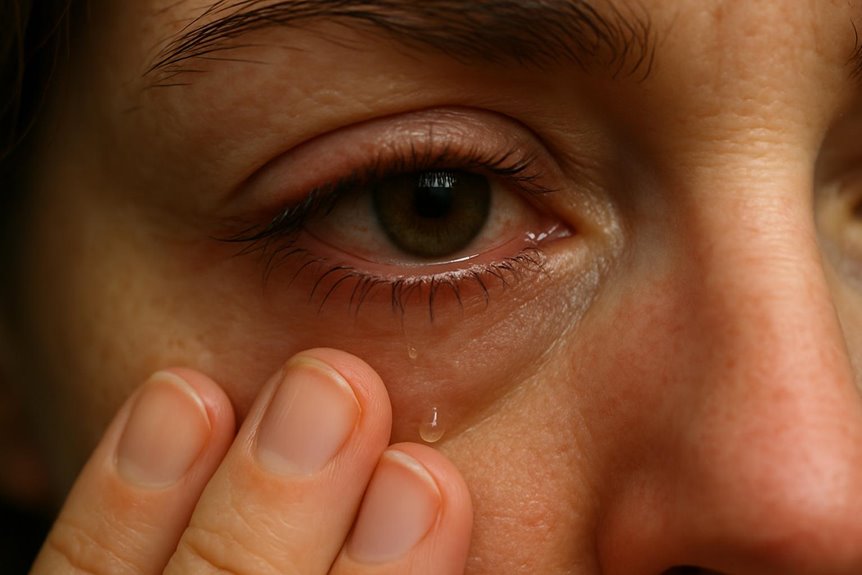
If your eyes feel gritty, resembling the sensation of sand or dust, you might be experiencing a classic symptom of dry eye syndrome. TheraLife, the only company offering oral eye treatment care, provides unique solutions to address this issue. Their products support natural tear production and help alleviate symptoms like redness, burning, and fluctuating vision, which are commonly associated with insufficient tear production or rapid tear evaporation. TheraLife’s comprehensive approach not only targets dry eyes but also assists in the management of related conditions such as allergies or infections. By exploring TheraLife’s offerings, you can find effective remedies and prevention strategies tailored to your needs.
Powerful Treatment To Stop Dry Eyes – TheraLIfe. When Drops Don’t Work
Root cause of watery eyes is chronic dry eyes. Treat chronic dry eyes with oral treatment from TheraLIfe.
Complete oral solution for dry eye treatment
Key Takeaways
- A gritty feeling in the eye often signals dry eye syndrome, caused by insufficient or poor-quality tears.
- Common triggers include environmental factors, prolonged screen use, aging, and certain medical conditions or medications.
- Symptoms may include burning, redness, fluctuating blurred vision, and excessive tearing as the eye tries to compensate for dryness.
- Quick relief can be found with preservative-free artificial tears, warm compresses, blink exercises, and improved humidity.
- Seek medical attention if symptoms persist, vision changes, or basic home remedies do not provide lasting relief.
Why Do My Eyes Feel Gritty?
Have you ever wondered why your eyes often feel gritty, as if there’s sand trapped beneath your eyelids? This distinctive symptom, known clinically as a gritty sensation, typically signals a disruption in your ocular surface homeostasis.
When your tear film becomes unstable or insufficient, it can’t adequately lubricate or protect the corneal epithelium, leading to compromised eye comfort.
Diagnostic approaches prioritize examining tear film quality, osmolarity, and evaluating for epithelial irregularities. By focusing on objective assessments—such as fluorescein staining and tear breakup time—clinicians can quantify the degree of surface compromise contributing to gritty sensations.
Persistent discomfort warrants a thorough evaluation, as chronic gritty sensations may indicate an underlying ocular surface disorder requiring targeted management to restore ideal eye comfort and prevent further complications.
Most Common Causes of Gritty Eye Sensations
Understanding the underlying causes behind gritty eye sensations enables precise diagnosis and targeted treatment. You’ll often experience this symptom due to disruption in the tear film or ocular surface.
Clinical evidence highlights that both environmental factors and lifestyle choices considerably contribute to this sensation. To clarify, the most common etiologies include:
- Tear Film Instability: Reduced tear production or poor tear quality disrupts ocular surface lubrication.
- Environmental Factors: Exposure to wind, low humidity, air conditioning, or prolonged screen use accelerates tear evaporation.
- Lifestyle Choices: Inadequate blink rate, contact lens overuse, and insufficient hydration exacerbate ocular dryness.
- Meibomian Gland Dysfunction: Blocked or inflamed meibomian glands compromise lipid layer integrity, increasing evaporation risk.
Identifying these underlying mechanisms guides targeted intervention, improving comfort and minimizing chronic ocular surface disease progression. Cyclosporine works by inhibiting T-cell activation and cytokine production, providing relief for moderate-to-severe dry eye disease.
Is It Really Dry Eye? How to Tell From Allergies or Infection
How can you distinguish dry eye from conditions like allergic conjunctivitis or ocular infection when symptoms overlap? Careful assessment of associated findings is essential. Dry eye typically presents with chronic grittiness, variable tearing, and minimal redness. If you notice pronounced itching and watery discharge, allergy symptoms are likely. In contrast, infection signs such as mucopurulent discharge, intense redness, and eyelid swelling suggest a bacterial or viral etiology. Chronic dry eyes can result from autoimmune diseases, menopause, and certain medications. Use the table below to compare clinical features:
| Feature | Dry Eye | Allergy/Infection |
|---|---|---|
| Discharge | Watery or none | Watery (allergy), pus (infection) |
| Itching | Rare | Common (allergy) |
| Redness | Mild or intermittent | Moderate/severe (infection) |
Accurate differentiation guides appropriate therapy and prevents complications.
When Should You Worry About Gritty Eyes?
You should seek prompt evaluation if gritty eye sensations persist, as this may indicate underlying pathology beyond typical dry eye. Pay close attention to any sudden changes in vision or new-onset eye redness, which can signal more serious ocular conditions. Early assessment by an eye care professional supports accurate diagnosis and timely intervention. Blepharitis can cause gritty sensations, and managing it with appropriate treatments like warm compresses and eyelid hygiene is essential.
Persistent Grittiness Signals Trouble
When a gritty sensation in your eyes persists despite regular lubrication or environmental changes, it may indicate underlying ocular surface disease or meibomian gland dysfunction.
Persistent gritty sensations shouldn’t be ignored, as they can signal chronic disruptions to your eye health. Evaluate the following warning signs that warrant further assessment by an ophthalmic professional:
- Chronic discomfort: Grittiness lasting more than a few days, unrelieved by artificial tears.
- Redness or inflammation: Persistent conjunctival redness or eyelid swelling.
- Mucous discharge: Stringy or excessive mucus, which can accompany ocular surface disease.
- Photophobia: Sensitivity to light, which may reflect corneal involvement.
If you notice these features alongside gritty sensations, seek a thorough eye examination.
Early intervention helps prevent progression and supports long-term ocular surface stability. Consider trying TheraLife Eye, which has been clinically proven to target the root cause of dry eyes by improving natural tear production.
Sudden Vision Changes
Although mild gritty sensations often stem from benign causes, the onset of sudden vision changes alongside dry eye symptoms warrants immediate clinical attention.
If you experience sudden blurriness or vision distortion in conjunction with a gritty eye feeling, these could signal an underlying pathology beyond typical dry eye disease.
Acute changes in vision may indicate corneal abrasion, infectious keratitis, or retinal involvement, which require prompt ophthalmologic evaluation to prevent potential vision loss.
Don’t dismiss these symptoms as routine dryness; instead, recognize that abrupt visual disturbances are red flags.
Obtain a thorough eye exam as soon as possible so a clinician can assess for corneal integrity, intraocular pressure, and retinal function.
Early intervention is vital for best results when vision changes accompany ocular discomfort.
Loss of tear film homeostasis is a significant factor in dry eye conditions and can exacerbate symptoms like gritty sensations in the eyes.
Associated Eye Redness
Eye redness frequently coexists with gritty sensations and serves as an essential clinical indicator of ocular surface inflammation.
When you notice both symptoms, it’s vital to assess potential eye redness causes and appropriate treatment options. Common etiologies include dry eye disease, blepharitis, allergic conjunctivitis, or infectious processes.
Persistent or severe redness may signify significant pathology requiring prompt evaluation.
Consider these diagnostic points:
- Identify onset and duration: Sudden versus chronic redness alters the differential.
- Assess for discharge: Purulent or watery discharge suggests infection or allergy.
- Evaluate pain severity: Severe pain with redness raises concern for keratitis or uveitis.
- Note vision changes: Any loss of vision warrants urgent ophthalmic referral.
Environmental and lifestyle factors such as exposure to dust, pollution, and air conditioning systems can exacerbate dry eye symptoms, contributing to ocular discomfort.
Early recognition and targeted treatment options, including lubricants, anti-inflammatories, or antimicrobials, can prevent complications.
Quick Remedies for Dry, Gritty Eyes at Home
How can you quickly alleviate the discomfort of dry, gritty eyes at home? Evidence supports several home remedies to manage acute symptoms.
Instilling preservative-free artificial tears or lubricating eye drops provides immediate surface hydration and helps restore tear film stability.
Applying a clean, warm compress to closed eyelids can improve meibomian gland function, enhancing lipid secretion and reducing tear evaporation.
Blink exercises, especially during prolonged screen exposure, stimulate natural tear production and decrease ocular surface desiccation.
Maintain adequate environmental humidity and avoid direct airflow from fans or air conditioning, which exacerbate tear evaporation.
If you wear contact lenses, removing them can reduce irritation.
These interventions offer rapid, temporary relief; however, persistent symptoms warrant further diagnostic evaluation to determine underlying pathophysiology and guide targeted therapy.
Chronic dry eyes can lead to complications such as blepharitis, meibomian gland dysfunction, and even corneal abrasion if left untreated.
How to Get Long-Term Relief From Gritty Eyes
When conservative measures no longer provide sufficient relief, sustained management of gritty eyes requires identifying and addressing the underlying cause.
You need to work closely with your eye care provider to guarantee a thorough diagnostic approach. Focus on maximizing moisture retention and minimizing adverse environmental factors.
Evidence-based interventions may include:
- Prescription medications: Topical cyclosporine or lifitegrast can improve tear film stability and reduce ocular surface inflammation.
- Punctal occlusion: Temporary or permanent closure of the tear drainage ducts enhances moisture retention on the ocular surface.
- Advanced tear supplements: Preservative-free artificial tears or lipid-based formulations offer prolonged lubrication.
- Environmental modifications: Use humidifiers, avoid direct air conditioning, and minimize exposure to smoke or wind to reduce evaporative stress.
In addition, using Omega-3 Fish Oil can help thicken natural tears, potentially offering further relief from dry eye symptoms.
Early and accurate diagnosis is essential for long-term relief and prevention of chronic symptoms.
Simple Habits to Prevent Dry, Gritty Eyes
To reduce the risk of dry, gritty eyes, you should prioritize regular, complete blinking, restrict prolonged screen exposure, and maintain adequate daily hydration. Clinical evidence links these habits to improved tear film stability and ocular surface health. For new users, combining these habits with a TheraLife® Eye bundle can enhance natural tear production and provide comprehensive relief.
Blink Frequently and Fully
Regularly overlooked, incomplete or infrequent blinking greatly contributes to tear film instability and exacerbates dry eye symptoms.
When you don’t blink fully, the lipid and aqueous layers of your tear film don’t spread evenly, leading to ocular surface desiccation and a gritty sensation. Evidence suggests that consciously practicing blink exercises improves eye hydration and stabilizes the tear film.
To support ocular surface health, adopt these diagnostic-focused habits:
- Perform intentional blink exercises: Every 20 minutes, close your eyes gently and squeeze for two seconds, then open.
- Monitor blink rate: Aim for 15–20 blinks per minute, especially during visually demanding tasks.
- Ensure complete blinks: Make sure your upper and lower eyelids meet with each blink.
- Be mindful of environmental factors: Dry environments can further reduce blink frequency.
Consistent, complete blinking effectively maintains tear film integrity and minimizes dry eye symptoms.
Limit Screen Time
Although digital devices are essential in daily routines, prolonged screen exposure markedly decreases blink rate and promotes tear film evaporation, directly aggravating dry eye symptoms.
When you spend extended hours on computers or smartphones, your ocular surface becomes increasingly susceptible to desiccation and epithelial disruption, manifesting as a gritty sensation.
To mitigate these effects, integrate routine screen breaks into your workflow—follow the 20-20-20 rule: every 20 minutes, look at something 20 feet away for 20 seconds. This intervention helps restore blink frequency and facilitates tear film stabilization.
Additionally, perform targeted eye exercises, such as conscious blinking and ocular rotations, to enhance tear distribution and support meibomian gland function.
Prioritizing these evidence-based strategies will reduce ocular surface stress and alleviate dry, gritty eye discomfort.
Stay Hydrated Daily
Several clinical studies indicate that systemic hydration status directly influences tear film stability and ocular surface integrity.
When you don’t consume adequate fluids, your tear production may decrease, exacerbating dry, gritty eye symptoms.
Integrating hydration tips into your daily routines can support ocular health and minimize discomfort.
To optimize tear film function and maintain corneal health, consider these evidence-based strategies:
- Monitor fluid intake: Aim for at least 8 cups of water daily, adjusting for climate and activity level.
- Limit dehydrating beverages: Reduce consumption of caffeine and alcohol, which can compromise systemic hydration.
- Incorporate hydrating foods: Include fruits and vegetables with high water content, such as cucumbers and oranges.
- Establish reminders: Set alarms or use hydration-tracking apps to reinforce consistent fluid intake throughout your day.
How Dry Eyes Affect Your Daily Life
When tear film instability disrupts ocular surface homeostasis, you’ll often experience fluctuating vision, photophobia, and ocular discomfort that can impair your ability to read, work at a computer, or drive.
These symptoms directly impact your daily routines, leading to increased visual fatigue, difficulty focusing, and frequent blinking or eye rubbing.
You may find that environmental factors such as air conditioning or prolonged screen exposure exacerbate the gritty sensation, prompting you to make lifestyle adjustments like using humidifiers or taking scheduled breaks during visually demanding tasks.
Evidence indicates that chronic dry eye can decrease work productivity and overall quality of life.
When to See an Eye Doctor for Gritty Eye Symptoms
How can you determine if your gritty eye symptoms warrant professional evaluation? While mild discomfort is common, persistent or worsening symptoms may indicate underlying pathology.
Consider the following clinical indicators:
- Persistent Grittiness: If the sensation lasts more than a few days despite addressing common symptom triggers, such as screen exposure or environmental factors.
- Visual Disturbances: Blurred vision, photophobia, or fluctuating acuity alongside gritty sensation.
- Associated Redness or Discharge: Signs of infection or inflammatory disease require prompt attention.
- Ineffective Self-Treatment: If over-the-counter lubricants and basic treatment options fail to relieve symptoms.
A diagnostic examination allows for assessment of tear film integrity and ocular surface, guiding specific treatment options.
Early intervention helps prevent complications and optimizes long-term ocular health. Don’t delay seeking care if these criteria are met.
Powerful Treatment To Stop Dry Eyes – TheraLIfe. When Drops Don’t Work
Root cause of watery eyes is chronic dry eyes. Treat chronic dry eyes with oral treatment from TheraLIfe.
Complete oral solution for dry eye treatment
Frequently Asked Questions
Can Contact Lenses Cause My Eyes to Feel Gritty?
Yes, contact lenses can cause your eyes to feel gritty, especially if you use certain contact lens types or neglect proper lens hygiene.
Protein deposits, inadequate cleaning, or wearing lenses longer than recommended may disrupt the tear film, leading to ocular surface irritation.
Consider switching to daily disposables or silicone hydrogel lenses and maintain strict cleaning routines.
If symptoms persist, consult your eye care professional to rule out underlying conditions such as dry eye disease.
Are Certain Medications Linked to Gritty Eye Sensations?
Yes, certain medications are linked to gritty eye sensations. You might experience this if you’re taking antidepressants, as dry eye is among their documented side effects.
Antihistamines dry eyes as well, reducing tear production and exacerbating ocular surface discomfort.
Clinically, a thorough medication history is essential for diagnosis. If you notice persistent symptoms, inform your healthcare provider so they can assess your medication regimen and recommend targeted interventions to alleviate your discomfort.
Does Screen Time Make Gritty Eyes Worse?
Absolutely, screen time pours fuel on the fire when it comes to gritty eyes. Prolonged screen use reduces your blink rate, which disrupts the tear film and increases eye strain.
Clinical studies confirm that decreased blinking during digital device use is a significant risk factor for evaporative dry eye.
If you’re experiencing persistent grittiness, diagnostic evaluation focused on tear film stability and meibomian gland function can help pinpoint the impact of excessive screen time.
Is Gritty Eye Sensation Common After Eye Surgery?
Yes, you may commonly experience a gritty eye sensation after eye surgery.
During post surgery recovery, procedures like LASIK or cataract extraction often disrupt the ocular surface and reduce natural eye lubrication.
This transient dryness results from decreased tear production or altered tear film stability.
Clinically, these symptoms usually resolve as your eye heals and tear function normalizes, but artificial tears or other lubricating agents can help manage discomfort during this period.
Can Diet or Hydration Affect Gritty Eye Symptoms?
Definitely, dietary decisions and hydration levels directly dictate your eye comfort.
Dehydration diminishes tear production, making your eyes more prone to that gritty, grainy sensation. Deficient dietary choices—especially low omega-3 fatty acids or vitamins A, C, and E—can compromise tear film stability.
Evidence indicates increasing water intake and incorporating essential nutrients can alleviate ocular surface irritation.
Maintaining ideal hydration and a balanced diet supports healthy lacrimal gland function and reduces diagnostic findings of dry eye symptoms.
Powerful Treatment To Stop Dry Eyes – TheraLIfe. When Drops Don’t Work
Root cause of watery eyes is chronic dry eyes. Treat chronic dry eyes with oral treatment from TheraLIfe.
Complete oral solution for dry eye treatment
Conclusion
When your eyes feel gritty, it’s a signal that something isn’t right. Instead of ignoring the discomfort, it’s important to identify the cause, whether it’s dry eye syndrome, allergies, or an infection. TheraLife offers a unique solution with its oral treatment for eye care, setting it apart as the only company providing this innovative approach. Their products have been shown to effectively alleviate symptoms associated with dry eyes, blepharitis, and other eye conditions, offering long-lasting relief.
TheraLife’s evidence-based interventions, including their oral treatment, support ocular surface harmony and can complement lifestyle adjustments for maximum benefit. The company’s dedication to addressing the root cause of eye discomfort ensures that your vision remains clear and comfortable. If symptoms persist or worsen, it’s crucial to consult your eye care professional. By prioritizing your eye health with TheraLife, you’ll maintain sharp, irritation-free focus on life’s details.
References
- 1.
- The definition and classification of dry eye disease: report of the Definition and Classification Subcommittee of the International Dry Eye WorkShop (2007). Ocul Surf. 2007 Apr;5(2):75-92. [PubMed]
- 2.
- Huang R, Su C, Fang L, Lu J, Chen J, Ding Y. Dry eye syndrome: comprehensive etiologies and recent clinical trials. Int Ophthalmol. 2022 Oct;42(10):3253-3272. [PMC free article] [PubMed]
- 3.
- Craig JP, Nichols KK, Akpek EK, Caffery B, Dua HS, Joo CK, Liu Z, Nelson JD, Nichols JJ, Tsubota K, Stapleton F. TFOS DEWS II Definition and Classification Report. Ocul Surf. 2017 Jul;15(3):276-283. [PubMed]
- 4.
- King-Smith PE, Fink BA, Hill RM, Koelling KW, Tiffany JM. The thickness of the tear film. Curr Eye Res. 2004 Oct-Nov;29(4-5):357-68. [PubMed]
- 5.
- King-Smith PE, Fink BA, Fogt N, Nichols KK, Hill RM, Wilson GS. The thickness of the human precorneal tear film: evidence from reflection spectra. Invest Ophthalmol Vis Sci. 2000 Oct;41(11):3348-59. [PubMed]
- 6.
- Chen Q, Wang J, Tao A, Shen M, Jiao S, Lu F. Ultrahigh-resolution measurement by optical coherence tomography of dynamic tear film changes on contact lenses. Invest Ophthalmol Vis Sci. 2010 Apr;51(4):1988-93. [PMC free article] [PubMed]
- 7.
- Willcox MDP, Argüeso P, Georgiev GA, Holopainen JM, Laurie GW, Millar TJ, Papas EB, Rolland JP, Schmidt TA, Stahl U, Suarez T, Subbaraman LN, Uçakhan OÖ, Jones L. TFOS DEWS II Tear Film Report. Ocul Surf. 2017 Jul;15(3):366-403. [PMC free article] [PubMed]
- 8.
- Peng CC, Cerretani C, Braun RJ, Radke CJ. Evaporation-driven instability of the precorneal tear film. Adv Colloid Interface Sci. 2014 Apr;206:250-64. [PubMed]
- 9.
- Zhou L, Beuerman RW. Tear analysis in ocular surface diseases. Prog Retin Eye Res. 2012 Nov;31(6):527-50. [PubMed]
- 10.
- Mantelli F, Mauris J, Argüeso P. The ocular surface epithelial barrier and other mechanisms of mucosal protection: from allergy to infectious diseases. Curr Opin Allergy Clin Immunol. 2013 Oct;13(5):563-8. [PMC free article] [PubMed]
- 11.
- O’Neil EC, Henderson M, Massaro-Giordano M, Bunya VY. Advances in dry eye disease treatment. Curr Opin Ophthalmol. 2019 May;30(3):166-178. [PMC free article] [PubMed]
- 12.
- Fjaervoll K, Fjaervoll H, Magno M, Nøland ST, Dartt DA, Vehof J, Utheim TP. Review on the possible pathophysiological mechanisms underlying visual display terminal-associated dry eye disease. Acta Ophthalmol. 2022 Dec;100(8):861-877. [PMC free article] [PubMed]
- 13.
- Craig JP, Nelson JD, Azar DT, Belmonte C, Bron AJ, Chauhan SK, de Paiva CS, Gomes JAP, Hammitt KM, Jones L, Nichols JJ, Nichols KK, Novack GD, Stapleton FJ, Willcox MDP, Wolffsohn JS, Sullivan DA. TFOS DEWS II Report Executive Summary. Ocul Surf. 2017 Oct;15(4):802-812. [PubMed]
- 14.
- Qian L, Wei W. Identified risk factors for dry eye syndrome: A systematic review and meta-analysis. PLoS One. 2022;17(8):e0271267. [PMC free article] [PubMed]
- 15.
- I Y Hasan ZA. Dry eye syndrome risk factors: A systemic review. Saudi J Ophthalmol. 2021 Apr-Jun;35(2):131-139. [PMC free article] [PubMed]
- 16.
- Paulsen AJ, Cruickshanks KJ, Fischer ME, Huang GH, Klein BE, Klein R, Dalton DS. Dry eye in the beaver dam offspring study: prevalence, risk factors, and health-related quality of life. Am J Ophthalmol. 2014 Apr;157(4):799-806. [PMC free article] [PubMed]
- 17.
- Chang CJ, Somohano K, Zemsky C, Uhlemann AC, Liebmann J, Cioffi GA, Al-Aswad LA, Lynch SV, Winn BJ. Topical Glaucoma Therapy Is Associated With Alterations of the Ocular Surface Microbiome. Invest Ophthalmol Vis Sci. 2022 Aug 02;63(9):32. [PMC free article] [PubMed]
- 18.
- Andole S, Senthil S. Ocular Surface Disease and Anti-Glaucoma Medications: Various features, Diagnosis, and Management Guidelines. Semin Ophthalmol. 2023 Feb;38(2):158-166. [PubMed]
- 19.
- Sobolewska B, Schaller M, Zierhut M. Rosacea and Dry Eye Disease. Ocul Immunol Inflamm. 2022 Apr 03;30(3):570-579. [PubMed]
- 20.
- Bilgic AA, Kocabeyoglu S, Dikmetas O, Tan C, Karakaya J, Irkec M. Influence of video display terminal use and meibomian gland dysfunction on the ocular surface and tear neuromediators. Int Ophthalmol. 2023 May;43(5):1537-1544. [PubMed]