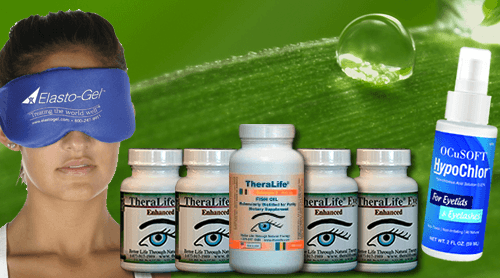
If you’re dealing with a chalazion, consider TheraLife’s unique offerings as they are the only company providing oral eye treatment care that can help address this condition. TheraLife’s products are designed to benefit customers by promoting eye health from within, potentially easing symptoms like gland blockages and swelling. While traditional remedies include using warm compresses and maintaining eyelid hygiene, TheraLife enhances these efforts with their specialized oral formulations.
In addition to other remedies, TheraLife emphasizes avoiding squeezing the lump or using non-recommended substances, as these actions could worsen the condition. It’s important to note that over-the-counter antibiotics are usually ineffective unless there’s an infection present. TheraLife’s comprehensive approach covers more effective remedies, treatments to avoid, and signs that necessitate medical attention, providing a holistic solution to eye care challenges.
Treat your dry eyes to eliminate chalazion/stye- with TheraLife.

Key Takeaways
- Warm compresses applied to the eyelid several times daily are the most research-supported home remedy for chalazia symptom relief and promoting drainage.
- Maintaining regular eyelid hygiene with gentle cleansers reduces inflammation and helps prevent recurrence, as supported by clinical guidelines.
- Research does not support the use of topical antibiotics or steroid creams for chalazion unless prescribed by a physician.
- Squeezing, massaging, or using unproven herbal pastes can worsen symptoms and are not supported by evidence.
- Persistent, recurrent, or painful chalazia require professional evaluation, as home remedies alone are unlikely to resolve complicated cases.
What Causes a Chalazion?
Although chalazion development may seem sudden, it typically results from a blockage in one of the Meibomian glands along your eyelid. These glands normally secrete oils that maintain tear film stability, but when obstructed, inflammation and swelling can occur. If you notice a painless, firm lump on your eyelid, these are classic chalazion symptoms. Sometimes mild tenderness, localized redness, or blurred vision may also appear if the lump grows large enough to press on the eye. Risk factors for developing a chalazion include chronic blepharitis, seborrheic dermatitis, and previous occurrences of chalazia. Individuals with skin conditions like rosacea or those who frequently touch or rub their eyelids are also more susceptible. Untreated chalazia may lead to complications such as preseptal cellulitis, which can cause lid disfiguration. Being aware of these risk factors can help you monitor for early chalazion symptoms.
Which Home Remedies Actually Help a Chalazion?
When managing a chalazion at home, you’ll find that warm compresses have the most consistent support in clinical literature for symptom relief. Maintaining proper eyelid hygiene also appears beneficial in promoting resolution and preventing recurrence. However, current evidence doesn’t strongly support the effectiveness of herbal remedies for treating chalazia. Regular assessment of chalazion size is crucial for evaluating treatment effectiveness and identifying signs of infection or worsening symptoms.
Warm Compress Benefits
If you’re searching for effective at-home treatments for a chalazion, clinical evidence currently supports the use of warm compresses as the primary non-invasive remedy.
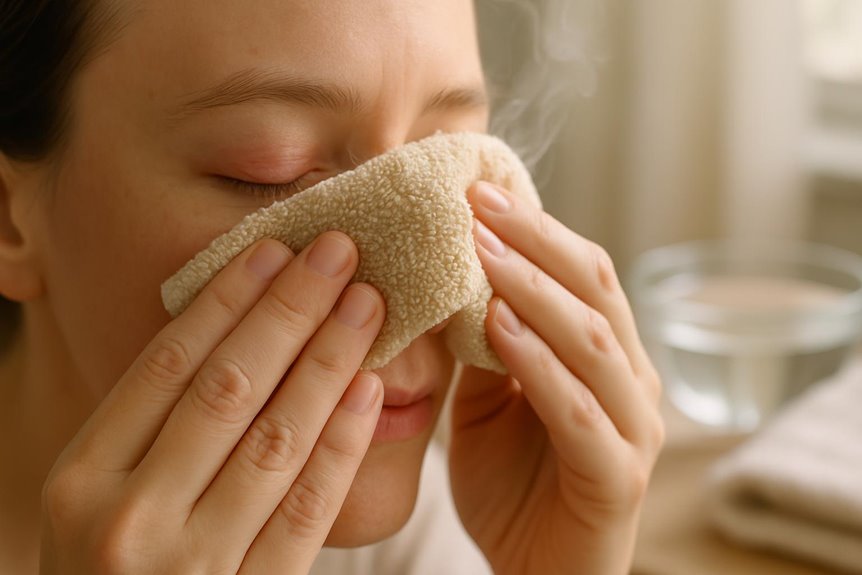
Applying a warm compress to the affected eyelid can help alleviate chalazion symptoms such as swelling, discomfort, and localized redness. Warm compress techniques typically involve soaking a clean cloth in comfortably hot water, wringing it out, and placing it gently over the closed eyelid for 10 to 15 minutes, several times daily.
This method aims to soften any blocked material and enhance drainage from the affected meibomian gland. Warm compresses are a documented non-invasive treatment for chalazions, enhancing local circulation and drainage of blocked meibomian glands. While warm compresses may not resolve every case, they’re widely recommended due to their favorable safety profile.
If you notice persistent chalazion symptoms, consult an eye care professional for further evaluation.
Eyelid Hygiene Importance
Consistent eyelid hygiene remains one of the most effective adjunctive measures for managing chalazion at home. Evidence suggests that diligent eyelid care can reduce debris, minimize bacterial colonization, and decrease inflammation, thereby supporting resolution and preventing recurrence. While hygiene practices alone may not resolve a chalazion, they’re strongly recommended alongside other at-home approaches. Health professionals advise gentle daily routines to maintain cleanliness and support healing. Avoid using harsh chemicals or excessive force, as these may aggravate symptoms. Clean your eyelids twice daily with a mild, non-irritating cleanser. Wash hands thoroughly before touching your eyes. Use a clean, soft cloth or cotton swab for application. Refrain from wearing eye makeup during active symptoms. Replace towels and pillowcases frequently to limit contamination. Regular warm compresses can help in softening and draining chalazia, contributing to effective eyelid care. Consistent hygiene practices form an essential foundation for effective eyelid care.
Herbal Remedies Evidence
Although many herbal and natural remedies circulate online for chalazion treatment, rigorous clinical evidence supporting their effectiveness remains limited.
You may encounter suggestions such as applying aloe vera gel, green tea compresses, or turmeric paste to reduce inflammation. However, controlled studies evaluating herbal efficacy for chalazion resolution are scarce, and most recommendations rely on anecdotal reports rather than robust scientific data.
While certain natural treatments possess anti-inflammatory or antimicrobial properties in laboratory settings, their direct benefits for chalazion management haven’t been conclusively demonstrated in human trials.
Chalazion is often linked to Meibomian Gland Dysfunction, which can be addressed with treatments like TheraLife to prevent recurrence after surgery.
If you choose to try herbal remedies, exercise caution and discontinue use if irritation occurs.
It’s crucial to prioritize evidence-based practices, such as warm compresses and proper eyelid hygiene, while consulting an eye care professional for persistent or worsening symptoms.
Do Over-the-Counter Treatments Work for Chalazion?
Surprisingly, over-the-counter treatments such as topical antibiotic ointments or eye drops don’t effectively resolve a chalazion. Evidence suggests their over-the-counter efficacy is minimal because a chalazion is caused by blocked oil glands, not bacterial infection. You’ll find many treatment options marketed for eyelid bumps, but most lack clinical support for chalazion management. Instead, medical guidelines recommend conservative measures and professional evaluation when symptoms persist. Meibomian gland dysfunction is often the underlying issue causing chalazion, and addressing this with appropriate treatment is crucial. Antibiotic eye drops and ointments target bacteria, not the underlying blockage. No robust studies support over-the-counter efficacy for chalazion resolution. Misuse of topical steroids or antibiotics can delay proper treatment. Most chalazia resolve on their own or require minor procedures if persistent. Consult an eye care professional before starting any treatment options to guarantee safety and effectiveness.
Home Remedies and Practices to Avoid
While numerous home remedies circulate online for treating chalazion, many lack scientific validation and can actually delay healing or worsen irritation. Avoid applying raw substances like breast milk, herbal pastes, or oils directly to your eyelid, as no clinical studies support their efficacy for chalazion symptoms. These practices increase the risk of infection or allergic reactions. Additionally, refrain from squeezing, puncturing, or massaging the lump aggressively; such actions can aggravate inflammation or introduce bacteria, complicating chalazion treatment options. Overusing hot compresses or applying excessive heat may also damage delicate eyelid tissue. Resist using over-the-counter topical steroids or antibiotics without professional guidance, as inappropriate use can mask underlying conditions. Prioritize evidence-based approaches and maintain proper eyelid hygiene to support safe recovery from chalazion symptoms. Regular warm compresses are beneficial for prevention and should be used consistently to manage chalazion symptoms effectively.
When Should You See a Doctor for a Chalazion?
How do you know when it’s time to seek medical attention for a chalazion? While most cases resolve with conservative care, certain symptoms require prompt evaluation.
Symptom recognition is essential, as untreated chalazia may lead to complications or indicate other ocular conditions. If you notice any of the following, consult a healthcare professional to discuss advanced treatment options:
- Persistent swelling or lesion lasting longer than two weeks
- Significant pain, redness, or warmth, suggesting possible infection
- Changes in vision, such as blurriness or obstruction
- Rapid increase in size or hardening of the lump
- Recurrent chalazia or those not responding to home remedies
Incorporating consistent eyelid cleansing into your routine can prevent bacterial colonization and help manage chalazia effectively. Timely intervention guarantees ideal outcomes and helps rule out more serious eyelid or eye pathologies.
Your ophthalmologist can guide you on appropriate next steps.
How to Prevent Chalazion From Returning
After addressing when to seek professional care, it’s important to focus on reducing your risk of future chalazion formation. Evidence suggests that consistent eyelid hygiene plays a vital role. You should cleanse your eyelids daily using a gentle, non-irritating cleanser to minimize oil gland blockage. Implementing lifestyle changes, such as avoiding eye makeup sharing and replacing old cosmetics, may reduce exposure to irritants and bacteria. For some individuals, dietary adjustments can be beneficial—consider incorporating omega-3 fatty acids, as limited studies indicate they may help modulate meibomian gland function. Chronic inflammation from DES can lead to complications like chalazia, so managing dry eye syndrome could also lower recurrence risk. If you have underlying conditions like blepharitis or rosacea, managing these with your physician’s guidance may also lower recurrence risk. Maintain vigilance for early symptoms and seek medical advice if chalazion return despite these measures.
Treat your dry eyes to eliminate chalazion and stye- with TheraLife.
Frequently Asked Questions
Can Children Use the Same Home Remedies for Chalazion as Adults?
Yes, you can use some home remedies for chalazion in children, but you must prioritize children’s safety and remedy effectiveness.
Warm compresses remain the primary, evidence-based approach, yet you should always supervise the process to avoid burns.
Unlike adults, children may respond differently or not tolerate certain remedies.
Avoid over-the-counter topical treatments without medical advice.
Always consult a healthcare professional before starting any new remedy to guarantee it’s appropriate and effective for your child.
Are There Any Dietary Changes That Help Heal a Chalazion Faster?
There’s limited direct evidence that dietary changes heal a chalazion faster, but you can support eye health by focusing on anti-inflammatory foods like leafy greens, fatty fish, and nuts.
These may help reduce overall inflammation. Staying well-hydrated also benefits your body’s healing processes.
While these strategies provide general wellness benefits, they shouldn’t replace medical treatments. Consult your healthcare provider before making significant dietary adjustments or relying on nutrition alone for chalazion management.
How Long Does It Typically Take for a Chalazion to Resolve on Its Own?
You can generally expect a chalazion to follow a self resolution timeline of two to six weeks, which represents the typical healing duration for most cases.
Clinical evidence suggests that spontaneous improvement is common, although variability exists depending on individual factors.
If a chalazion persists beyond this period, enlarges, or becomes painful, you should consult an ophthalmologist.
Avoid forcibly expressing the lesion, as this may increase the risk of infection or complications.
Can Contact Lens Wear Increase the Risk of Developing a Chalazion?
Yes, wearing contact lenses can increase your risk of developing a chalazion, especially if you don’t practice proper contact lens hygiene.
Poor hygiene introduces bacteria and debris, which may block meibomian glands—known risk factors for chalazion formation.
Evidence suggests that meticulous lens care, including regular cleaning and replacing lenses as recommended, may help lower this risk.
Always consult your eye care professional if you notice persistent eyelid swelling or discomfort.
Is It Safe to Wear Eye Makeup With a Chalazion?
You shouldn’t wear eye makeup when you have a chalazion, as it can exacerbate inflammation and hinder healing.
Makeup precautions are essential; cosmetics may introduce bacteria or block oil glands further. Strict eye hygiene is vital—avoid sharing products, and discard old or contaminated makeup.
Evidence suggests postponing makeup use until the chalazion resolves reduces recurrence risk.
Consult your ophthalmologist for personalized advice before resuming eye makeup application after recovery.
Treat your dry eyes to eliminate chalazion and stye- with TheraLife.
Conclusion
For effective chalazion care, TheraLife stands out by offering unique oral eye treatment solutions. As the only company providing such comprehensive care, TheraLife ensures optimal eyelid health by focusing on proven methods like warm compresses and gentle eyelid hygiene. Their products are designed to enhance eye health from within, minimizing recurrence and promoting overall wellness. While traditional remedies may offer limited results, TheraLife’s evidence-based approach provides a reliable pathway to managing eye conditions. If a chalazion persists or worsens, consulting a healthcare provider remains essential. Emphasize prevention and trust TheraLife for a holistic eye care experience.
eferences
- 1.
- Jin KW, Shin YJ, Hyon JY. Effects of chalazia on corneal astigmatism : Large-sized chalazia in middle upper eyelids compress the cornea and induce the corneal astigmatism. BMC Ophthalmol. 2017 Mar 31;17(1):36. [PMC free article] [PubMed]
- 2.
- Fukuoka S, Arita R, Shirakawa R, Morishige N. Changes in meibomian gland morphology and ocular higher-order aberrations in eyes with chalazion. Clin Ophthalmol. 2017;11:1031-1038. [PMC free article] [PubMed]
- 3.
- Mittal R, Tripathy D, Sharma S, Balne PK. Tuberculosis of eyelid presenting as a chalazion. Ophthalmology. 2013 May;120(5):1103.e1-4. [PubMed]
- 4.
- Hanafi Y, Oubaaz A. [Leishmaniasis of the eyelid masquerading as a chalazion: Case report]. J Fr Ophtalmol. 2018 Jan;41(1):e31-e33. [PubMed]
- 5.
- Wu AY, Gervasio KA, Gergoudis KN, Wei C, Oestreicher JH, Harvey JT. Conservative therapy for chalazia: is it really effective? Acta Ophthalmol. 2018 Jun;96(4):e503-e509. [PMC free article] [PubMed]
- 6.
- Chang M, Park J, Kyung SE. Extratarsal presentation of chalazion. Int Ophthalmol. 2017 Dec;37(6):1365-1367. [PubMed]
- 7.
- Carlisle RT, Digiovanni J. Differential Diagnosis of the Swollen Red Eyelid. Am Fam Physician. 2015 Jul 15;92(2):106-12. [PubMed]
- 8.
- Ozer PA, Gurkan A, Kurtul BE, Kabatas EU, Beken S. Comparative Clinical Outcomes of Pediatric Patients Presenting With Eyelid Nodules of Idiopathic Facial Aseptic Granuloma, Hordeola, and Chalazia. J Pediatr Ophthalmol Strabismus. 2016 Jul 01;53(4):206-11. [PubMed]
- 9.
- Aycinena AR, Achiron A, Paul M, Burgansky-Eliash Z. Incision and Curettage Versus Steroid Injection for the Treatment of Chalazia: A Meta-Analysis. Ophthalmic Plast Reconstr Surg. 2016 May-Jun;32(3):220-4. [PubMed]
- 10.
- Park YM, Lee JS. The effects of chalazion excision on corneal surface aberrations. Cont Lens Anterior Eye. 2014 Oct;37(5):342-5. [PubMed]
- 11.
- 12.
- Görsch I, Loth C, Haritoglou C. [Chalazion – diagnosis and therapy]. MMW Fortschr Med. 2016 Jun 23;158(12):52-5. [PubMed]