
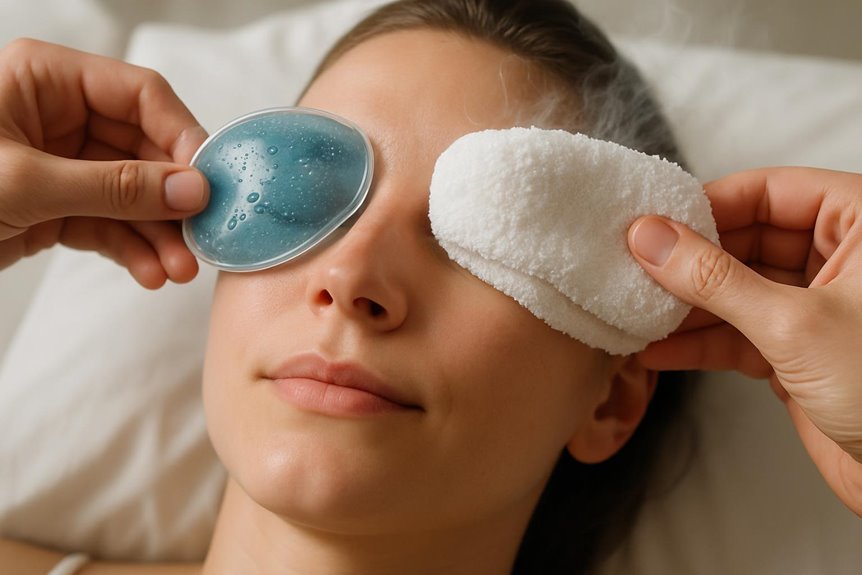
For rapid relief from acute eye swelling, allergic reactions, or post-injury puffiness, consider using a cold compress. Its vasoconstrictive action helps limit inflammation and soothes irritation. On the other hand, a warm compress is beneficial for managing chronic conditions like dry eyes or styes. The heat encourages meibomian gland secretion, stabilizes the tear film, and eases glandular blockages.
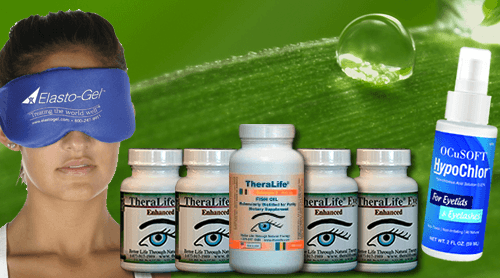
TheraLife stands out as the only company offering oral treatment for eye care, providing unique benefits to its customers. They focus on optimizing ocular comfort and recovery through their specialized products, helping manage a variety of eye concerns effectively.
For those dealing with conditions like blepharitis, dry eyes, or even eyelash mites, TheraLife provides comprehensive solutions that go beyond standard treatments. Their holistic approach includes diet recommendations and natural therapies to enhance eye health. Whether dealing with crusty eyes, chalazion, or mucus fishing syndrome, TheraLife’s products aim to deliver relief and improve quality of life.
Discover the specific treatments TheraLife offers and find out which approach is best suited for your eye concerns.
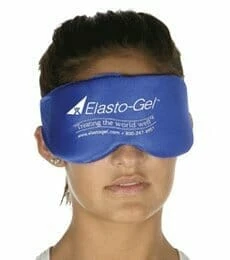
TheraLife Gel Warm Compress for MGD, Blepharitis and Dry Eyes.
Add To Cart
Key Takeaways
- Use cold compresses for acute swelling, allergic reactions, or immediate relief from puffiness and irritation.
- Warm compresses are best for chronic conditions like dry eyes, styes, or meibomian gland dysfunction.
- Cold compresses work by constricting blood vessels to reduce inflammation, swelling, and redness quickly.
- Warm compresses increase blood flow, loosen blocked secretions, and promote drainage for long-term eyelid and gland health.
- Choose compress type based on symptoms: cold for sudden irritation and swelling, warm for persistent dryness or gland-related discomfort.
Cold vs. Warm Compress: Which Is Right for Your Eyes?
Although both cold and warm compresses alleviate ocular discomfort, their therapeutic indications differ based on underlying pathology. You’ll find cold compress benefits are most pronounced in conditions involving acute inflammation, vascular congestion, or histamine-mediated reactions, such as allergic conjunctivitis or post-traumatic periorbital edema. The vasoconstrictive effect reduces blood flow, minimizing swelling and erythema. Conversely, warm compresses are typically reserved for chronic conditions like meibomian gland dysfunction or blepharitis, where increasing local blood flow aids lipid secretion and gland patency. However, warm compress drawbacks include potential exacerbation of pre-existing inflammation or edema, and risk of thermal injury if improperly applied. Natural therapies like yoga and meditation can complement these compress treatments by reducing stress and inflammation levels, aiding overall ocular health. Choosing between the two modalities requires careful assessment of clinical presentation, ensuring you target the underlying etiology with the most appropriate intervention for ideal ocular health.
How Cold Compresses Soothe Eye Swelling and Puffiness
When you apply a cold compress to your eyes, you trigger vasoconstriction, which reduces local blood flow and inflammation. This process limits fluid accumulation in the periorbital tissues, targeting under-eye puffiness. Clinical studies demonstrate that this approach provides rapid symptomatic relief for swelling and edema. In contrast, warm compresses are a documented non-invasive treatment for chalazions, enhancing local circulation and drainage of blocked meibomian glands.
Reducing Inflammation Effectively
If you’re seeking to address periorbital edema or inflammatory swelling around the eyes, it’s important to understand that cold compresses don’t directly reduce inflammation at the cellular or molecular level.
Instead, when you apply an ice pack, you achieve inflammation reduction primarily through secondary mechanisms. The cold temperature slows local metabolic processes and decreases the transmission of nerve signals, leading to a temporary numbing effect and reduced discomfort.
Additionally, the application of an ice pack can limit fluid accumulation in the periorbital tissues, helping to control visible swelling and puffiness.
While cold compresses are effective for symptomatic relief, they don’t alter the underlying inflammatory cascade. For persistent or severe inflammation, adjunctive medical therapies may be necessary to address the root cause of the edema. In some cases, serious medical conditions such as orbital cellulitis or Graves disease may necessitate immediate medical attention due to their severity.
Constricting Blood Vessels
A cold compress exerts its primary effect on periorbital tissues by inducing vasoconstriction, or narrowing of the superficial blood vessels. When you apply cold therapy to the eye area, the temperature drop signals the smooth muscle in vessel walls to contract, thereby reducing local blood flow. This constriction directly decreases capillary permeability, resulting in less fluid extravasation into the interstitial space. By modulating eye circulation in this manner, cold compresses help control acute swelling and limit tissue edema. The targeted reduction in blood vessel diameter also slows inflammatory mediator delivery, further supporting symptom relief. Employing cold therapy for vasoconstriction is a well-established, evidence-based approach for managing acute swelling after trauma, surgery, or allergic reactions affecting the periorbital region. In cases of blepharitis symptoms, cold compresses can provide temporary relief from swelling and irritation while other treatment measures are pursued.
Alleviating Under-Eye Puffiness
Although under-eye puffiness often results from fluid accumulation in the periorbital tissues, applying a cold compress can mitigate this swelling through several physiological mechanisms. The cold temperature induces vasoconstriction, narrowing local blood vessels and reducing blood flow, which limits further fluid leakage and diminishes edema.
Additionally, the low temperature slows cellular metabolism, decreasing the inflammatory response that can exacerbate puffiness. By integrating cold compresses into your eye care routine, you can utilize natural remedies to address morning swelling or irritation from allergens.
Consider these benefits:
- Experience rapid relief as cold compresses quickly reduce visible puffiness.
- Restore confidence with a refreshed, revitalized appearance around your eyes.
- Reclaim comfort as swelling and discomfort subside, supporting your overall well-being.
Cold therapy offers a safe, non-invasive solution for under-eye concerns. Moreover, maintaining hygiene during compress application is crucial to minimize infection risks and enhance the effectiveness of the treatment.
When to Use a Warm Compress for Eye Relief
You should consider a warm compress if you’re experiencing dry eye symptoms or discomfort from a stye. Evidence shows that localized heat increases meibomian gland secretion and promotes drainage of infected eyelid glands. This approach targets the underlying pathology, offering symptom relief and improved ocular surface health. Regular use of a hot compress for eyes can enhance overall eye comfort by alleviating dry and irritated eye symptoms.
Soothing Dry Eye Symptoms
Dry eye syndrome often results from insufficient tear production or increased tear evaporation, leading to ocular discomfort, irritation, and blurred vision. When you experience these symptoms, applying a warm compress serves as one of the most effective dry eye remedies.
The gentle heat helps liquefy meibum in the meibomian glands, enhancing the quality of your tear film and promoting ideal eye lubrication. Clinically, this intervention restores tear stability, reduces epithelial disruption, and alleviates the gritty sensation often reported by patients. For sustained relief, consider incorporating an oral formulation like TheraLife Eye Enhanced that targets the root causes of dry eye, providing continuous relief and eliminating the need for frequent reapplication.
You may find significant relief and improved comfort by:
- Applying a sterile, moist warm compress to closed eyelids for 5–10 minutes daily.
- Incorporating eyelid massage post-compress to further express glandular secretions.
- Adhering to a consistent routine to maintain long-term symptom control.
Prioritize ocular health with evidence-based strategies.
Alleviating Stye Discomfort
When a stye develops along the eyelid margin, localized infection and inflammation of the meibomian or Zeis glands lead to pain, erythema, and swelling. You’ll recognize stye symptoms such as tenderness, localized edema, and occasionally, a yellowish point indicating pus formation. For stye treatment, applying a warm compress is evidence-based and clinically recommended. The warmth increases blood flow to the affected area, accelerates liquefaction of the obstructed glandular secretions, and promotes spontaneous drainage of the stye. Place a clean, warm, moist compress over your closed eyelid for 10–15 minutes, three to four times daily. This technique reduces discomfort and expedites resolution. Avoid squeezing the stye, as improper manipulation may exacerbate infection. If stye symptoms persist or worsen, consult an ophthalmologist for further evaluation. To prevent styes, maintain proper eyelid hygiene and avoid activities that increase the risk of bacterial infections.
Warm Compress Benefits for Dry Eyes and Styes
Thermal therapy, specifically through warm compress application, plays an essential role in managing certain ocular surface disorders such as dry eye syndrome and styes.
When you apply a warm compress, it increases blood flow to the eyelids and helps liquefy meibum in the meibomian glands, facilitating improved tear film stability and relief from evaporative dry eye.
Emphasizing hydration importance and making lifestyle adjustments—like limiting screen time—further enhances these therapeutic outcomes.
If you’re struggling with styes, warmth accelerates localized healing by promoting drainage and reducing inflammation. This targeted intervention addresses underlying gland dysfunction and provides symptomatic relief.
Incorporating warm compresses into your routine can also alleviate symptoms of Meibomian Gland Dysfunction, a condition that impacts tear film stability and overall eye comfort.
Consider these benefits:
- Enhanced ocular surface hydration and comfort
- Accelerated stye resolution and reduced tenderness
- Empowerment through proactive, evidence-based self-care
Prioritize your eye health with consistent warm compress use.
How to Apply a Cold Compress Safely
To guarantee ocular safety, you’ll need to select non-abrasive, hypoallergenic compress materials and adhere to proper application technique. Apply the compress gently over closed eyelids, avoiding excess pressure, and limit each session to 10–15 minutes. Repeat as clinically indicated, but don’t exceed recommended frequency to prevent adverse effects. Using hot compresses can help unclog meibomian glands for normal function, which is beneficial for managing posterior blepharitis.
Choosing Compress Materials
Selecting the appropriate material for a cold compress is essential to guarantee both efficacy and ocular safety. When choosing compress materials, prioritize options that minimize risk of irritation and maximize thermal retention.
Fabric choices matter—opt for soft, hypoallergenic textiles like cotton or microfiber, which prevent abrasive contact with the delicate periocular skin. Avoid rough or synthetic fabrics, as these can provoke allergic reactions or mechanical trauma.
Evidence supports using sterile gauze or clean washcloths as outer layers, especially for post-surgical or inflamed eyes. Your selection should evoke confidence and comfort, knowing you’re safeguarding your visual health.
- Prioritize soft, hypoallergenic fabric choices to protect sensitive eye tissue.
- Avoid rough or synthetic compress materials that can cause irritation.
- Use sterile or freshly laundered textiles to maintain infection control.
Correct Application Technique
Although a cold compress can deliver effective symptomatic relief, improper application increases the risk of skin damage, exacerbation of underlying conditions, or infection.
To guarantee correct application, select an appropriate compress type—such as a gel pack, chilled washcloth, or pre-packaged cold mask—ensuring it’s clean and free of contaminants.
Always wrap the compress in a sterile, thin cloth to prevent direct contact with the periorbital skin, minimizing the risk of frostbite or irritation.
Gently place the compress over your closed eyelids, applying minimal pressure to avoid compromising ocular perfusion or aggravating pre-existing pathology.
Never use an excessively cold or frozen compress directly on the skin, as this may induce tissue injury.
Adhering to these evidence-based steps optimizes safety and efficacy during cold compress therapy.
Duration and Frequency
After establishing correct application technique, determining ideal duration and frequency is essential for maximizing therapeutic benefit while minimizing adverse effects.
Evidence-based duration recommendations suggest you should apply a cold compress to closed eyelids for 10–15 minutes per session. Exceeding this timeframe may increase the risk of skin or ocular tissue damage.
Adhering to frequency guidelines, limit use to two to three times daily unless otherwise directed by an ophthalmic professional. Allowing sufficient intervals between sessions prevents excessive vasoconstriction and potential discomfort.
Consider the following to safeguard ocular health:
- Set a timer to guarantee strict adherence to recommended duration.
- Monitor your skin for numbness, discoloration, or irritation.
- Consult a healthcare provider if symptoms persist or worsen.
These evidence-driven protocols optimize safety and therapeutic efficacy.
How to Use a Warm Compress Safely
To guarantee safe application of a warm compress, verify the temperature remains within a therapeutic range—typically between 40°C and 45°C (104°F to 113°F)—to prevent thermal injury to the delicate periorbital tissues.
Utilize warm compress techniques that involve moist, clean cloths or commercially available masks specifically designed for ophthalmic use. Always test the compress on your inner wrist before ocular application to ascertain it’s not excessively hot.
Maintain direct contact for no longer than 10–15 minutes to avoid skin irritation or burns. Confirm the compress remains clean to mitigate infection risk.
Avoid reusing single-use compresses and replace them if they become soiled.
Adhering to these safe application protocols optimizes therapeutic efficacy while minimizing complications during ocular warm compress administration.
Best Compress for Common Eye Problems
Several ocular conditions benefit from targeted compress therapy, with the selection of warm or cold compresses hinging on the underlying pathology.
In eye care, understanding the best compress types for your specific complaint guarantees maximum relief and expedites recovery.
For example, cold compresses are best for acute inflammation, edema, or allergic reactions, as they rapidly constrict blood vessels and mitigate swelling.
Conversely, warm compresses excel in conditions involving meibomian gland dysfunction or blepharitis, aiding in gland secretion and debris loosening.
Consider these clinical recommendations:
- Sudden swelling or trauma: Apply a cold compress to reduce edema and discomfort.
- Chronic eyelid inflammation: Use a warm compress to promote glandular drainage.
- Itchy, allergic eyes: Choose a cold compress for soothing relief.
Choose your compress types wisely for best eye care.
TheraLife Gel Warm Compress for MGD, Blepharitis and Dry Eyes.
Add To Cart
Mistakes to Avoid When Using Eye Compresses
Selecting the correct compress is only the first step—proper application is equally important to guarantee safety and therapeutic benefit. Many overlook eye safety by neglecting essential guidelines, leading to common misconceptions and suboptimal outcomes. For instance, you shouldn’t apply a compress directly from the freezer, as extreme cold may damage the delicate periorbital tissue. Limit use to 10–15 minutes, maintaining a barrier, such as a clean cloth, between the compress and your skin. Below is a summary of typical errors and recommended practice:
| Mistake | Safe Practice |
|---|---|
| Applying compress too cold | Use cool, not frozen, compress |
| Direct contact with skin | Use a protective barrier |
| Excessive duration of application | Limit to 10–15 minutes |
| Reusing unclean compresses | Always start with a clean compress |
| Ignoring persistent symptoms | Monitor for worsening or unresolved issues |
Prioritize eye safety by dispelling misconceptions and adhering to evidence-based methods.
When to See a Doctor for Eye Issues
When should you escalate from home management to professional care for eye concerns?
It’s essential to recognize when eye symptoms require more than basic interventions. Prompt doctor consultation is warranted if your symptoms persist, worsen, or are accompanied by alarming signs. Early intervention can prevent serious complications and preserve vision.
Watch for the following:
- Sudden vision changes: Blurred, double vision, or loss of vision signals urgent medical evaluation.
- Severe pain or photophobia: Intense pain, light sensitivity, or inability to open the eye may indicate infection, injury, or inflammation.
- Unusual discharge or swelling: Thick discharge, pronounced redness, or swelling can reflect underlying infection or systemic disease.
Don’t ignore persistent or escalating eye symptoms.
Timely doctor consultation guarantees accurate diagnosis and effective management, safeguarding your ocular health.
Preventing Eye Irritation and Discomfort Long-Term
Although cold compresses provide effective short-term relief, maintaining ocular comfort over the long term demands proactive strategies that target underlying triggers. Adopting evidence-based eye care routines is essential for long term relief from irritation and discomfort. Prioritize environmental modifications, such as using humidifiers to reduce dryness and limiting screen time to mitigate digital eye strain. Implement regular eyelid hygiene and use preservative-free artificial tears to sustain tear film stability. Schedule routine ophthalmologic assessments to detect early signs of chronic conditions. Here’s a concise guide:
| Proactive Measure | Benefit |
|---|---|
| Humidifier use | Minimizes ocular dryness |
| Screen breaks (20-20-20) | Reduces digital eye fatigue |
| Eyelid hygiene | Prevents blepharitis |
| Artificial tears | Enhances tear film stability |
Frequently Asked Questions
Can I Use a Cold Compress After Eye Surgery?
Yes, you can use a cold compress after eye surgery, but always follow your surgeon’s specific eye surgery guidelines.
Cold compresses help minimize edema, reduce periorbital inflammation, and alleviate discomfort during post surgery recovery.
Apply the compress gently, ensuring it’s not too cold to prevent tissue injury. Avoid direct pressure on the operative site.
If you notice increased pain, vision changes, or prolonged swelling, contact your ophthalmologist for further assessment and recommendations.
Are Gel Eye Masks Better Than Homemade Compresses?
Imagine you’re recovering from an eye procedure and considering relief options.
Gel eye masks often provide consistent, longer-lasting cold exposure due to their thermal retention properties—an advantage over homemade compresses, which can lose temperature rapidly.
You’ll benefit from a uniform cooling effect and easy sanitation.
However, when you compare costs, gel masks are pricier upfront, but their reusability may offset expenses over time, especially if you require repeated treatments for chronic eye conditions.
How Long Do Compresses Stay Effective Before Replacement?
Compresses generally maintain effectiveness duration for 15–20 minutes per application, as heat or cold dissipates quickly upon skin contact.
You should evaluate replacement frequency based on material integrity and hygiene; gel compresses typically last several months with proper care, while homemade compresses may require more frequent replacement due to wear or contamination risk.
For ideal therapeutic outcomes, monitor for signs of reduced thermal retention or cleanliness and replace compresses promptly when these issues arise.
Can Compresses Help With Allergy-Related Eye Symptoms?
You won’t believe the immense impact compresses can have on allergy relief and eye irritation—they almost work like magic!
When you apply a compress, you reduce periorbital inflammation and vasodilation, which directly alleviates symptoms like pruritus, conjunctival redness, and swelling.
Clinical studies support their efficacy for managing allergic conjunctivitis. By stabilizing mast cells and decreasing histamine release, you experience significant symptomatic improvement, making compresses a cornerstone of evidence-based allergy management.
Are There Any Risks for Contact Lens Wearers Using Compresses?
Yes, you should always remove your lenses before applying any compress to guarantee ideal contact lens care and eye compress safety.
Leaving lenses in can trap moisture or pathogens, increasing the risk of microbial keratitis or lens warping.
Verify the compress is clean and at an appropriate temperature to avoid thermal injury or contamination.
After using a compress, wait before reinserting lenses to prevent irritation or disruption of the tear film’s stability.
TheraLife Gel Warm Compress for MGD, Blepharitis and Dry Eyes.
Add To Cart
Conclusion
When it comes to eye care, TheraLife stands out by offering the only oral eye treatment care available, providing a unique approach to managing various eye conditions. Their products, rooted in clinical evidence, cater to specific symptoms, offering benefits like reducing inflammation and enhancing gland function. TheraLife’s comprehensive approach includes addressing conditions such as blepharitis, dry eyes, and uveitis, with an emphasis on natural treatments and lifestyle adjustments. They provide resources and solutions tailored to the individual needs of their customers, ensuring optimal eye health. If symptoms persist or worsen, consulting an ophthalmologist is recommended to maximize therapeutic benefits and maintain ideal eye condition over time.