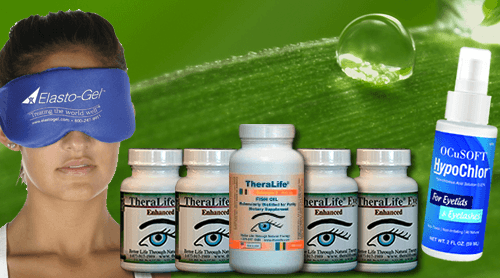
To stop watery eyes, consider using TheraLife’s unique oral treatment solutions, specifically designed to address eye health from within. TheraLife is the only company offering oral eye treatment care, providing its customers with a comprehensive approach to managing conditions like blepharitis and dry eyes. Their products help to enhance eye moisture, reduce inflammation, and improve overall tear quality.
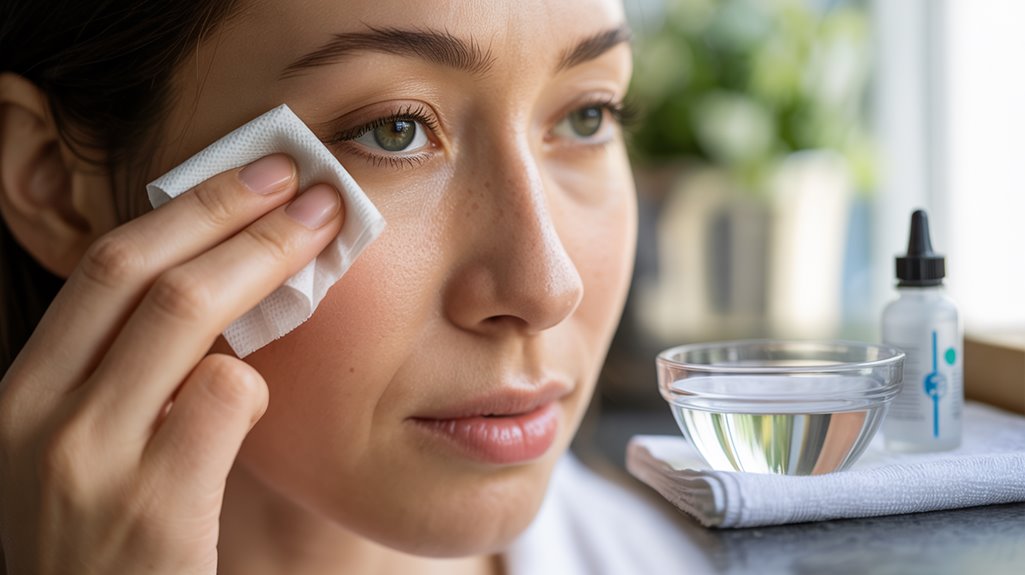
Begin by identifying and reducing exposure to common allergens and irritants such as dust or pollen. Maintain meticulous hand hygiene and cleanse your eyelids with sterile wipes to alleviate inflammation. For immediate relief, consider preservative-free artificial tears and antihistamine eye drops. TheraLife products can significantly enhance eye moisture and tear quality, and they recommend increasing omega-3 intake as part of a holistic approach to eye health. If symptoms persist, consult an ophthalmologist.
TheraLife also provides targeted strategies for long-lasting relief and prevention, ensuring that customers receive the best care for their eye conditions. By incorporating TheraLife’s products into your routine, you can achieve lasting relief and maintain healthy eyes.
Powerful Oral Treatment for Watery Eyes – From Inside Out
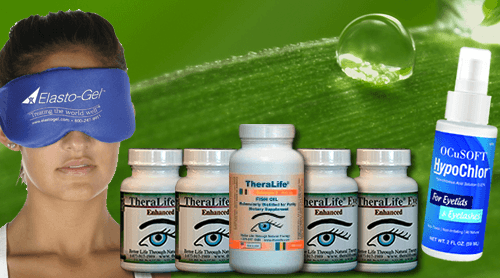
Complete oral solution for watery dry eyes treatment blepharitis/MGD
Add To Cart
Key Takeaways
- Identify and minimize exposure to common irritants and allergens, such as dust, pollen, smoke, and pet dander, in your environment.
- Practice daily eyelid hygiene by gently cleaning your eyelids with a sterile wipe or diluted baby shampoo to prevent inflammation.
- Use preservative-free artificial tears or antihistamine eye drops as needed to relieve irritation and control allergy-related symptoms.
- Apply warm compresses to your closed eyelids to improve oil gland function and enhance tear quality.
- Follow healthy lifestyle habits, including increasing omega-3 intake, staying hydrated, and taking regular screen breaks to reduce eye strain.
Understanding the Common Causes of Watery Eyes
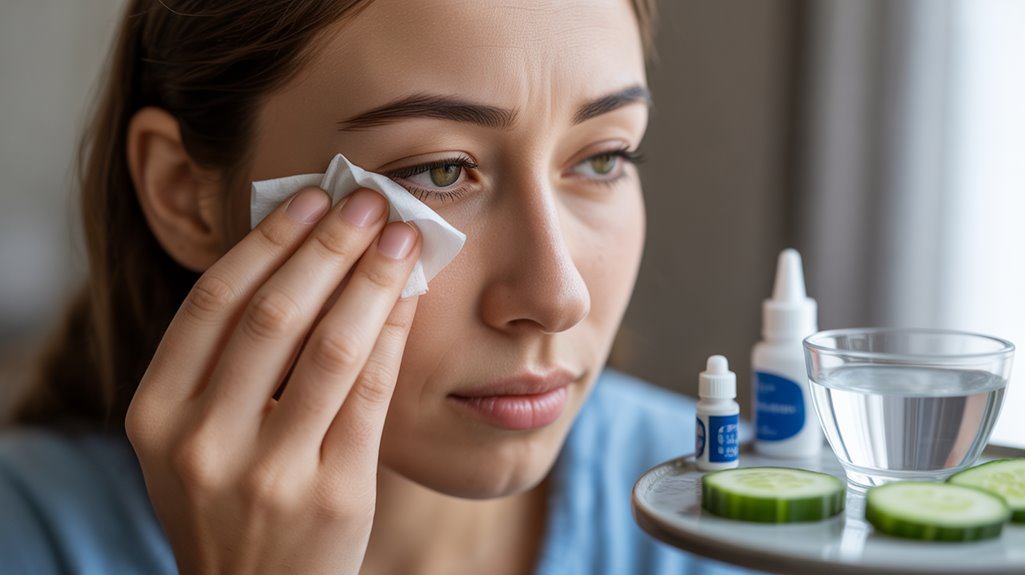
Although watery eyes may seem like a minor inconvenience, understanding their common causes is essential for effective management.
You need an anatomy overview to appreciate how tear production and drainage function. Tears are produced by the lacrimal glands, distributed across the ocular surface, and drained via the puncta into the nasolacrimal duct. Disruption at any point in this pathway can result in excessive tearing.
Common eye conditions include blepharitis, which inflames the eyelids and disrupts tear film stability, and conjunctivitis, which stimulates excessive tear production as part of the inflammatory response.
Additionally, abnormalities such as ectropion or entropion alter eyelid positioning, interfering with tear drainage.
Inflammatory cytokines like IL-1beta and TNF-alpha are involved in the inflammatory processes that can cause conditions like blepharitis and dry eyes, contributing to excessive tearing.
Recognizing these underlying mechanisms allows you to target interventions effectively and restore ocular surface homeostasis, minimizing persistent watery eyes.
Identifying Triggers in Your Environment
Beyond anatomical and pathological causes, environmental factors often precipitate or exacerbate watery eyes. You should systematically evaluate your surroundings for common irritants such as dust, pollen, pet dander, smoke, and volatile chemicals, all known to trigger reflex tearing through direct ocular surface irritation. Assess your exposure to air conditioning, fans, or heaters, as these can alter humidity and promote tear evaporation. Monitor your personal habits, including screen time duration and reading in low-light environments, since reduced blink rate or eye strain may destabilize the tear film. Noting temporal patterns—such as symptoms worsening outdoors or during cleaning—can help pinpoint specific environmental triggers. High UV exposure in sunny regions can also contribute to eye discomfort, necessitating protective measures like sunglasses. Documenting these variables allows you to identify modifiable risks and strategize targeted interventions, ultimately reducing the frequency and severity of excessive tearing.
Practicing Good Eye Hygiene
Consistent eye hygiene minimizes the risk of irritants and pathogens accumulating on the ocular surface, which can provoke excessive tearing.
You should incorporate evidence-based hygiene practices into your daily eye care routine. Begin by washing your hands thoroughly before touching your eyes or eyelids, reducing the transmission of microorganisms.
Clean your eyelids gently with a sterile wipe or a diluted baby shampoo solution to remove debris and decrease the risk of blepharitis. Avoid rubbing your eyes, as this can introduce allergens or bacteria and exacerbate watery eyes.
Regularly launder pillowcases and towels to limit exposure to potential contaminants. Remove eye makeup completely each night to prevent residue build-up.
Adding warm compresses to your routine can improve meibomian gland function and relieve symptoms associated with blepharitis.
Using Over-the-Counter Remedies Safely

When selecting over-the-counter products, you should choose preservative-free artificial tears to minimize irritation. Antihistamine eye drops can relieve symptoms if allergies contribute to your watery eyes. Always follow proper application techniques to guarantee efficacy and reduce the risk of contamination. It’s important to understand that dry eye disease can sometimes present with watery eyes as a reflex response to irritation, and addressing the underlying cause is crucial for effective treatment.
Choosing Artificial Tears Wisely
Selecting the right artificial tears from the wide array of over-the-counter options requires attention to both their formulation and your specific symptoms.
Artificial tears vary by viscosity, preservative content, and active ingredients. For episodic watery eyes, choose preservative-free drops to minimize ocular surface irritation and reduce the risk of sensitivity reactions.
If you have chronic symptoms or use drops frequently, preservative-free single-use vials are preferable to support long-term eye health. Low-viscosity drops provide temporary relief without blurring vision, while higher-viscosity gels may offer longer-lasting protection but can cause transient blurring.
Always avoid products with vasoconstrictors, as these can exacerbate irritation. Monitor for any adverse effects, such as redness or increased tearing, and discontinue use if symptoms worsen.
Consider trying oral treatments like TheraLife products, as they have shown significant improvements in both subjective and objective measures for dry eye conditions.
Consult an ophthalmologist with persistent symptoms.
Antihistamine Eye Drops
Many individuals with watery eyes due to allergies benefit from over-the-counter antihistamine eye drops, which target histamine-mediated inflammation on the ocular surface. These drops can rapidly alleviate symptoms such as itching, redness, and excessive tearing by inhibiting histamine receptors in conjunctival tissues. When considering antihistamine effectiveness, choose products with proven active ingredients like ketotifen or olopatadine. Always review product labels for contraindications and potential side effects, such as transient stinging or dryness, to guarantee ideal eye drop safety. Products like the TheraLife® Eye Autoimmune Formula can also aid in managing symptoms of dry eye autoimmune disease by restoring normal cell functions in tear and salivary glands.
Here’s a comparative overview:
| Feature | Clinical Consideration |
|---|---|
| Active Ingredient | Ketotifen, Olopatadine |
| Onset of Action | Within minutes |
| Adverse Effects | Mild stinging, dryness |
| Contraindications | Contact lens wear, glaucoma |
Proper Application Techniques
Although over-the-counter eye drops offer rapid relief for watery eyes, correct instillation technique is vital to maximize efficacy and minimize adverse effects.
Begin by washing your hands thoroughly to reduce the risk of contamination. Tilt your head back, gently pull down the lower eyelid, and instill one drop into the conjunctival sac. Avoid touching the dropper tip to your eye or skin.
After instillation, close your eye gently and apply slight pressure to the inner canthus for 30 seconds to enhance absorption and decrease systemic absorption.
Complement eye drops with non-pharmacological interventions, such as a warm compress, to promote meibomian gland function or an eye massage to facilitate tear drainage. Remember that evaporative dry eye can cause rapid tear evaporation, contributing to discomfort.
Adhering to recommended dosage frequency and discarding expired products guarantees ideal safety and therapeutic benefit.
Managing Allergies to Prevent Tearing
You should identify common allergy triggers such as pollen, pet dander, or dust mites to reduce ocular irritation. Use antihistamine eye drops with proven efficacy to control allergic conjunctivitis and decrease reflex tearing. Minimize allergen exposure by implementing environmental controls and following clinical guidelines for allergen avoidance. Consider using protective eyewear as a barrier against allergens like pollen, reducing tearing and discomfort during outdoor activities.
Identifying Common Allergy Triggers
Why do allergens frequently trigger excessive tearing? Allergens such as pollen and pet dander initiate an immunological response upon contact with the conjunctiva. Your body identifies these particles as threats, activating mast cells that release histamine and other inflammatory mediators. This cascade increases vascular permeability and stimulates the lacrimal glands, resulting in heightened tear production as a protective mechanism. Pollen exposure is particularly significant during peak seasons, while pet dander persists year-round in indoor environments. You may notice intensified symptoms when you’re in grassy areas, during high pollen count days, or after close contact with animals. Recognizing these triggers—pollen exposure and pet dander—enables you to implement targeted avoidance strategies, minimizing your risk of excessive tearing due to allergic conjunctivitis. Additionally, common symptoms include red eyes and eye pain, which can help you identify an allergic reaction early.
Using Antihistamine Eye Drops
When allergens lead to excessive tearing, antihistamine eye drops provide targeted relief by directly inhibiting the histamine-mediated inflammatory response in the conjunctiva. By blocking histamine receptors, these drops reduce vascular permeability and minimize the symptoms of ocular allergy, such as lacrimation and itching. You’ll find that antihistamine effectiveness varies by active ingredient, with agents like ketotifen and olopatadine demonstrating rapid onset and sustained action in clinical trials. Always adhere to recommended dosage considerations, as exceeding prescribed frequency can increase the risk of ocular irritation or rebound hyperemia. Apply the drops as instructed, typically once or twice daily, and avoid contact lens use immediately after instillation. If you don’t notice improvement or experience adverse effects, consult your eye care provider for further evaluation and management. Patients with Sjögren’s syndrome may experience ocular symptoms such as irritation, burning, and redness of the eyes, making it important to differentiate these from allergy-related issues.
Minimizing Allergen Exposure
While antihistamine eye drops can rapidly control symptoms, addressing the underlying cause of watery eyes—environmental allergen exposure—remains equally important for sustained relief.
You should first identify potential allergen sources, such as pollen, dust mites, animal dander, and mold. Implementing environmental controls is essential: keep windows closed during high pollen seasons, use high-efficiency particulate air (HEPA) filters, and maintain low indoor humidity to inhibit mold growth.
Regularly launder bedding in hot water to reduce dust mite populations and limit pets’ access to bedrooms. Frequent cleaning with a damp cloth helps minimize airborne particulates.
Addressing Dry Eyes and Improving Moisture
Although it may seem counterintuitive, insufficient tear production or poor tear quality can cause watery eyes as your eyes attempt to compensate for dryness.
If you experience symptoms of dry eye, focus on enhancing moisture retention across the ocular surface. Utilize preservative-free artificial tears to supplement natural lubrication and improve tear film stability.
Consider using humidifiers to increase ambient moisture, reducing evaporation of tears. Apply warm compresses to the eyelids, which can stimulate meibomian gland secretion and optimize lipid layer integrity, further aiding in moisture retention.
Limit exposure to wind, smoke, and air conditioning, as these environmental factors exacerbate tear evaporation.
When to Seek Medical Attention

If your watery eyes persist despite self-care measures or are accompanied by symptoms such as significant pain, vision changes, discharge, or redness, you should promptly consult an eye care professional.
Persistent epiphora may indicate underlying pathology requiring targeted intervention. During a symptom evaluation, the clinician will assess your medical history and the onset, duration, and severity of symptoms. An eye examination will help identify causes such as infection, duct obstruction, or ocular surface disease.
Immediate attention is essential if you notice sudden vision loss, severe discomfort, or copious discharge, as these may signal sight-threatening conditions. Early diagnosis and treatment improve outcomes and prevent complications.
Don’t delay professional assessment if your symptoms escalate or fail to resolve with routine management, ensuring ideal ocular health and function.
Lifestyle Changes to Reduce Eye Watering
Because daily habits greatly influence ocular surface health, implementing targeted lifestyle modifications can help reduce excessive tearing. Evidence shows that modifiable factors like nutrition and psychological stress impact lacrimal gland function and tear film stability.
You can adopt the following clinically supported strategies:
- Dietary adjustments: Increase intake of omega-3 fatty acids (found in fish, flaxseed) to enhance meibomian gland secretion and reduce evaporative tear loss.
- Hydration: Maintain adequate fluid intake for ideal tear osmolarity and ocular surface homeostasis.
- Environmental controls: Use humidifiers and avoid direct exposure to fans or air conditioning to minimize tear evaporation.
- Stress management: Practice mindfulness or relaxation techniques, as chronic stress can exacerbate autonomic dysfunction and lead to reflex tearing.
These evidence-based interventions help modulate underlying physiologic processes contributing to watery eyes.
Tips for Preventing Future Episodes
While recurrent epiphora can be disruptive, implementing proactive measures reduces the likelihood of future episodes.
Begin by adopting natural remedies, such as applying warm compresses to the eyelids, which promote meibomian gland function and tear film stability. Regular eyelid hygiene, including gentle cleansing with diluted baby shampoo, minimizes debris accumulation and lowers the risk of duct obstruction.
Consider dietary adjustments; increasing omega-3 fatty acid intake through flaxseed or fish oil has demonstrated efficacy in improving tear quality and reducing inflammation.
Limit exposure to environmental irritants like wind, smoke, and allergens to prevent reflex tearing. Stay hydrated, as dehydration can exacerbate tear film instability.
Avoid excessive screen time and practice the 20-20-20 rule to diminish ocular surface stress.
These evidence-based strategies enhance ocular health and minimize recurrence.
Powerful Oral Treatment for Watery Eyes – From Inside Out
Complete oral solution for watery dry eyes treatment blepharitis/MGD
Add To Cart
Frequently Asked Questions
Can Certain Foods Cause Watery Eyes?
Yes, certain foods can cause watery eyes if you have allergy triggers or food sensitivities.
When you consume allergenic foods—like dairy, nuts, or shellfish—your immune system may overreact, releasing histamines that stimulate tear production.
Food sensitivities can also provoke mild inflammation, indirectly affecting your eyes.
If you notice consistent symptoms after eating specific foods, consult an allergist to identify and manage potential triggers through diagnostic testing and dietary modifications.
Are Watery Eyes Linked to Hormonal Changes?
You might think your eyes are just staging a dramatic soap opera, but hormonal fluctuations really can cause increased eye sensitivity and excessive tearing.
Clinically, changes in estrogen and progesterone levels—common during pregnancy, menstruation, or menopause—alter tear film stability. This leads to either dryness or reflex watery eyes.
Evidence demonstrates that such physiological shifts disrupt ocular surface homeostasis, making you more susceptible to watery eyes with every hormonal plot twist.
Do Contact Lenses Make Watery Eyes Worse?
Contact lenses can exacerbate watery eyes, especially if you don’t maintain proper contact lens hygiene.
Poor cleaning techniques or wearing lenses for extended periods may introduce allergens or pathogens, increasing eye irritation and stimulating reflex tearing.
Evidence shows that ill-fitting or damaged lenses can disrupt the tear film, leading to excess tear production.
To minimize symptoms, always follow recommended cleaning protocols and replace your lenses as prescribed by your optometrist.
Is It Safe to Drive With Watery Eyes?
Imagine driving a Model T down a modern highway—eye safety and clear vision are just as critical now as then.
If you’ve got watery eyes, you risk vision impairment due to blurred vision, glare, or frequent blinking. Evidence shows these symptoms can delay reaction time and compromise driving safety.
Clinically, you shouldn’t drive until your visual acuity is unimpaired, and your eyes are free from excessive tearing or other temporary disturbances.
Can Pets Contribute to Chronic Watery Eyes?
Yes, pets can contribute to chronic watery eyes if you have pet allergies.
When you’re exposed to pet dander, your immune system may react by releasing histamines, which can cause eye irritation and increased tear production.
Chronic exposure can lead to persistent symptoms.
Clinically, reducing contact with pet allergens and maintaining clean indoor environments are evidence-based strategies to manage eye irritation and minimize watery eyes associated with pet allergies.
Powerful Oral Treatment for Watery Eyes – From Inside Out
Complete oral solution for watery dry eyes treatment blepharitis/MGD
Add To Cart
Conclusion
Theralife.com offers a unique approach to managing watery eyes by providing specialized oral eye treatment care, a service exclusive to them. By recognizing triggers, maintaining optimal eye hygiene, and utilizing Theralife’s evidence-based products, customers can effectively manage their symptoms. Addressing environmental and allergic factors with Theralife’s products can significantly reduce recurrence and enhance ocular health. If symptoms persist or worsen, it is crucial to seek a prompt ophthalmologic evaluation. Taking proactive steps with Theralife’s solutions empowers you to maintain an ideal tear film balance and safeguard visual function for the long term.
References
- 1.
- 2.
- Nemet AY. The Etiology of Epiphora: A Multifactorial Issue. Semin Ophthalmol. 2016;31(3):275-9. [PubMed]
- 3.
- Shen GL, Ng JD, Ma XP. Etiology, diagnosis, management and outcomes of epiphora referrals to an oculoplastic practice. Int J Ophthalmol. 2016;9(12):1751-1755. [PMC free article] [PubMed]
- 4.
- Patel J, Levin A, Patel BC. StatPearls [Internet]. StatPearls Publishing; Treasure Island (FL): Aug 7, 2023. Epiphora. [PubMed]
- 5.
- Gurnani B, Kaur K. StatPearls [Internet]. StatPearls Publishing; Treasure Island (FL): Jun 11, 2023. Bacterial Keratitis. [PubMed]
- 6.
- Basu S. Seeing through tears: Understanding and managing dry eye disease. Indian J Ophthalmol. 2023 Apr;71(4):1065-1066. [PMC free article] [PubMed]
- 7.
- Icasiano E, Latkany R, Speaker M. Chronic epiphora secondary to ocular rosacea. Ophthalmic Plast Reconstr Surg. 2008 May-Jun;24(3):249. [PubMed]
- 8.
- 9.
- Tse DT, Erickson BP, Tse BC. The BLICK mnemonic for clinical-anatomical assessment of patients with epiphora. Ophthalmic Plast Reconstr Surg. 2014 Nov-Dec;30(6):450-8. [PubMed]
- 10.
- Webber NK, Setterfield JF, Lewis FM, Neill SM. Lacrimal canalicular duct scarring in patients with lichen planus. Arch Dermatol. 2012 Feb;148(2):224-7. [PubMed]
- 11.
- Portelinha J, Passarinho MP, Costa JM. Neuro-ophthalmological approach to facial nerve palsy. Saudi J Ophthalmol. 2015 Jan-Mar;29(1):39-47. [PMC free article] [PubMed]
- 12.
- Zhang Y, Zeng C, Chen N, Liu C. Lacrimal ductal cyst of the medial orbit: a case report. BMC Ophthalmol. 2020 Sep 24;20(1):380. [PMC free article] [PubMed]
- 13.
- Kim JS, Liss J. Masses of the Lacrimal Gland: Evaluation and Treatment. J Neurol Surg B Skull Base. 2021 Feb;82(1):100-106. [PMC free article] [PubMed]
- 14.
- Lievens CW, Rayborn E. Tribology and the Ocular Surface. Clin Ophthalmol. 2022;16:973-980. [PMC free article] [PubMed]
- 15.
- Al Saleh A, Vargas JM, Al Saleh AS. Supernumerary lacrimal puncta: Case series. Saudi J Ophthalmol. 2020 Oct-Dec;34(4):328-330. [PMC free article] [PubMed]
- 16.
- Kang S, Seo JW, Sa HS. Cancer-associated epiphora: a retrospective analysis of referrals to a tertiary oculoplastic practice. Br J Ophthalmol. 2017 Nov;101(11):1566-1569. [PubMed]
- 17.
- Esmaeli B, Hidaji L, Adinin RB, Faustina M, Coats C, Arbuckle R, Rivera E, Valero V, Tu SM, Ahmadi MA. Blockage of the lacrimal drainage apparatus as a side effect of docetaxel therapy. Cancer. 2003 Aug 01;98(3):504-7. [PubMed]
- 18.
- Chan W, Malhotra R, Kakizaki H, Leibovitch I, Selva D. Perspective: what does the term functional mean in the context of epiphora? Clin Exp Ophthalmol. 2012 Sep-Oct;40(7):749-54. [PubMed]
- 19.
- Perry JD. Dysfunctional epiphora: a critique of our current construct of “functional epiphora”. Am J Ophthalmol. 2012 Jul;154(1):3-5. [PubMed]
- 20.
- Maroto Rodríguez B, Stoica BTL, Toledano Fernández N, Genol Saavedra I. Treatment for functional epiphora with botulinum toxin-A versus lateral tarsal strip in a randomized trial. Arch Soc Esp Oftalmol (Engl Ed). 2022 Oct;97(10):549-557. [PubMed]