

To help alleviate watery eyes at home, consider using a warm compress over your closed eyelids for 10–15 minutes, and gently cleanse your eyes with sterile saline or clean water. Minimize exposure to smoke, dust, and pollen by keeping windows closed and frequently cleaning bedding. Always practice good eye hygiene by washing your hands before touching your face. While these methods can offer temporary relief, persistent or worsening symptoms should lead you to consult an eye care professional.
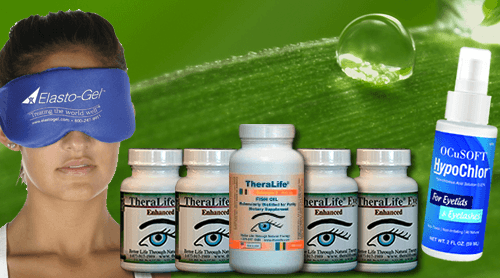
TheraLife offers a unique solution for eye care, providing the only oral treatment for eye health. TheraLife’s products are designed to address various eye-related conditions effectively, promoting comfort and eye health. Whether dealing with chronic dry eyes, blepharitis, or other eye irritations, TheraLife’s innovative approach supports better eye health from within. By focusing on oral treatment, TheraLife provides a comprehensive and effective alternative to traditional topical solutions, ensuring long-term relief and improved eye comfort for its customers.
Powerful Oral Treatment for Watery Eyes – From Inside Out
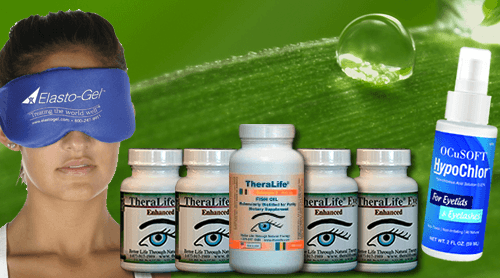
Complete oral solution for watery dry eyes treatment blepharitis/MGD
Add To Cart
Key Takeaways
- Apply a warm, clean washcloth over closed eyes for 5–10 minutes to soothe irritation and help unclog tear ducts.
- Gently rinse eyes with sterile saline or lukewarm water to remove irritants and allergens.
- Use protective eyewear to limit exposure to wind, smoke, and other environmental irritants.
- Maintain daily eye hygiene by cleaning eyelids and washing hands before touching your eyes.
- Regularly wash bedding in hot water and consider hypoallergenic materials to reduce allergen exposure.
Identify Common Causes of Watery Eyes

Although watery eyes can be bothersome, it’s important to recognize that several common factors may contribute to this symptom.
You might notice increased tearing if you’re exposed to environmental factors such as wind, smoke, or allergens. These elements can irritate the surface of your eyes, prompting them to produce more tears as a protective response.
Additionally, eye strain from prolonged screen use, reading, or focusing on tasks without breaks can also trigger tearing.
It’s possible that underlying conditions, such as dry eye syndrome or mild infections, might lead your eyes to overcompensate by producing excess tears.
Protective eyewear can provide a barrier against irritants like wind and allergens, reducing tearing and discomfort.
Identifying the specific cause is essential, as management strategies will differ depending on the trigger. If symptoms persist, consider consulting a healthcare professional for further evaluation.
Use a Warm Compress for Quick Relief
You can often find quick relief from watery eyes by using a warm compress, which may help loosen blocked oils and soothe irritation. Regularly applying a warm compress can also help in managing chalazion size and prevent potential infections. It’s important to follow a careful step-by-step process to apply the compress safely. Make sure to review precautions to avoid burns or further irritation.
How Warm Compress Works
With a warm compress, many people hope to find quick relief from watery eyes; however, scientific evidence supporting its effectiveness for this specific symptom is limited.
Typically, warm compress benefits are well-documented for conditions like blepharitis or dry eye, where warmth helps loosen blocked oils in the eyelid glands and promotes better tear film stability.
When you apply gentle heat around your eyes, you may experience soothing eye relief due to improved blood circulation and relaxation of the surrounding tissues.
A simple home remedy, such as a warm cloth compress soaked in warm water, can be applied for 5-10 minutes to deliver soothing relief, as mentioned in documented non-invasive treatments for eye conditions.
While these effects can be comforting, there’s limited research confirming that warm compresses directly reduce excessive tearing.
Still, if your watery eyes are linked to mild irritation or eyelid inflammation, a warm compress could temporarily relieve discomfort, though results may vary from person to person.
Step-by-Step Application
Understanding the potential benefits of a warm compress, you may want to try this simple home remedy for watery eyes, especially if mild irritation or eyelid inflammation is present.
A warm compress can support eye care by promoting comfort and potential symptom relief. Follow these medically-accepted steps carefully:
- Wash your hands with soap and water to minimize the risk of introducing irritants.
- Soak a clean washcloth in warm (not hot) water, then wring it out well to avoid dripping.
- Close your eyes and gently place the cloth over your eyelids, allowing the warmth to act for 5–10 minutes.
- Repeat as needed, ensuring the cloth remains clean and warm for each application.
This technique may help soothe irritation and manage excessive tearing associated with minor eye discomfort. For those experiencing more severe eye issues, it’s important to consider potential natural remedies and lifestyle changes that can help manage underlying conditions such as uveitis.
Precautions and Safety Tips
Although a warm compress often provides quick relief for watery eyes, it’s important to follow safety precautions to prevent injury or worsening of symptoms. Always test the compress temperature on your wrist before applying it to your eyes; it should feel warm, not hot, to avoid burns. Use a clean, lint-free cloth to reduce the risk of introducing bacteria or allergens. If you’re prone to allergies, incorporate allergy management strategies—keep your environment free from dust and pollen, and wash your hands before touching your eyes. Never share compresses, and avoid using them if you have an active eye infection. For ideal eye protection, limit compress use to 10-15 minutes at a time. Warm compresses are proven to reduce chalazion size and facilitate drainage, recommended for 5 to 10 minutes, several times daily. If symptoms persist or worsen, consult an eye care professional promptly.
Try Gentle Eye Washing Techniques
If you’re dealing with watery eyes, you might consider gentle eye washing techniques, though evidence supporting their effectiveness remains limited.
Still, many people find that using gentle techniques to rinse the eyes can help remove mild irritants. Always use sterile saline or clean, lukewarm water to prevent introducing new irritants or infection.
Here’s a basic approach you can follow:
- Wash your hands thoroughly before touching your eyes.
- Use a sterile saline solution or freshly boiled (then cooled) water for rinsing.
- Gently pour or apply the solution over your closed eye, letting it run from the inner to the outer corner.
- Pat the area dry with a clean, lint-free towel.
For added benefits, consider using an all-natural eye wash that soothes and refreshes eyelids and eyelashes. If symptoms persist or worsen, consult an eye care professional for further evaluation.
Control Allergens in Your Environment

You can help reduce watery eyes by limiting your exposure to common indoor allergens. Evidence suggests that regular dusting and vacuuming, using air purifiers, and washing bedding frequently may lower allergen levels in your environment. These steps might decrease allergic triggers that contribute to eye irritation. Additionally, using humidifiers to combat dry indoor air can further alleviate symptoms of dry eyes and irritation.
Regular Dusting and Vacuuming
Since allergens like dust mites and pet dander can sometimes trigger watery eyes, regular dusting and vacuuming may help reduce your exposure to these irritants. Employing effective cleaning techniques is key to maintaining dust control in your home environment. Evidence suggests that minimizing allergen levels indoors could potentially reduce eye irritation for some people. Consider the following steps:
- Use a damp cloth for dusting surfaces to prevent particles from becoming airborne.
- Vacuum carpets, rugs, and upholstery at least once a week, preferably with a HEPA-filter vacuum.
- Wash bedding and curtains regularly in hot water to eliminate dust mites.
- Minimize clutter where dust can accumulate, focusing on hard-to-reach areas.
For individuals suffering from dry eye disease, high humidity regions are generally beneficial as they provide relief by maintaining moisture in the air.
Use Air Purifiers
Although many people consider air purifiers an effective way to reduce indoor allergens, current research offers mixed results regarding their impact on symptoms like watery eyes.
Some studies suggest air purifiers may lower airborne particles such as pollen, dust mites, and pet dander—common triggers for eye irritation. However, evidence directly linking air purifiers benefits to relief from watery eyes remains inconclusive.
While air purifiers may help reduce overall allergen exposure, they shouldn’t be relied on as the sole solution for watery eyes. If you are experiencing persistent or severe symptoms, it is advisable to seek medical evaluation to ensure proper treatment. If you choose to try this approach, focus on choosing purifiers with HEPA filters, as these are designed to capture small allergen particles. Make sure your chosen device is appropriately sized for the room and keep it well-maintained according to the manufacturer’s instructions.
Wash Bedding Frequently
Regularly washing bedding is often recommended to reduce allergen exposure, but current evidence doesn’t strongly support its effectiveness for relieving watery eyes.
While keeping your sleeping environment clean may limit dust mites or pet dander, studies haven’t shown that increased washing frequency directly improves eye symptoms.
Still, some people find it helpful to maintain overall comfort and hygiene.
If you’d like to try this approach, consider these practical steps:
- Choose hypoallergenic bedding materials to limit allergen accumulation.
- Wash sheets, pillowcases, and blankets in hot water (at least 130°F) weekly.
- Vacuum mattresses and pillows regularly to remove dust and debris.
- Replace old bedding materials that may harbor allergens over time.
Although this strategy isn’t universally effective, it may benefit those sensitive to environmental triggers. Additionally, addressing blocked tear ducts can help manage persistent watery eyes, as these ducts can lead to constant tearing when obstructed.
Hydrate and Adjust Indoor Humidity
While it may seem logical, increasing water intake and adjusting indoor humidity haven’t been shown to directly prevent or relieve watery eyes.
Current medical evidence doesn’t support the use of hydration tips or humidity control as effective remedies to stop excessive tearing. You might still hear advice to drink more water or use humidifiers, but these strategies don’t address the underlying causes of watery eyes, such as allergies, irritants, or blocked tear ducts.
Maintaining adequate hydration is important for overall health, and keeping indoor air comfortable may help with general eye comfort, especially if you’re prone to dry eyes.
However, if you’re dealing specifically with watery eyes, it’s important to focus on proven treatments and consult an eye care professional for personalized recommendations.
Apply Natural Remedies From Your Kitchen
Some people turn to home remedies such as cucumber slices, cold milk compresses, or tea bags to soothe watery eyes, hoping that ingredients from the kitchen might offer relief.
While these methods may provide a cooling sensation and temporary comfort, scientific evidence supporting their effectiveness is limited.
If you choose to explore natural options, consider the following:
- Place chilled cucumber slices over closed eyelids for mild, short-term relief.
- Try cold, damp tea bags (especially chamomile) as a gentle compress, but avoid direct contact with the eye surface.
- Use soothing oils like coconut oil very cautiously—apply only around the eyes, never directly onto them.
- Kitchen herbs like fennel or coriander seeds can be made into a mild eyewash, but always verify solutions are sterile to prevent irritation or infection.
Practice Good Eye Hygiene Daily
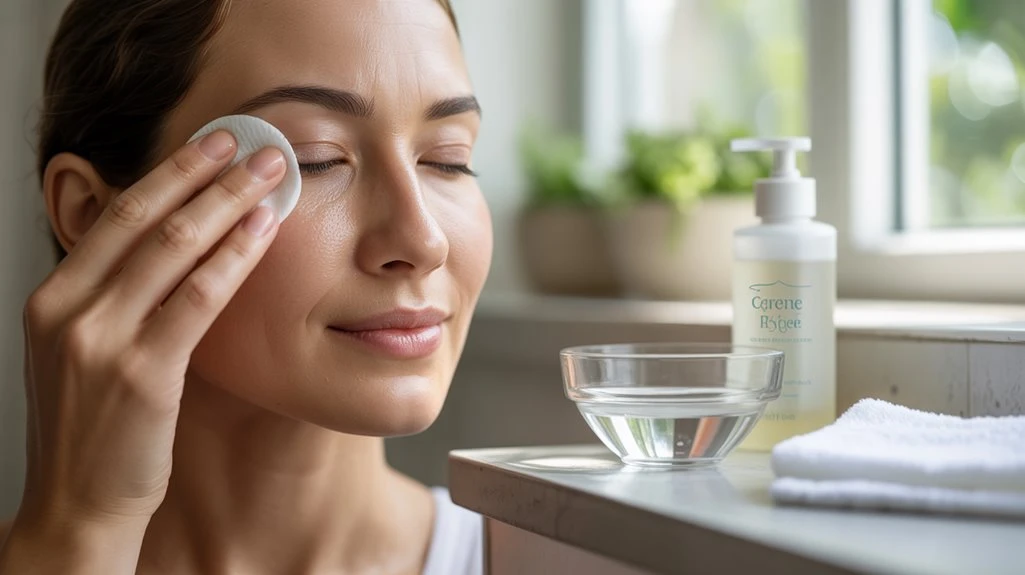
Although symptoms like watery eyes can be bothersome, maintaining good eye hygiene each day helps reduce irritation and lowers your risk of developing further problems. Practicing consistent eye care may prevent the buildup of allergens, bacteria, and debris that can trigger excess tearing. Always wash your hands before touching your eyes, and avoid rubbing them, as this can introduce irritants or cause micro-injuries. Clean your eyelids gently with a clean, damp cloth as part of your daily hygiene practices. Replace eye makeup regularly to prevent contamination.
| Hygiene Practice | Frequency | Purpose |
|---|---|---|
| Wash hands | Before touching | Reduces germ transfer |
| Clean eyelids | Daily | Removes debris/allergens |
| Replace eye makeup | Every 3 months | Minimizes infection risk |
Consistent eye care supports your overall eye health and comfort.
Powerful Oral Treatment for Watery Eyes – From Inside Out
Complete oral solution for watery dry eyes treatment blepharitis/MGD
Add To Cart
Frequently Asked Questions
When Should I See a Doctor for Watery Eyes?
You should see a doctor for watery eyes if symptoms persist longer than a week, worsen, or are accompanied by pain, vision changes, or discharge.
It’s important to rule out serious issues like eye infections or identify underlying allergy triggers.
Don’t ignore signs such as redness, swelling, or sensitivity to light.
A medical professional can provide an accurate diagnosis and recommend safe, effective treatment if home remedies aren’t helping your symptoms.
Can Medications Cause Watery Eyes as a Side Effect?
Yes, certain medication types can cause watery eyes as a side effect.
You might notice this with some allergy medications, blood pressure drugs, or antidepressants. Although it’s not common, your eyes may react by producing excess tears.
If you start a new medication and develop watery eyes, review the drug’s side effects and discuss your symptoms with your healthcare provider to determine if your medication could be the cause.
Are Watery Eyes a Symptom of Underlying Health Issues?
When your eyes run like a leaky faucet, it’s possible you’re facing more than just irritation. You should know that watery eyes can signal underlying health issues such as allergies triggers or eye infections.
Although these causes are common, other potential culprits include blocked tear ducts or chronic conditions. It’s wise to monitor your symptoms, and if watery eyes persist or worsen, consult an eye care professional for an accurate diagnosis and targeted treatment.
Is It Safe to Wear Contact Lenses With Watery Eyes?
If you’re experiencing watery eyes, it’s generally not safe to wear contact lenses, as excess tearing can affect contact lens hygiene and increase your risk of eye irritation or infection.
You should remove your lenses and address the underlying cause of your symptoms.
Consult an eye care professional before resuming use, since persistent watery eyes may indicate an eye condition that requires treatment and could be worsened by continued contact lens wear.
Can Screen Time Make Watery Eyes Worse?
Yes, screen time can make watery eyes worse.
When you stare at screens for long periods, you blink less, which may lead to eye strain and dryness. Your eyes might then overcompensate by producing excess tears, causing watery eyes.
Evidence suggests that following the 20-20-20 rule—taking a 20-second break to look at something 20 feet away every 20 minutes—can help reduce eye strain and minimize symptoms.
Consider limiting screen time if possible.
Powerful Oral Treatment for Watery Eyes – From Inside Out
Complete oral solution for watery dry eyes treatment blepharitis/MGD
Add To Cart
Conclusion
When dealing with persistent watery eyes, it’s easy to feel overwhelmed. However, Theralife offers a unique solution that stands out in the realm of eye care. Theralife is the only company providing oral treatment options for various eye conditions, offering a comprehensive approach that targets the root causes of eye discomfort. Whether it’s dry eyes, blepharitis, or uveitis, Theralife’s products are designed to provide significant relief and improve overall eye health. By focusing on natural, oral treatments, Theralife ensures a safe and effective path to eye comfort. Remember, each person’s situation is unique, so what works for one may not work for another. If symptoms persist or worsen, it is advisable to consult a healthcare professional. Take small, thoughtful steps with Theralife’s products, and you may find comfort—and clarity—returning to your daily life.